
Container home construction in Denver typically takes 3–10 months, depending on complexity and design specifications. Single-container projects complete in 3–4 months while multi-container luxury homes require 8–10 months. Permitting takes 6–12 weeks, though the actual construction proceeds quickly once containers arrive on site. Weather impacts schedules since major modifications work best during dry periods from May through October.
Container Homes Denver: Design Ideas, Laws & Cost
Denver Container Home Laws, Costs & Build Ideas
Denver’s growth has pushed housing demand higher, and with it, construction costs continue to rise across the metro area. As land becomes more expensive and traditional builds take longer to complete, more homeowners and developers are exploring alternative solutions. Shipping container homes are gaining traction in Denver for their flexibility, faster build timelines, and potential cost advantages. But before starting a project, it’s critical to understand local zoning laws, design considerations, and realistic cost expectations. This guide breaks down how container homes work in Denver and what it takes to build one in 2025.
Key Takeaways
- Container homes in Denver cost 20–40% less than traditional construction.
- Denver's zoning laws create more opportunities for container homes, especially accessory dwelling units (ADUs).
- Modern container home designs feature multi-level configurations and indoor-outdoor living spaces.
- Conexwest delivers quality containers to Denver in 3–7 business days, offers multiple sizes and custom modification services, and is trusted by clients such as the U.S. Navy and Google.
Denver's Container Home Revolution Takes Shape
The Denver housing market is transforming as shipping container homes offer practical solutions to rising costs and housing shortages. These innovative structures cost 20–40% less than traditional construction while providing durable homes that withstand Colorado's diverse climate conditions.
What started as a fringe housing option has evolved into a mainstream alternative that everyone from minimalists to luxury homeowners now embraces. Container homes represent Denver's commitment to sustainability, merged with practical affordability needs. These repurposed steel structures reduce construction waste while creating homes tough enough for Colorado weather.
As Denver continues to experience population growth and housing constraints, container homes offer creative responses to urban density challenges. The architectural innovation happening across the city proves that container homes deliver both function and aesthetic appeal that complement Colorado's progressive spirit.
Conexwest, a leader in shipping and storage solutions based in Northern California, offers new, used, and refurbished containers from 10ft to 45ft, with fast delivery within 3–7 days and container fabrication options like adding shelves and locks. We serve over 10,000 customers nationwide, including prestigious clients like the U.S. Navy and Google. As an ISO 9001 and AWS-certified company, we ensure top quality and competitive pricing. |
5 Container Home Designs Reshaping Denver
Multi-Level Mansions with Mountain Views

The most dramatic container homes in Denver stack multiple containers to create two and three-story homes with expansive windows facing the Front Range.
These sophisticated structures combine four to eight containers, creating 1,600–2,500 square feet that rival traditional housing. Internal walls get strategically removed to create double-height living spaces that feel spacious and open.
Cantilevered upper containers create covered outdoor spaces below while adding architectural interest to the design. Roof decks have become standard features, offering panoramic views during Denver's 250+ annual days of sunshine. The weathering steel develops a rich patina that complements Colorado's natural landscape beautifully.
Urban Micro-Homes Downtown
Denver's urban core sees single-container micro-homes that maximize efficiency without sacrificing style. These 160-square-foot dwellings built from 20-foot containers have become popular ADU solutions in neighborhoods like RiNo and Highland. Their small footprint allows homeowners to add rental units without overwhelming existing properties.
Inside, these containers feature Murphy beds, convertible furniture, and vertical storage extending to the ceiling. Large glass doors replace entire walls, creating indoor-outdoor connections that make small spaces feel expansive. Many incorporate rooftop gardens or solar panels that contribute to Denver's sustainability goals.
Indoor-Outdoor Hybrid Designs
Denver's unique climate, with dramatic temperature swings and abundant sunshine, inspires container designs that embrace indoor-outdoor living. The latest trend features containers arranged in C- or U-shaped formations to create protected courtyard spaces. Large sliding glass walls open completely during pleasant weather, effectively doubling usable living space.
Climate-responsive features include deep overhangs that shield interiors from summer sun while allowing winter solar gain. Retractable shade structures, outdoor fireplaces, and heated concrete patios significantly extend the outdoor living season. These hybrid designs address Colorado's love of outdoor living despite rapidly changing weather conditions.
Off-Grid Solar Solutions
Sustainability finds perfect expression in Denver's container homes, with 2025 marking a shift toward energy independence. Container homes provide ideal platforms for solar integration since their flat roofs offer unobstructed space for panels. These homes minimize energy needs through strategic orientation, superior insulation, and efficient systems from the ground up.
Water independence becomes a reality through rainwater harvesting, greywater recycling, and composting toilets, reducing municipal dependency. Battery storage systems allow these homes to function completely off-grid or serve as power sources during outages.
Mixed-Material Hybrid Designs
The most visually striking trend blends shipping containers with traditional building materials for unique aesthetics. These hybrid designs use containers as architectural elements rather than complete structures, combining them with conventional framing, masonry, or timber. The result maintains sustainability benefits while offering greater design flexibility.
Common approaches include using containers for home offices attached to conventional structures or incorporating them as dramatic cantilevered elements. These mixed-material homes integrate more effectively with existing neighborhoods while offering the cost and structural advantages of container construction.
Denver's Container Home Laws
Neighborhood Zoning
Denver's neighborhood-specific zoning reflects the city's diverse character with tailored regulations for different areas. Historic districts maintain strict requirements, often limiting container visibility from streets or requiring extensive exterior modifications. Former industrial neighborhoods like RiNo embrace container architecture as part of their manufacturing heritage.
Simplified Permit Process
Denver's streamlined permitting process creates specialized review teams familiar with container construction techniques. Standard designs, following established templates, can use pre-approved plans to accelerate approvals. Digital submission requirements include container-specific checklists and examples.
Climate-Specific Requirements
Denver's climate presents unique structural challenges that building codes specifically address. Snow load requirements demand roof reinforcement capable of supporting 30–40 pounds per square foot, with higher loads in foothill locations. Temperature variations of up to 40 degrees daily require appropriate insulation to address thermal bridging through steel.
Foundation requirements address Denver's expansive soils with specific connection details for different foundation types. The code includes standard details for pier foundations, slab-on-grade approaches, and basement options.
Container Home Costs in Denver
20-Foot Containers for Denver Builds
20-foot containers measuring 20' x 8' x 8'6" provide 160 square feet of space and are well-suited to specific applications in Denver homes. The interior space measures 19'8" x 7'8" x 7'10" after accounting for wall thickness. These containers weigh 4,850 pounds empty and can hold 59,000 pounds of cargo.
For Denver delivery, used 20-foot containers start at $3,387 while refurbished units cost $4,407. New 20-foot containers are available for $3,995. Specialty options include open-top soft roof containers at $2,795 and storage containers with roll-up doors at $6,917.
40-Foot High Cube Containers: Denver's Most Popular Choice
The 40-foot high cube container at 40' x 8' x 9'6" tall provides 320 square feet and has become Denver's go-to option for residential projects. The interior space measures 39'5" x 7'8" x 8'10", with that extra height proving essential for Colorado's heavy snow loads and comfortable ceiling heights after insulation. These containers weigh 8,600 pounds empty and can hold 67,000 pounds.
For Denver projects, used 40-foot high cube containers start at $5,004, making them one of the most economical choices for residential builds. Refurbished 40-foot high cube containers cost $6,209 and are in better condition due to professional reconditioning. Standard 40-foot used containers without the extra height are available at $4,823, while refurbished standard 40-foot units cost $6,039.
Alternative Sizes for Custom Denver Designs
Denver builders also have access to specialty sizes that add design flexibility to container home projects. Compact 10-foot refurbished containers are around $4,314 and work well for small additions or storage. Mid-size 16-foot refurbished containers cost $5,227 and fit narrow lots perfectly.
The 24-foot refurbished containers that bridge the gap between 20-foot and 40-foot units cost $5,297. Extended 30-foot refurbished containers cost $6,550 and create interesting architectural proportions. For the largest projects, used 45-foot high cube containers are available at $6,380.
*These numbers are estimates, and the actual price can vary. Thus, it's best to reach out to us for an accurate quote.
Where to Source Containers for Denver Homes
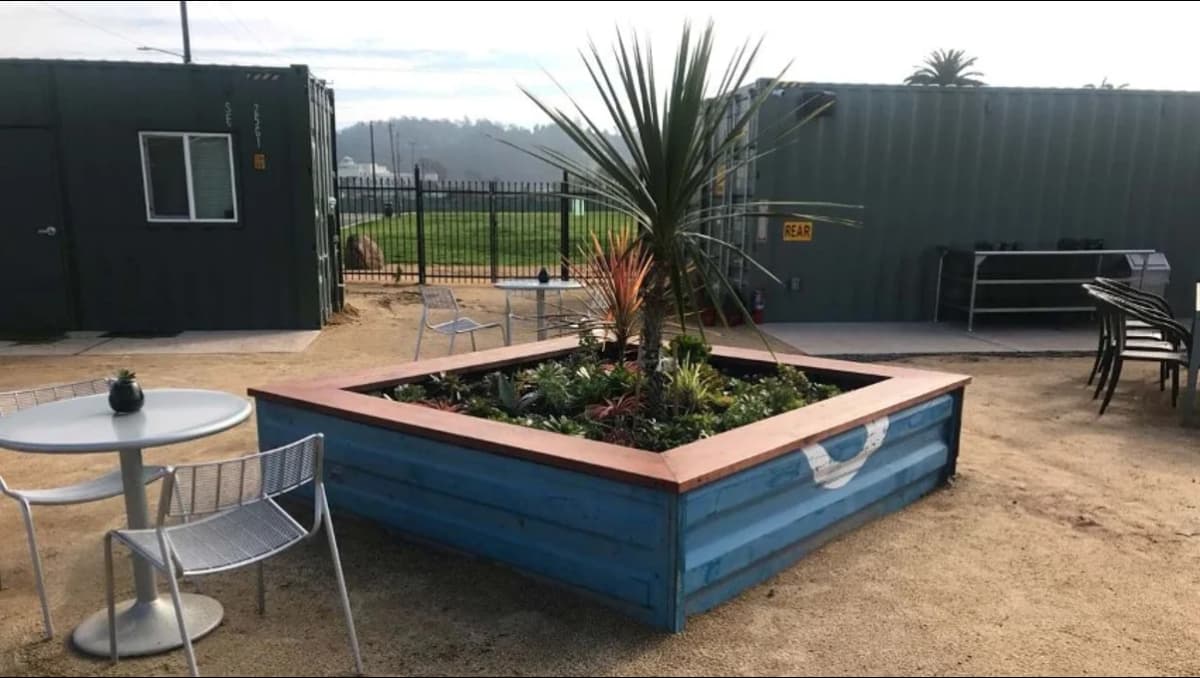
Quality containers from reliable suppliers ensure successful Denver home projects.
Conexwest - Colorado's Container Leader
At We're Colorado's premier supplier of containers for home conversions throughout the Denver metro area. Our inventory includes containers specifically suited for Colorado's challenging climate conditions. Every container undergoes thorough inspection for structural integrity and chemical safety before delivery to your Denver site.
We understand Denver's unique requirements, including heavy snow loads, dramatic temperature swings, and specific municipal codes. Our team helps navigate Denver's complex permitting process by providing proper documentation and specifications. We deliver from our facilities directly to Denver properties, coordinating with your construction timeline to prevent delays.
Our containers come in various conditions, from one-trip units to cargo-worthy options that balance quality with budget. We offer both standard and high-cube containers and explain which works best for Denver's snow-load requirements. Our pricing beats most Colorado markups while providing superior quality and support throughout your project.
Your Denver Container Home Starts with Conexwest

Conexwest helps you transform your Denver housing dreams into an affordable reality.
Success in container home construction starts with understanding what makes these projects work in Colorado's unique environment.
You need containers that can withstand snow loads, extreme temperatures, and altitude considerations while meeting Denver's building codes. The right supplier makes the difference between a successful project and costly mistakes that delay your dream home.
Colorado-Tested Container Quality
At Conexwest, we inspect every container to meet the specific demands of Colorado construction, including structural soundness under snow loads. Our containers arrive free from chemical contamination that could affect indoor air quality at Denver's altitude.
We provide detailed condition reports and documentation required by the Denver building departments for permits. Our quality standards ensure your container home foundation will last decades in Colorado's challenging climate.
Denver Metro Delivery Network
We deliver throughout the Denver metro area from downtown to the foothills with equal professionalism and care. Our logistics team understands Denver traffic patterns and coordinates deliveries to minimize disruption to your neighborhood.
We work with your contractor's schedule to ensure containers arrive exactly when needed for your project timeline.
Container Home Planning Support
We help translate your vision into practical container specifications that work within Denver's regulations and climate requirements. Our team explains how different container configurations effectively handle Colorado snow loads and temperature variations.
We provide guidance on modifications that maintain structural integrity while achieving your design goals for indoor-outdoor living. Our experience with hundreds of Colorado projects helps you avoid common pitfalls that delay construction or increase costs.
Competitive Colorado Pricing
Our direct pricing saves Denver buyers thousands compared to local markups while maintaining superior quality standards. We offer volume discounts for multi-container projects, making larger homes more affordable for families.
Every quote includes transparent delivery costs so you can budget accurately without surprise fees later. The value we provide extends beyond price to include expertise that ensures your project succeeds.
Long-Term Project Partnership
We support your Denver container home project from initial planning through delivery and beyond with ongoing guidance. We stay current on Denver's evolving regulations to ensure your project remains compliant throughout the building process.
When you choose Conexwest, you're choosing a partner committed to your container home success in Colorado.
Was this helpful?
Frequently Asked Questions
Container homes consistently cost 20–40% less than comparable traditional construction in Denver's market. The savings come from reduced labor, faster timelines, and the container's existing structure. Remember that containers represent only 5–10% of the total budget, with site work and finishes forming the majority.
Yes, financing options have expanded significantly with several Denver credit unions offering specialized container home mortgages. Container homes that meet building codes and have permanent foundations qualify for most FHA and conventional loans. Construction-to-permanent loans work particularly well for container projects, financing both building and completed home.
Well-designed container homes in Denver appreciate similarly to conventional housing in the same neighborhoods. Premium container projects sometimes outperform market averages due to uniqueness and sustainability features. Location remains paramount, with container homes in established neighborhoods showing the strongest performance. Professional construction with permits and documentation ensures favorable appraisals when selling.
Yes, our containers provide excellent structural starting points for Colorado's snow conditions when properly reinforced. Standard containers can support significant weight, but roofs require reinforcement to meet Denver's 30–40 pounds per square foot requirements. We explain the available reinforcement options and connect you with builders experienced with Colorado snow load specifications. Most projects add internal supports or pitched roofs that manage snow while creating additional living space.