
No. A standard shipping container should not be buried directly underground without professional engineering and reinforcement. Containers are not designed to resist continuous soil pressure on the side walls and roof.
Container Bunkers Georgia: Price, Customization Options & Where To Buy
Georgia Container Bunkers: Price, Customization Options & Where to Buy
Shipping containers can be used as the starting point for secure storage, emergency supply rooms, reinforced shelters, and custom underground or partially buried structures. In Georgia, interest in container bunkers often comes from property owners who want storm-aware storage, emergency preparedness space, off-grid support, or a durable structure for rural land.
However, a standard shipping container is not a ready-made underground bunker. Containers are designed to carry loads through their corner posts when stacked, not to resist continuous soil pressure against the roof and side walls. Any buried or partially buried container project needs professional engineering, reinforcement, waterproofing, drainage, ventilation, and local approval before installation.
This guide explains Georgia container bunker costs, customization options, permitting considerations, safety factors, and how Conexwest can help with container selection, fabrication, and delivery.
Key Takeaways
- Georgia property owners may consider container bunkers for emergency storage, storm preparedness, off-grid support, rural retreats, or secure storage, but each project requires local approval and engineering review.
- A standard shipping container should not be buried directly underground without reinforcement, waterproofing, drainage, and structural engineering.
- The final price depends on container size, site access, soil conditions, excavation, reinforcement, waterproofing, ventilation, utilities, interior finishes, and delivery.
- Common customization options include vents, doors, insulation, electrical, shelving, security upgrades, drainage planning, HVAC, solar power, and interior layouts.
- Conexwest supplies shipping containers and offers fabrication options that can support secure storage, shelter-adjacent projects, and custom container builds nationwide.
Why Consider a Container Bunker in Georgia?
Georgia has a mix of rural land, suburban properties, humid summers, seasonal storms, and areas that may experience severe weather. For some property owners, a container-based bunker or reinforced storage space can support emergency preparedness, secure storage, farm use, off-grid supplies, or storm-related planning.
Common uses for container bunker concepts in Georgia include:
- Emergency supply storage
- Food, water, tool, or equipment storage
- Rural retreat or off-grid support space
- Secure storage room or reinforced utility space
- Storm shelter planning when designed by qualified professionals to applicable safety standards
For tornado or hurricane life safety, property owners should not assume that a modified container automatically qualifies as a safe room. Dedicated safe rooms and storm shelters should be designed and installed according to applicable standards, such as FEMA P-361 and ICC 500, where required.
Conexwest offers new, used, and refurbished shipping containers in sizes from 10ft to 45ft, including standard containers, high cube containers, insulated containers, refrigerated containers, mobile office containers, and custom modified containers. Customers can explore sales, rentals, fabrication, repair, and delivery options for storage, business, jobsite, rural, and specialty applications. |
Container Bunker Prices in Georgia
The cost of a Georgia container bunker project starts with the container itself, but the container shell is only one part of the total budget. Excavation, structural reinforcement, waterproofing, drainage, ventilation, access points, utilities, interior work, and site restoration can cost more than the container.
For current container pricing, compare Conexwest 20ft shipping containers and 40ft shipping containers. Availability and price can vary by location, condition, size, and market demand.
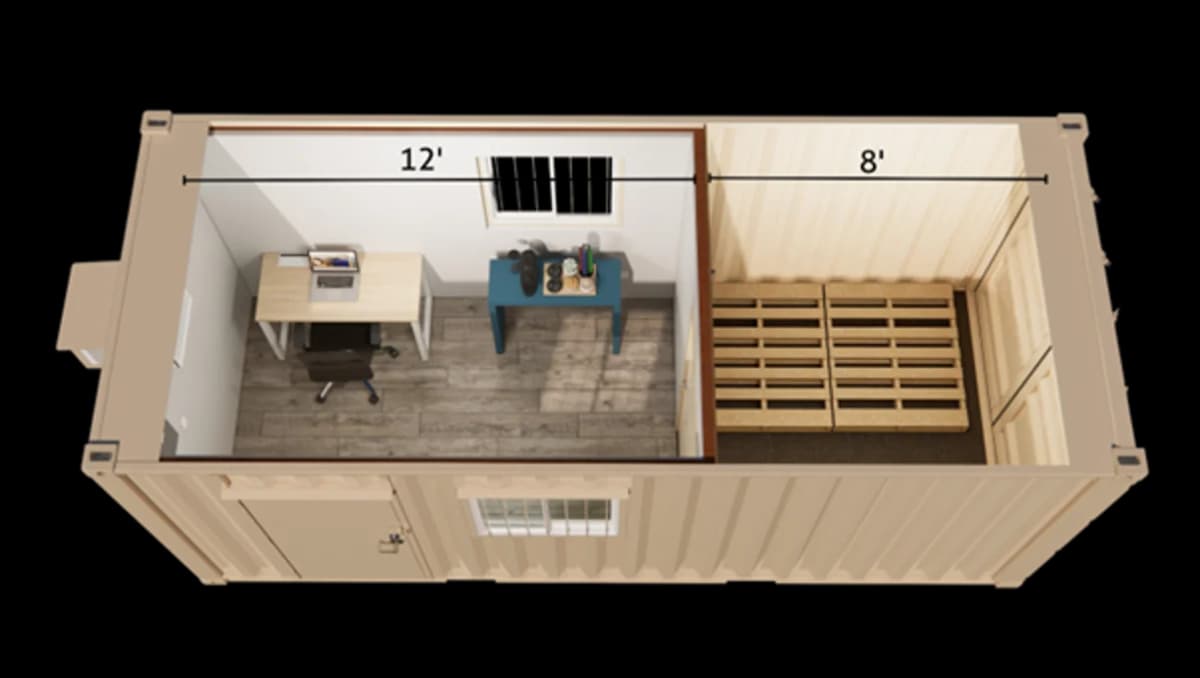
Conexwest containers can be customized with doors, locks, shelving, vents, insulation, and other features for storage and specialty projects.
A basic above-ground storage or emergency supply container can be relatively simple. A buried or partially buried bunker is much more complex. It may require excavation, shoring, drainage systems, waterproof membranes, corrosion protection, engineered steel reinforcement, safe access, emergency exits, ventilation, electrical work, and local inspections.
Because of those variables, bunker projects can range widely in cost. Smaller reinforced shelters or storage builds may cost much less than large livable underground spaces. More advanced builds with plumbing, power, HVAC, filtration, multiple rooms, or long-term occupancy features can exceed six figures depending on scope.
Factors That Affect Cost
- Size: 20ft and 40ft containers are common options. Multi-container projects increase cost, complexity, excavation, and engineering requirements.
- Site conditions: Soil type, slope, water table, rock, drainage, access roads, and excavation depth all affect labor and engineering needs.
- Reinforcement: Underground containers need structural reinforcement because standard container walls and roofs are not designed to resist soil pressure.
- Waterproofing and drainage: Georgia’s humidity, rain, and soil moisture make waterproofing, drainage, and corrosion prevention essential.
- Add-ons: Climate control, ventilation, solar power, lighting, shelving, insulation, and interior finishes all affect the final cost.
- Delivery: Delivery costs vary by distance, route, container size, equipment needs, and site accessibility.
- Permits and engineering: Excavation, structural design, storm shelter use, utilities, and occupied spaces may require professional plans and approvals.
These cost details are general planning factors only. Actual pricing depends on container availability, site conditions, engineering, local requirements, delivery, labor, and modification scope.
Popular Customization Options
Below are common upgrades for Georgia property owners considering a container-based bunker, emergency storage space, or reinforced shelter concept. For more detail, read Conexwest’s guide on how to build an underground bunker using shipping containers.
1. Ventilation & Climate Control
Ventilation is essential for any enclosed or underground space. Georgia’s humidity also makes moisture control important. A bunker concept may need powered ventilation, dehumidification, filtered air, exhaust fans, or climate control depending on occupancy, storage needs, and local code requirements.
2. Plumbing & Water Systems
Some bunker concepts include sinks, toilets, showers, water storage, filtration, or emergency tanks. Plumbing adds complexity because it may require water supply, drainage, septic, sewer connection, pumps, backflow protection, ventilation, and inspections.
3. Electrical Setup
Electrical systems may be needed for lighting, fans, pumps, HVAC, outlets, security equipment, monitoring systems, and communications. Some property owners also consider solar panels, generators, or battery backup for emergency use.
4. Interior Finishing
Interior finishes depend on the purpose of the bunker. Basic emergency storage may only need shelving, lighting, and flooring. A longer-term retreat may require insulation, wall panels, moisture-resistant flooring, bunks, storage compartments, and mechanical systems.
For flooring options, read our guide to shipping container flooring.
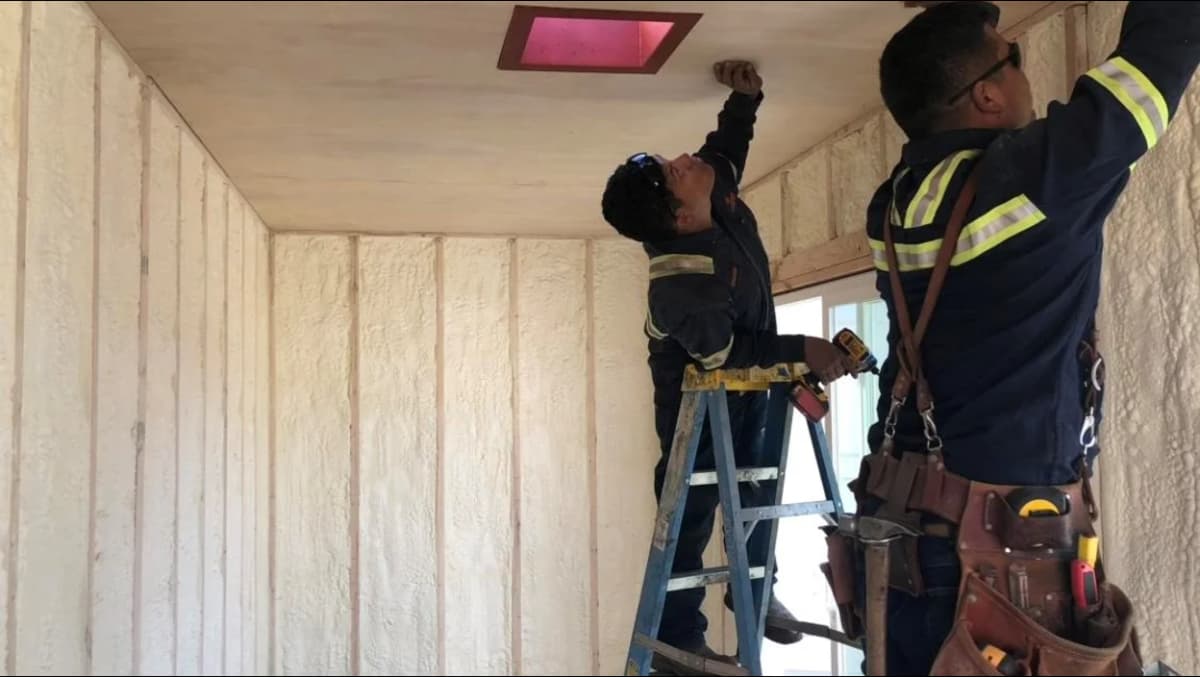
Insulation can help manage temperature swings and reduce condensation inside modified containers.
5. Security Features
Security upgrades may include reinforced doors, high-security locks, lockboxes, cameras, lighting, access control, and exterior barriers. The right security setup depends on whether the container is used for supplies, equipment, valuables, or emergency preparedness.
6. Comfort and Specialty Add-Ons
Some property owners add bunks, seating, food storage, communications gear, medical supply storage, tool walls, water tanks, workbenches, or recreation features. More complex upgrades require more planning, especially if people will occupy the space for longer periods.
Permitting & Regulations in Georgia
Installing a container bunker in Georgia may require permits depending on the county or city, zoning district, excavation scope, utilities, occupancy, and whether the container is above ground, buried, or partially buried. Local rules can vary widely.
- Rural properties may offer more flexibility, but septic, electrical, grading, stormwater, driveway access, and building permits may still apply.
- Urban or suburban areas may have stricter zoning, accessory-structure rules, setbacks, design requirements, or restrictions on buried structures.
- Engineering review may be required for structural safety, underground loads, drainage, waterproofing, foundations, and access points.
- Georgia building projects may need to comply with applicable state minimum construction codes, local amendments, and inspection requirements.
Check with your local building department before excavation or delivery, and work with contractors familiar with Georgia codes, soil conditions, drainage, and shelter requirements.
Important Safety Note About Underground Shipping Containers
Do not bury a standard shipping container without professional engineering. Containers are designed to be strong at the corner posts and frame, but the side walls and roof are not built to resist continuous lateral soil pressure or heavy soil loads from above.
A buried container may require internal steel framing, roof reinforcement, waterproofing membranes, drainage systems, corrosion protection, engineered access points, emergency exits, ventilation, and backfill planning. In many cases, a purpose-built storm shelter or above-ground reinforced solution may be more practical than burying a container.
For tornado and hurricane life safety, review FEMA safe-room guidance and work with qualified professionals before relying on any shelter design.
Why Conexwest Is a Smart Choice for Your Bunker Project
For secure storage, emergency supply rooms, reinforced shelter concepts, and custom container projects, Conexwest can help with container selection, fabrication options, and delivery planning.
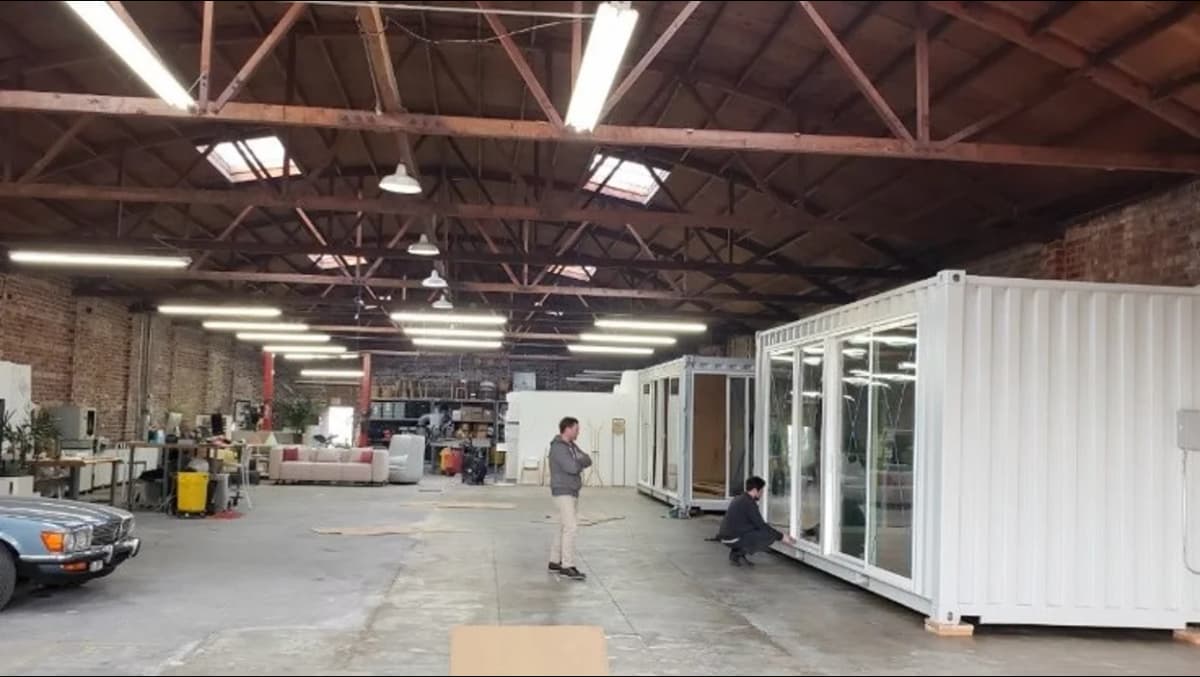
Conexwest offers container fabrication options for doors, windows, insulation, vents, shelving, locks, and other project-specific modifications.
Why Choose Conexwest
- Nationwide delivery: Conexwest can help coordinate container delivery based on location, access, route, and project timing.
- Wide inventory: Choose from 10ft, 20ft, 40ft, and 45ft containers, with new, used, and refurbished options depending on availability.
- Custom fabrication: Add shelves, vents, insulation, roll-up doors, locks, doors, windows, electrical, HVAC, and more.
- Secure storage options: Containers can be customized for emergency supplies, tools, equipment, food storage, communications gear, and property storage.
- Project support: Conexwest can help customers compare container sizes, conditions, and modification options before delivery.
Explore container options for your Georgia bunker, shelter-adjacent, or emergency storage project.
Was this helpful?
Frequently Asked Questions
A 20ft container may work for smaller emergency storage or shelter-adjacent concepts, while a 40ft container provides more space for supplies, bunks, equipment, or longer-term layouts. The best size depends on use, site, engineering, and budget.
Land needs depend on container size, excavation area, equipment access, slope, setbacks, utilities, drainage, and local rules. You need enough clear space for delivery trucks, excavation equipment, safe access, backfill, and site restoration.
Lifespan depends on container condition, reinforcement, waterproofing, drainage, corrosion protection, ventilation, soil moisture, climate, and maintenance. Underground or partially buried installations need especially careful moisture control and inspection planning.
Some non-structural interior work may be possible for experienced DIYers, but structural reinforcement, welding, underground installation, electrical, ventilation, waterproofing, excavation, and shelter design should be handled by qualified professionals.
Conexwest can supply shipping containers and provide fabrication options such as doors, vents, insulation, shelving, locks, roll-up doors, electrical, HVAC, and custom modifications. Engineering, excavation, permitting, underground design, and life-safety shelter approval should be handled by qualified local professionals.