
No. Container home approval depends on local zoning, land use rules, building permits, and residential code requirements. Always contact the local zoning and building department before buying land or ordering containers.
Can You Build a Container Home in Wisconsin? | Laws, Costs & Layout Ideas | Conexwest
Can You Build a Container Home in Wisconsin? Laws, Costs & Layout Ideas
Container homes can be built in Wisconsin, but they are not as simple as placing a shipping container on land and calling it a house. Like any residential structure, a container home must meet local zoning rules, building permit requirements, foundation standards, insulation requirements, and inspection procedures.
Wisconsin’s cold winters, heavy snow loads, deep frost lines, and local zoning differences make planning especially important. Before buying land or ordering containers, homeowners should confirm whether container-based residential construction is allowed in their city, village, town, or county.
Key Takeaways
- Container homes may be allowed in Wisconsin, but approval depends on local zoning, land use rules, building permits, and residential code compliance.
- Wisconsin container homes must be engineered for cold-climate conditions, including snow loads, insulation, moisture control, and foundations below the frost line.
- Costs vary widely based on container size, foundation type, modifications, utilities, insulation, finishes, and local permitting requirements.
- Conexwest supplies shipping containers for residential, commercial, storage, and custom modification projects, with nationwide delivery and fabrication options.
Why Container Homes Are Gaining Interest in Wisconsin
Container homes appeal to Wisconsin homeowners because they combine durability, design flexibility, and a more compact building footprint. From rural cabin sites and lake properties to urban lots near Milwaukee, Madison, Green Bay, and Eau Claire, containers can provide a strong starting point for alternative housing projects.
Shipping containers are made from steel and designed to handle heavy use in harsh environments. That makes them attractive for Wisconsin’s climate, where structures must handle snow, wind, moisture, and freeze-thaw cycles. However, the same steel shell that makes containers strong also creates design challenges. Without proper insulation and moisture control, a container home can lose heat quickly and develop condensation issues.
That is why successful Wisconsin container homes are planned like real residential builds. The container is only the starting structure. The final home still needs engineered plans, proper foundations, code-compliant insulation, electrical and plumbing systems, HVAC, windows, doors, interior finishes, and inspections.
Conexwest offers new, used, and refurbished shipping containers in multiple sizes, including 10ft, 20ft, 40ft, and 45ft options. We also provide container fabrication services for projects that require doors, windows, vents, insulation preparation, electrical packages, shelving, lockboxes, and other custom features. |
Wisconsin Container Home Regulations You Need to Know
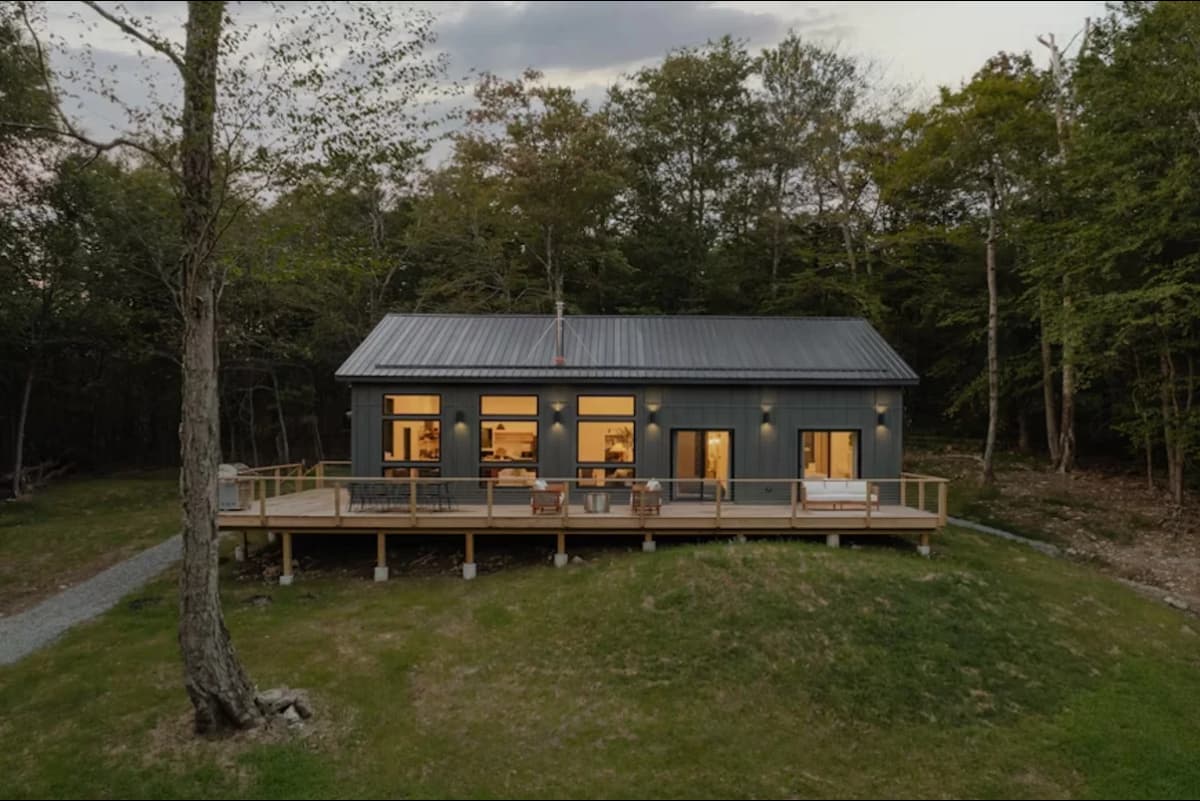
Wisconsin container home rules are shaped by two major factors: statewide residential building standards and local zoning authority. Even if a container home can meet building code, it still must be allowed by local zoning.
Zoning Laws
Wisconsin counties, cities, villages, and towns can set zoning rules that determine where residential structures are allowed, how large they must be, what materials may be visible, and whether alternative housing types are permitted.
Some areas may allow container homes as single-family residences, accessory dwelling units, cabins, or agricultural structures. Other areas may restrict them because of appearance standards, minimum square footage rules, manufactured housing ordinances, or neighborhood design requirements.
Before purchasing land or ordering containers, contact the local zoning office and ask whether a shipping container can be converted into a permanent residence on the property. You should also ask about setbacks, lot coverage, driveway access, utility connections, exterior finish requirements, and whether a conditional use permit or variance is needed.
For more general placement rules, see our guide to Wisconsin shipping container zoning laws, permits, and building code requirements.
Building Permits
Most permanent Wisconsin container homes require building permits. Depending on the location and project scope, you may also need separate permits for electrical work, plumbing, mechanical systems, septic or sewer connection, driveway access, well installation, and utility service.
Permit officials will typically want to see engineered drawings showing how the container will be modified, supported, insulated, ventilated, and connected to utilities. Cutting large openings for windows, doors, or open floor plans can reduce the container’s structural strength, so reinforcement details are especially important.
Wisconsin Building Code Compliance
Wisconsin’s residential construction standards apply to one- and two-family dwellings, including modular and alternative structures. A container home must be designed to meet applicable residential safety standards for structure, fire safety, energy performance, ventilation, plumbing, electrical systems, and mechanical systems.
Because shipping containers were not originally manufactured as homes, your design team may need to show how the final structure will meet residential code after modifications. This can include structural calculations, foundation plans, insulation assemblies, vapor control details, emergency egress, ceiling height, stair design, smoke alarms, and HVAC sizing.
Cold-Climate Requirements for Wisconsin Container Homes
Wisconsin’s climate is one of the biggest factors in container home planning. A container home that works in a mild climate may not perform well in Wisconsin without upgrades for winter conditions.
Foundation Depth and Frost Protection
Permanent homes in Wisconsin generally require foundations designed to resist frost movement. In many areas, footings must extend below the frost line, commonly around 48 inches, though local requirements can vary by location, soil condition, and project type.
Common foundation options for container homes include concrete piers, crawlspace foundations, frost-protected shallow foundations where allowed, full basements, and slab systems designed by an engineer. The best option depends on the site, budget, soil, drainage, and local code requirements.
Snow Loads and Structural Reinforcement
Wisconsin container homes must be designed for local snow loads. This is especially important if containers are stacked, if the roof is modified, or if a new roof system is added above the containers.
Although shipping containers are strong at their corner posts, cutting into walls or roof panels changes how loads move through the structure. Large window openings, sliding doors, and multi-container layouts should be reviewed by a qualified engineer.
Insulation and Moisture Control
Insulation is critical in Wisconsin. Steel conducts heat quickly, which means an uninsulated container can become extremely cold in winter and hot in summer. A residential container home needs a complete insulation strategy, air sealing, ventilation, and moisture control.
Spray foam, rigid foam, mineral wool, and hybrid insulation systems are commonly considered for container conversions. The right system depends on whether the insulation is installed inside, outside, or both. Exterior insulation can help reduce thermal bridging, while interior insulation may be easier for smaller projects but can reduce usable floor space.
What It Costs to Build a Container Home in Wisconsin
The cost to build a container home in Wisconsin depends on far more than the container itself. A shipping container may be the shell, but the finished home must include the same major systems as traditional construction.
Container Purchase
Container pricing depends on size, condition, availability, delivery location, and customization needs. Common options include:
- 20ft shipping containers for compact cabins, offices, studios, and small storage-based projects.
- 40ft shipping containers for larger single-container layouts or multi-container homes.
- 40ft high-cube containers for residential projects that need additional ceiling height and insulation space.
- New, used, and refurbished containers depending on project budget, appearance requirements, and modification plans.
Site Preparation and Foundation
Site preparation can include clearing, grading, driveway access, drainage work, utility trenching, septic or sewer connection, and foundation installation. Rural sites may cost more if access is difficult or utilities are far from the build location.
Foundation costs can be significant in Wisconsin because the structure must be protected from frost movement. A simple pier foundation may be less expensive than a basement, but every option should be reviewed for local code compliance and long-term durability.
Structural Modifications
Structural modifications may include cutting openings for windows and doors, welding reinforcement, joining multiple containers, adding roof systems, framing interior walls, and preparing for mechanical systems. Costs vary based on the size and complexity of the design.
For a full breakdown of common modification options, read our shipping container modifications guide.
Utilities, Insulation, and Interior Finishes
Electrical, plumbing, HVAC, insulation, drywall, flooring, cabinets, bathrooms, appliances, and exterior finishes often make up the largest portion of the final budget. A small weekend cabin can be relatively simple, while a full-time residence must be built to a much higher standard.
*Costs vary by design, site conditions, location, code requirements, and customization level. For current container availability and pricing, review our inventory or contact Conexwest for project-specific guidance.
3 Container Home Layout Ideas for Wisconsin Living
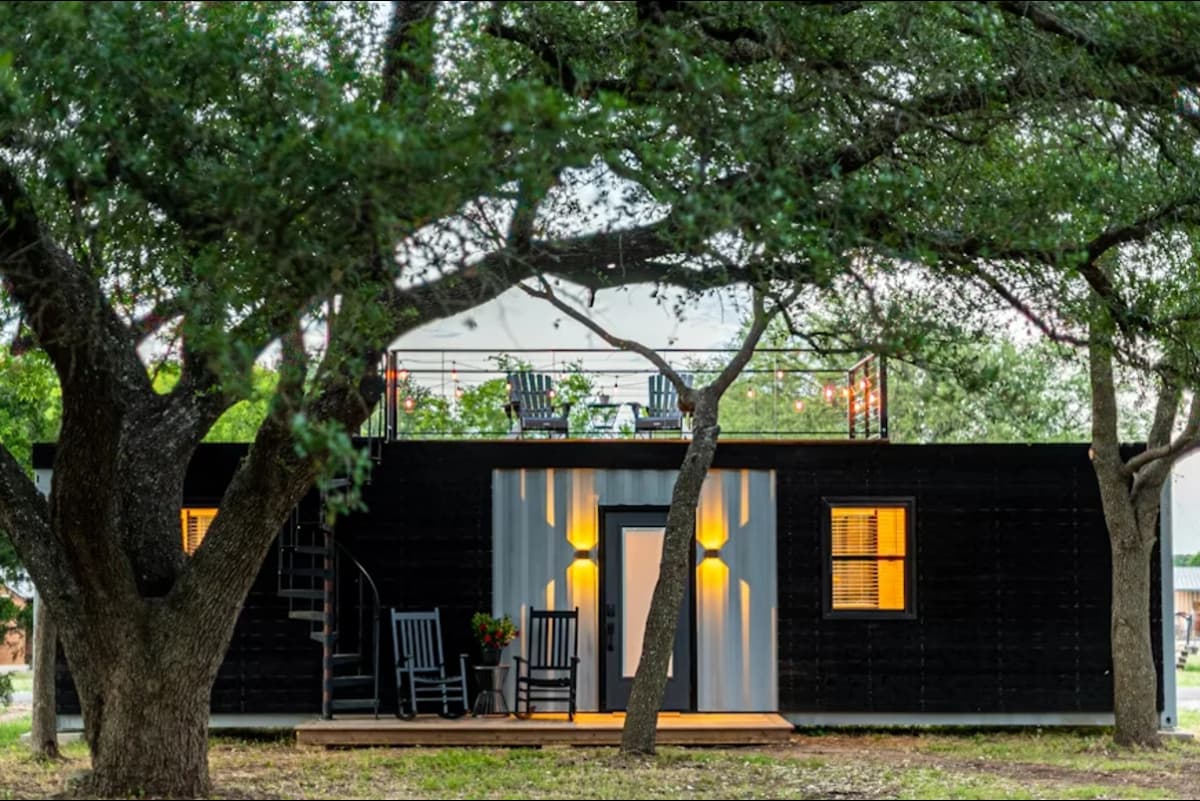
Container homes can be adapted to different Wisconsin settings, from a compact cabin on rural land to a multi-container residence designed for year-round living.
1. Single-Container Cabin
A single 40ft high-cube container can work as a compact cabin, studio, guest space, or minimalist residence. The layout typically includes a sleeping area, small bathroom, kitchenette, and living space.
For Wisconsin, this type of design should prioritize insulation, air sealing, condensation control, and a protected entry. A small covered porch or mudroom can help reduce heat loss and provide a transition space during snowy months.
2. Two-Container L-Shape Home
Two 40ft containers can be arranged in an L-shape to create a larger living area and a protected outdoor space. This layout works well for a small home, vacation property, or lake cabin.
The L-shape can help create a sheltered patio or porch area, which is useful in Wisconsin’s changing seasons. The design can include one or two bedrooms, a bathroom, and an open kitchen and living area where the containers connect.
3. Multi-Container Family Home
A larger Wisconsin container home may use three or four containers to create bedrooms, bathrooms, storage areas, a kitchen, and open living space. Multi-container layouts offer more flexibility but also require more engineering, foundation planning, insulation work, and utility coordination.
These projects often benefit from a roof system built over the containers. A separate roof can improve snow management, protect the container roof from standing water, and make the finished home look more residential.
How Conexwest Supports Wisconsin Container Home Projects
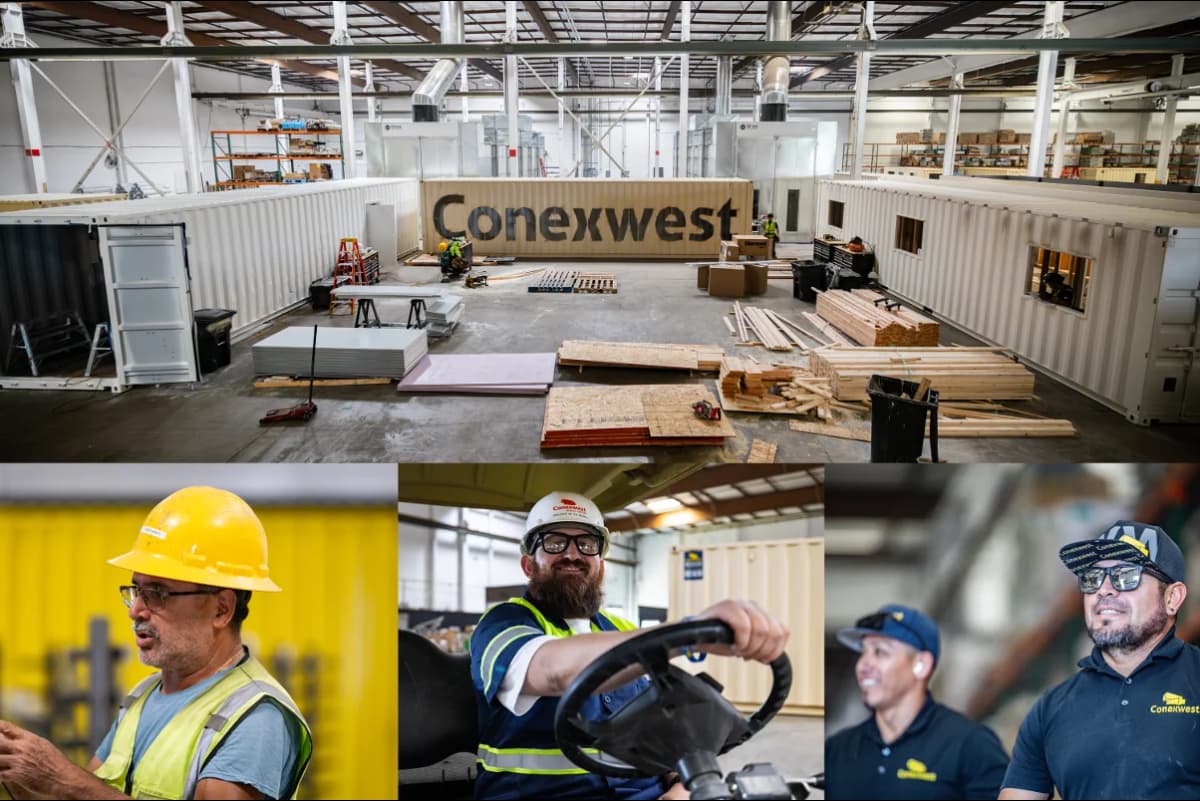
Conexwest helps homeowners, contractors, and builders source containers for residential and custom projects across the country. For Wisconsin projects, choosing the right container condition, size, and modification plan is especially important because of the state’s cold climate and permitting requirements.
Container Selection
We offer multiple container sizes and conditions for different project needs. One-trip and premium used containers are often preferred for residential conversions because they typically provide a cleaner starting point for cutting, welding, insulation, and finishing.
Our team can help you compare container sizes, condition grades, and modification options before you commit to a build plan.
Fabrication Options
Conexwest provides container fabrication services for projects that need doors, windows, vents, electrical packages, insulation preparation, partitions, roll-up doors, lockboxes, shelving, and other custom features.
For residential projects, fabrication should be coordinated with your architect, engineer, and local building department so structural changes support the final approved design.
Delivery Coordination
Conexwest provides shipping container delivery options to help customers receive containers at their jobsite, business, or property. Delivery planning is especially important for rural Wisconsin sites, winter access, narrow driveways, soft ground, and properties with limited turning space.
Before delivery, confirm that your site is accessible, level, and ready for placement. You may need to coordinate with your foundation contractor, crane provider, or local equipment operator depending on the final placement plan.
Project Planning Support
Conexwest can help with container selection and modification planning, but Wisconsin homeowners should always work with local permitting officials and licensed professionals for code compliance, structural design, and residential approvals.
Container homes can be successful in Wisconsin when the project is planned correctly from the start. The best results come from combining a strong container shell with proper engineering, insulation, foundations, utilities, and local approval.
Was this helpful?
Frequently Asked Questions
Container homes may be legal in Wisconsin if they meet local zoning rules and applicable residential building standards. The container must be converted into a code-compliant dwelling, not simply placed on land as an unapproved structure.
Yes. Permanent container homes typically need a foundation designed for the structure, soil conditions, and frost protection requirements. The exact foundation type should be confirmed with local officials and a qualified design professional.
They can be, but only when properly insulated and air sealed. Steel conducts heat quickly, so insulation, vapor control, ventilation, and thermal bridge reduction are critical for Wisconsin winters.
Yes. Conexwest can help supply shipping containers and provide modification options for residential and custom projects. Customers should still work with local permitting officials, architects, engineers, and contractors for final code approval and construction.