
Shipping containers are permitted in residential zones, including as converted homes, provided they comply with zoning laws and building codes. Residential container structures must meet IRC standards.
Boise Shipping Container Zoning Laws, Permits & Building Code Requirements
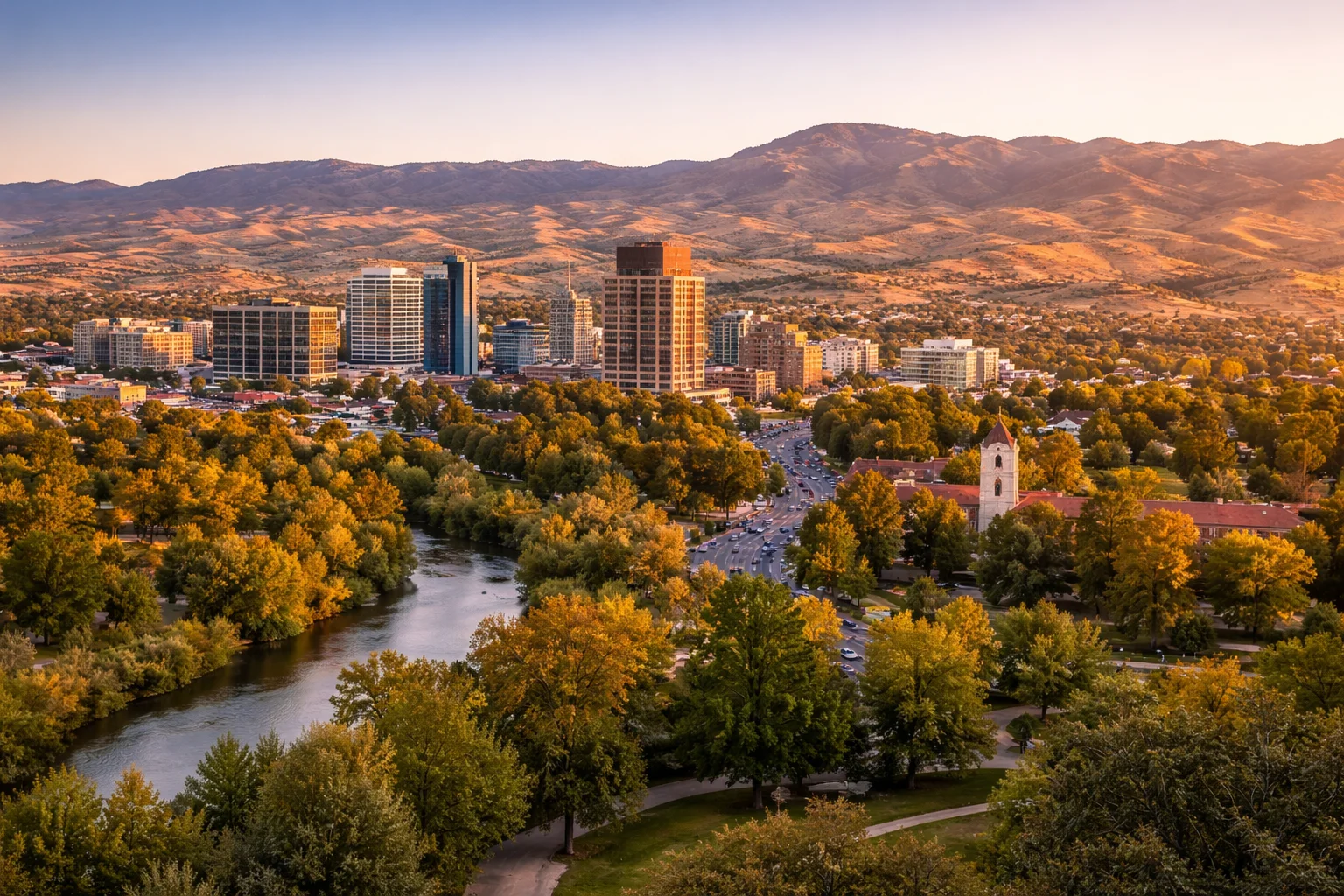
Thinking about placing a shipping container on your Boise property? Whether you're planning a container home, job site storage, or a backyard workshop, the rules vary depending on location. Boise, unincorporated Ada County, Meridian, and Nampa each enforce different zoning laws, permit requirements, and building codes. Missing a requirement can result in fines, project delays, or forced removal.
Boise is one of the fastest-growing cities in the United States, and shipping containers are increasingly used for storage, offices, and residential conversions. Before placing a container, it is necessary to understand how local regulations apply based on jurisdiction and intended use.
Zoning Laws in Boise
Zoning laws determine where shipping containers can be placed and how they can be used. The applicable rules depend on the zoning designation of the property.
Residential Use
Shipping containers are allowed in residential areas within Boise, including use as container homes. The City of Boise does not require a separate planning and zoning hearing for container homes if the structure complies with standard building codes. Containers used strictly for storage must still meet setback requirements and lot coverage limits established by the zoning code.
Commercial Use
Containers used for commercial purposes are subject to additional requirements related to visibility, safety, and structural compliance. Local jurisdictions may impose design or placement restrictions depending on the project. The approval of a shipping container plaza in downtown Nampa reflects broader regional acceptance of commercial container use.
Industrial Use
Industrial zones generally allow shipping containers with fewer restrictions. Both temporary and permanent installations are typically permitted, provided they meet applicable safety and building standards.
Permit Requirements
Permit requirements vary based on the size of the container, its intended use, and whether the property is located within city limits or in an unincorporated area.
City of Boise
A building permit is required for detached structures exceeding 200 square feet. A standard 40-foot shipping container exceeds this threshold, while a 20-foot container may fall below it. Structures between 120 and 200 square feet do not require a building permit but must receive setback confirmation from the Planning division.
Containers intended for human occupancy, such as homes or offices, require full building permits. This includes permits for mechanical, electrical, and plumbing systems where applicable.
Foundation requirements depend on the size and type of structure. In Boise, frost depth is a minimum of 24 inches below grade. Foundations for qualifying structures must extend to at least this depth. If the property is located within a floodplain, a permit is required regardless of container size.
Ada County (Unincorporated Areas)
Ada County enforces additional requirements for properties outside city limits. Shipping containers often require conditional use approval in both residential and commercial zones, including RUT, RSW, R1 through R20, and commercial districts such as LO and C1 through C3.
Applicants are required to complete a pre-application meeting with Ada County Development Services before submitting for conditional use approval. All structures must obtain a certificate of occupancy prior to use. Permit applications must include site plans, foundation plans, and construction drawings.
Meridian
In Meridian, detached accessory structures, including shipping containers used for storage, require a building permit if they exceed 200 square feet or are more than one story. All installations must comply with the Unified Development Code outlined in Title 11 of the Meridian City Code.
Was this helpful?
Frequently Asked Questions
A building permit is required for structures over 200 square feet. Smaller containers may not require a permit but still require setback confirmation. Requirements vary depending on use and location.
Foundations must meet the local frost depth requirement of 24 inches below grade for qualifying structures. Smaller installations may use alternative foundation systems such as slabs or piers.
Storage use may require fewer approvals, but local regulations still apply. Containers under 200 square feet may not require a building permit but may require setback verification. In Ada County, conditional use approval may still be required.
Key considerations include zoning designation, setback requirements, container size, structural condition, intended use, permitting requirements, and any applicable HOA restrictions.
Delivery typically occurs within three to seven days. Site access, placement conditions, and scheduling are coordinated prior to delivery to ensure proper installation. Shop now
A building permit is required for structures over 200 square feet. Smaller containers may not require a permit but still require setback confirmation. Requirements vary depending on use and location.
Storage use may require fewer approvals, but local regulations still apply. Containers under 200 square feet may not require a building permit but may require setback verification. In Ada County, conditional use approval may still be required.
Delivery typically occurs within three to seven days. Site access, placement conditions, and scheduling are coordinated prior to delivery to ensure proper installation.
Shipping containers must comply with applicable building codes to ensure safety, durability, and structural performance.
Containers must be structurally sound and free from hazardous materials such as lead-based coatings or asbestos. For permanent installations or occupied structures, a structural evaluation by a licensed engineer may be required.
Containers must typically be placed on a stable foundation. In Boise, frost depth requirements dictate that footings extend to at least 24 inches below grade for qualifying structures. Depending on the application, common foundation types include concrete slabs and pier footings.
The City of Boise enforces theInternational Building Code (IBC)and theInternational Residential Code (IRC). Containers converted for residential use must meet IRC requirements related to insulation, ventilation, fire safety, egress, and structural loads.
Any container equipped withHVAC systems,electrical wiring, or plumbing must obtain separate permits for each system. All work is subject to inspection, regardless of whether it is completed by a contractor or a homeowner.
Conexwest supplies new, used, and refurbished shipping containers ranging from 10 feet to 45 feet. The company providesdeliverywithin three to seven days and offers modification services such as addingdoors, shelving, and locking systems. Conexwest serves commercial and government clients nationwide and operates under ISO 9001 and AWS certification standards.