
The promise sounds almost too good to be true: transform a discarded shipping container into a home, and you're saving the planet. Container homes have often been marketed as the ultimate eco-friendly housing solution, rescuing materials from landfills while reducing construction waste.
Are Shipping Container Homes Sustainable? | Conexwest
Can Container Homes Be Sustainable?
The promise sounds almost too good to be true: transform a discarded shipping container into a home, and you're saving the planet. Container homes have often been marketed as the ultimate eco-friendly housing solution, rescuing materials from landfills while reducing construction waste.
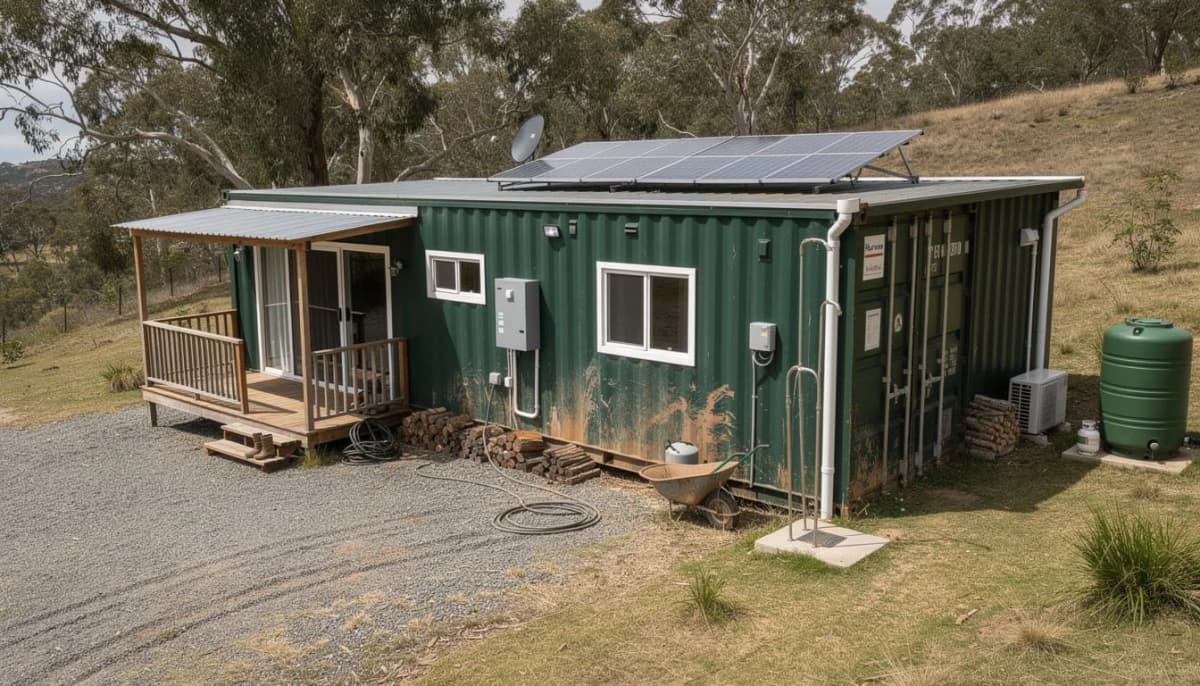
But what is the reality?Shipping container homes can be sustainable, but only when built thoughtfully with the right container sourcing, appropriate modifications, and energy-efficient systems. The environmental truth sits somewhere between the green marketing and the skeptics.
Let’s separate fact from fiction.
Material Reuse Reduces Carbon Emissions
The most compelling environmental argument for container homes is material reuse. When an existing shipping container is converted into a home rather than scrapped or melted down, it extends the useful life of a steel structure that has already been manufactured.
The construction sector is responsible for a significant share of global carbon emissions. Research shows that buildings account for roughly 39% of global carbon emissions, with about 11% coming from embodied carbon in construction materials and building processes. Reusing an existing steel structure can help avoid some of the emissions associated with manufacturing new building materials.
Even when compared to recycling steel, reuse has advantages. According to the World Steel Association, recycling steel can reduce energy consumption by up to 74% compared with producing new steel, but repurposing an existing container avoids the energy required to melt and remanufacture the metal in the first place.
Smaller Footprint, Less Waste
A standard 40-foot shipping container provides roughly 320 square feet of usable space, naturally encouraging smaller living areas and more efficient design.
Research from the Carbon Leadership Forum estimates residential construction typically produces 10–20 kg of CO₂-equivalent emissions per square foot of embodied carbon. For a typical 2,850-square-foot single-family home, that can translate to roughly 28,000–57,000 kg of embodied carbon before the home is even occupied. Container homes, which are often much smaller than traditional houses, reduce this embodied carbon proportionally simply because they require fewer materials.
In addition, factory-based construction methods often produce less waste than traditional on-site building. Studies on modular construction suggest factory-built structures can reduce construction waste significantly and may cut embodied carbon by 20–50% compared with conventional construction, depending on the design and materials used. Container modifications performed in controlled environments can benefit from similar efficiencies.
Built to Last
Shipping containers are engineered to withstand extreme conditions at sea, including heavy stacking loads, salt exposure, and harsh weather.Industry data from container leasing and logistics organizations indicates that containers typically remain in active shipping service for 10–15 years, but they can remain structurally viable for several decades when used in stationary applications such as storage or buildings.
With proper maintenance, corrosion protection, and structural reinforcement where needed, container homes can remain functional for 25–50 years or more.The longer a building lasts, the more its embodied carbon is spread across its usable lifespan.
The Concerns: Where Container Homes Fall Short
New Containers Can Reduce the Sustainability Advantage
Here’s where the conversation becomes more nuanced.Many residential container projects are built using one-trip containers. These are nearly new containers that have made a single voyage from the manufacturer before entering secondary markets.
From a sustainability perspective, used containers with longer shipping histories provide the strongest environmental reuse argument, since they extend the life of materials that have already completed most of their intended service.However, one-trip containers can still represent a lower-impact structural shell compared with building entirely new steel framing or concrete structures, especially when paired with efficient design and long-term use.
The key factor is not simply whether the container is new or used, but whether the project reduces overall material consumption compared with traditional construction methods.
The Energy Efficiency Challenge
Perhaps the biggest sustainability concern is thermal performance.Shipping containers were designed to transport cargo, not to function as residential buildings. Steel is highly conductive, meaning it transfers heat quickly.
Without proper insulation, container homes can become extremely hot in summer and cold in winter. Poor insulation leads to increased heating and cooling demand, which can offset any carbon savings from material reuse.Addressing this issue requires high-quality insulation and careful climate design.
Common strategies include:
• Closed-cell spray foam insulation
• High-performance windows with low-emissivity coatings
• Passive solar orientation
• Mechanical ventilation with heat recovery
These upgrades improve long-term energy efficiency but also add materials and embodied carbon during construction.
Modifications Add Environmental Impact
Turning a steel shipping container into a livable structure requires significant modifications.
Typical conversions include:
• Cutting structural openings for windows and doors
• Welding reinforcement frames
• Removing and replacing container flooring when necessary
• Rust treatment and repainting
• Installation of electrical, plumbing, and HVAC systems
Each of these steps requires materials, energy, and labor. If the design requires extensive structural alterations, the environmental advantage of reusing the container can shrink. Thoughtful design is essential to maintaining the sustainability benefits.
When Container Homes Are Actually Sustainable
The sustainability of container homes depends heavily on execution.
Use Containers That Have Completed Their Shipping Lifecycle
Containers that have spent many years in active freight service represent genuine material reuse. Repurposing them for housing extends their useful life rather than sending them to recycling yards.
One-trip containers may still be appropriate in some projects due to their structural condition, but containers with longer service histories typically provide the strongest sustainability argument.
Invest in Energy Efficiency
Operational energy use often outweighs embodied carbon over time.
Key strategies include:
• High-performance insulation with strong thermal resistance
• Solar panels to offset electricity consumption
• Energy-efficient windows
• Passive solar design
• Heat recovery ventilation systems
A poorly insulated container home could consume more energy over its lifetime than a well-designed traditional house.
Minimize Structural Modifications
Working with the container’s existing structure reduces the need for additional materials.Simple modifications such as planned openings, efficient layouts, and modular container combinations require fewer resources than complex designs involving extensive structural reconstruction.
Plan for Longevity
Sustainability is ultimately about lifecycle impact. Container homes benefit most when they are designed to last. Important considerations include:
• Weatherproofing and corrosion prevention
• Durable construction methods
• Flexible layouts that adapt to changing needs
• Routine maintenance
A container home lasting 50 years or more has a far better environmental profile than one that requires major reconstruction after a decade.
The Bottom Line: Sustainable, But Only If Done Right
Are shipping container homes sustainable?The answer depends entirely on execution.Container homes offer the greatest environmental benefits when they are:
• Built using containers that have completed their shipping lifecycle
• Designed with strong insulation and efficient energy systems
• Modified thoughtfully to minimize additional materials
• Built for long-term durability
Their environmental advantage becomes weaker when they are:
• Built primarily from new containers without considering lifecycle impact
• Poorly insulated, leading to high energy consumption
• Over-modified with extensive structural reconstruction
• Treated as novelty projects rather than long-term housing
The environmental case for container homes is not about the container alone. It depends on how carefully the entire project is designed and executed.
How Conexwest Supports Sustainable Container Projects
At Conexwest, sustainability means helping customers choose containers and modification strategies that support long-term reuse and efficiency.
This includes:
• Providing access to used and refurbished containers that have completed their shipping lifecycle
• Transparent container grading so buyers understand what they are purchasing
• Professional refurbishment services that extend container life while maintaining structural integrity
• Expert consultation to match container types to specific project goals
Whether the project involves a small residential build or a multi-container structure, sustainability begins with selecting containers that represent genuine material reuse and designing systems that minimize long-term energy consumption.
Making the Sustainable Choice
The greenest building is often the one that already exists. Repurposing containers that have completed their shipping lifecycle into efficient living spaces can reduce material demand and extend the useful life of durable steel structures.But container home sustainability is not automatic. It requires thoughtful planning, efficient energy design, and a commitment to long-term durability.
Done right, container homes can provide a practical way to reduce embodied carbon while creating durable housing.Done poorly, they risk becoming conventional construction projects wrapped in green marketing.
Build Your Sustainable Container Home With Conexwest
Thinking about building a sustainable home using shipping containers? Browse our inventory and use ConexBuilder to explore design options, layouts, and custom modifications.
Was this helpful?
Frequently Asked Questions
Here’s where the conversation becomes more nuanced.Many residential container projects are built using one-trip containers. These are nearly new containers that have made a single voyage from the manufacturer before entering secondary markets.
The sustainability of container homes depends heavily on execution.
Are shipping container homes sustainable?The answer depends entirely on execution.Container homes offer the greatest environmental benefits when they are:
At Conexwest, sustainability means helping customers choose containers and modification strategies that support long-term reuse and efficiency.
The greenest building is often the one that already exists. Repurposing containers that have completed their shipping lifecycle into efficient living spaces can reduce material demand and extend the useful life of durable steel structures.But container home sustainability is not automatic. It requires thoughtful planning, efficient energy design, and a commitment to long-term durability.
Thinking about building a sustainable home using shipping containers? Browse our inventory and use ConexBuilder to explore design options, layouts, and custom modifications.