
The timeline depends on container availability, modification scope, permits, site preparation, equipment installation, and contractor scheduling. A basic gym may move faster than a fully finished, insulated, climate-controlled, utility-connected build.
20ft Shipping Container Gym: Layout, Equipment & Cost
20ft Shipping Container Gym: Layout, Equipment Setup & Cost
A 20ft shipping container can be converted into a compact gym, personal training room, backyard fitness studio, or small commercial workout space. With the right layout, a 20ft container can support strength training, cardio, mobility work, storage, and recovery equipment without taking over a garage, spare bedroom, or living area.
The key is planning the space carefully. A 20ft container has a narrow footprint, so every wall, corner, and vertical surface matters. Equipment selection, ventilation, insulation, lighting, flooring, power, and climate control all affect how comfortable and functional the finished gym will be.
This guide explains 20ft container gym layouts, equipment setup ideas, cost factors, and how Conexwest can help with container selection, fabrication, and delivery for fitness-related projects.
Key Takeaways
- A 20ft shipping container provides a compact footprint for a home gym, training studio, or workout room, with usable space depending on insulation, wall finishes, equipment, and layout.
- Multi-functional equipment, wall-mounted storage, foldable racks, and clear training zones help maximize limited space.
- Insulation, ventilation, lighting, flooring, and climate control are important for comfort, equipment protection, and year-round usability.
- Permits may be required depending on location, use, electrical work, foundation, occupancy, and whether the gym is temporary or permanent.
- Conexwest supplies shipping containers and offers fabrication options for doors, windows, insulation, ventilation, electrical, HVAC, and custom container modifications.
Why Shipping Container Gyms Are Popular for Home Fitness
A shipping container gym gives you a dedicated workout space without converting a bedroom, garage, or living room. It can be placed on a property as a separate training area, making it easier to keep equipment organized and workouts consistent.
Shipping containers are built from steel and designed for demanding transport conditions. For gym use, that durable shell can protect equipment from weather exposure when the container is properly placed, maintained, ventilated, and sealed.
A container gym can also be modified around your training style. Some customers want a strength-focused space with a rack, barbell, plates, and kettlebells. Others prefer a compact studio for yoga, mobility, cardio, personal training, boxing, or small-group workouts. The right setup depends on the equipment, climate, site, budget, and how often the space will be used.
Conexwest offers new, used, and refurbished shipping containers in sizes from 10ft to 45ft, including standard containers, high cube containers, refrigerated containers, insulated containers, mobile office containers, and custom modified containers for storage, business, jobsite, and specialty applications. |
Container Gym Layout Options for Maximum Training Efficiency
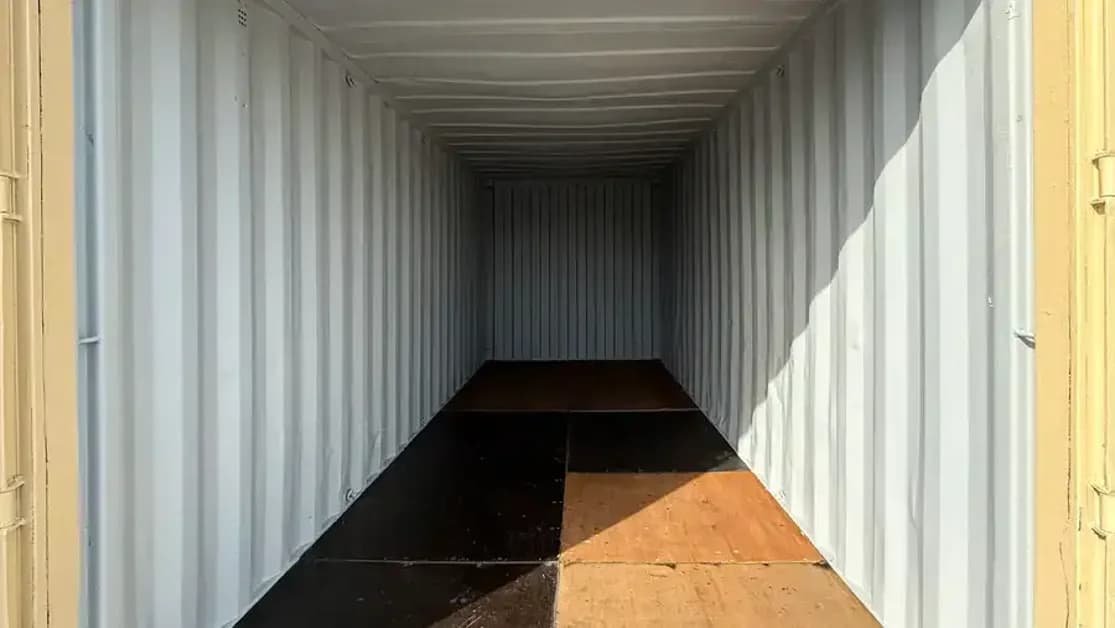
Strategic space planning can turn a narrow container into an efficient multi-zone training space.
Standard Dimensions and Usable Space
A standard 20ft shipping container has an exterior length of 20ft and a width of 8ft. Internal dimensions vary slightly by manufacturer and condition, but many 20ft containers provide approximately 19ft 4in of interior length, 7ft 8in of interior width, and about 7ft 10in of interior height.
That footprint gives you roughly 145 to 150 square feet of usable floor area before any interior buildout. Insulation, wall panels, flooring, equipment, storage, and HVAC can reduce usable space, so layout planning is important.
For some gym projects, a 20ft high cube container may be worth considering if available, because extra height can help with overhead movements, lighting, insulation, and comfort.
Ways to Open Up the Space
Windows, vents, glass doors, skylights, and roll-up doors can make a container gym feel larger and improve airflow. Conexwest offers customization options such as skylights, man doors, windows, vents, insulation, electrical, and HVAC depending on project needs.
For indoor-outdoor training, side-opening or roll-up door modifications may create a more open workout area. Large openings should be planned carefully because cutting container walls can require structural reinforcement.
Optimal Equipment Placement Strategies
Maximizing functionality in your container gym requires a layout that supports safe movement, equipment access, and workout flow.
- Place the main strength area where there is enough clearance for squats, presses, and barbell loading.
- Use one long wall for storage, plates, bands, dumbbells, mats, and accessories.
- Keep a clear center lane for movement, lifting, stretching, and safe access to equipment.
- Place high-use equipment near the entry so you do not have to move through tight spaces during workouts.
Functional Zones for a 20ft Container Gym
The best container gym layouts usually divide the space into small functional zones. A compact gym may include a strength zone, floor-work zone, cardio corner, and storage wall.
| Zone | Purpose | Space-Saving Ideas |
|---|---|---|
| Strength zone | Barbell, rack, dumbbells, kettlebells, resistance work | Wall-mounted rack, foldable bench, vertical plate storage |
| Floor-work zone | Stretching, mobility, yoga, bodyweight training | Roll-up mats, clear center lane, wall storage |
| Cardio zone | Bike, rower, treadmill, jump rope, sled alternatives | Foldable treadmill, vertical rower storage, compact bike |
| Storage zone | Accessories, bands, shoes, towels, cleaning supplies | Wall hooks, shelves, pegboards, overhead storage |
Best Equipment Choices for Limited Container Space
.webp&w=1200&q=75)
Multi-functional equipment helps maximize training variety while keeping the container organized and usable.
Multi-Functional Equipment to Maximize Workout Variety
In a 20ft container gym, compact and multi-use equipment usually works better than large single-purpose machines. A wall-mounted cable system, adjustable dumbbells, kettlebells, resistance bands, a folding rack, and a compact cardio machine can provide a broad range of exercises without crowding the space.
Modular rigs and foldable racks are useful because they can support squats, presses, pull-ups, suspension training, dips, and landmine movements from one compact setup. When not in use, some equipment can fold or store vertically to reclaim floor space.
Wall-Mounted and Foldable Options
Wall-mounted folding racks, barbell hooks, plate storage, band hangers, and pegboards keep the floor clear. This is especially important in a narrow space where clutter can make training uncomfortable or unsafe.
Before mounting heavy equipment to container walls, confirm the structure, reinforcement, and mounting method. Some installations may require additional framing or backing plates.
Essential Strength Training Equipment
A compact strength setup may include an Olympic barbell, bumper plates, kettlebells, adjustable dumbbells, resistance bands, a foldable bench, and a wall-mounted or folding rack. This equipment supports strength, power, mobility, conditioning, and accessory work without filling the entire container.
For a cardio-focused gym, choose equipment with a small footprint, such as a stationary bike, rower that stores upright, compact treadmill, jump rope, or battle ropes used outside the container.
Complete Cost Breakdown of a Shipping Container Gym
Understanding the full range of expenses, from the initial container purchase to fabrication, installation, and gym equipment, helps you set a realistic budget and avoid surprise costs when planning a container gym project.
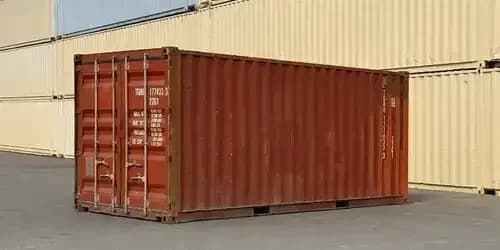
Budgeting for a container gym should include the container, delivery, site preparation, modifications, climate control, and workout equipment.
Container Purchase
The project starts with the container itself. Pricing depends on size, condition, location, availability, and whether the unit is new, used, refurbished, standard height, or high cube.
Explore Conexwest 20ft shipping containers and used 20ft containers to compare current options.
Essential Modification Expenses
Transforming a shipping container into a functional gym may require doors, windows, vents, insulation, lighting, electrical, flooring, HVAC, and structural reinforcement where needed. Costs vary by design and level of finish.
Common modifications include:
- Custom door and window installations
- Ventilation, fans, vents, or HVAC preparation
- Interior preparation for equipment mounting
- Insulation, wall panels, flooring, and lighting
- Electrical outlets, lighting, and power for gym equipment
For year-round use, insulation and ventilation are especially important. These upgrades can help manage heat, cold, moisture, and equipment wear. Conexwest offers container fabrication options for a range of custom projects.
Gym Equipment
The type and amount of equipment will significantly affect the total cost. A compact setup may focus on free weights, mats, a bike, and resistance training. A more advanced setup may include a folding rack, cable station, full dumbbell set, cardio equipment, mirrors, lighting, and storage systems.
- Basic setup: Dumbbells, kettlebells, mats, resistance bands, a bench, and compact cardio equipment.
- Advanced setup: Folding rack, barbell, bumper plates, wall-mounted storage, cable system, mirrors, mini-split HVAC, lighting, and premium flooring.
Delivery and Setup Costs
Transporting the container and preparing the site adds to the project budget. Costs depend on delivery distance, container size, site access, ground conditions, and placement requirements.
- Delivery: Delivery pricing depends on location, distance, route, access, and equipment required for placement.
- Site preparation and foundation: A level base, gravel pad, concrete slab, blocks, piers, or drainage work may be needed depending on the site and local requirements.
Read More: Best Base Materials for Shipping Containers
Estimated Cost Factors
| Cost Category | What Affects the Price |
|---|---|
| Container | Size, condition, location, availability, standard vs. high cube |
| Delivery | Distance, site access, truck type, delivery route, placement difficulty |
| Site preparation | Gravel pad, concrete slab, blocks, drainage, leveling, foundation needs |
| Modifications | Doors, windows, vents, skylights, insulation, electrical, HVAC, paint |
| Interior buildout | Flooring, wall panels, mirrors, lighting, storage, mounting reinforcement |
| Gym equipment | Strength gear, cardio machines, racks, weights, accessories, mats |
| Permits | Local rules, foundation, electrical, occupancy, commercial use, duration |
Climate Control for a Container Gym
A container gym needs proper ventilation and temperature control to be comfortable. Steel containers can heat up quickly in direct sun and become cold in winter. Moisture can also build up inside without airflow.
Common climate-control upgrades include:
- Insulation for walls and ceiling
- Louvered vents or roof vents
- Exhaust fans or powered ventilation
- Mini-split HVAC system
- Shade structures or exterior coatings
- Moisture-resistant flooring and wall finishes
Read more about shipping container insulation options and how to ventilate shipping containers.
Choose Conexwest for Your Container Gym Project
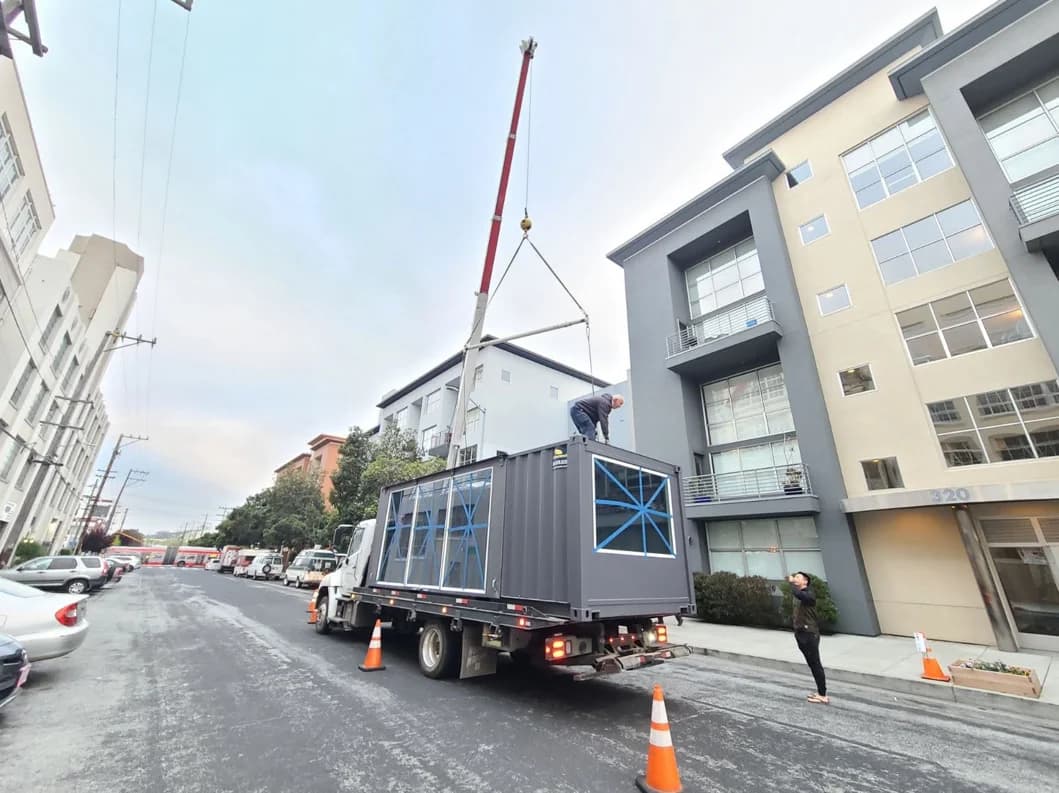
Conexwest provides shipping containers and optional modification services for fitness, storage, business, jobsite, and custom container projects nationwide.
At Conexwest, customers can explore new, used, and refurbished 20ft containers, along with fabrication options that can support gym conversions, offices, workshops, studios, and storage spaces.
Here’s what Conexwest can help with:
- Container selection: Compare 20ft containers, high cube options, and other sizes based on layout, equipment, and site needs.
- Delivery planning: Conexwest can help coordinate shipping container delivery based on site access, placement, and timing.
- Container fabrication: Customers can explore container modification services, including doors, windows, vents, insulation, electrical, HVAC, custom paint, and interior buildout support.
- Project support: Conexwest can help customers compare container options and plan practical modifications for fitness applications.
Was this helpful?
Frequently Asked Questions
Permit requirements vary by location and use. A container gym may require permits if it is permanent, utility-connected, occupied, used commercially, placed on a foundation, or modified. Check with your local building and zoning department before ordering.
Common options include insulation, ventilation, exhaust fans, shade, reflective exterior coatings, and mini-split HVAC systems. The best approach depends on climate, sun exposure, usage, and container buildout.
A basic container can be moved with the right equipment, but a finished gym may be harder to relocate if it has utility connections, foundation work, permanent electrical, decks, cladding, or heavy installed equipment.
Yes. Conexwest supplies and modifies shipping containers for a variety of applications, including gym, office, workshop, storage, and custom projects. The team can help with container selection, modification options, and delivery planning.