
What is the Difference Between ISO Container and Non-ISO Container?
In the shipping container industry, there are two main categories of containers: ISO containers and non-ISO containers. Understanding the difference is important when choosing the right container for shipping, storage, or custom modification projects.
What is an ISO Container?
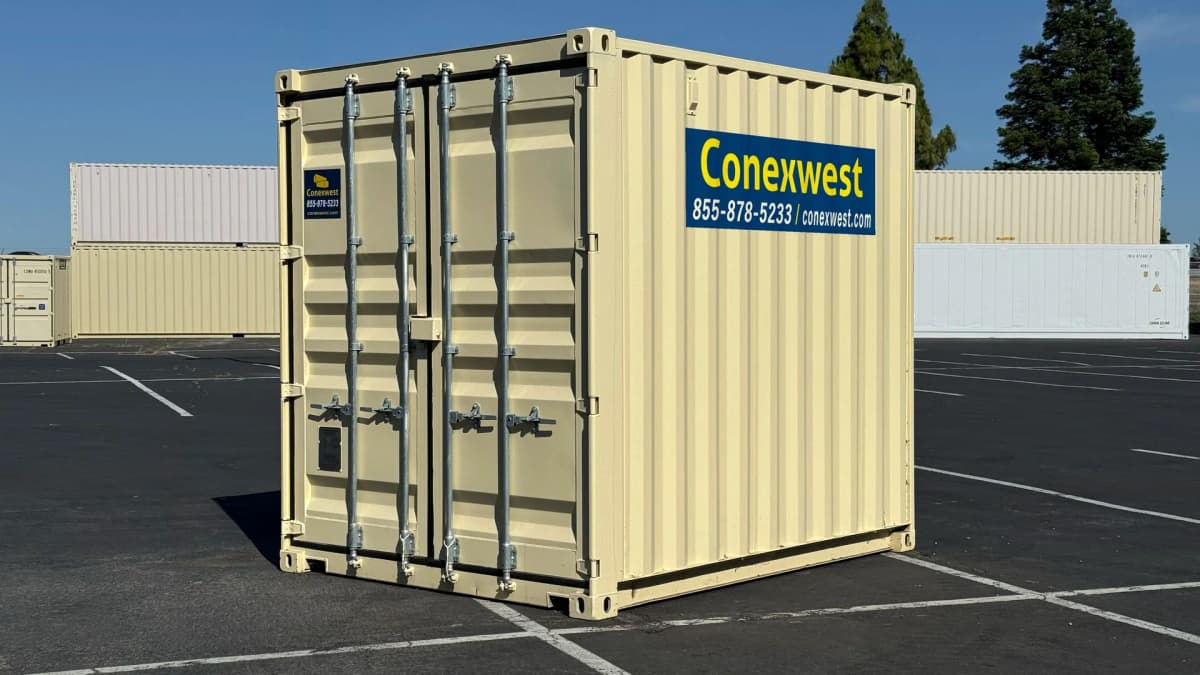
An ISO container is a standardized shipping container built to meet the specifications set by the International Organization for Standardization (ISO). These standards cover:
- Dimensions (length, width, height)
- Structural integrity and strength
- Corner castings for secure stacking and locking
- Safety and weatherproofing
ISO containers are designed for intermodal transport, meaning they can seamlessly move between ships, trains, and trucks anywhere in the world without needing adjustments. They are essential for international shipping and comply with global freight handling systems.
What is a Non-ISO Container?
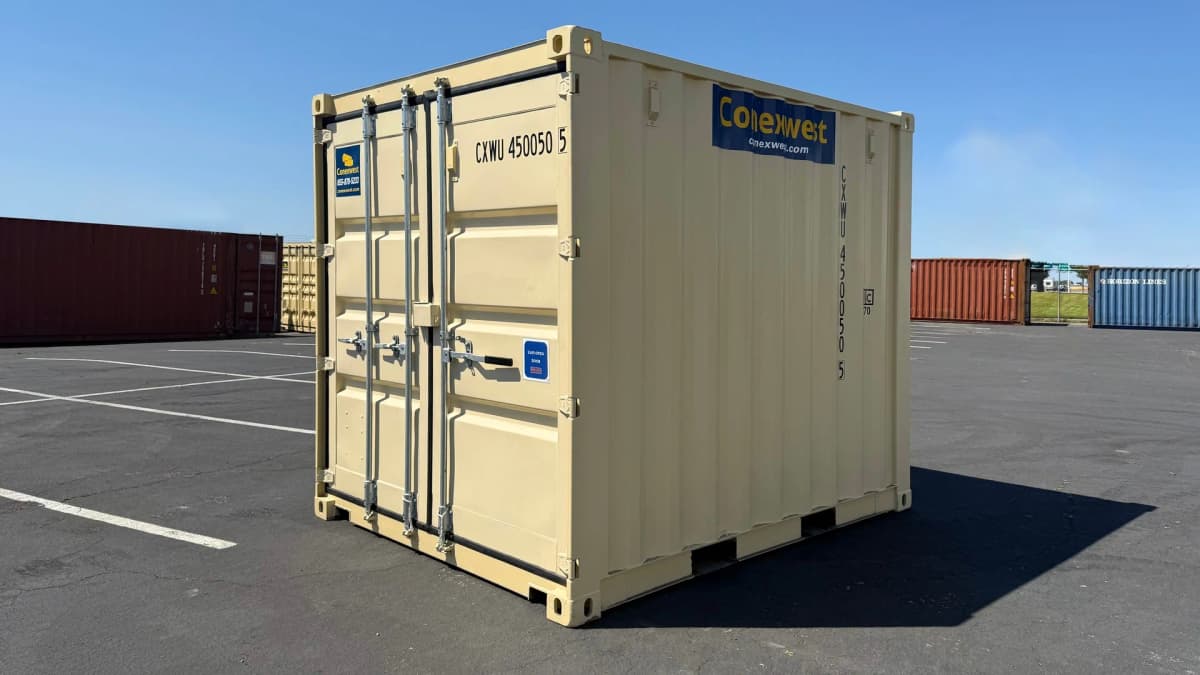
A non-ISO container is a custom-built or modified container that does not meet ISO specifications. These containers are often created for specialized purposes or static use, such as:
- On-site storage units
- Portable offices or workshops
- Event structures and kiosks
- Pop-up shops
- Industry-specific solutions (oilfield, mining, construction)
Because they may vary in size and structure, non-ISO containers are not always compatible with standard intermodal transport systems. They may lack standard corner castings, have unique door placements, or be built from scratch rather than repurposed ISO units.
Key Differences Between ISO and Non-ISO Containers
- Standardization
- ISO Containers – Built to meet strict ISO 668 standards, ensuring universal size, strength, and durability.
- Non-ISO Containers – No standardization; dimensions and design vary based on custom requirements.
- Interoperability
- ISO Containers – Fully compatible with international shipping systems, allowing smooth transfer between ships, trains, and trucks.
- Non-ISO Containers – May not fit into intermodal transport systems, limiting shipping options.
- Dimensions
- ISO Containers – Available in fixed, standardized sizes such as 10ft, 16ft, 20ft, 24ft, 30ft, and 40ft, in both standard height and High Cube configurations.
- Non-ISO Containers – Can be built in any custom size to meet project-specific needs.
- Handling
- ISO Containers – Designed for lifting, stacking, and locking using standard port and crane equipment.
- Non-ISO Containers – May require special handling methods or custom lifting gear.
- Usage
- ISO Containers – Ideal for global freight shipping, long-term secure storage, and high-volume transport.
- Non-ISO Containers – Best for custom projects such as portable offices, retail spaces, or specialized industrial applications.
How to Choose Between an ISO and a Non-ISO Container
Selecting the right type of container comes down to how you plan to use it, where it will be transported, and whether standardization is essential for your operations.
Choose an ISO container if:
- You need to ship goods internationally or across multiple countries. ISO containers are accepted at ports, rail terminals, and trucking hubs worldwide without additional approvals.
- Your cargo will be moved between different modes of transport, for example, loaded from a ship to a train and then onto a truck. ISO dimensions and fittings ensure the container can be handled anywhere in the world without delays.
- You require high structural integrity and weather resistance for long-term storage in harsh environments, whether on a construction site, at a distribution center, or in a remote location.
Choose a Non-ISO container if:
- You need custom features not found in standard containers, for example, roll-up doors, extra height for oversized machinery, or unique shapes for branding purposes.
- Your project calls for non-standard dimensions, such as a container shorter than 20ft, wider than 8ft, or with an unconventional layout.
- The container will be used for static purposes rather than international shipping, such as a pop-up retail store, portable office, ticket booth, or storage
- You are in an industry that uses specialized modules that don't require ISO certification
Pro tip: While these containers can be built to ISO standards, it’s usually not cost-effective unless international transport is required. Most non-ISO containers are never intended to be shipped overseas or used for cargo transport, so meeting ISO specifications is unnecessary for their intended purpose.
If you plan to transport your container only within a local region and it will never go on an ocean vessel, a non-ISO option can be a more cost-effective and flexible solution for your needs.
At Conexwest, we offer both ISO and non-ISO containers to meet all of our customers’ needs. If you already know what you want, you can easily order your container online through our website with just a few clicks.
If you aren’t sure which container best meets your requirements, our team is here to help! Simply connect with us, and we’ll gladly guide you in making the best choice for your needs.
CONEXWEST
We Build It Better
BUY
RENT ONLINE