
Using a shipping container as a residence is possible, but it requires compliance with more stringent building codes and zoning regulations. You will likely need to obtain a building permit and make sure that the container meets local safety and livability standards.
Tennessee Shipping Container Zoning Laws, Permits & Building Code Requirements
Tennessee Shipping Container Zoning Law, Permit & Building Code Guide
Key Takeaways
- Shipping containers are versatile and can be used for storage, homes, and more, but you need to follow zoning laws and building codes.
- In Tennessee, zoning regulations vary by county, so it's important to check with local authorities before starting your project.
- Permits are required for placing shipping containers on your property, and these must be obtained from local building departments.
- Building codes ensure the safety and structural integrity of your container project.
- We are your one-stop solution for shipping containers all over the US.
Shipping Container Zoning Laws, Permits, & Building Code Requirements In Tennessee
Zoning Laws
Zoning ordinances in Tennessee regulate various aspects such as:
- Building Height and Bulk: Restrictions on how tall buildings can be and how much area they can occupy.
- Setback Requirements: Minimum distances that structures must be from property lines for adequate light, air, and privacy.
- Land Use: Permitted uses within each zone so that incompatible activities are separated (e.g., industrial activities away from residential areas).
- Density Regulations: Limits on the number of units that can be built in a given area to control population density.
Permits
Most municipalities require permits for placing shipping containers on properties. The type of permit needed depends on the intended use of the container:
- Temporary Use Permits: Required for short-term placement, such as during construction or events.
- Building Permits: Necessary if the container is to be converted into a permanent structure or used as a dwelling.
Building Codes
Shipping containers must comply with local building codes, which are based on the International Building Code (IBC) or International Residential Code (IRC). These codes maintain safety standards related to structural integrity, fire safety, plumbing, and electrical systems.
Specific Municipal Examples
In Franklin, shipping containers can be used for temporary storage under strict guidelines:
- Containers must serve an existing principal use.
- They must be located in the rear or side yard with a minimum ten-foot setback from any lot line.
- Temporary storage is limited to a maximum duration of 30 days over five years or during construction periods only.
Read More: New Jersey Shipping Container Zoning Laws, Permits & Building Code Requirements
- Containers cannot be placed in public rights-of-way or interfere with traffic visibility.
- They must maintain at least a ten-foot distance from all structures unless approved by planning authorities.
- Placement in flood-hazard areas is prohibited.
Conexwest, a leader in shipping and storage solutions based in Northern California, offers new, used, and refurbished containers from 10ft to 45ft, with fast delivery within 3–7 days and container fabrication options like adding shelves and locks. We serve over 10,000 customers nationwide, including prestigious clients like the U.S. Navy and Google. As an ISO 9001 and AWS-certified company, we ensure top quality and competitive pricing. |
Tips For Complying With Tennessee’s Regulations
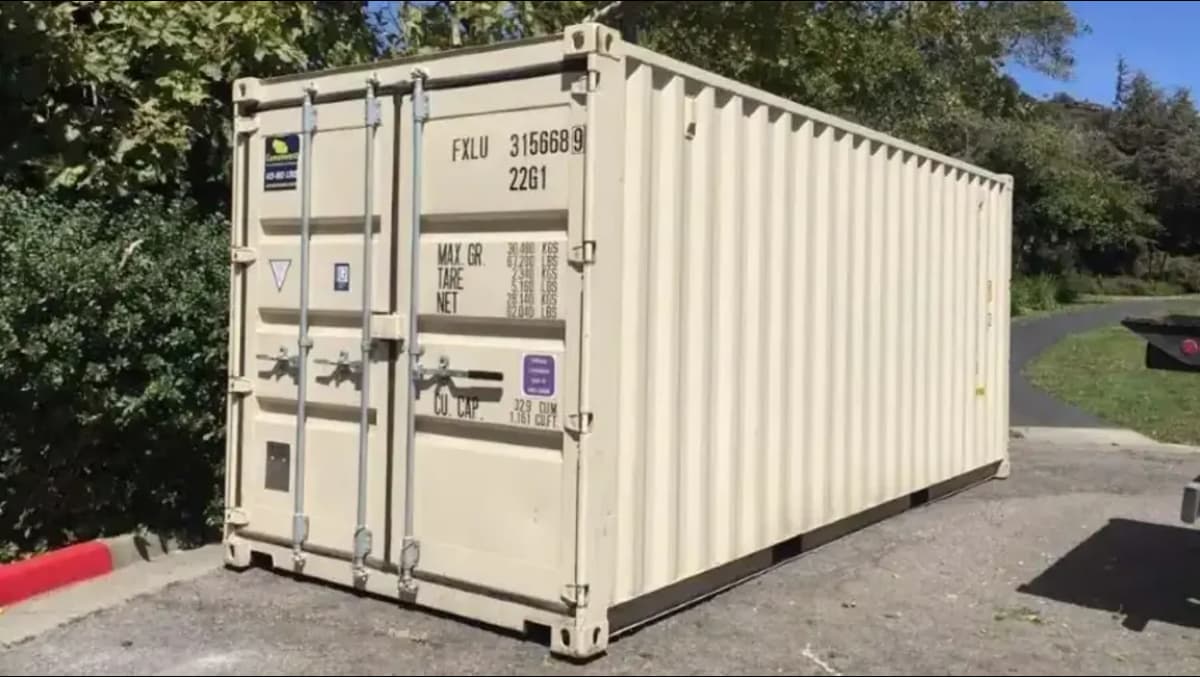
Shipping containers are more strictly bound in residential areas.
- Engage with Local Authorities: Before proceeding, discuss your plans with local planning or zoning departments to maintain compliance and clarify any uncertainties.
- Prepare Documentation: Gather all required documentation, including site plans and usage descriptions, to streamline the permit application process.
- Consider Visibility Concerns: Check that the container placement does not obstruct views or violate any aesthetic guidelines set by local authorities.
- Inspect Containers: Before purchasing a shipping container, inspect it for structural soundness and compliance with safety standards.
- Prepare a Suitable Foundation: Place containers on a stable surface like concrete or asphalt to meet building code requirements.
- Plan for Utilities: If your container will have plumbing, electrical, or gas connections, obtain separate permits for these installations.
- Check Homeowners Association (HOA) Regulations: If your property is under an HOA jurisdiction, review their rules regarding shipping containers, as they may impose additional restrictions or require specific approvals.
- Document Everything: Maintain detailed records of all communications with local authorities and any permits obtained. This documentation can be important if disputes arise later.
- Consider Professional Help: Our experts can help you comply with the local laws of Tennessee so you can use your container with peace of mind.
Read More: Michigan Shipping Container Zoning Laws, Permits & Building Code Requirements
Why Choose Conexwest For All Your Shipping Container Needs
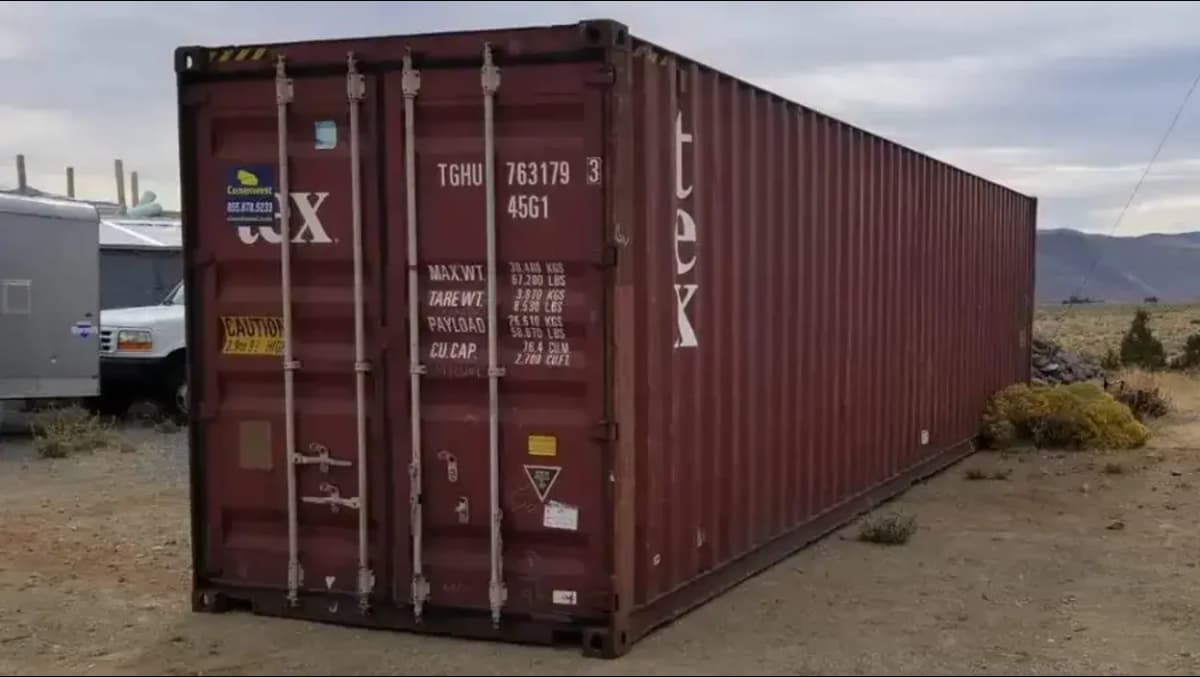
We understand Tennessee’s shipping container laws to help you with it.
- Extensive Selection of Containers: We provide a wide variety of shipping containers including standard, insulated, refrigerated, or modified units ranging from 10' to 45' in size. These containers are built to handle harsh conditions while keeping your belongings secure.
- Custom Fabrication Services: Our customization options include adding windows, HVAC systems, electrical wiring, and specialty doors. And, with skilled technicians at our fabrication shops across the country, your projects are done with precision and quality.
- Expert Guidance on Regulations: If you’re dealing with Tennessee’s regulations or any other local requirements, we provide the support you need to make sure your project complies with all necessary guidelines. This saves you time and effort and makes the process much smoother for you.
- Reliable Delivery Services: When it’s time for your container to arrive, we coordinate every detail with you, providing a two-hour arrival window so you can plan your day without any last-minute surprises.
- Transparent Pricing: Budgeting is easier when costs are clear. That’s why we provide all-inclusive pricing with no hidden fees.
Ready to learn more about how we can meet your shipping container needs? Contact us at (855) 878-5233, email quote@conexwest.com, or fill out the form in the link below. Our team is here to assist you every step of the way.
Was this helpful?
Frequently Asked Questions
Several factors can affect permit approval, including:
- The location of the container on your property
- The intended use (temporary vs. permanent)
- Compliance with local zoning regulations
- Any applicable homeowners' association (HOA) rules
The time it takes to obtain a permit can vary significantly based on your local government’s processing times and the complexity of your application. Generally, it may take several days to process.
If you have further questions or need clarification regarding shipping container laws in Tennessee, it's best to consult your local planning or zoning department.
We deliver containers nationwide across the United States. Simply include a delivery option when purchasing a container from us and we will handle the logistics.