
Shipping containers cannot be placed on boulevards, streets, sidewalks, or alleys. They must also comply with setback requirements and cannot straddle lot lines.
South Carolina Building Code Requirements for Shipping Container Homes and Permits
South Carolina Shipping Container Zoning Law, Permit & Building Code Guide
Key Takeaways
- Zoning laws vary by location; check if your land is zoned for residential use and allows container homes.
- Permits are required for building container homes, and the process involves several steps, including submitting detailed plans.
- Building codes help maintain safety and structural integrity; consult the professionals for compliance.
- Work with local authorities to understand your local zoning laws and other requirements.
- We at Conexwest take care of all your shipping container needs: purchasing, renting, customization, and delivery.
Shipping Container Zoning Laws, Permits, & Building Code Requirements In South Carolina
General Zoning Requirements
- Residential Use: Shipping containers must be located on land zoned for residential use. Some areas may specifically allow container homes, while others may not recognize them as permitted dwellings.
- Commercial Use: Containers can be used for storage or as temporary structures on commercial properties, but permanent installations typically require a zoning permit.
- Setback Requirements: Most municipalities have specific setback requirements that dictate how far structures must be from property lines.
Permits
- Building Permit: This document is mandated for any permanent structure, including container homes. This helps maintain compliance with local building codes and safety standards.
- Zoning Permit: Verify that the proposed use of the container aligns with local zoning laws.
- Temporary Use Permit: This permit may be needed for short-term placements or if the container is used for construction.
Read More: Are Shipping Containers Fireproof?
Building Code Requirements
Building codes in South Carolina are based on the International Residential Code (IRC) and International Building Code (IBC), which outline safety and structural integrity standards. Some key considerations include:
- Structural Integrity: Containers must be reinforced if modifications (e.g., windows, doors) are made—to maintain their load-bearing capacity.
- Utilities: If the container home includes plumbing or electrical systems, separate permits for these utilities are required.
- Energy Efficiency: Compliance with energy efficiency standards is also necessary, which may involve insulation and ventilation considerations.
Conexwest, a leader in shipping and storage solutions based in Northern California, offers new, used, and refurbished containers from 10ft to 45ft, with fast delivery within 3–7 days and container fabrication options like adding shelves and locks. We serve over 10,000 customers nationwide, including prestigious clients like the U.S. Navy and Google. As an ISO 9001 and AWS-certified company, we ensure top quality and competitive pricing. |
Tips For Complying With South Carolina Regulations
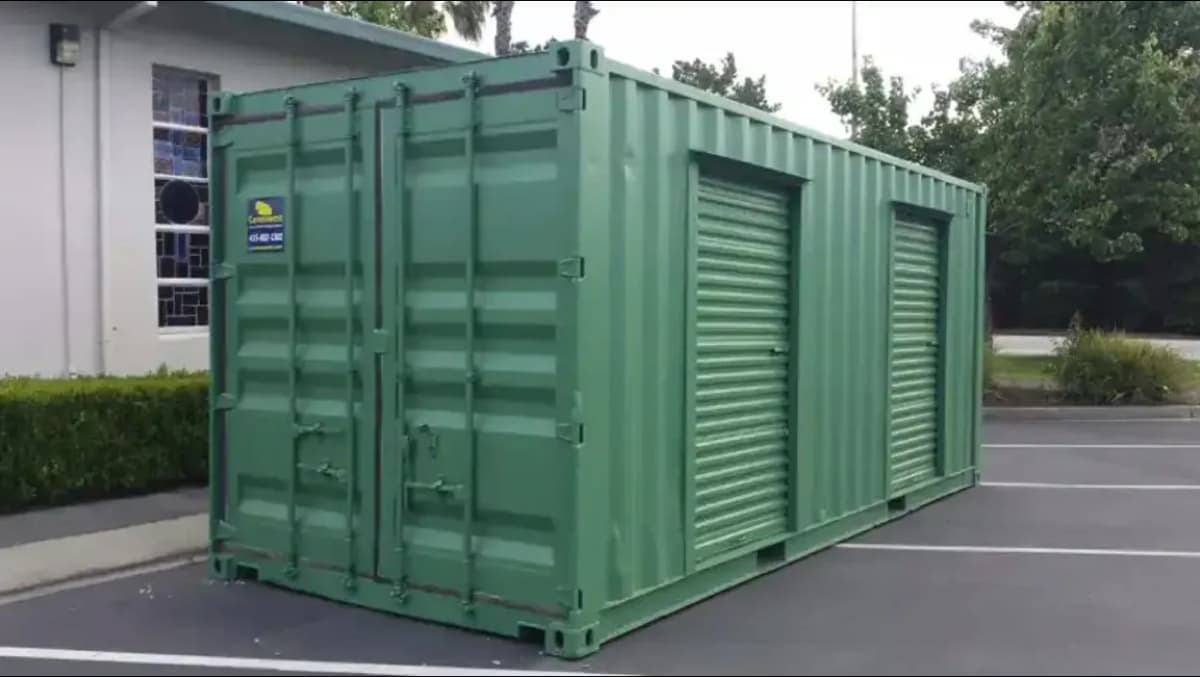
The color of a shipping container matters because of aesthetic requirements in some areas.
1. Research Local Zoning Laws
- Understand Zoning Classifications: Know if your property is zoned for residential, commercial, or mixed-use purposes. Different zones have distinct rules regarding the use of shipping containers.
- Consult Local Ordinances: Visit your local zoning office or check their website for specific ordinances that might permit or restrict the use of shipping containers, particularly for residential purposes.
2. Prepare Detailed Plans
- Site Plans: Prepare thorough site plans that detail the placement of your container, access points, and utility connections. You will need this documentation when applying for permits.
- Design Considerations: If you're in a neighborhood with strict design rules, such as a historic district, check your container design complies with local aesthetic guidelines.
3. Check for Homeowners Association (HOA) Regulations
- Review HOA Rules: If your property is in a community with HOA restrictions, check their rules for shipping containers. They may have additional restrictions or approval processes.
4. Plan for Inspections
- Schedule Inspections: Be ready for multiple inspections throughout the construction process so that everything meets building codes and safety standards.
- Documentation: Keep copies of all permits, inspection records, and correspondence with local authorities. This helps streamline the process and makes sure you're fully compliant.
5. Maintain Aesthetic Compliance
- Screening Requirements: If necessary, follow local regulations regarding how shipping containers should be screened from public view, such as using landscaping or fencing.
Read More: Shipping Container vs Shed: Which is a Better Storage Solution?
Choose Conexwest For Your Shipping Container Needs

Our specialized containers include soft-top, flat-rack, and mobile office containers.
We have become a trusted name in the shipping container industry because of our exceptional customer service. From standard containers to highly customized units, we cater to diverse needs such as storage, shipping, accommodation, and refrigeration.
What Makes Conexwest the Right Choice
- Wide Selection of Containers: Our inventory includes containers of various sizes (10ft to 45ft) and conditions (new, used, and refurbished) to suit any project.
- Customizations: Need more than a standard container? We can help. From adding windows and doors to insulation and specialized modifications, our fabrication facility is equipped to meet your exact needs.
- Reliable and Timely Delivery: Our logistics team makes sure that your container arrives on time and in perfect condition, ready for use.
- Proven Expertise and Customer Satisfaction: With over 10,000 happy customers, including major corporations and government agencies, we’re proud of our strong reputation for delivering high-quality products and excellent service.
Was this helpful?
Frequently Asked Questions
Yes, many cities impose time limits for the temporary use of shipping containers.
You will need a building permit and possibly a zoning permit, depending on the intended use of the container (residential vs. commercial). Some cities may also require special permits for longer-term placements.
Yes, you can modify your shipping container; however, any modifications must comply with local building codes and may require additional permits. Common modifications include adding windows, doors, or insulation.
To receive a quote, simply submit your details through our web form. Our team will contact you promptly with pricing and options.