
Yes, shipping containers can withstand extreme weather conditions. However, it's important that any modifications, such as windows or doors, are properly sealed to maintain their weather resistance.
Are Shipping Containers Safe To Live In?
Is It Safe to Live in a Shipping Container Home?
Key Takeaways
- Shipping containers are built with durable corten steel which is strong and secure.
- Proper insulation and ventilation are important to maintain a comfortable living environment inside a container.
- Container homes are more cost-effective and environmentally friendly than traditional homes.
- Customizations must comply with local building codes for safety.
- We are your one-stop solution for all your shipping container needs - from supplying containers to converting them into a home.
Are Shipping Containers Safe For Accommodation?
The answer is yes, provided they are properly configured and maintained. Let's look at the factors that contribute to their safety.
Structural Integrity
Shipping containers are made from corten steel, which is durable and resistant to extreme weather, including winds up to 180 mph.
However, modifications such as adding windows or doors can impact the home's original structural integrity. Thus, careful design and reinforcement are essential to maintain safety.
Health and Environmental Concerns
A critical consideration is the container's history: if it was previously used to transport hazardous materials, thorough cleaning and treatment are necessary before converting it into a living space. Failing to do so could lead to health risks from residual chemicals.
Additionally, poor insulation can lead to overheating in hot weather or insufficient heating in colder seasons. And, without proper ventilation, issues like condensation and poor air quality can arise.
Space Limitations
The interior space of a standard shipping container - approximately 8 feet wide - can feel restrictive for residential purposes. While combining multiple containers can expand the living area, this approach increases both costs and design complexity.
Thus, certain structural reinforcements and precise alignment might be needed to make sure the layout remains functional and safe.
Read More: Guide to Build a Shipping Container Home or Apartment
Regulatory Compliance
For safety reasons, shipping container homes need to comply with local building codes, which usually include standards for placement, insulation, ventilation, and structural integrity.
Conexwest, a leader in shipping and storage solutions based in Northern California, offers new, used, and refurbished containers from 10ft to 45ft, with fast delivery within 3–7 days and container fabrication options like adding shelves and locks. We serve over 10,000 customers nationwide, including prestigious clients like the U.S. Navy and Google. As an ISO 9001 and AWS-certified company, we ensure top quality and competitive pricing. |
10 Tips For A Safe Container Home
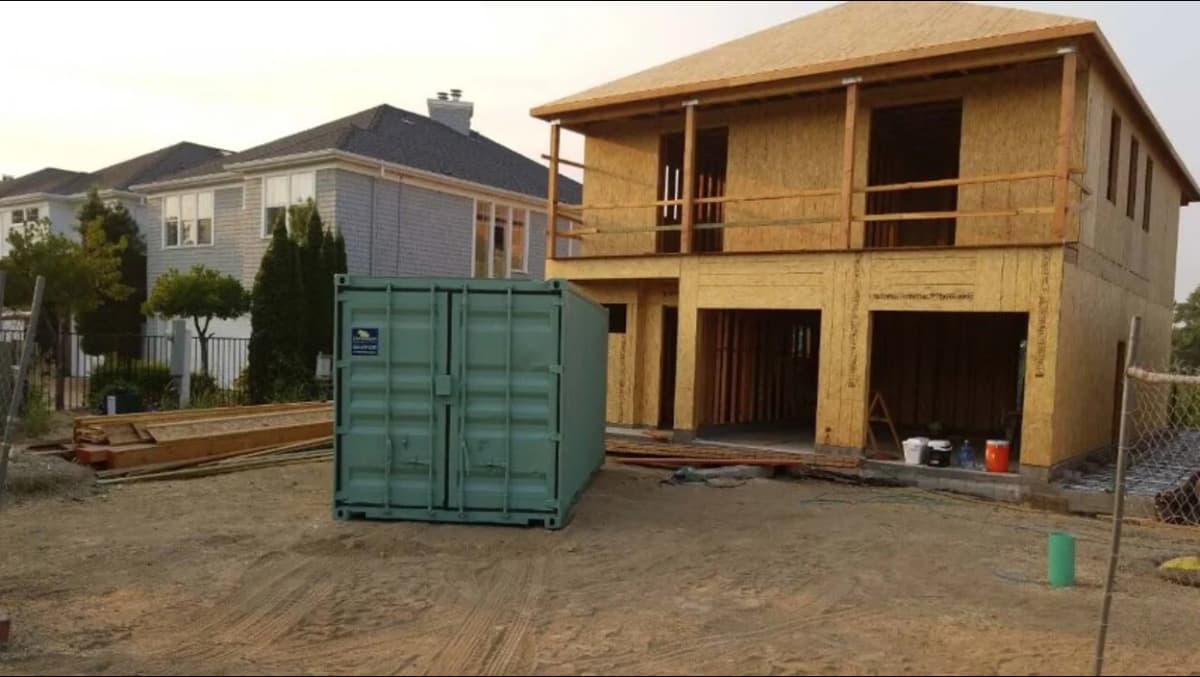
Check the container first before purchasing it.
- Thorough Inspection: Before purchasing or converting a shipping container, carefully inspect it for damage. Look out for rust, cracks, or leaks, especially in corners and joints, as these areas are more prone to structural issues.
- Choose Quality Containers: Opt for new or high-grade used containers to avoid exposure to hazardous materials. Newer containers are less likely to have toxic coatings. Always purchase from trustworthy suppliers like us.
- Remove Hazardous Coatings: If you’re using a pre-owned container, you need to remove any old paint to eliminate potential toxins. Repaint with low-VOC or zero-VOC paints to improve air quality and reduce health risks from harmful fumes.
- Add Proper Ventilation: Install windows and vents to promote airflow inside the container. Adequate ventilation prevents moisture buildup, which reduces the risk of mold and improves air quality.
- Add Insulation: Proper insulation is vital for maintaining a comfortable indoor temperature throughout the year. Materials like spray foam or fiberglass are great options for controlling heat retention and loss.
- Fire Safety Measures: Because steel conducts heat efficiently, it’s important to have a fire evacuation plan in place as an added precaution. So, equip your container home with smoke detectors and fire extinguishers for improved safety.
- Reinforce Structure: Strengthen the walls and roof of the container if needed, especially in areas prone to extreme weather. This boosts durability and also improves insulation and comfort.
- Secure Your Home: Install high-quality locks and security systems to keep your container home safe. Tamper-resistant locks or hidden mechanisms can provide an extra layer of protection.
- Do Regular Maintenance Checks: Periodically inspect your container home for leaks, rust, or pest infestations, especially after bad weather, for the longevity and safety of your living space.
- Test for Toxins: Before beginning the conversion process, hire experts to test for harmful substances like chemical residues or asbestos.
Read More: Guide to Build a Shipping Container Barndominium
Choose Conexwest For All Your Shipping Container Needs
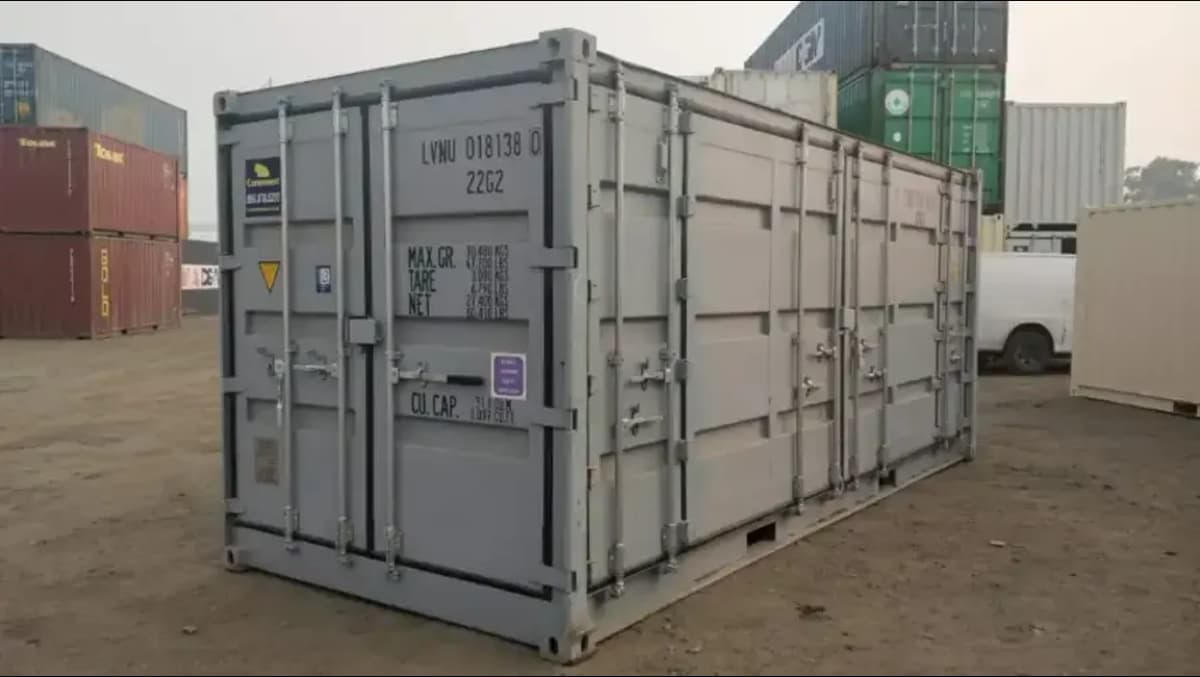
Use refurbished containers for a balance of affordability and quality.
If you're looking to build a shipping container home, we are your go-to source for high-quality containers and services. With a vast inventory of containers in various sizes (10ft to 45ft) and conditions (new, used, and refurbished), we have options for every need and budget.
Plus, you can take advantage of our expertise in container customization to create a home that meets your requirements while maintaining safety and comfort. From installing windows and doors to adding insulation and ventilation, our skilled team can do it all.
So, what are you waiting for? Click the link below, tell us your requirements, and get a free detailed quote for your project with no hidden fees.
Was this helpful?
Frequently Asked Questions
The lifespan of a container home can vary depending on several factors, including the quality of the container, the level of maintenance, and the environmental conditions. Generally, a well-maintained container home can last 25 years or more.
Container homes should ideally be connected to the main water supply and drainage systems. If mains drainage is not available, alternative solutions such as effluent tanks can be used.
While shipping containers are self-supporting and can be placed on various surfaces, it is recommended to have a solid foundation to prevent moisture damage and maintain stability. Options include concrete piers or a full basement depending on your design.