
- Spray Foam: Provides excellent thermal resistance and air sealing.
- Batt Insulation: Made of fiberglass, it's cost-effective and easy to install.
- Panel Insulation: Provides high R-value and is ideal for flat surfaces.
- Reflective Barriers: Useful for reducing radiant heat gain.
Are Shipping Containers Insulated?
Do Shipping Containers Come with Built-In Insulation?
Key Takeaways
- Insulated shipping containers maintain a stable temperature required for transporting temperature-sensitive goods.
- Insulation prevents moisture buildup, which can damage goods and containers.
- Various insulation options are available, including spray foam, fiberglass, and RMAX Thermasheath 3.
- Our extensive fabrication service also covers insulating shipping containers.
Are Shipping Containers Insulated?
Shipping containers are not inherently insulated. However, they can be modified to include various types of insulation like spray foam and fiberglass.
Conexwest, a leader in shipping and storage solutions based in Northern California, offers new, used, and refurbished containers from 10ft to 45ft, with fast delivery within 3–7 days and container fabrication options like adding shelves and locks. We serve over 10,000 customers nationwide, including prestigious clients like the U.S. Navy and Google. As an ISO 9001 and AWS-certified company, we ensure top quality and competitive pricing. |
Why Do Shipping Containers Need Insulation
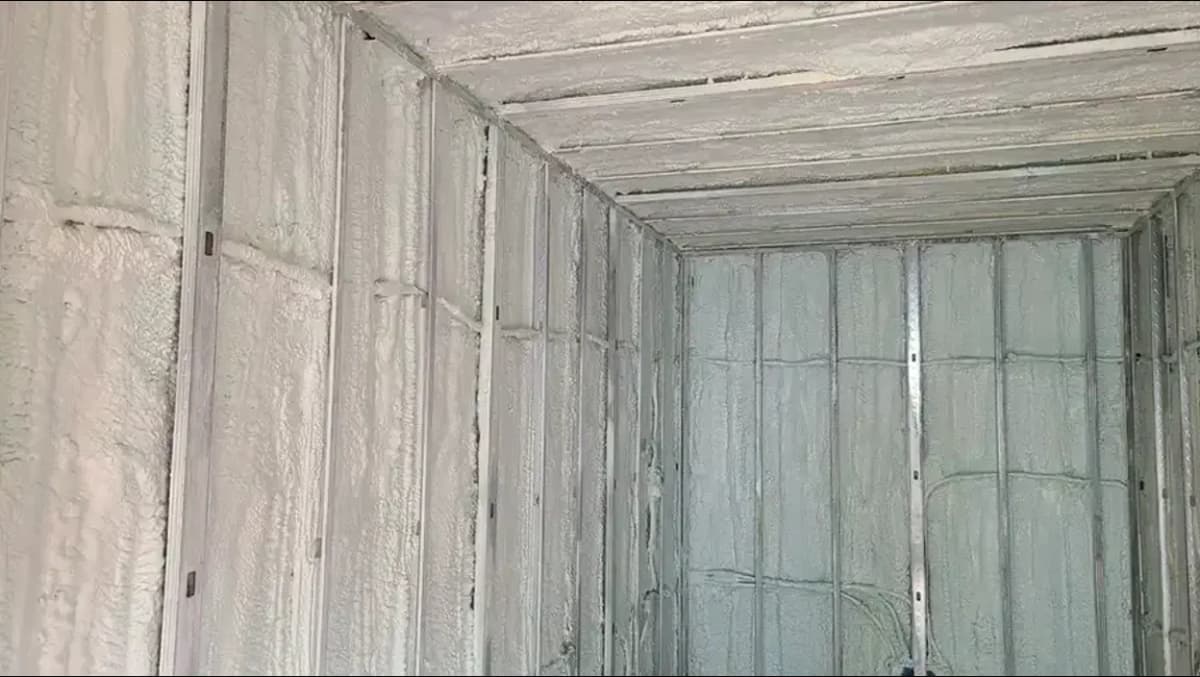
Spray foam is a popular insulation method thanks to its effectiveness.
- Temperature Control: Insulation helps maintain a stable internal temperature to prevent containers from becoming excessively hot in summer or freezing cold in winter.
- Protection for Sensitive Goods: Insulated containers are a preferred option for storing items like food, electronics, and pharmaceuticals that could be damaged by extreme temperatures.
- Condensation Prevention: Proper insulation reduces the likelihood of condensation forming, which helps prevent mold and rust from damaging the container and its contents.
- Energy Efficiency: Insulating a container reduces reliance on heating or cooling systems and saves on energy costs.
- Noise Reduction: Insulation materials can absorb sound to make the interior quieter - an advantage in busy urban or industrial areas.
- Extended Lifespan: By shielding the container from moisture and temperature swings, insulation adds to its durability and thus, lifespan.
- Enhanced Comfort: For containers repurposed as living or working spaces, insulation makes them more comfortable by maintaining a consistent temperature and eliminating drafts.
Read More: The Best Insulation Options for Your Shipping Container
Common Insulation Challenges In Shipping Containers
- Thermal Bridging: The metal structure of shipping containers can transfer heat, reducing the efficiency of insulation. Thus, proper installation is essential to prevent this issue.
- Condensation Issues: Without proper sealing, insulation can trap moisture, leading to problems like mold and rust inside the container. Addressing this issue requires using vapor barriers and airtight seals.
- Material Compatibility: The corrugated surface of containers can make it tricky to fit insulation snugly. Spray foam, which conforms to irregular shapes, is often a popular choice to avoid gaps.
- Space Constraints: Insulating from the inside reduces the interior area, which is especially noticeable in smaller containers. To maintain space, external insulation can be an alternative.
- Cost Considerations: High-quality options, like closed-cell spray foam, come with steep costs due to materials and the need for professional application. However, cheaper options like fiberglass insulation may not provide the same thermal efficiency.
- Aesthetic Limitations: Some insulation materials, such as fiberglass or spray foam, might not be visually appealing and may require additional paneling or drywall to improve the container's interior look.
- Local Climate Adaptation: Insulation needs depend on weather conditions. In cold regions, thicker or higher R-value insulation is essential, while in warmer climates, reflective insulation might be more effective.
- Potential for Settling: Over time, certain types of insulation, like fiberglass batts, may compress or settle, reducing their effectiveness. However, regular inspections and maintenance can help address this issue.
Choose Conexwest For Shipping Container Fabrication
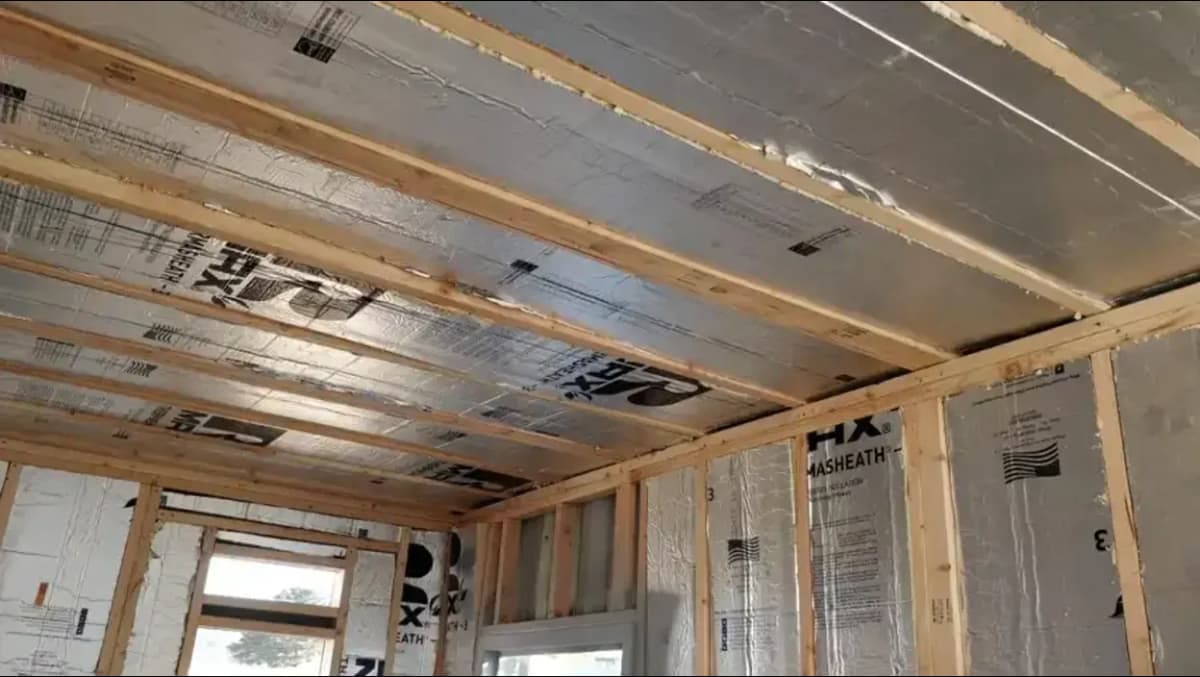
Our fabrication team knows how to insulate a container perfectly.
Conexwest is your go-to destination for all shipping container needs - from providing containers for purchase and rent to delivering them anywhere in the US. Plus, we specialize in transforming standard shipping containers into customized solutions such as offices, residences, and shops.
Why Choose Us for Shipping Container Fabrication
- Comprehensive Customization: Windows, doors, insulation, ventilation, paint, etc. - we can add it all to your shipping containers.
- Expert Team: Our skilled craftsmen are continuously trained in the latest trends and technologies in container modification so that your project is handled with the utmost care and precision.
- Transparent Pricing: We believe in clear and upfront pricing without hidden fees. So, you can easily request quotes for your requirements by clicking the link below.
- Warranty Coverage: Each of our containers (plus its fabrication) comes with a strong warranty - 10 years for new ISO containers and 5 years for used ones.
- Customer-Centric Approach: Our dedicated team is here to assist you at every step - from planning your project to answering any questions you may have about your storage system.
Was this helpful?
Frequently Asked Questions
Yes, insulation can be added to any shipping container, regardless of its size or condition. However, it's important to assess the structural integrity of the container before proceeding with insulation, as any existing damage or weaknesses should be addressed first.
Insulation is important for cargo that is sensitive to temperature changes, such as perishable goods, pharmaceuticals, and chemicals. However, not all cargo requires insulation. For regular items that are not affected by temperature fluctuations, a standard container may suffice.
The lifespan of insulation in a shipping container depends on several factors, including the type of insulation used, the environmental conditions it's exposed to, and the level of maintenance it receives. Generally, high-quality insulation materials can last for decades if properly installed and maintained.
Aside from fabrication, we also provide a wide range of shipping containers, including new, used, and refurbished options in sizes from 10ft to 45ft.