
A shipping container garage can last many years with proper maintenance, placement, drainage, ventilation, rust prevention, and exterior coating care. Lifespan depends on climate, container condition, use, and maintenance.
Shipping Container Garages | Pros, Cons, Costs & Customization
Shipping Container Garages: Pros, Cons, and Pricing
A shipping container garage can be a practical option for storing cars, motorcycles, tools, equipment, parts, lawn gear, or workshop materials. Containers are strong, weather-resistant, lockable, and available in multiple sizes, making them useful for homeowners, farms, contractors, auto shops, and businesses that need secure space without building a traditional garage from the ground up.
Still, a container garage is not the right fit for every vehicle or property. Standard containers are narrow, ventilation may need to be added, insulation may be required for comfort or moisture control, and local zoning or permit rules may apply depending on where the container is placed and how it is used.
This guide explains the pros, cons, costs, size considerations, and modification options for using shipping containers as garages.
Key Takeaways
- Shipping container garages are durable, lockable, and weather-resistant, making them useful for vehicle, tool, and equipment storage.
- A basic container garage can be used with minimal modifications, but roll-up doors, vents, insulation, electrical, and ramps can make it more functional.
- Repurposing containers can reduce the need for new building materials, though the full environmental impact depends on delivery, modifications, coatings, and long-term use.
- Containers can be relocated with the right equipment, but a finished garage with utilities, foundation work, or permanent improvements may be harder to move.
- Conexwest can help with shipping containers, garage-friendly modifications, and delivery planning.
Pros of Using Shipping Containers as Garages
1. Durability
Shipping containers are built from steel and designed to handle transportation, stacking, and outdoor exposure. For garage use, that steel shell provides a strong structure for protecting vehicles, tools, motorcycles, ATVs, parts, and equipment.
Like any outdoor structure, a container garage still needs maintenance. Rust prevention, paint touch-ups, drainage, and proper placement can help extend the useful life of the container.
2. Cost-Effectiveness
A container garage may cost less than a traditional framed garage in some situations, especially when the project is simple and does not require major modifications, utilities, or permanent foundation work. The container already provides the main shell, which can reduce some construction materials and labor.
Costs can increase if the garage needs custom doors, windows, electrical, insulation, ventilation, ramps, foundations, permits, or site work.
3. Faster Setup
A basic shipping container can be delivered and used for storage quickly when the site is prepared. If the container only needs to store tools, parts, motorcycles, or equipment, it may require very little modification.
For vehicle storage, daily access, workshop use, or long-term installation, planning is still important. Door width, ramps, flooring, ventilation, condensation control, and site preparation should be reviewed before delivery.
4. Flexibility and Customization
Shipping containers can be modified for different garage uses. A simple unit may work for tool storage, while a more customized container can support a workshop, motorcycle garage, mobile repair space, storage garage, or equipment room.
Common modifications include roll-up doors, man doors, windows, vents, insulation, shelving, electrical, lighting, ramps, partitions, and security upgrades. Explore Conexwest container fabrication options for custom projects.
5. Reuse and Sustainability
Using a shipping container as a garage can repurpose an existing steel structure and reduce the need for some new construction materials. The sustainability benefit depends on the container’s condition, transportation distance, modifications, insulation, coatings, and how long the garage is used.
6. Relocation Potential
A basic container can be moved with the right truck and equipment, which can be helpful for farms, contractors, temporary sites, or customers who may need to relocate storage later. However, a container garage with electrical, plumbing, a permanent foundation, ramps, decks, or attached structures may be more difficult and expensive to move.
Conexwest offers new, used, and refurbished shipping containers in sizes from 10ft to 45ft, including standard containers, high cube containers, refrigerated containers, insulated containers, mobile office containers, and custom modified containers for storage, business, jobsite, and garage-style applications. |
Cons of Using Shipping Containers as Garages
1. Limited Width and Vehicle Access
Standard shipping containers are about 8 feet wide externally, with less interior width available after walls, doors, and any insulation or finishes. That can make vehicle access tight, especially for larger cars, trucks, SUVs, or vehicles with wide mirrors.
A 20ft container may fit a compact car or motorcycles, while a 40ft container may work better for longer vehicles or combined vehicle and storage use. If you need daily vehicle access, measure your vehicle carefully and consider door width, ramp angle, interior clearance, and walking space.
2. Ventilation Needs
Containers can trap heat and moisture if they are not ventilated. Without airflow, condensation can build up inside and affect tools, vehicle interiors, stored items, and metal surfaces.
Pro Tip: Ventilation can be added during fabrication. Conexwest options include louvered vents, power roof turbine vents, and solar roof vents.
3. Temperature Control
Steel containers can become hot in summer and cold in winter. Ventilation can help, but insulation may be needed if the garage will be used as a workshop, hobby space, or long-term equipment storage area.
Conexwest offers insulation options such as RMAX Thermasheath 3. For more guidance, read our blog on best insulation options for shipping containers.
4. Zoning and Permitting
Depending on your location, a shipping container garage may require zoning approval, a building permit, site approval, foundation review, or other local permissions. Rules can vary based on whether the container is temporary or permanent, residential or commercial, connected to utilities, or used as an accessory structure.
Before ordering, check with your local building department, zoning office, HOA, landlord, or property manager.
Cost of Turning Shipping Containers Into Garages
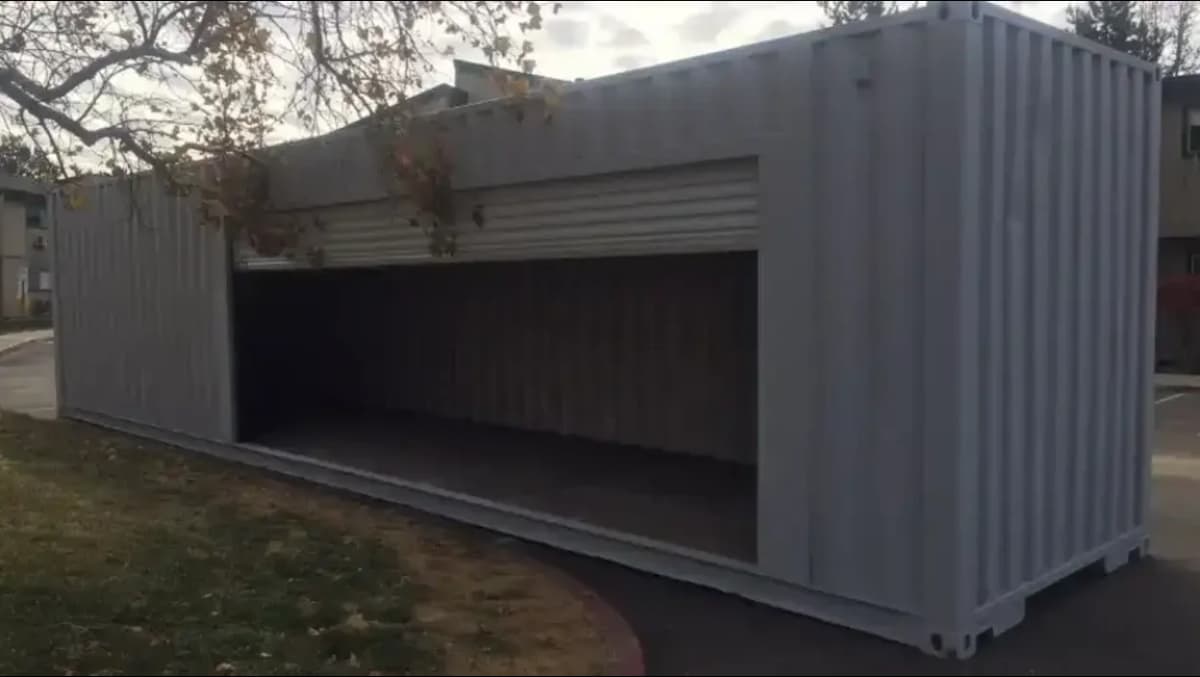
You may not need complex modifications to turn a shipping container into a functional garage, but the final cost depends on the container size, condition, delivery, site preparation, and added features.
1. Container Purchase Costs
Container pricing depends on size, condition, location, inventory, and whether the unit is new, used, refurbished, standard height, or high cube. A 20ft container is often used for smaller garage needs, while a 40ft container provides more length for larger vehicles, motorcycles, tools, and storage.
Compare current options on the shipping containers for sale page, including 20ft containers and 40ft containers.
2. Modification Costs
Modification costs depend on how the garage will be used. A simple storage garage may only need vents, a ramp, and shelving. A more advanced workshop garage may need electrical, lighting, insulation, windows, roll-up doors, HVAC, and interior finishes.
Common garage modifications include:
- Roll-up doors or wider access doors
- Man doors and windows
- Louvered vents or turbine vents
- Interior lighting and electrical outlets
- Shelving and tool storage
- Insulation and interior panels
- Ramps or vehicle access improvements
- Security locks and lock boxes
3. Delivery and Site Preparation
Delivery costs vary by distance, container size, site access, and delivery method. Site preparation may include grading, compacted gravel, concrete pads, blocks, piers, drainage improvements, or vegetation clearing.
A level and stable base helps prevent door alignment issues, moisture problems, and settling. Read more about best base materials for shipping containers and setting shipping containers on blocks.
Estimated Cost Factors
| Cost Factor | What Affects the Price |
|---|---|
| Container size | 20ft, 40ft, high cube, specialty, or custom container options |
| Container condition | New, used, refurbished, cargo-worthy, wind and watertight, or modified |
| Delivery | Distance, access, truck type, placement difficulty, and site conditions |
| Garage access | Roll-up door, ramp, wider opening, or standard cargo doors |
| Ventilation | Louvered vents, roof turbine vents, powered ventilation, or windows |
| Comfort upgrades | Insulation, wall panels, flooring, electrical, lighting, HVAC, or workbench areas |
| Site preparation | Gravel pad, concrete slab, blocks, piers, grading, drainage, or permit requirements |
What Size Container Works Best for a Garage?
The right size depends on the vehicle, how often you need access, and whether you also want tool or equipment storage.
| Container Size | Best For | Notes |
|---|---|---|
| 20ft container | Compact cars, motorcycles, ATVs, tools, and equipment | Tight for daily car access; measure vehicle width and door clearance carefully. |
| 40ft container | Larger vehicles, car plus storage, motorcycles, workshop space | Better for combined storage and garage use. |
| 40ft high cube container | More vertical clearance, workshop builds, equipment storage | Extra height helps when adding insulation, lighting, or overhead storage. |
| Open-side or modified container | Wide access, workshop use, specialty garage layouts | More access flexibility, but modification and structural review may be needed. |
How Conexwest Can Help You With a Shipping Container Garage
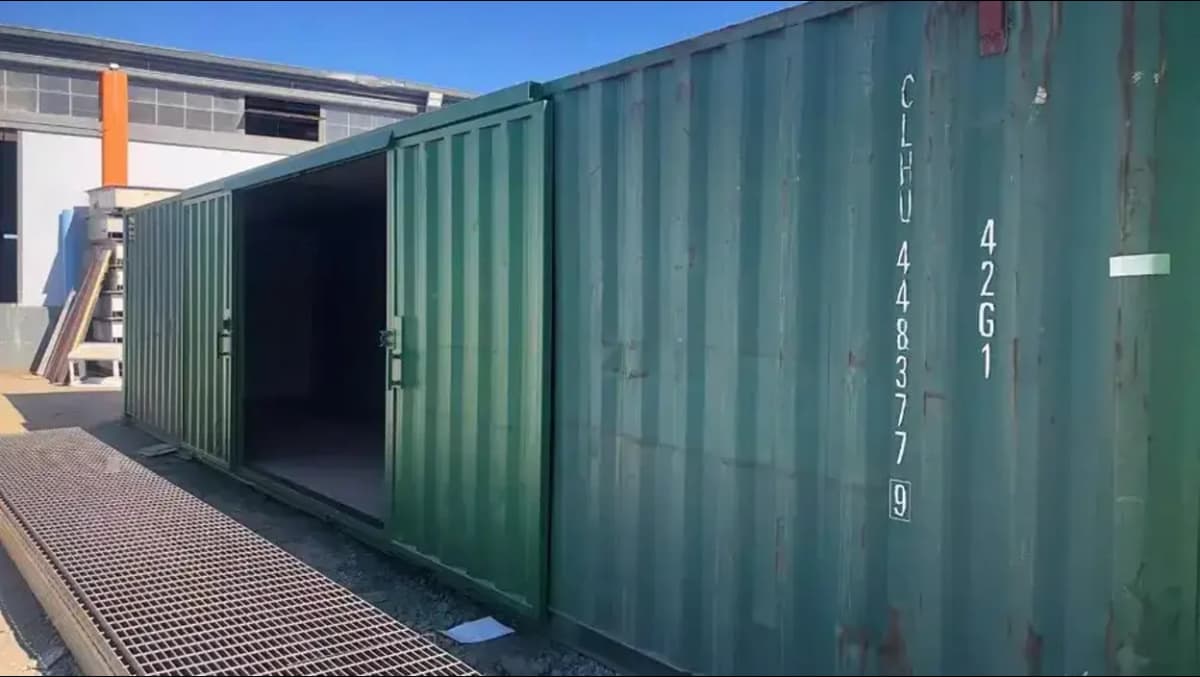
Conexwest supplies and delivers shipping containers across the United States for storage, business, jobsite, and custom garage-style uses.
If you want a shipping container garage, Conexwest can help with container selection, fabrication, and delivery planning.
1. Quality Shipping Containers
Conexwest provides shipping containers in multiple sizes and conditions, including new, used, and refurbished options. Customers can choose from standard containers, high cube containers, insulated containers, refrigerated containers, mobile office containers, and custom modified containers depending on project needs.
2. Custom Fabrication Services
After selecting a container, customers can explore container fabrication options such as doors, windows, shelving, insulation, ventilation, electrical setups, lighting, custom paint, and other garage-friendly modifications.
3. Delivery Support
Conexwest can help coordinate container delivery based on container size, site access, delivery route, ground conditions, and placement requirements. Preparing the site before delivery helps reduce delays and placement issues.
4. Practical Project Guidance
Conexwest can help customers compare container sizes and modification options. For permanent garages, utility connections, occupied workshops, or structures subject to local code, customers should also check with local building officials and qualified professionals.
Was this helpful?
Frequently Asked Questions
Standard shipping containers have limited ventilation and may need added vents, windows, or mechanical ventilation for garage or workshop use. Ventilation helps reduce moisture buildup, heat, odors, and condensation.
Yes, electrical wiring can be installed in a shipping container garage. Electrical work should be completed by a qualified professional and follow applicable local electrical codes and safety requirements.
A standard 20ft shipping container may fit a compact car or motorcycles, but access can be tight. A 40ft container is often more practical for larger vehicles, extra storage, or combined garage and workshop use.
Yes, a roll-up door or other access door can be added to a container garage. Large openings may require reinforcement, so the design should be planned with experienced container fabricators.
Delivery times vary based on location, container type, availability, customization, and delivery conditions. Conexwest coordinates delivery after the order and project details are finalized.