
Shipping Container Rental for Jobsite Needs
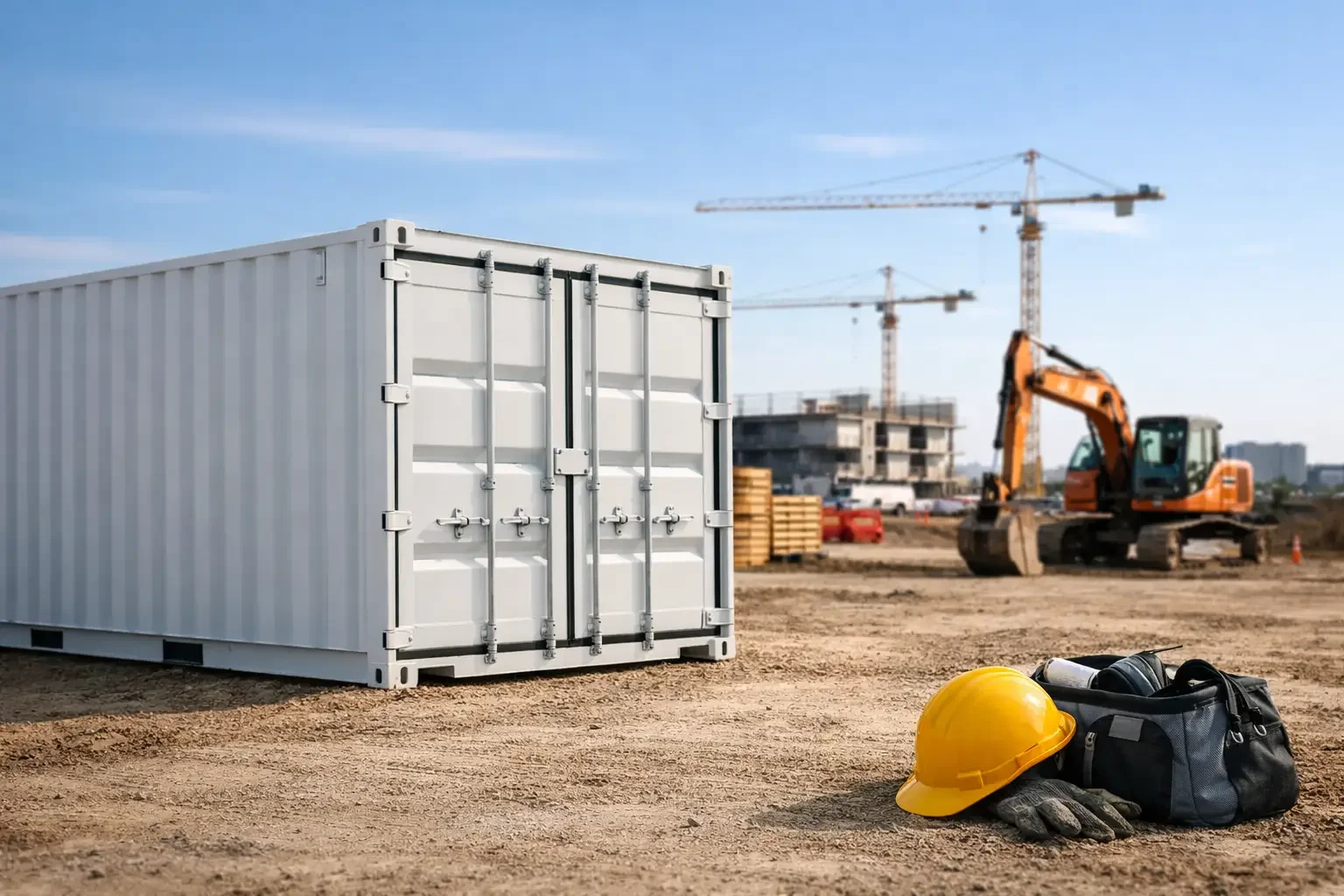
A jobsite can lose hours every week when tools, materials, paperwork, and temperature-sensitive inventory have nowhere reliable to go. A shipping container rental gives operations teams durable, ground-level space without tying up capital in an asset they may only need for a season, project phase, or temporary surge in demand.
The right unit is more than a steel box dropped on a site. Its size, condition, access points, placement, delivery path, and optional modifications all affect whether it works for the crew using it every day. A practical rental plan starts with the operational problem, then matches the container to the site and timeline.
When a Shipping Container Rental Makes Sense
Renting is often the right choice when the need has a defined end date or the project schedule could change. Construction teams may need secure storage from mobilization through closeout. A manufacturer may need overflow space during a facility expansion. A grocery operator may need temporary refrigerated capacity while permanent equipment is being repaired.
A rental also helps when preserving capital matters more than owning another physical asset. Instead of purchasing, maintaining, and later reselling a container, the business can use the equipment for the required term and return it when operations normalize.
Buying can be the stronger long-term choice for companies with ongoing storage requirements, repeated projects in the same region, or plans for extensive custom fabrication. The dividing line is not simply rental cost versus purchase price. Consider how long the unit will remain in use, whether it will move among locations, and how specialized the final configuration needs to be.
Choose the Container Type Before Choosing the Term
A container that is too small creates clutter and unsafe access. One that is oversized can consume valuable staging area and increase delivery complexity. Define what will be stored, who needs access, and how often material will move in and out.
Standard Storage Containers
For tools, packaged materials, equipment, maintenance supplies, and inventory, standard dry containers are the workhorse option. A 20-foot container is often a practical fit for constrained jobsites or moderate storage needs. A 40-foot container provides substantially more capacity for larger equipment, palletized goods, or high-volume material storage.
Container condition should match the application. A wind- and water-tight unit is generally appropriate for secure, weather-resistant storage. If appearance matters for a customer-facing location, campus, or commercial property, a newer or refurbished container may better align with the setting.
High-Cube, Office, and Reefer Options
A high-cube container adds about one foot of interior height compared with a standard-height unit. That additional clearance can make a meaningful difference for tall shelving, bulky components, or work areas where personnel need more headroom.
Ground-level office containers provide a faster path to field workspace than building a temporary room from scratch. Depending on the application, office units can include personnel doors, windows, insulation, HVAC, electrical systems, and interior finishes. They work well for construction supervision, dispatch, security stations, check-in areas, and remote operational offices.
Refrigerated containers, commonly called reefers, serve cold-chain needs that standard storage units cannot. Food and beverage operations, agriculture, healthcare-related logistics, and event teams may use them for controlled-temperature inventory. A reefer rental requires more than a parking spot - confirm the electrical supply, temperature range, operating conditions, and monitoring expectations before delivery.
Plan the Site Before the Container Arrives
The container may be portable, but delivery is still a coordinated logistics event. The site needs a level, stable surface that can support the container and its contents. Compacted gravel, concrete, or a similarly firm prepared area is generally preferable to soft soil that can shift under load.
Access is equally important. Delivery equipment needs adequate width, height clearance, and room to maneuver. Low branches, utility lines, narrow gates, parked vehicles, sharp turns, and muddy approaches can delay placement or require a different delivery plan. Determine where the truck will enter, where it will stage, and which direction the container doors should face.
Door orientation affects daily productivity. Doors facing a material laydown area may speed loading, while doors facing away from public access can improve security. For a container used as an office or a frequently accessed parts room, plan a clear walking path and enough swing space for the doors.
Before scheduling delivery, verify local rules for temporary structures, right-of-way use, fire access, and site placement. Requirements vary by municipality, property owner, and project type. A quick check early in the process is easier than relocating a fully loaded container later.
Configure for the Work, Not for the Wish List
A basic rental container may be all a project needs. For other operations, targeted modifications can reduce handling time, protect inventory, and improve working conditions. The goal is to select features that solve a specific operational issue rather than adding options that do not earn their cost.
Personnel doors can eliminate the need to open heavy cargo doors for routine entry. Roll-up doors support frequent access for carts, equipment, or retail-style inventory movement. Shelving can improve organization for parts and tools, while lockboxes add another layer of protection for the container's locking mechanism.
For office or specialty applications, insulation, HVAC, lighting, outlets, and windows can turn the unit into functional field infrastructure. These additions may require additional lead time and site utilities, so they should be addressed during quoting rather than after delivery.
Customization creates a trade-off. The more specialized the configuration, the more important it is to align the rental term, site readiness, and return requirements before work begins. A provider that handles container supply, modifications, project quoting, and delivery can simplify that coordination. Conexwest supports that approach across the contiguous United States for standard and configured container requirements.
Understand What Shapes Rental Cost
Monthly rent is only one part of the cost picture. The total project cost can also include delivery, pickup, sales tax where applicable, site access challenges, modifications, electrical setup for reefers, and damage beyond normal wear. Ask for clarity on each item so the budget reflects the complete deployment, not just the monthly rate.
Location matters because available inventory and delivery distance vary by market. Container size, unit type, condition, rental duration, and required features also affect pricing. A standard 20-foot storage unit for a straightforward local delivery is a different scope than a customized office container or refrigerated unit serving a remote project.
Review the rental agreement for minimum term requirements, off-rent procedures, pickup notice periods, and customer responsibilities. Teams should also understand what condition the container needs to be in when returned. Keeping the unit free of unauthorized alterations, excessive debris, and avoidable damage makes off-rent faster and more predictable.
Avoid Delays With a Pre-Delivery Check
A short internal review can prevent many common rental issues. Before confirming the order, make sure the team has addressed these operational details:
- The container type and dimensions match the actual inventory, equipment, or workspace requirement.
- The placement area is level, accessible, and clear of overhead or ground-level obstructions.
- The delivery contact is available on site and authorized to confirm final placement.
- Utility requirements are ready before an office or reefer container is placed.
- Security, access frequency, and door orientation have been considered before the unit is unloaded.
This is especially valuable when the requester, site superintendent, facilities manager, and procurement team are working from different assumptions. A few documented decisions before dispatch keep the rental aligned with how the site will actually operate.
Make the Rental Easy to Use Every Day
Once delivered, assign responsibility for container access, key or lock control, housekeeping, and inspections. Storage units perform best when materials are organized by use frequency, heavy items are placed safely, and aisles remain clear. For a reefer, establish temperature checks and response procedures. For an office, confirm power, HVAC operation, lighting, and safe entry before the team moves in.
A shipping container rental should remove a constraint from the operation, not create another one. Specify the real need, prepare the site, and configure only the features that improve safety, access, or productivity. When the container arrives ready for the work, the team can focus on the project in front of them.