
A shipping container home may offer a strong steel structure, but it is not automatically safe in a tornado. Safety depends on anchoring, foundation design, structural reinforcement, openings, windows, doors, and access to a proper storm shelter or safe room.
Shipping Container Homes vs. Tornadoes: How Safe Are They?
Are Shipping Container Homes Safe in Tornadoes?
Shipping container homes are made from strong steel structures, but that does not automatically make them tornado-proof. A container home’s tornado safety depends on the final design, foundation, anchoring, structural reinforcement, window and door systems, roof connections, local wind requirements, and whether a code-compliant storm shelter or safe room is included.
The most important point is this: a shipping container should not be treated as a substitute for a properly designed tornado safe room. The National Weather Service recommends going to a basement, safe room, or interior room away from windows during a tornado warning. FEMA also provides safe room guidance through FEMA P-361 and ICC 500 standards for tornado and hurricane protection.
This guide explains what makes shipping containers strong, where they have limitations in tornado conditions, and what homeowners should discuss with licensed engineers, contractors, and local building officials before using containers in severe-weather areas.
Key Takeaways
- Shipping containers are made from durable steel, but a container home is not automatically tornado-proof.
- Proper anchoring, foundation design, and engineered reinforcement are critical in high-wind and tornado-prone areas.
- Large openings for doors, windows, and open-plan layouts can reduce structural strength unless properly reinforced.
- For life safety during tornado warnings, homeowners should plan access to a basement, storm shelter, or FEMA/ICC-compliant safe room.
- Conexwest offers container fabrication services for doors, windows, HVAC, insulation, electrical, and custom container modifications.
How Safe Are Shipping Container Homes Against Tornadoes?
Structural Strength and Wind Resistance
Shipping containers are built from weathering steel and are designed to handle heavy loads, stacking forces, transportation stress, and harsh marine environments. That gives them a strong starting structure compared with many lightweight materials.
However, a container used as a home is different from an unmodified freight container. Once walls are cut for windows, doors, large openings, or interior connections, the container’s load path changes. A container home needs engineered reinforcement, proper anchoring, and a foundation designed for the site’s wind and soil conditions.
Instead of relying on a general wind-speed claim, homeowners should ask a licensed structural engineer to design the container home for local wind loads, code requirements, and site exposure. The required design can vary by state, county, terrain, building height, and tornado risk.
Performance in Tornado Conditions
No ordinary home should be described as completely tornado-proof. Even strong structures can be damaged by extreme winds, flying debris, poor anchoring, foundation failure, or a direct tornado strike.
A shipping container home’s performance in a tornado depends on several factors:
- Anchoring: A container that is not properly attached to a foundation can shift, slide, overturn, or become unstable in severe winds.
- Design: Large wall openings, stacked designs, cantilevers, rooftop decks, and wide glass areas need structural review and reinforcement.
- Reinforcement: Steel framing, bracing, headers, columns, and engineered connections can help restore strength after modifications.
- Debris impact: Flying debris is one of the biggest tornado hazards. Windows, doors, vents, and wall openings should be selected with local wind and impact requirements in mind.
- Safe shelter access: A reinforced container home is not the same as a tested tornado safe room. Severe-weather planning should include access to a basement, storm shelter, or compliant safe room.
Limitations and Precautions
- Not completely tornado-proof: A direct or strong tornado can damage or destroy many types of buildings, including container structures.
- Local conditions matter: Wind exposure, soil, foundation type, building height, surrounding terrain, and debris risk can all affect performance.
- Life safety planning matters: If you live in a tornado-prone area, speak with local officials or a qualified professional about storm shelter or safe room options.
Conexwest offers new, used, and refurbished shipping containers in sizes from 10ft to 45ft, including standard containers, high cube containers, insulated containers, refrigerated containers, mobile office containers, and custom modified containers. For residential or storm-prone projects, customers should work with licensed architects, engineers, contractors, and local building officials to confirm structural design and code compliance. |
Ways to Reinforce Shipping Container Homes for Severe Weather
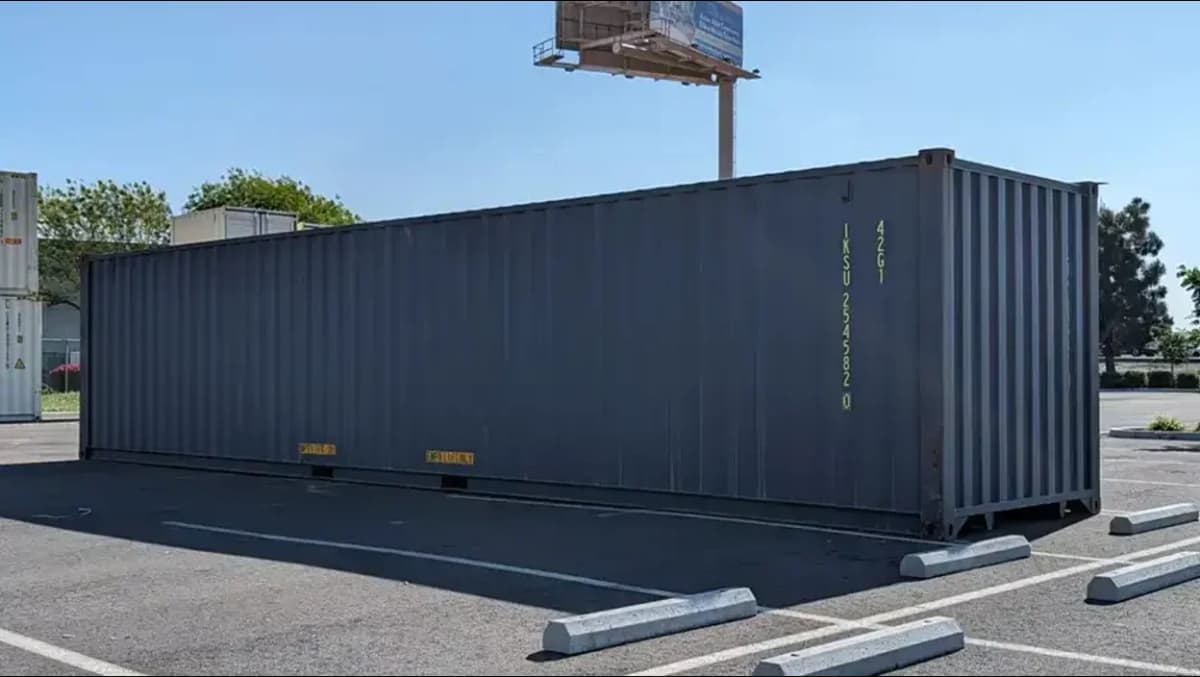
Shipping container homes in tornado-prone areas should be designed with engineered foundations, anchoring, reinforcement, and access to a proper storm shelter or safe room.
Structural Reinforcements
- Steel framing around openings: Large door and window openings should be reinforced with engineered headers, columns, and framing to maintain structural performance.
- Cross-bracing and lateral support: Bracing can help resist lateral forces, especially in stacked, connected, or highly modified container designs.
- Wind-rated doors and windows: Windows, doors, shutters, and glazing should be selected based on local wind exposure, impact risk, and building-code requirements.
- Roof and connection detailing: If the container has added roofing, decks, cladding, or shade structures, those components need secure connections for high winds.
Read More: Shipping Container Homes vs Traditional Homes Cost: Which is Cheaper to Build?
Foundation and Anchoring
- Engineered foundation: A slab, pier, grade beam, or other foundation system should be designed for the site, soil, wind loads, and container configuration.
- Anchoring systems: Twist locks, welded plates, anchor bolts, straps, brackets, or engineered tie-downs may be used depending on the foundation and design.
- Level placement: A level foundation helps prevent container twisting, door misalignment, and uneven load transfer.
Read More: Guide to Setting Shipping Containers on Blocks
Safe Room or Storm Shelter Planning
The safest severe-weather plan is not to rely on the container home itself. In tornado-prone areas, consider a separate storm shelter, basement, or safe room designed to applicable FEMA or ICC standards. A safe room should be reviewed by qualified professionals and installed according to the manufacturer’s instructions and local requirements.
If a safe room is included inside or near a container home, it should be designed as a dedicated shelter system, not just a reinforced closet or container room. Ventilation, emergency access, door hardware, debris impact, anchoring, and occupant capacity all matter.
Ventilation and Emergency Features
- Ventilation: Homes and safe rooms need ventilation appropriate for occupancy, indoor air quality, and emergency use.
- Emergency power and communication: Battery lighting, weather alerts, charged devices, and emergency supplies should be part of the severe-weather plan.
- Simple building form: Lower, simpler building forms may reduce wind exposure compared with tall or complex additions, but the final design still needs engineering review.
What to Avoid When Planning Tornado Safety
- Do not assume the steel shell is enough: A strong container still needs proper anchoring, reinforcement, and code-compliant design.
- Do not make large cuts without engineering: Removing container walls can reduce strength unless reinforcement is added.
- Do not rely on weight alone: Adding weight is not a substitute for an engineered foundation and anchoring system.
- Do not bury a container without engineering: Shipping containers are not designed to resist soil pressure on their side walls without substantial reinforcement. Buried or partially buried designs require specialized engineering.
- Do not skip a shelter plan: During a tornado warning, follow official guidance and move to the safest available shelter location.
How Conexwest Can Help with Shipping Container Projects
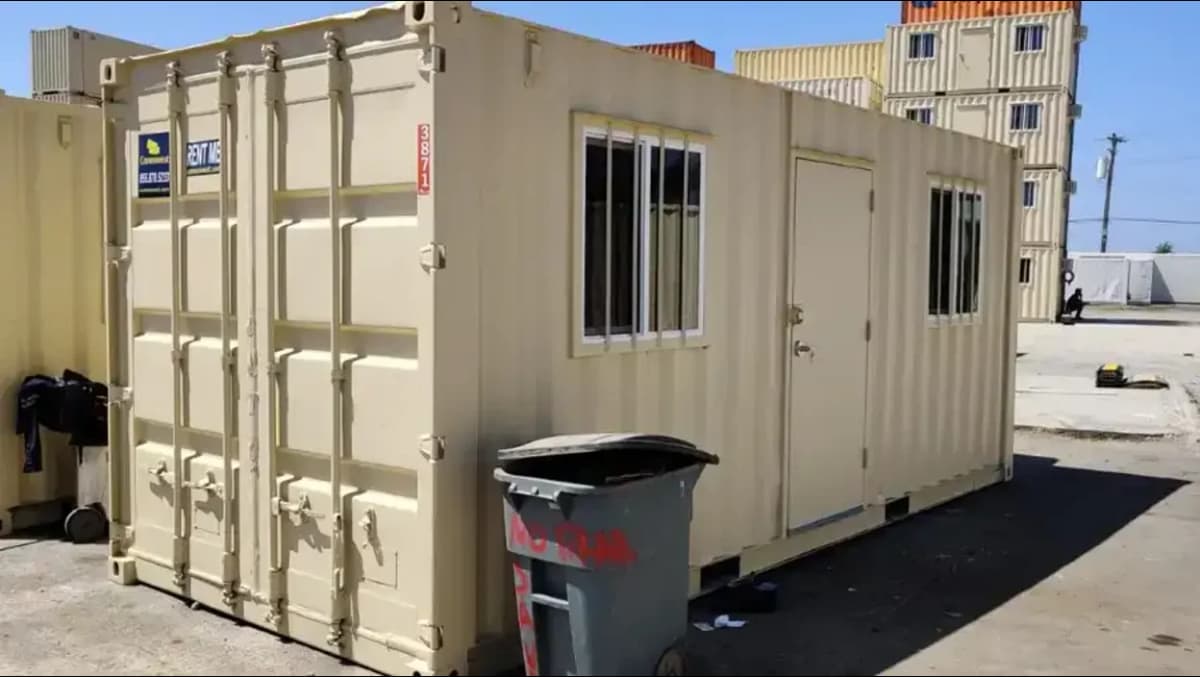
Conexwest offers shipping containers, mobile office containers, and custom fabrication options for storage, business, jobsite, and custom projects.
If you are planning a container home or custom structure in a severe-weather area, Conexwest can help with container selection, modification options, and delivery planning. Residential structural design, tornado safety, shelter planning, and code compliance should be handled with licensed architects, engineers, contractors, and local building officials.
Find the Right Container
Conexwest offers a wide range of shipping containers, including new, used, refurbished, standard, high cube, insulated, refrigerated, and mobile office options. The right container depends on your project, condition requirements, modification needs, and delivery site.
Custom Modifications
Conexwest can modify containers with doors, windows, insulation, electrical, HVAC, shelving, partitions, and other custom features. Any structural openings or severe-weather design requirements should be reviewed by qualified professionals.
Delivery and Placement Support
Container delivery requires planning for truck access, ground conditions, clearance, placement direction, and site preparation. Conexwest can help coordinate delivery based on container size and site requirements.
Quality Assurance and Ongoing Support
Conexwest inspects containers before delivery and supports customers through the container selection, fabrication, and delivery process. For residential container homes, customers should also coordinate with local code professionals and licensed contractors.
```
Was this helpful?
Frequently Asked Questions
Not by default. A shipping container should not be considered a tornado shelter unless it has been specifically engineered, tested, anchored, ventilated, and approved as a storm shelter or safe room under applicable standards.
Anchoring should be designed by a qualified professional based on local wind loads, soil conditions, foundation type, container configuration, and building-code requirements. Common methods may include anchor bolts, welded plates, twist locks, straps, brackets, or engineered tie-down systems.
Do not bury a shipping container without professional engineering. Containers are designed to carry loads through their corner posts, not to resist continuous soil pressure against the side walls and roof. Underground or partially buried shelters require specialized structural design.
A container home can last for many years with proper design, coatings, moisture control, insulation, ventilation, foundation drainage, and maintenance. Lifespan depends on climate, corrosion exposure, construction quality, and upkeep.
Yes. Conexwest provides container modification options such as doors, windows, insulation, electrical, HVAC, shelving, partitions, and custom fabrication. Structural and residential safety requirements should be reviewed by licensed professionals.