
Is a Shipping Container Home Right for Me? Pros and Cons Of Choosing Shipping Container As Your Home
Shipping container homes are no longer just experimental builds or internet curiosities. Over the last decade, they’ve become a real housing option for people interested in modular construction, alternative living, and creative design. You’ll now find container homes used as full-time residences, vacation homes, guest houses, and even small communities.
That said, shipping container homes are often talked about as if they are automatically cheaper, greener, or easier to build than traditional homes. In reality, the benefits depend heavily on the project, location, budget, and expectations of the homeowner.
A shipping container home can be a great fit for the right person but it is not a one-size-fits-all solution. Understanding both the advantages and the drawbacks is essential before deciding if this type of home makes sense for you.
Below is a clear and realistic look at the pros and cons of shipping container homes to help you decide whether this housing option aligns with your goals.
Pros of Shipping Container Homes
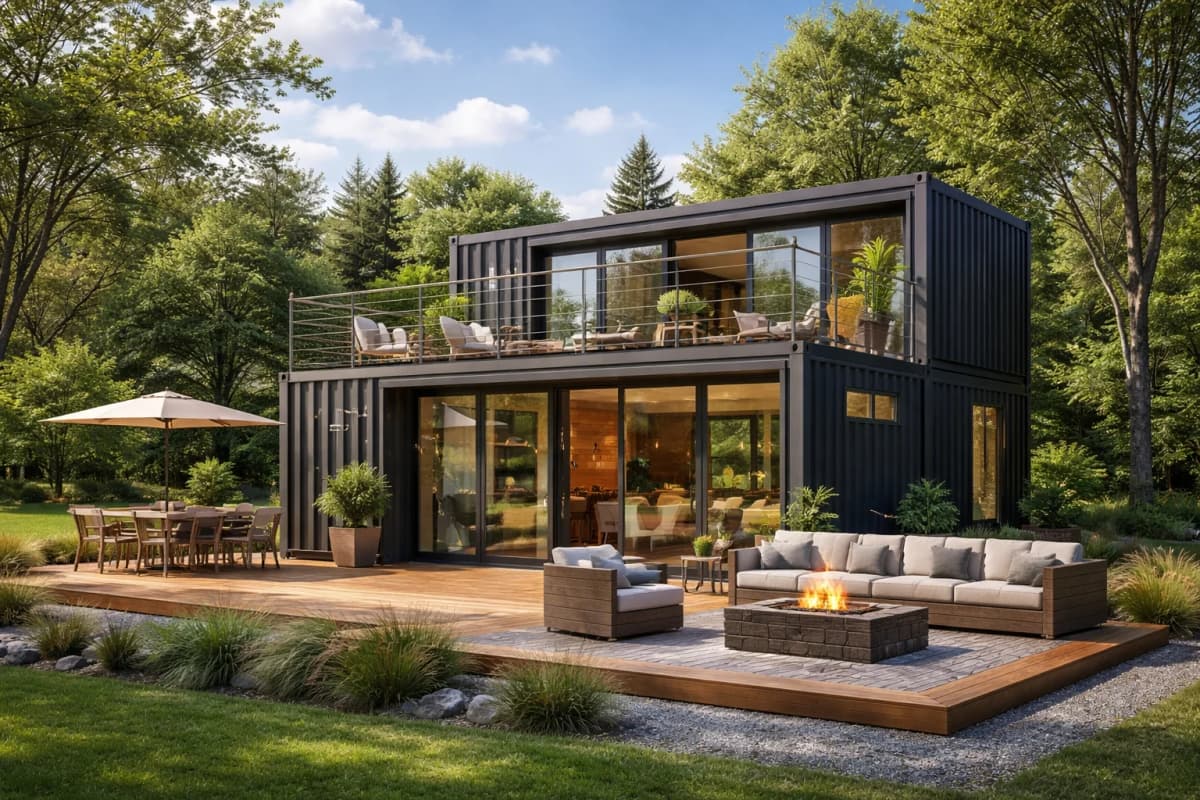
Strong and Durable Structure
Shipping containers are made from heavy-duty steel and designed to survive harsh conditions at sea. When properly modified and maintained, they can offer a solid structural base that holds up well over time.
Modular and Flexible Design
Container homes are naturally modular. You can start small with one container and expand later by adding more. This makes them appealing for phased builds or homeowners who want flexibility in layout and size.
Faster Build Time
Because the container shell already exists, certain projects can move faster than traditional construction especially if much of the work is done off-site. This can reduce overall build time compared to starting from scratch.
Unique Look and Modern Appeal
Many people are drawn to container homes because they look different. Exposed steel, clean lines, and industrial styling appeal to homeowners who want something modern or unconventional.
Reuse of Recycled Materials
Using shipping containers can be a form of material reuse, which appeals to people interested in reducing construction waste. While not automatically “green,” container homes can support sustainable goals when paired with efficient design choices.
Cons of Shipping Container Homes
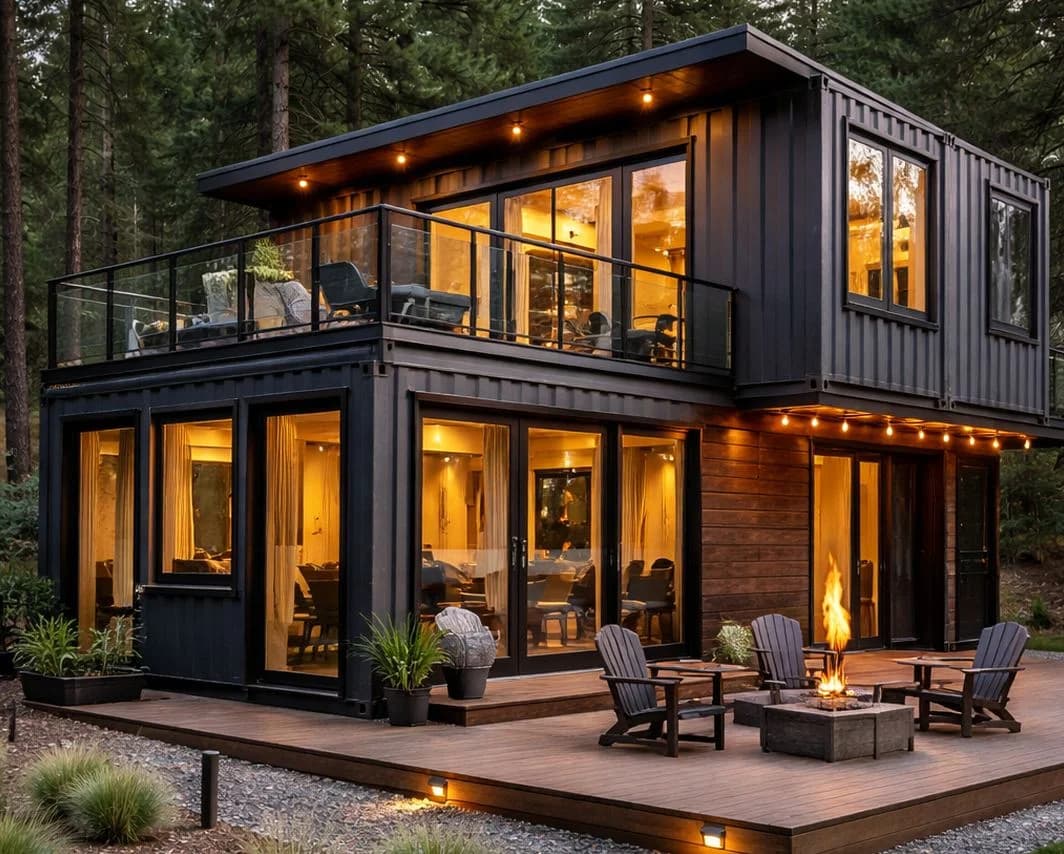
Not Always Cheaper Than Traditional Homes
One of the biggest misconceptions is that container homes are inexpensive by default. Costs for cutting steel, reinforcing walls, insulation, foundations, permits, and skilled labor can add up quickly. In many cases, container homes cost about the same or more than traditional builds.
Zoning and Permitting Challenges
Not all cities or counties allow container homes, or they may have strict rules that make approval difficult. Zoning laws, building codes, and neighborhood restrictions can all affect whether a container home is allowed on a given property.
Insulation and Climate Control Issues
Steel containers conduct heat and cold very efficiently. Without proper insulation and ventilation, container homes can become uncomfortably hot or cold. Solving this properly requires careful design and adds to the overall cost.
Limited Interior Width
Standard shipping containers are narrow. While combining multiple containers can solve this, single-container layouts may feel tight, especially for people used to traditional room sizes.
Structural Modifications Require Expertise
Cutting doors, windows, or large openings into a container affects its structural integrity. These changes must be engineered correctly, which means working with professionals and following building codes—this is not a simple DIY process.
So, Is a Shipping Container Home Right for You?
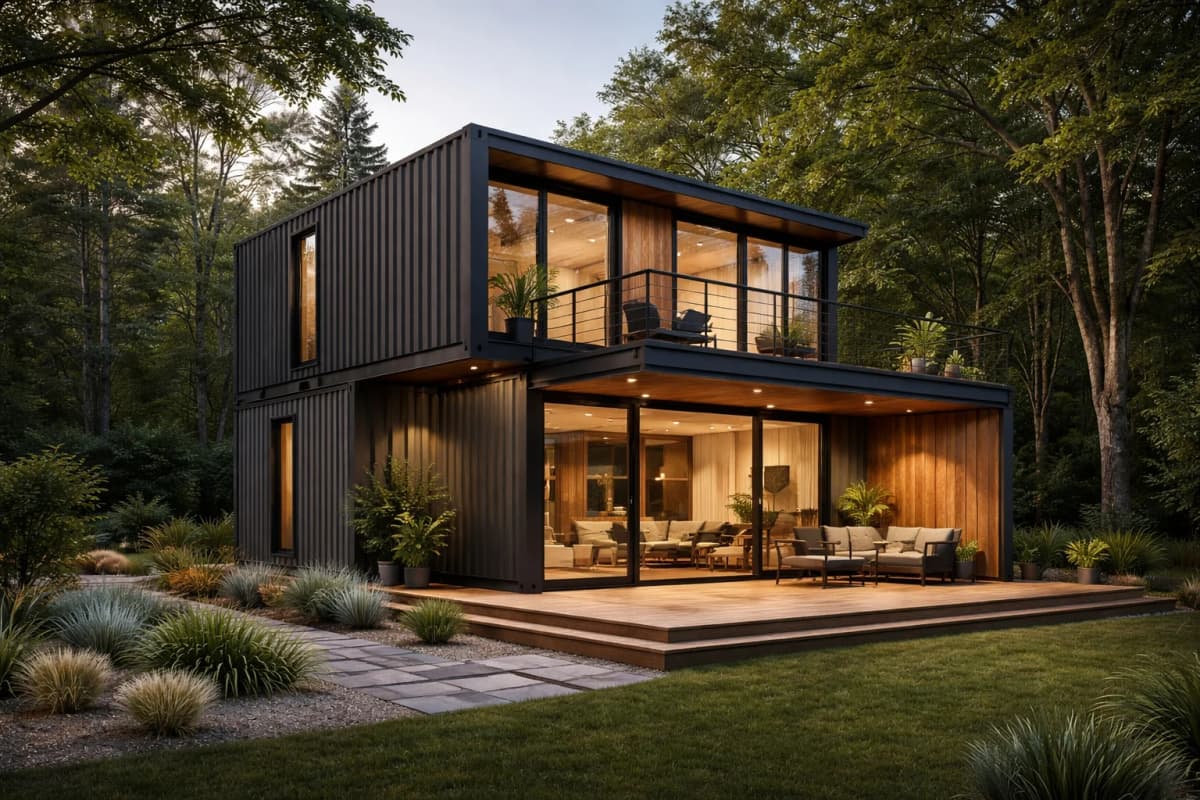
A shipping container home may be a good fit if:
- You value modular design and flexibility
- You are drawn to modern or industrial aesthetics
- You are comfortable navigating permits and planning
- You understand that cost savings are not guaranteed
A container home may not be the best choice if:
- You want a turnkey, conventional building process
- Local regulations strongly restrict container use
- You expect containers to automatically reduce costs
- You prefer traditional layouts without dimensional constraints
Ultimately, shipping container homes are neither a shortcut nor a trend; they are a construction method. When chosen intentionally and planned realistically, they can offer durability, adaptability, and architectural character that traditional housing does not always provide. When chosen for the wrong reasons, they can become costly and complicated.
Understanding the pros and cons upfront is the most important step in deciding whether a shipping container home is right for you.