
Ever heard someone call it a sea can while someone else says Conex Box — and wondered if they're talking about the same thing? They are. Shipping containers go by a dozen different names depending on where you live, what industry you're in, and who taught you the word first. Here's a quick breakdown of every name and where it comes from.
Sea Can vs Conex Box vs C Container: Guide to Shipping Container Names
Sea Can vs Conex Box vs C Container: Shipping Container Name Guide
Ever heard someone call it a sea can while someone else says Conex Box — and wondered if they're talking about the same thing? They are. Shipping containers go by a dozen different names depending on where you live, what industry you're in, and who taught you the word first. Here's a quick breakdown of every name and where it comes from.
Key Takeaways
- "Sea Can" is a common name for shipping containers, derived from their use in ocean transport.
- "Conex Box" originated from military use and refers to standardized shipping containers.
- "C Container" or "C Can" are shorthand terms for shipping containers, similar to Sea Cans.
- Conexwest is a leading supplier of shipping containers in sizes ranging from 10ft to 45ft.
What Is A Sea Can?
A Sea Can is a term predominantly used in Canada to refer to standard shipping containers. The term originated from the containers' primary function of being used for sea transport.
However, despite this name, a Sea Can is no different from any other ISO shipping container in terms of size, build, and design. It’s used interchangeably with other names, but this term is more regionally popular.
What Is A Conex Box?
A Conex Box is a term rooted in the military history of the U.S. Army. It is short for Container Express - a standardized shipping unit initially developed during the Korean War to efficiently transport and distribute supplies.
The military continued to use this name as the container system became more widely adopted. Over time, the Conex Box entered civilian use, especially in the U.S., and has become a widely recognized term for shipping containers.
What Is A C Container Or C Can?
The terms C Container or C Can are informal, shortened versions of "Container." They don’t have a distinct historical origin like "Sea Can" or "Conex Box" but are more of a colloquial expression that has developed over time.
They are usually used in casual conversations, particularly in North America, to refer to the same standardized shipping containers used for storage, transportation, or even converted into homes or offices.
Other Common Shipping Container Names
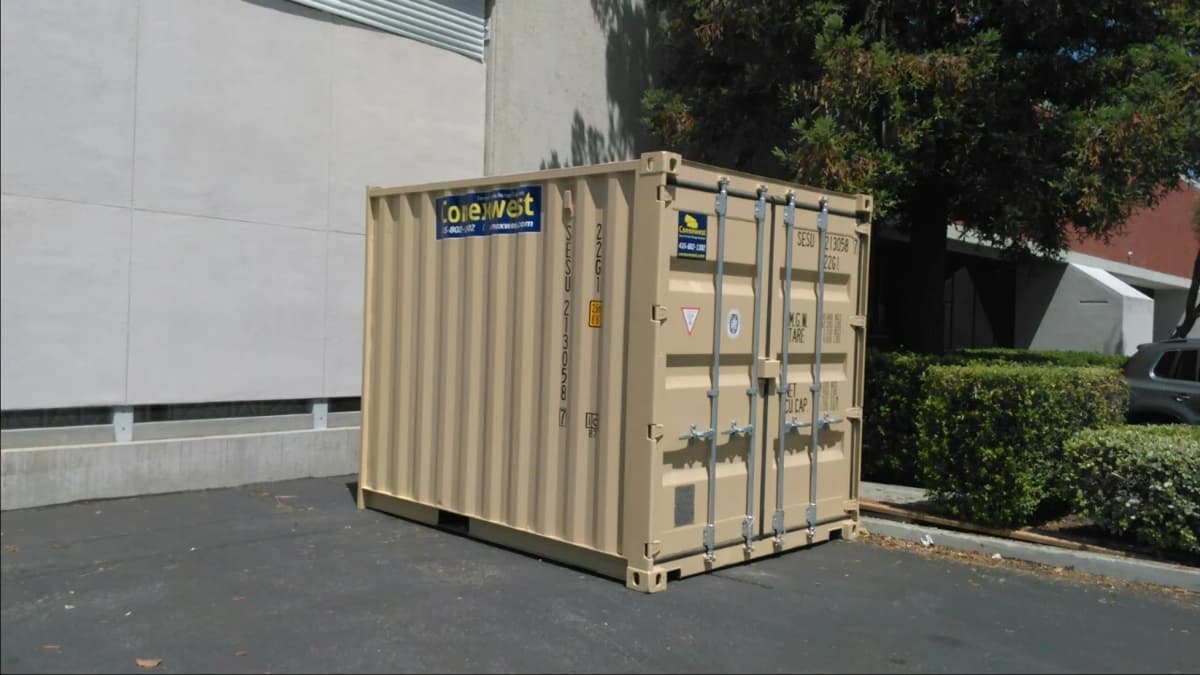
Shipping containers provided by Conexwest are as per ISO standards
- ISO Container: Refers to containers that meet the International Organization for Standardization (ISO) requirements. These containers are standardized in terms of dimensions so they can be used worldwide for intermodal transport.
- Intermodal Container: A term used to emphasize the container's ability to be transported via multiple modes of transportation, including ships, trains, and trucks, without needing to be unloaded and reloaded.
- Cargo Container: Simply another way to describe a shipping container that focuses on its primary use for carrying goods or cargo.
- Storage Container: Refers to a shipping container that is used for on-site storage purposes, often found at construction sites, homes, or businesses for storing equipment or inventory.
- Ocean Container: Another term for a shipping container used primarily for transporting goods by sea. These containers can withstand the harsh conditions of ocean transport, including saltwater, strong winds, and rough seas.
- Sea Bin/C Bin: These are less common terms for shipping containers and are variations of Sea Can and C Container.
Why Are There Different Names For Shipping Containers?
- Historical Origins: Many terms have historical roots. For example, "Conex box" derives from "Container Express" - a logistics model from the 1950s that emphasized standardization in shipping. This term has persisted as a catchall for standardized containers used in intermodal transport.
- Regional Variations: Names can vary significantly by location. In Canada, "C Can" is a colloquial term that has gained popularity, while "Sea Can" emphasizes the maritime nature of these containers.
- Industry Terminology: Different sectors may prefer terms based on their operations. For instance, "ISO container" is commonly used in logistics to denote containers that meet certain standards, while "freight container" is often associated with rail transport.
- Functional Descriptions: Some names describe the container's function or design features. Terms like "dry box" or "cargo container" highlight the container's purpose - transporting dry goods or cargo - which makes it easier for individuals unfamiliar with shipping jargon to understand their use.
Choose Conexwest For Your Shipping Container Needs
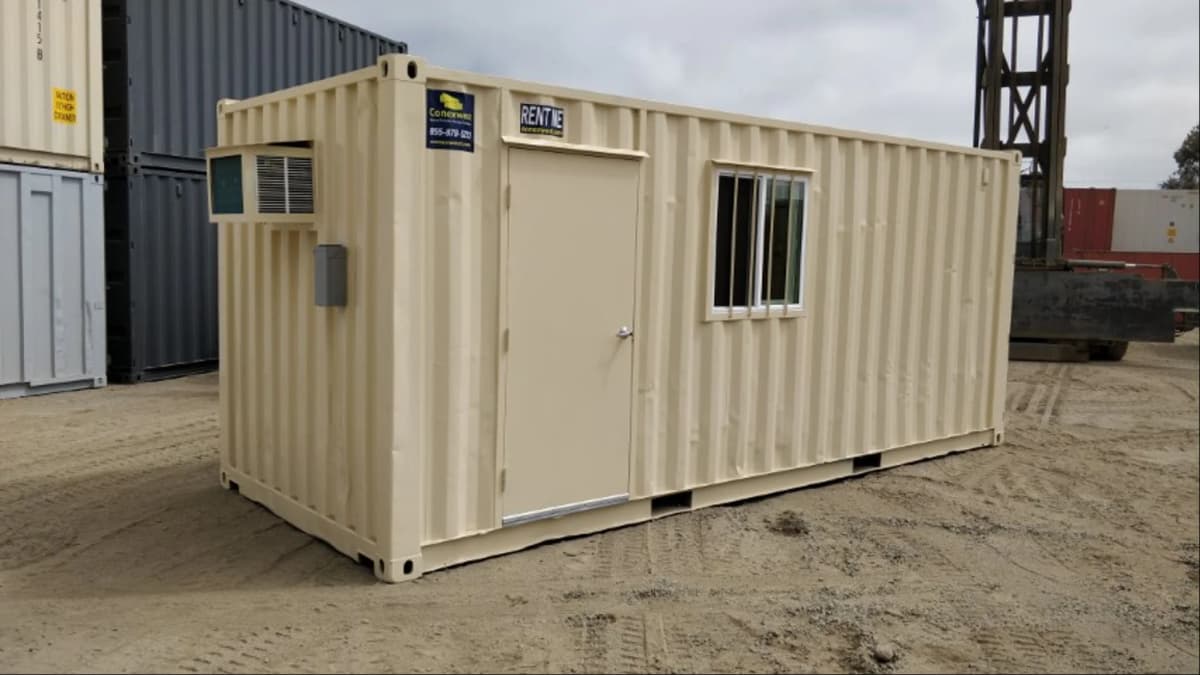
Conexwest’s inventory includes new, used, and refurbished containers to cater to varying budgets
Choosing us for your shipping container needs comes with numerous advantages that set us apart in the industry:
- Extensive Selection of Containers: We have a wide range of shipping containers, including standard, insulated, refrigerated, and mobile office containers. Our containers can withstand harsh conditions so your goods remain secure and protected.
- Customization Options: Our dedicated fabrication shops across the country help us provide quality customization services. So, with us, you can modify your container with features like windows, HVAC systems, electrical power, doors, and much more to adapt it to your requirements.
- Exceptional Customer Service: Our knowledgeable customer service team is ready to assist you at every step - from choosing the right container to providing ongoing support after your purchase.
- Quality Assurance: All our containers undergo rigorous inspections so they meet high standards of quality and safety. We also provide a warranty of 10 years for new containers and 5 years for used cargo-worthy units.
- Versatile Applications: Our containers are suitable for a variety of uses - construction sites, commercial storage, and even portable offices or pop-up shops.
- Sales of Shipping Containers: We have both new and used containers in various sizes.
- Rentals: Short-term and long-term rental options for storage containers.
- Custom Modifications: Customization such as adding windows, doors, HVAC, insulation, and ventilation.
- Delivery Services: Fast delivery options, often within 3-7 days.
- Repair and Maintenance: Services for damaged containers to restore them to usable condition.
- Depot Services: Secure storage solutions for your containers.
Was this helpful?
Frequently Asked Questions
A Sea Can is a term predominantly used in Canada to refer to standard shipping containers. The term originated from the containers' primary function of being used for sea transport.
A Conex Box is a term rooted in the military history of the U.S. Army. It is short for Container Express - a standardized shipping unit initially developed during the Korean War to efficiently transport and distribute supplies.
The terms C Container or C Can are informal, shortened versions of "Container." They don’t have a distinct historical origin like "Sea Can" or "Conex Box" but are more of a colloquial expression that has developed over time.
Shipping containers provided by Conexwest are as per ISO standards
Conexwest’s inventory includes new, used, and refurbished containers to cater to varying budgets
Conexwest’s inventory includes new, used, and refurbished containers to cater to varying budgets