
Land preparation costs for desert container installations typically range from $1,000-$5,000 for basic preparations (clearing, grading, compacted base) to $5,000-$15,000+ for advanced foundations (concrete piers, full slabs, engineered systems). Factors influencing cost include site accessibility, soil conditions, local regulations, foundation type, and scale of the project. Remote locations may incur additional mobilization costs of 15-30% for equipment and materials. For multi-container installations, economies of scale often reduce per-container preparation costs by 20-30%.
Renting Shipping Containers in Desert Areas: Complete Land Preparation Guide
Desert environments present unique challenges for shipping container deployments. This comprehensive guide explores the essential considerations for renting and installing shipping containers in desert areas, with special focus on proper land preparation techniques that ensure stability, longevity, and optimal performance in harsh conditions.
_0.webp&w=1200&q=75)
Understanding Desert Deployment Challenges
Desert environments present several critical challenges for shipping container installations that require specialized preparation and planning. Understanding these factors is essential for successful deployment and long-term performance.
Desert-deployed containers without proper site preparation experience 40% more structural issues and 30% shorter service life compared to properly prepared installations, according to industry field data.
Key Desert Challenges
- Extreme temperature fluctuations (often 30-40°F daily)
- Intense direct sunlight and UV exposure
- Sandy or unstable soil conditions
- Limited access to utilities and water
- Flash flooding and water runoff concerns
- Wind erosion and dust accumulation
- Minimal natural shade opportunities
- Condensation management challenges
Desert-Specific Benefits
- Low humidity reduces rust concerns
- Minimal vegetation management required
- Generally good visibility for security
- Fewer pest/insect concerns
- Year-round accessibility in many regions
- Excellent solar power potential
- Simplified permitting in remote areas
- Lower ground settling in established desert
Essential Land Preparation Steps
Proper land preparation forms the foundation for successful desert container deployments. These critical steps must be completed before container delivery to ensure stability, safety, and optimal performance.
Site Selection and Assessment
The first step in desert container deployment is selecting and evaluating an appropriate site that meets your operational needs while minimizing environmental challenges.
Site assessment reveals that 70% of container installation issues in desert environments stem from inadequate understanding of water flow patterns during rare but intense rainfall events.
Critical Assessment Factors
- Topography and natural drainage patterns
- Soil composition and stability testing
- Seasonal wind patterns and direction
- Flash flood risk zones and history
- Access road quality and maintenance
- Distance to utilities (if needed)
- Natural shade opportunities
- Local zoning and permit requirements
Professional Assessment Tools
- Soil compaction testing equipment
- Topographical mapping software
- Hydrological mapping for water flow
- Weather history data analysis
- Ground penetrating radar (for rocky areas)
- Solar exposure tracking
- Wind velocity measurement
- Access route assessment checklist
Case Study: Mining Operation Remote Storage
A mining company needed secure equipment storage in a remote desert location with these challenges:
- Challenge: Sandy soil with poor stability and seasonal flash flooding
- Solution: Custom elevated foundation system with water diversion channels
- Implementation: Site grading with 2% slope, compacted gravel base, concrete pier foundation
- Results: Survived three major weather events with zero water intrusion or structural impacts
- ROI: Extended container lifespan by an estimated 12+ years in harsh conditions
Ground Preparation Techniques
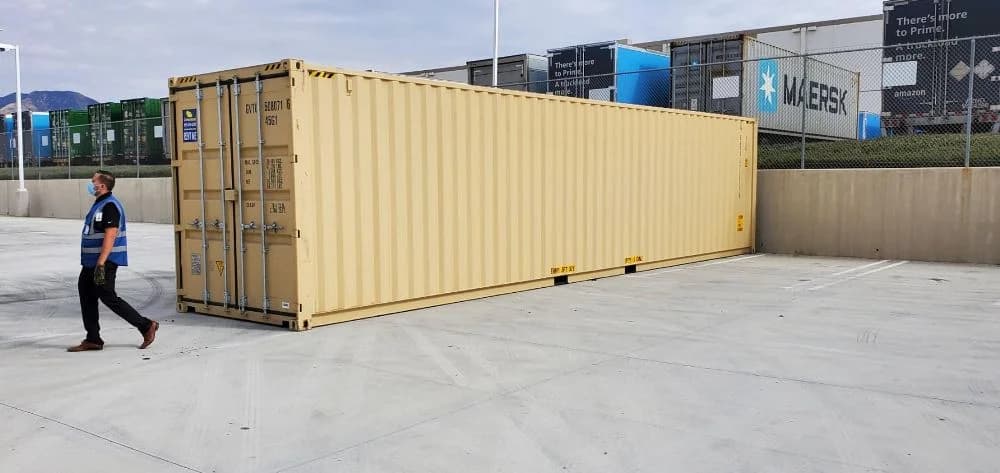
Proper ground preparation is essential for creating a stable foundation for desert container installations. The techniques employed should address the specific soil conditions and environmental factors of your site.
Basic Ground Preparation Steps
- Clear vegetation, rocks, and debris from site
- Establish accurate site measurements and boundaries
- Grade area with 1-2% slope for water runoff
- Compact existing soil to 90%+ density
- Apply geotextile fabric for stability
- Add 4-6" compacted gravel base layer
- Create water diversion channels
- Install access paths for maintenance
Desert-Specific Considerations
- Create wider runoff areas for flash flood protection
- Install heat-reflective ground cover around container
- Position container to minimize sun exposure on doors
- Consider prevailing winds for ventilation alignment
- Install dust barriers for sensitive equipment
- Create shaded maintenance areas
- Plan for seasonal maintenance access
- Document subsurface conditions for future reference
Container sites with proper drainage design experience 85% fewer moisture-related issues, even in desert environments where rainfall is infrequent but often intense.
Foundation Options for Desert Environments
The foundation system you select must balance cost, stability, and long-term performance based on your specific desert conditions and container application.
| Foundation Type | Best For | Installation Time | Cost Range | Lifespan | Key Benefits |
|---|---|---|---|---|---|
| Compacted Gravel Pad | Temporary installations, dry desert | 1-2 days | $ | 3-5 years | Quick, economical, easily removed |
| Concrete Pier System | Sandy soil, long-term use | 3-5 days | $$ | 15-20+ years | Excellent stability, reduced heat transfer |
| Full Concrete Pad | Multiple containers, heavy equipment | 7-14 days | $$$ | 25+ years | Maximum stability, precise leveling |
| Steel Frame System | Rocky terrain, uneven sites | 2-3 days | $$ | 10-15 years | Adaptable to terrain, adjustable height |
| Screw Pile Foundation | Sandy soil, minimal site disruption | 1-2 days | $$ | 15-20 years | Fast installation, excellent load capacity |
Featured Product: Desert-Ready Container Package
Our desert-optimized rental containers include specialized features for harsh environments:
- High-efficiency HVAC system with desert dust filtration
- Reflective roof coating reducing interior temperature by up to 20°F
- Enhanced insulation package for temperature stability
- Solar power options for off-grid operation
- Reinforced door seals to prevent dust infiltration
- Site preparation consultation and foundation recommendations
Climate Management for Desert Containers
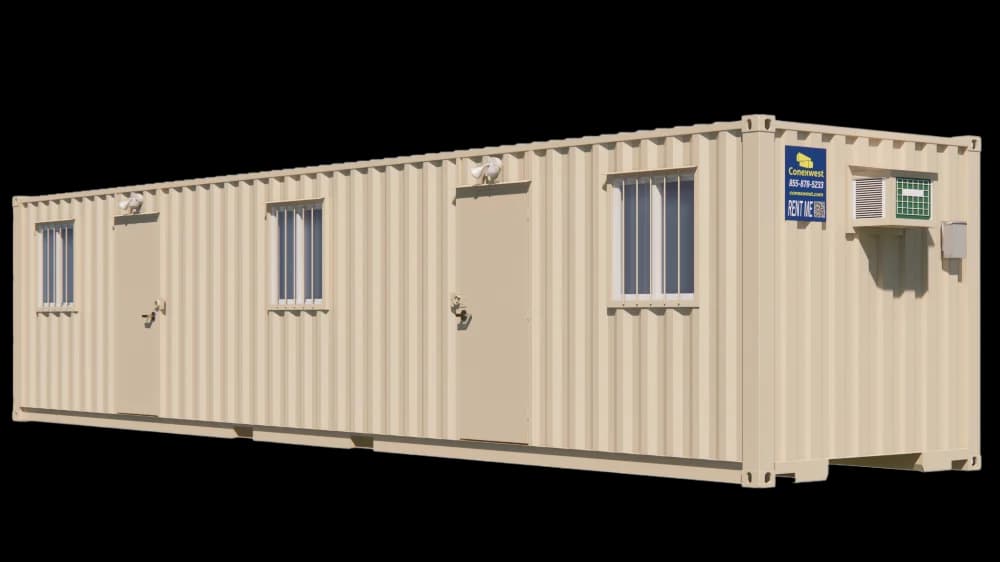
Desert environments present extreme temperature challenges that require specialized climate management strategies to maintain comfortable and functional container spaces.
Unmodified steel containers in desert environments can reach internal temperatures exceeding 150°F during summer months, making proper climate management essential for both occupant safety and equipment protection.
Passive Cooling Strategies
- Strategic container orientation (short ends facing east/west)
- Reflective exterior paint/coating (reduces heat gain by 30-40%)
- Shade structures or awnings over container
- Elevated installation for airflow underneath
- Cross-ventilation window/vent placement
- High-performance insulation (minimum R-19)
- Thermal breaks between exterior and interior walls
- Light-colored surroundings to reduce ambient heat
Active Cooling Systems
- Desert-rated HVAC systems with enhanced filtration
- Mini-split systems with high SEER ratings
- Dual-stage cooling for extreme conditions
- Solar-powered ventilation fans
- Programmable climate control systems
- Dehumidification systems for monsoon seasons
- Redundant cooling for critical applications
- Remote monitoring capabilities
Desert Container Rental Considerations
When renting containers for desert deployment, several key factors should influence your selection process to ensure you receive the right solution for your specific needs.
Key Rental Selection Criteria
- Container age and structural condition
- Door and seal quality for dust prevention
- Ventilation options and locations
- Insulation packages available
- Climate control integration options
- Roof condition and treatment options
- Minimum rental period requirements
- Delivery limitations for remote areas
- Service and maintenance availability
- Relocation options and costs
Essential Rental Questions
- Is the rental rate all-inclusive or are there additional fees?
- What is the replacement policy if issues develop?
- Are site preparation services available?
- What modifications are permitted on rental units?
- Is insurance required and what does it cover?
- What is the service response time for remote locations?
- Are there options to purchase after rental period?
- What is included in delivery and setup?
- Who handles permits and regulations?
- What documentation is provided for compliance?
.webp&w=1200&q=75)
Desert Container Applications
Desert environments offer unique opportunities for specialized container applications that leverage the natural advantages while addressing environmental challenges.
Popular Desert Container Uses
- Remote workforce housing and offices
- Equipment storage with climate control
- Solar farm support infrastructure
- Mining operation support buildings
- Agricultural storage and processing
- Tourism and hospitality facilities
- Research and monitoring stations
- Film and production support
- Off-grid living spaces
- Disaster relief and emergency response
Application-Specific Preparations
Each application requires specialized preparation considerations:
- Housing: Enhanced insulation, HVAC, multiple ventilation points
- Equipment: Climate monitoring, dust sealing, security features
- Offices: Shade structures, ergonomic orientation, connectivity
- Storage: Elevated design, moisture barriers, ventilation control
- Research: Backup power systems, data protection features
- Agricultural: Washdown capabilities, specialized ventilation
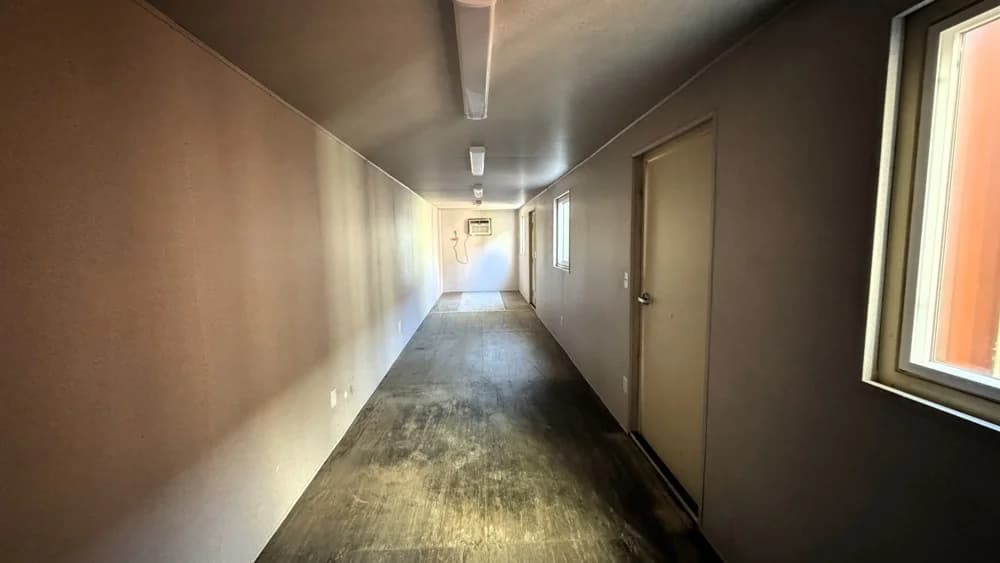
Case Study: Solar Farm Operations Center
A utility-scale solar project in the Mojave Desert required an operations center with these specifications:
- Challenge: Extreme heat, remote location, no grid connection
- Solution: 40ft modified container with complete off-grid capabilities
- Features: Dedicated solar array, advanced insulation, redundant cooling
- Site prep: Elevated steel foundation with heat reflective surroundings
- Results: Maintained 75°F interior temperature despite 115°F ambient conditions
Maintenance Considerations for Desert Containers
Desert environments require specialized maintenance protocols to ensure container longevity and optimal performance through extreme conditions.
Regular Maintenance Schedule
- Monthly: Door mechanism cleaning and lubrication
- Monthly: Air filter inspection and replacement
- Quarterly: Roof inspection and debris removal
- Quarterly: Seal inspection and replacement
- Quarterly: Foundation and drainage inspection
- Bi-annually: HVAC system service and optimization
- Annually: Exterior inspection and touch-up
- Annually: Complete structural assessment
Desert-Specific Maintenance
- Monitor and clear sand/dust accumulation
- Check for UV damage to exterior finishes
- Inspect and maintain shade structures
- Test drainage systems before monsoon season
- Monitor foundation for erosion or settling
- Apply additional UV protection as needed
- Verify ventilation system effectiveness
- Check solar systems and battery storage
Ready to Rent a Container for Your Desert Project?
Our team of experts can help you select the right container and develop a proper site preparation plan for your specific desert conditions. Contact us today for a consultation and quote.
Was this helpful?
Frequently Asked Questions
Basic desert site preparation typically requires 2-5 business days, depending on site conditions and scope. This includes initial clearing, grading, and base preparation. More complex foundations add significant time: concrete pier systems require 5-7 days including curing time, while full concrete pads need 10-14 days to properly cure before container placement. Remote locations may extend timelines by 20-50% due to logistics challenges. Weather conditions, particularly extreme heat, may necessitate adjusted work schedules and extend project timelines during summer months.
Yes, desert environments offer ideal conditions for solar-powered container operations with their abundant sunlight. A properly sized solar system can effectively power lighting, security systems, basic equipment, and limited climate control. For full HVAC operation, larger systems with battery storage are required. Most desert container solar installations include 2-5kW systems with battery storage ranging from 5-15kWh, depending on operational requirements. The ROI for solar implementation typically ranges from 3-7 years compared to generator power, with significantly reduced maintenance requirements.
The primary causes of container failure in desert environments include: 1) Inadequate foundation preparation leading to structural stress, 2) Improper drainage causing flash flood damage, 3) Extreme heat warping doors and affecting seals, 4) UV degradation of exterior coatings and seals, 5) Sand abrasion damaging moving parts and finishes, 6) Wind stress on improperly secured structures, 7) Condensation from extreme temperature fluctuations causing interior corrosion, and 8) Insufficient maintenance allowing small issues to develop into major problems. Proper site preparation and preventative maintenance can eliminate or significantly mitigate most of these failure causes.
Permit requirements vary significantly based on location, intended use, and duration of placement. Remote desert locations on private land often have minimal requirements for temporary storage applications. However, commercial, residential, or public access uses typically require permits even in remote areas. Permanent foundations usually trigger building permit requirements in most jurisdictions. Desert deployments in environmentally sensitive areas may require additional environmental impact assessments. Most container rental companies can provide guidance on local requirements but ultimately compliance responsibility rests with the land owner/container user.
Water requirements for desert site preparation depend on soil conditions and preparation methods. Basic soil compaction typically requires 100-250 gallons per 100 square feet of prepared area. Concrete foundations require approximately 28-35 gallons per 80lb bag of concrete mix. For a standard 40ft container installation with a concrete pier foundation, total water requirements typically range from 1,000-3,000 gallons. Due to water scarcity in desert regions, some projects use polymer soil stabilizers that reduce water requirements by 40-60%. Many professional container installation companies include water delivery as part of their site preparation services for desert locations.