
Reefer Container Rental for Flexible Cold Storage
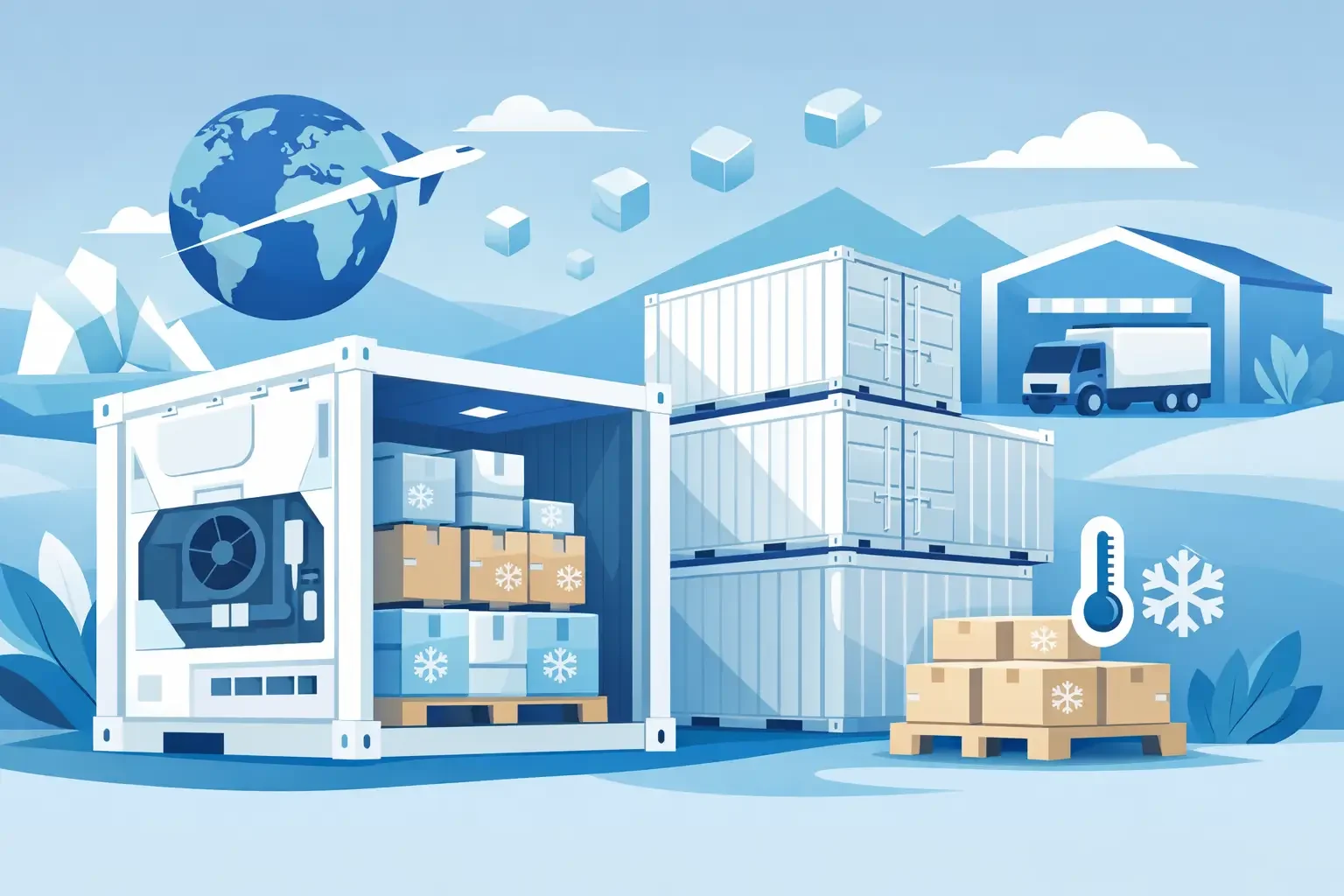
A reefer container rental can solve a cold-storage shortage faster than expanding a permanent warehouse. When a delivery arrives before new refrigeration space is ready, seasonal inventory exceeds cooler capacity, or a walk-in system fails, a refrigerated container creates controlled storage directly at the point of need.
For food distributors, growers, processors, healthcare facilities, manufacturers, and event operators, the practical question is not simply whether cold storage is needed. It is whether the unit can maintain the required temperature, fit the site, connect to available power, and arrive when operations need it. Those details determine whether a rental supports the cold chain or creates another site-management problem.
When Reefer Container Rental Makes Sense
Renting is usually the right move when demand is temporary, timing is urgent, or the operating requirement may change. A refrigerated container can provide additional capacity during harvest, holiday demand, plant shutdowns, construction phases, product launches, and emergency equipment repairs without committing capital to a permanent asset.
A rental also works well when teams need to test a storage layout before investing in a building expansion or purchased reefer unit. A grocery operator may need overflow capacity at one location for three months. A construction team may need temperature-controlled material storage while a facility is being renovated. A food manufacturer may need a dedicated hold area while production volume increases. The container provides usable infrastructure while the larger decision is still being made.
Buying can make more sense for long-term, predictable use, especially when a unit will remain at a single facility for years or requires permanent modifications. Rental is generally better for variable workloads and short-to-medium-term projects. The break point depends on rental duration, delivery distance, power needs, required temperature range, and whether the unit will need specialized configuration.
Start With the Product, Not the Container Size
The contents of the reefer drive the specification. Frozen products, fresh produce, dairy, floral inventory, beverages, pharmaceuticals, chemicals, and temperature-sensitive industrial materials do not share the same handling requirements. Before requesting a unit, establish the required setpoint and the acceptable temperature tolerance for the product being stored.
A reefer container is designed to maintain a controlled environment, but it is not a substitute for poor loading practices. Product should arrive at the correct temperature whenever possible. Refrigerated containers are generally built to hold temperature, not rapidly pull down a large volume of warm product. Loading hot product can strain the refrigeration system, extend pull-down time, and put inventory at risk.
Airflow is equally important. Refrigerated containers circulate conditioned air through the cargo area. Overpacking the unit, blocking airflow pathways, or placing product directly where circulation is restricted can create inconsistent temperatures. Pallet spacing, product packaging, loading pattern, and door-opening frequency all affect real-world performance.
For regulated products, the operator should define monitoring, alarm response, documentation, sanitation, and access procedures before delivery. The rental unit supports the cold-storage plan, but responsibility for product quality, food safety, and compliance remains with the operating team.
Capacity Is More Than Cubic Feet
A 20-foot reefer may suit smaller inventory volumes, constrained sites, or segregated product storage. A 40-foot refrigerated container provides more usable capacity for palletized loads and high-volume overflow. The best choice is based on pallet count, aisle needs, loading method, and how frequently staff need to access inventory.
Do not size the unit solely by a warehouse inventory estimate. Account for air circulation and safe access, particularly when products must be rotated, inspected, or picked throughout the day. A container packed wall to wall may hold more product on paper, but it can be harder to operate efficiently and may compromise airflow.
Site and Power Planning Determine Rental Success
The reefer unit needs more than a level place to sit. It requires adequate access for delivery equipment, room for door operation, a stable placement area, and clearance for staff, forklifts, pallets, and service access. Before scheduling delivery, confirm the path from the road to the final location, including gate widths, turning space, overhead obstructions, slopes, and ground conditions.
Most reefer containers operate from an appropriate electrical connection, often three-phase power. The exact voltage, phase, amperage, plug type, and cable requirements vary by unit. Verify the rental unit's electrical specification before arranging site power. A qualified electrician should confirm that the connection is properly sized and protected for continuous refrigeration operation.
If permanent power is unavailable, a compatible generator solution may be an option. That introduces other operating factors: fuel supply, runtime, noise, emissions requirements, refueling access, and contingency planning. For remote job sites and temporary locations, generator planning should happen early rather than after the container is on site.
The ground should be firm and reasonably level so doors operate properly and water does not pool around the unit. Placement also matters for efficiency. Direct sun exposure, restricted condenser airflow, and frequent door openings can increase the refrigeration load. These conditions do not automatically prevent use, but they should be considered when choosing the location and managing daily operations.
What to Confirm Before You Rent
A clear rental request reduces delays and helps ensure the delivered equipment matches the operating need. Provide the expected rental period, delivery address, site contact, desired delivery date, product type, required temperature setpoint, estimated pallet count, and available electrical service.
It also helps to identify any operational constraints early. For example, tell the provider if the container must be placed in a tight urban loading area, accessed from one end only, used during a power outage, or kept separate from other inventory for sanitation or security reasons.
For a complete project review, have these details ready:
- Required temperature range and product sensitivity
- Container length and approximate storage volume
- Rental start date and expected duration
- Electrical service available at the placement location
- Delivery access, placement surface, and clearance limitations
- Loading method, including pallet jack, forklift, or hand loading
These details allow the rental provider to coordinate equipment, transportation, and practical site requirements rather than treating delivery as an afterthought.
Operating a Reefer Unit Day to Day
Once the reefer is in place, assign a person or team to check the temperature display, verify power status, inspect doors and seals, and respond to alarms. This routine takes little time but protects valuable inventory. A disconnected power cable, a damaged door gasket, or a door left open during a busy shift can quickly affect internal conditions.
Limit unnecessary entries and organize inventory so the most frequently accessed product is easy to reach. If the unit supports multiple product types, use a loading plan that preserves airflow and makes rotation manageable. For food and beverage operations, keep the interior clean and prevent loose packaging or debris from obstructing drains and circulation areas.
It is also wise to establish an outage plan. Know who will receive alerts, what backup power is available, where product could be moved, and who can authorize emergency action. Cold-storage failures are rarely convenient, so a defined response procedure is more valuable than an improvised one.
Delivery, Pickup, and Project Coordination
Transportation is often the critical path in a reefer container rental. The container must be available, inspected, scheduled, transported, and placed safely at the site. Projects with a fixed launch date should allow time for power work, site preparation, and delivery coordination instead of treating those items as separate tasks.
For multi-site operations, standardizing the rental request helps procurement and facilities teams compare capacity, power needs, placement requirements, and rental terms across locations. A single provider with equipment knowledge, modification capability, and delivery coordination can reduce handoffs when projects become more complex. Conexwest supports refrigerated container projects with an execution-focused approach to selection, delivery, and site readiness.
The most useful reefer rental is the one that arrives ready for the actual workflow. Define the product, power, site, and access plan before scheduling delivery, and the container can become dependable cold capacity exactly where your operation needs it.