
Copper and copper-clad steel are the best materials for grounding due to their excellent conductivity and durability.
How To Properly Ground Your Shipping Container Home
Guide to Ground a Shipping Container Home Properly
Key Takeaways
- Grounding your shipping container home prevents electrical hazards for safety.
- Proper grounding also protects against lightning strikes, safeguarding your home and electronics.
- Regular testing and maintenance of the grounding system are important for ongoing safety.
- Professional grounding services are a better choice than the DIY approach.
- Conexwest is a trusted container provider that also helps you with grounding your container home.
Why Grounding Your Shipping Container Home Is Essential
Electrical Safety
When you ground your container properly, you create a safe path for electrical currents to flow directly into the earth instead of through you or your appliances. This prevents electrocution by ensuring fault currents have somewhere safe to go. Since shipping containers are made entirely of metal, they conduct electricity exceptionally well, making this protection absolutely critical for anyone living in or around the container.
Lightning Protection
Your metal container home essentially acts like a giant lightning rod during storms. Metal structures naturally attract lightning strikes, and without proper grounding, that massive electrical energy has nowhere safe to go. It could travel through your home's electrical system, destroying electronics and potentially starting fires. Good grounding channels lightning strikes safely into the ground where the energy disperses harmlessly.
Static Discharge
Static electricity builds up naturally on metal surfaces, especially in dry conditions. You've probably experienced those annoying shocks when touching doorknobs in winter. Now imagine that happening every time you touch your home's walls. Beyond the discomfort, static discharge can damage sensitive electronics like computers and smartphones. Proper grounding eliminates static buildup entirely, protecting both you and your devices.
Code Compliance
Building codes across the country require proper grounding for any habitable structure. Without it, you won't pass inspection or receive your occupancy permit. Insurance companies may also refuse coverage for improperly grounded homes, leaving you financially vulnerable if something goes wrong. Meeting electrical codes through proper grounding isn't just bureaucracy; it's a legal requirement that protects everyone.
Equipment Protection
Modern homes are filled with expensive electronics—computers, TVs, smart home devices—that can be damaged by power surges and electrical faults. A well-grounded container provides crucial protection for these investments. When electrical problems occur, proper grounding diverts dangerous currents away from your appliances, preventing costly damage and extending their lifespan.
Electromagnetic Interference (EMI) Reduction
Ungrounded metal structures can act like antennas, picking up and amplifying electromagnetic interference (EMI). EMI affects WiFi signals, cell phone reception, and can cause problems with electronic devices throughout your home. Proper grounding minimizes these interference issues, ensuring your connected devices work reliably and your communications stay clear.
Conexwest, a leader in shipping and storage solutions based in Northern California, offers new, used, and refurbished containers from 10ft to 45ft, with fast delivery within 3–7 days and container fabrication options like adding shelves and locks. We serve over 10,000 customers nationwide, including prestigious clients like the U.S. Navy and Google. As an ISO 9001 and AWS-certified company, we ensure top quality and competitive pricing. |
Step-by-Step Guide To Grounding Your Shipping Container Home
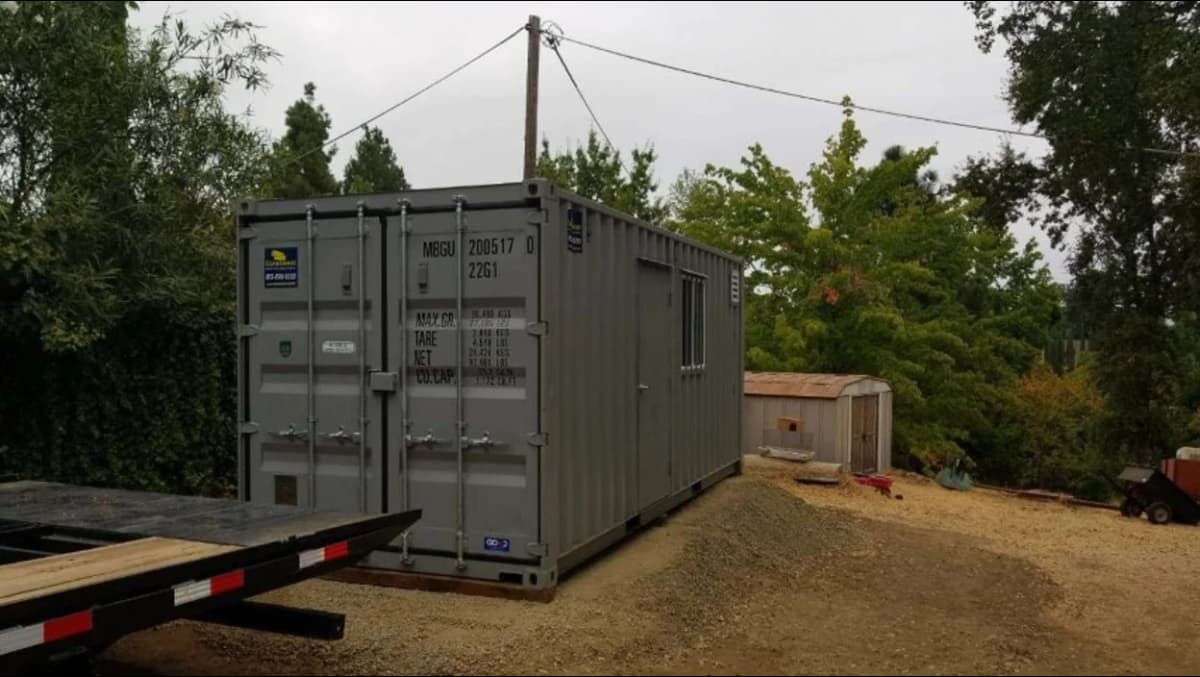
You’ll need at least 2–3 ground rods, depending on the container size.
Required Materials and Tools
- Ground Rods
- 8-foot copper-clad steel ground rods
- Wire and Connectors
- 6 AWG bare copper wire
- Ground clamps rated for direct burial
- Mechanical lugs or exothermic welding kit
- Tools
- Ground rod driver
- Wire strippers/cutters
- Post hole digger
- Ground resistance tester
- Basic hand tools
- Safety Equipment
- Work gloves
- Safety glasses
- Steel-toed boots
- Hearing protection
Steps to Ground Your Shipping Container Home
- Plan Your Ground Points: Identify at least 2–3 locations around your container where you'll install ground rods, focusing on corners and electrical panel areas.
- Install Ground Rods: Drive 8-foot copper ground rods into the soil until only about 6 inches remain above ground. Space them at least 6 feet apart.
- Clean Connection Points: Remove paint and rust from your container's grounding points for metal-to-metal contact.
- Run Ground Wire: Attach one end of the copper wire to the grounding rod using a clamp. Next, securely connect the other end of the wire to the heavy chassis of the shipping container, preferably by welding.
- Connect to Electrical: Bond the grounding system to your main electrical panel and any metal water pipes.
- Test the System: Measure the ground resistance (should be 25 ohms or less) and verify all connections are working.
Common Mistakes To Avoid
Using the Wrong Grounding Rods
Some people try to save money with shorter rods or lower-quality materials, but this compromise endangers your entire system. Standard grounding rods must be at least 8 feet long and made from copper or galvanized steel. Anything less won't penetrate deep enough to reach moist soil that conducts electricity well. Those 4-foot rods at the hardware store might seem like a bargain, but they simply can't provide the protection you need.
Incorrect Rod Placement
Installing rods too close to your container or each other reduces their effectiveness dramatically. Each rod needs at least 6 feet of separation to work independently. Otherwise, they’ll interfere with each other's grounding ability. The same goes for placing them in dry, rocky soil. Since electricity needs moisture to flow through the earth properly, rods in poor locations might as well not exist at all.
Not Checking Soil Conductivity
Different soil types conduct electricity differently. Sandy or dry clay soil has poor conductivity, which means your grounding system won't work properly even with perfect installation. If you're dealing with challenging soil conditions, you'll need to improve conductivity by adding salt, bentonite clay, or special conductive concrete around your ground rods. Testing soil conductivity before installation saves you from discovering problems after everything's in place.
Using Inadequate Wire Size
That 6 AWG copper specification isn't arbitrary; thinner wire can overheat during a surge, potentially melting and breaking your ground connection when you need it most. Some builders use aluminum wire because it's cheaper, not realizing it corrodes underground and loses conductivity over time. Skimping on the wire gauge is like installing a safety net with holes in it; it might look fine until you actually need it.
Not Bonding All Metal Parts
A comprehensive grounding system connects everything metal: your container frame, electrical panel, metal plumbing, and any other conductive structures. When these components aren't bonded together, they can develop different electrical potentials. Someone touching two unbonded metal parts simultaneously could complete a circuit with their body, resulting in a dangerous shock. Every metal component needs to be at the same electrical potential for safety.
Ignoring Lightning Protection
Simply grounding your container isn't enough for complete lightning protection. Metal structures naturally attract lightning, and you need lightning arrestors and surge protectors at your electrical panel to handle strikes safely. Without these additional devices, a lightning strike can still damage your electrical system as the surge overwhelms your home's wiring before reaching the ground rods. Think of it as a complete protection system, not just grounding alone.
Overlooking Regular Maintenance
Many people install their grounding system and forget about it, but these systems degrade over time. Connections corrode, especially underground where moisture accelerates the process. Ground rods can shift in the soil during freeze-thaw cycles. Wire gets damaged by lawn equipment or burrowing animals. Without regular inspection and testing, you won't know your protection has failed until it's too late. Annual checks ensure your system keeps working year after year.
Ignoring Local Electrical Codes
Different regions have different grounding requirements based on soil conditions, weather patterns, and local hazards. What works perfectly in one area might be completely inadequate in another. Some regions require additional ground rods, specific spacing, or particular installation methods. Always check with your local building department before starting work. Fixing code violations after installation costs far more than doing it right the first time.
How Conexwest Can Help You Build A Shipping Container Home
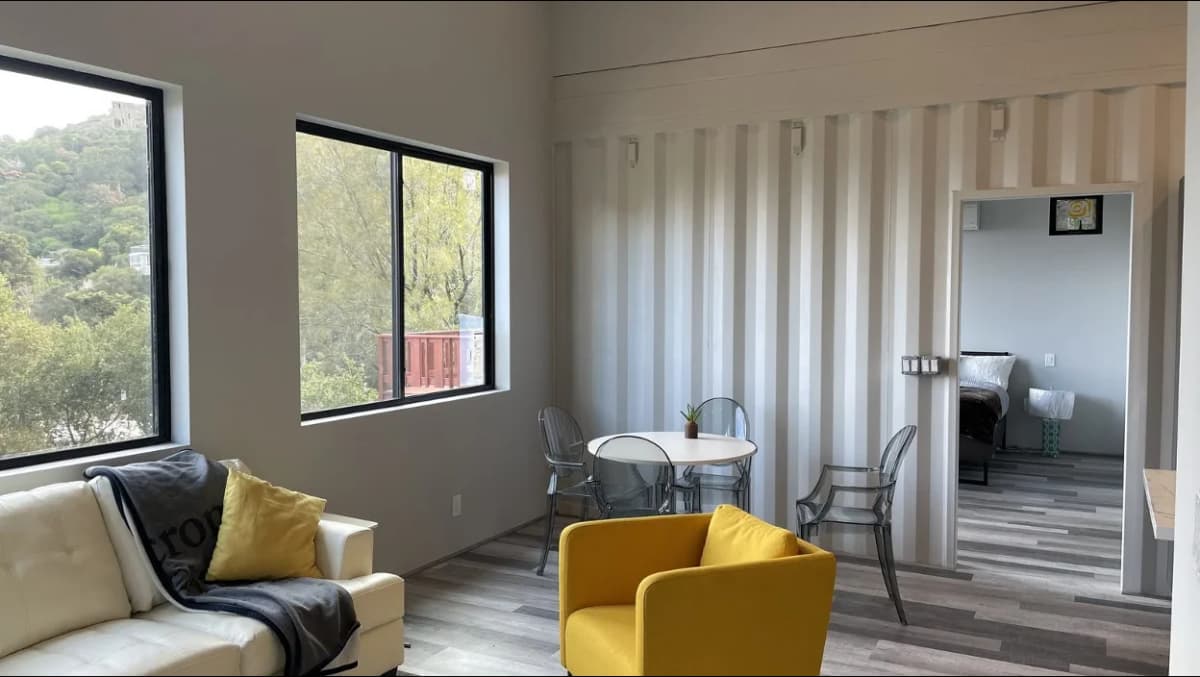
Conexwest can help you build a shipping container home with modifications like doors, windows, HVAC, insulation, and ventilation.
At Conexwest, we’re dedicated to helping you build your dream shipping container home. With our extensive experience and resources, we can guide you through every step of the process. Here’s how:
Comprehensive Container Selection
We maintain an extensive inventory of containers ranging from compact 10-foot units to spacious 45-foot containers. No matter if you're planning a tiny home or need multiple containers for a larger residence, we have the right size and condition to match your vision. Our team helps you evaluate factors like structural integrity, previous use, and modification potential to ensure you start with the perfect foundation for your home.
Custom Modifications
Transforming a steel box into a livable space requires careful modification. We install windows to bring in natural light, cut and frame doorways for proper access, and integrate HVAC systems to maintain comfortable temperatures year-round. Our modification services also include adding insulation, electrical rough-ins, plumbing preparations, and ventilation systems. Each modification is completed by experienced professionals who understand how to maintain structural integrity while creating the features you need.
Expert Guidance
Our structural engineers bring over 20 years of experience analyzing and modifying shipping containers. We help you sail complex building codes that vary significantly by location, ensuring your plans meet all local requirements. From initial design concepts to final inspection preparation, our team provides the technical expertise, including container home costs.
3D Visualization
Our Conexbuilder tool takes the guesswork out of planning. You can experiment with different layouts, window placements, and door configurations in a realistic 3D environment before any cutting begins. This visualization helps you understand how your space will actually feel once modified, allowing you to optimize every square foot. Many clients find this tool invaluable for making decisions about modifications and avoiding expensive changes during construction.
Grounding
Safety remains our top priority, and proper grounding is essential for any metal structure. Our experts understand the specific grounding requirements for shipping container homes, considering factors like local soil conditions and electrical codes. We provide guidance on proper grounding techniques and can recommend qualified professionals for installation. With our knowledge, you can make sure your container home is protected from electrical hazards and lightning strikes.
Quality Assurance and Support
Our relationship doesn't end when we deliver your container. We provide ongoing support throughout your building process, answering questions and troubleshooting challenges as they arise. Our quality assurance process ensures every modification meets our high standards before leaving our facility. Even after you've moved into your container home, our team will be available to help with any concerns or additional modifications you might need.
Was this helpful?
Frequently Asked Questions
It's advisable to inspect your system at least once a year or after any severe weather events, such as storms or heavy rainfall, which could affect the grounding rods' position or soil conductivity.
While it’s possible to ground your container home yourself, hiring a professional is recommended. Professionals like us have the experience and tools to install the system correctly, which minimizes the risk of mistakes that could lead to safety hazards.
Signs of a poorly grounded container include:
- Flickering lights
- Frequent electrical surges
- Visible corrosion or damage to grounding rods or wires
- Shocks when touching metal surfaces
Conexwest can assist with selecting, delivering, installing, and customizing your shipping container. Our experts can also help with designing and planning your container and meeting your local building codes.