
Zoning restrictions vary by municipality: in residential areas, there may be limitations on size and placement, while industrial zones might have fewer restrictions.
Mississippi Shipping Container Zoning Laws, Permits & Building Code Requirements
Mississippi Shipping Container Zoning Law, Permit & Building Code Guide
Key Takeaways
- Shipping container homes are allowed in Mississippi but must comply with zoning laws and building codes.
- Permits are required, and the type depends on the intended use of the container.
- Consulting with local authorities early can save time and money.
- Conexwest is your one-stop solution for all your shipping container needs such as purchase, rental, customization, and delivery.
Shipping Container Zoning Laws, Permits, & Building Code Requirements In Mississippi
Zoning Laws
Zoning laws dictate where a shipping container can be located based on land use classifications. Common zoning categories include:
- Residential: Areas designated for housing; container homes may be allowed but often require special permits.
- Commercial: Zones for business activities; containers may be used for storage or commercial purposes but must comply with local regulations.
- Industrial: Areas intended for manufacturing or heavy industry; usually more lenient regarding container use.
Permits
Before using a shipping container, you need to obtain the necessary permits. The type of permit required depends on the intended use of the container:
- Building Permit: Required for permanent structures; needs compliance with building codes.
- Temporary Use Permit: May be sufficient for short-term storage or construction-related uses.
- Utility Permits: Needed if connecting to water, electricity, or sewage systems.
Consulting with local authorities early in the planning process can help clarify which permits are necessary.
Building Code Requirements
Mississippi adheres to the International Building Code (IBC), which outlines safety and structural integrity standards for all buildings, including shipping containers. Key requirements include:
- Structural Integrity: Modifications to containers (like cutting openings) must maintain structural strength and thus, may require reinforcements.
- Fire Safety: Compliance with fire safety regulations is mandatory, particularly in residential areas.
- Utilities: Proper installation of utilities must meet local codes.
Here are examples from various municipalities in Mississippi:
Jackson
In Jackson, shipping container homes are generally permitted in residential zones but require a building permit. The city mandates that any modifications comply with IBC standards. Additionally, aesthetic considerations may be enforced so that containers blend with the surrounding architecture.
Tate County
According to Tate County’s zoning ordinance, shipping containers are not classified as dwellings unless modified to meet building codes. Containers used as storage must adhere to setback requirements and not obstruct traffic or public utilities. The county emphasizes maintaining community safety and aesthetics through its zoning regulations.
Conexwest, a leader in shipping and storage solutions based in Northern California, offers new, used, and refurbished containers from 10ft to 45ft, with fast delivery within 3-7 days and container fabrication options like adding shelves and locks. We serve over 10,000 customers nationwide, including prestigious clients like the U.S. Navy and Google. As an ISO 9001 and AWS-certified company, we ensure top quality and competitive pricing. |
Tips For Complying With Mississippi’s Regulations
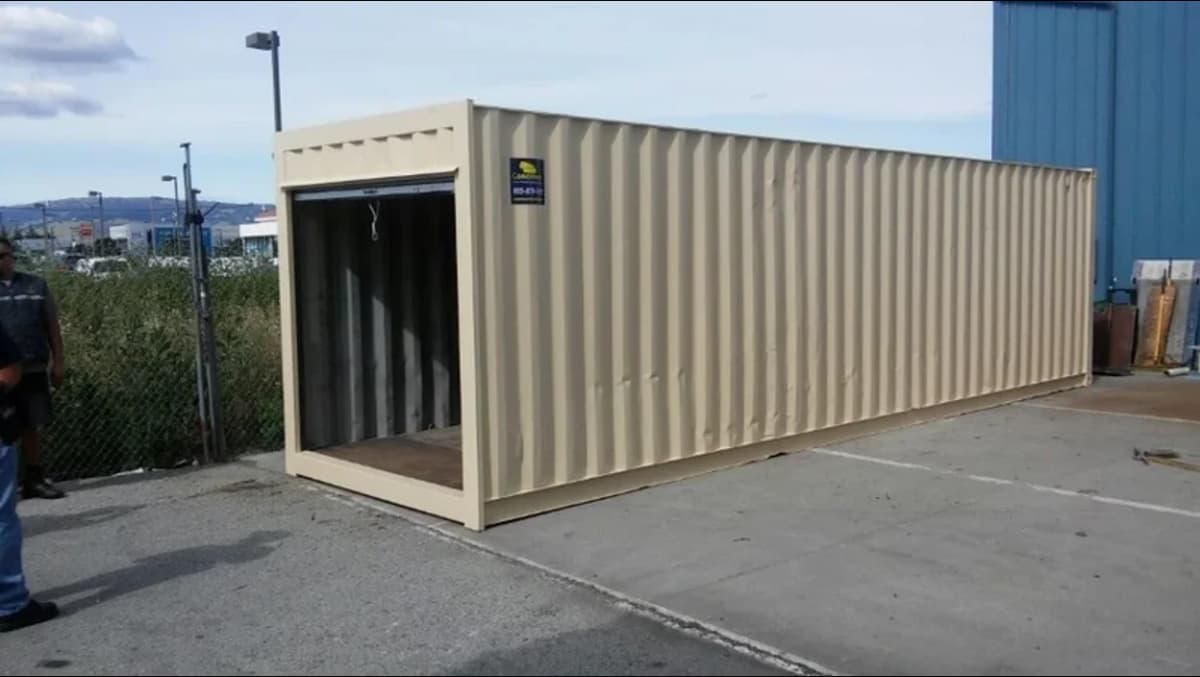
Shipping containers are durable and can be customized for various use cases like pop-up shops, barndominiums, etc.
- Identify Zoning Classification: Determine if your property is in a residential, commercial, or industrial zone. This will influence what you can do with a shipping container.
- Engage with Local Authorities Early: Before making any plans, reach out to your local zoning office to clarify what is permissible in your area as each region has different regulations.
- Check Utility Connections Early: Contact local utility companies to understand the requirements for connecting water, electricity, and sewage systems.
- Review HOA Guidelines: If your property is within an HOA jurisdiction, check for any additional restrictions or requirements regarding shipping containers. You may also need to secure approval from the HOA before proceeding with your plans.
- Consider Aesthetic Impact: Check that your container's appearance aligns with neighborhood aesthetics, as some areas may have strict visual guidelines.
- Prepare a Detailed Site Plan: Your site plan should include the container’s dimensions, location on the property, and any landscaping or screening features.
- Adhere to Setback Requirements: Verify local setback requirements so that the container is placed at an appropriate distance from property lines and existing structures.
- Inspect Containers Thoroughly: Before purchasing a shipping container, inspect it for rust, damage, or structural issues that could affect compliance.
- Plan Ahead: The permitting process can take weeks or even months. So, start early to avoid delays in your project timeline.
Choose Conexwest For Your Shipping Container Needs
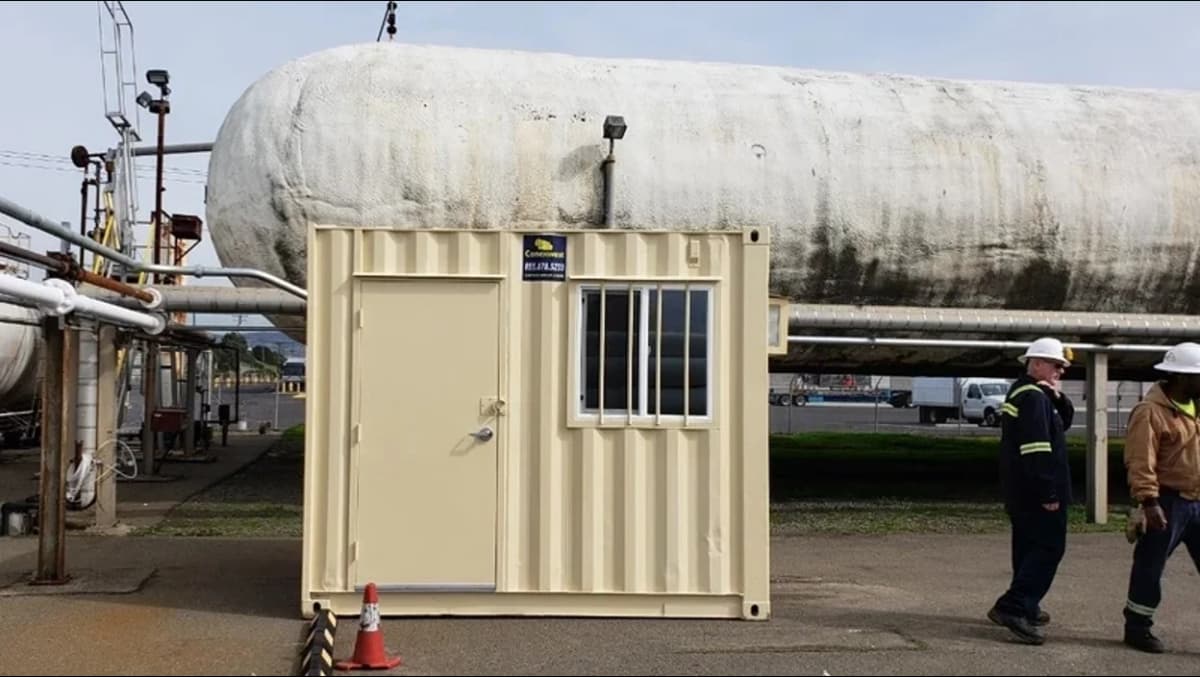
Conexwest has various types of shipping containers, including standard, high cube, and mobile office.
Conexwest is the top choice for meeting your shipping container needs for several compelling reasons:
1. Extensive Range of Containers
With a wide range of container sizes and types available, we are likely to have exactly what you need. From small 10ft containers to large 45ft options, our inventory can accommodate various applications like storage, transportation, and accommodation.
2. Customization Options
With us, you can modify your container to include features like windows, doors, insulation, electrical wiring, and more. We can even handle complex customizations like converting a shipping container into a fully loaded home.
3. Quality Assurance
Our products are made from high-grade corten steel that is weather-resistant and designed for longevity. Plus, each container undergoes rigorous inspection processes to meet our high standards before it reaches you. With warranties available - ten years for new containers and five years for used ones - you can trust that your investment is protected.
4. Expertise in Compliance
We are here to guide you through the process of meeting Mississippi's zoning laws and building codes. Our experienced team will help you understand the necessary permits and modifications required for compliance in your area so you can avoid potential pitfalls.
5. Transparent Pricing
We provide upfront and transparent pricing without hidden fees. So, you’ll receive a clear breakdown of costs associated with purchasing or renting a shipping container so that you can budget effectively for your project.
Click the link below and submit the details to get a free quote.
Was this helpful?
Frequently Asked Questions
Applying for a permit involves submitting detailed plans of your project to the local building department. These plans should include information about the container's size, location, and intended use.
It's important to be thorough and precise in your documentation to avoid delays in the approval process. Additionally, you may need to provide evidence of compliance with building codes and safety standards.
Setback requirements dictate how far a shipping container must be placed from property lines or existing structures. These regulations are designed for safety and accessibility and can vary by municipality.
In many cases, yes. If the container is used temporarily (for example, during construction), you may only need a temporary use permit or none at all, depending on local regulations.
Yes, all our containers are made from weather-resistant corten steel to withstand harsh environmental conditions. As such, your goods will remain safe and secure inside the container regardless of the weather.