
Yes, shipping container homes are allowed in Maine, but they must comply with local zoning laws and building codes. Each municipality has its regulations that dictate where and how these homes can be constructed.
Maine Shipping Container Zoning Laws, Permits & Building Code Requirements
Maine Shipping Container Zoning Law, Permit & Building Code Guide
Key Takeaways
- Permits are required for shipping containers and depend on the intended use and structure size.
- Maine’s zoning laws for shipping containers vary by locality.
- Some areas may have more lenient regulations for temporary containers used for construction or storage during projects.
- Conexwest is a trusted provider of shipping containers and can help you understand the local requirements.
Shipping Container Zoning Laws, Permits, & Building Code Requirements In Maine
Zoning Laws
Zoning laws in Maine dictate where shipping containers can be placed and under what conditions. Here are the key aspects:
- Types of Zones: Municipalities categorize land into residential, commercial, and industrial zones with each zone having its own regulations regarding the use of shipping containers.
- Setback Requirements: Most municipalities require shipping containers to be set back a certain distance from property lines and existing structures. For instance, in Windham, a container must be placed at least 10 feet from the property line.
- Height Restrictions: Local zoning ordinances may impose height restrictions on shipping containers to maintain neighborhood aesthetics. In some areas, such as rural regions, these restrictions may be less stringent compared to urban settings.
- Aesthetic Guidelines: Some municipalities enforce aesthetic guidelines so that shipping containers blend with the surrounding environment.
Building Codes
Maine adheres to the International Building Code (IBC) and the International Residential Code (IRC), which govern the structural integrity and safety of buildings, including shipping container homes:
- Structural Integrity: Shipping containers must meet structural standards outlined in the IBC. This includes checking that the container is structurally sound and capable of withstanding local weather conditions.
- Insulation Requirements: Given Maine's cold winters, proper insulation is important. The IRC requires adequate thermal insulation to prevent issues like frozen pipes and improve energy efficiency.
- Utilities Compliance: All shipping container homes must comply with local building codes regarding electrical, plumbing, and HVAC systems. Permits for these systems must be obtained separately from the building permit.
Permit Requirements
- Construction Permits: A construction permit is mandatory for all building projects involving shipping containers. This includes submitting plans that demonstrate compliance with zoning laws and building codes.
- Temporary vs. Permanent Use: If the container is intended for temporary use (e.g., construction storage), fewer regulations may apply compared to permanent installations.
- Certificate of Compliance: Before occupancy, a certificate of compliance may be necessary to verify that the structure meets all local codes and regulations.
- Application Process: The process usually involves filling out an application form detailing the intended use of the container, its size, and site plans. Fees may vary by municipality.
Examples from Various Municipalities
- Portland:
- Allows shipping containers in commercial zones with specific design guidelines.
- Requires a permit for both temporary and permanent installations.
- Windham:
- Permits are required for non-conforming uses.
- Setback requirements dictate placement relative to property lines.
- Kennebunkport:
- Enforces strict aesthetic guidelines for shipping containers in historic districts.
- Requires compliance with local building codes for utilities.
- Scarborough: Allows temporary storage containers with a permit but restricts permanent installations in residential areas.
Conexwest, a leader in shipping and storage solutions based in Northern California, offers new, used, and refurbished containers from 10ft to 45ft, with fast delivery within 3-7 days and container fabrication options like adding shelves and locks. We serve over 10,000 customers nationwide, including prestigious clients like the U.S. Navy and Google. As an ISO 9001 and AWS-certified company, we ensure top quality and competitive pricing. |
Tips For Complying With Maine’s Regulations
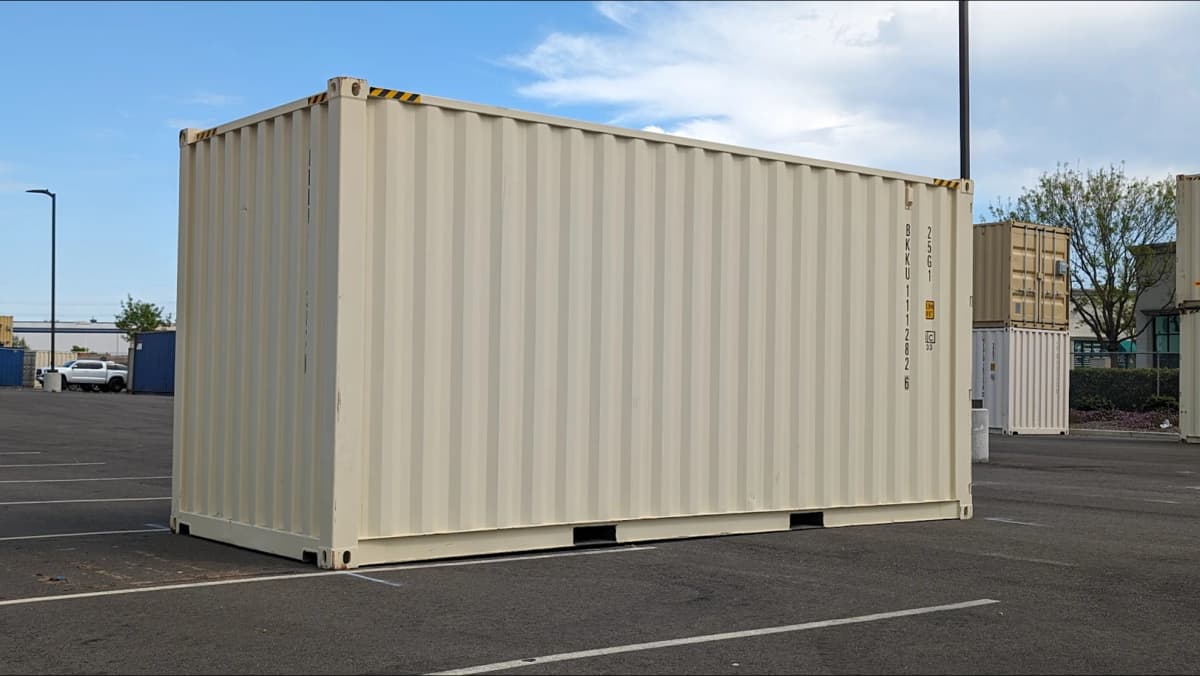
Conexwest has a wide range of containers in different sizes, which can be customized according to your needs.
- Determine Intended Use: Clearly define whether your container will be used as a residence, storage, or commercial space, as this affects permit requirements.
- Prepare Detailed Plans: Submit architectural drawings or site plans that illustrate how the shipping container will be integrated into the property.
- Maintain Structural Integrity: Assess the shipping container's structural soundness and make necessary modifications to meet safety standards.
- Engage with Local Authorities Early: Communicate with local planning departments to find out the exact rules and regulations you have to follow for your area.
- Consider Community Impact: Be proactive in discussing your project with neighbors to address any potential objections.
Choose Conexwest For Your Shipping Container Needs
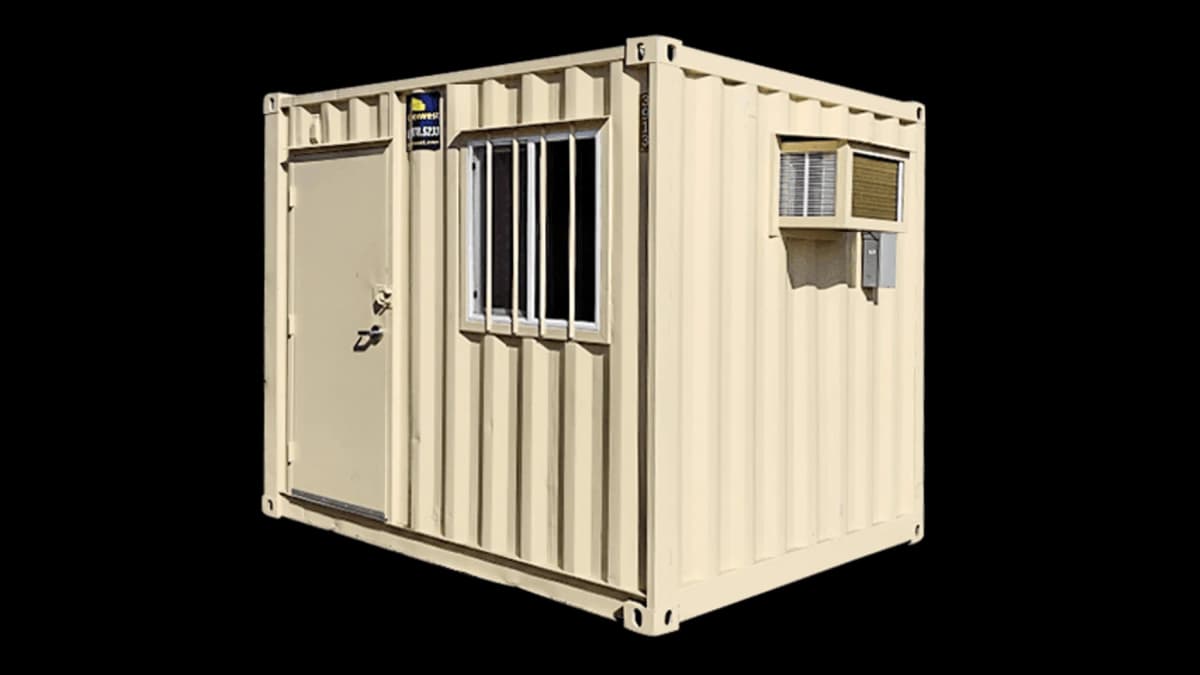
Conexwest provides ready-made mobile office containers in 10ft, 20ft, and 40ft sizes.
1. Extensive Range of Options
Our inventory includes standard, insulated, refrigerated, and specialized containers ranging from 10 to 45 feet. You can find a suitable option for any application - from construction site storage to permanent homes.
2. Customization and Fabrication Services
With us, you can modify your shipping container with features such as windows, HVAC systems, electrical setups, doors, and much more. Our skilled technicians are trained in the latest fabrication techniques for high-quality modifications that comply with industry standards.
3. Expertise in Compliance with Local Regulations
We are here to guide you through the process of meeting Maine's rules and regulations for shipping containers and help you speed up all these formalities.
4. Strong Warranty and Quality Assurance
Our commitment to quality means that each container is thoroughly inspected before it leaves our facility. You also get reliable warranties on your purchase for your peace of mind - 10 years for new containers and 5 years for used cargo-worthy units.
5. Customer-Centric Approach
We believe in transparent pricing and exceptional customer service. Thus, we take the time to understand your needs and provide personalized solutions that fit within your budget. Our team is always available to answer questions, provide guidance, and assist you throughout the entire process - from initial inquiry to final delivery (and beyond).
Was this helpful?
Frequently Asked Questions
Yes, size limitations depend on local zoning regulations. Some areas may impose minimum square footage requirements or restrict the number of containers that can be placed on a single lot.
Failure to comply with local zoning laws and building codes can result in fines, required modifications, or even the removal of your shipping container structure. It’s important to follow all regulations to avoid these issues.
When choosing a location, consider factors such as soil stability, access to utilities (water, electricity), and delivery routes for transporting the container. Additionally, check that the site complies with local zoning laws.
Yes, we provide flexible rental options for both short-term and long-term needs. Our rental containers are secure, weatherproof, and rodent-proof, which makes them ideal for business or personal use.