
No, zoning laws in Kansas vary by locality. Check with your local authority.
Kansas Shipping Container Zoning Laws, Permits & Building Code Requirements
Kansas Shipping Container Zoning Law, Permit & Building Code Guide
Key Takeaways
- Zoning laws in Kansas vary by locality, so always check with your local authority before starting your project.
- You'll need to secure building and zoning permits to meet safety and building code requirements for your shipping container.
- Common compliance issues include zoning restrictions, building code violations, and insufficient documentation.
- Conexwest sells and rents shipping containers, which we can also modify.
Shipping Container Zoning Laws, Permits, & Building Code Requirements In Kansas
Zoning Laws
- Permitted Uses: Shipping containers are permitted for temporary use at construction sites, for relocation purposes, or during natural disaster recovery. Permanent use is often restricted to commercial or industrial zones.
- Residential Areas: They might be permitted as accessory structures but not as primary residences without special permits.
Permits
- Building Permits: A building permit is required before placing a shipping container on a property. This includes submitting plans that detail the intended use of the container and its location.
- Temporary Use Permits: For temporary uses, some municipalities in Kansas may allow containers for a limited time (e.g., 30 to 60 days), after which they must be removed.
Building Code Requirements
- Structural Integrity: Containers must be structurally sound and maintained in good condition. They should not be stacked unless allowed.
- Setbacks and Separation: Containers must adhere to setback requirements from property lines (e.g., 20 feet) and may need to be a certain distance from existing structures (e.g., 50 feet from homes).
- Surface Requirements: Containers must be placed on a solid surface (e.g., concrete, asphalt) to prevent weed growth and maintain stability.
Aesthetic and Safety Regulations
- Screening and Landscaping: Many municipalities require that shipping containers be screened from view using landscaping or fencing to minimize visual impact.
- Color Requirements: Containers may need to be painted in earth tones or colors that blend with the surrounding environment.
- Signage: Any signage on the containers is usually prohibited.
Examples from Various Municipalities in Kansas
- De Soto: Shipping containers are allowed for temporary use in all zoning districts but are prohibited on residential parcels smaller than 2 acres. The maximum size is limited to one container of 1,360 cubic feet.
Containers must be placed on paved surfaces and cannot block access to public rights-of-way or utility easements. They must also be screened from view and maintained in good condition.
- Plainville: Temporary use of shipping containers is allowed for up to 60 days, with the possibility of a 30-day extension. Permanent use is restricted to commercial and industrial zones.
Containers must not impede access to public utilities and must be safe and structurally sound. They cannot be connected to utility services except for electricity.
- Topeka: In residential zones, one cargo container up to 160 square feet can be used temporarily for up to 30 days per year. In non-residential zones, containers can be up to 320 square feet with similar time restrictions.
Containers must not interfere with parking or emergency access and should not be visible from public streets unless adequately screened.
- Independence: Shipping containers may serve as accessory uses in residential districts under certain conditions. They can also be used as dwellings in agricultural districts with a conditional use permit.
Containers must adhere to aesthetic guidelines, including siding materials compatible with nearby structures.
Conexwest, a leader in shipping and storage solutions based in Northern California, offers new, used, and refurbished containers from 10ft to 45ft, with fast delivery within 3-7 days and container fabrication options like adding shelves and locks. We serve over 10,000 customers nationwide, including prestigious clients like the U.S. Navy and Google. As an ISO 9001 and AWS-certified company, we ensure top quality and competitive pricing. |
Tips For Complying With Kansas’ Regulations
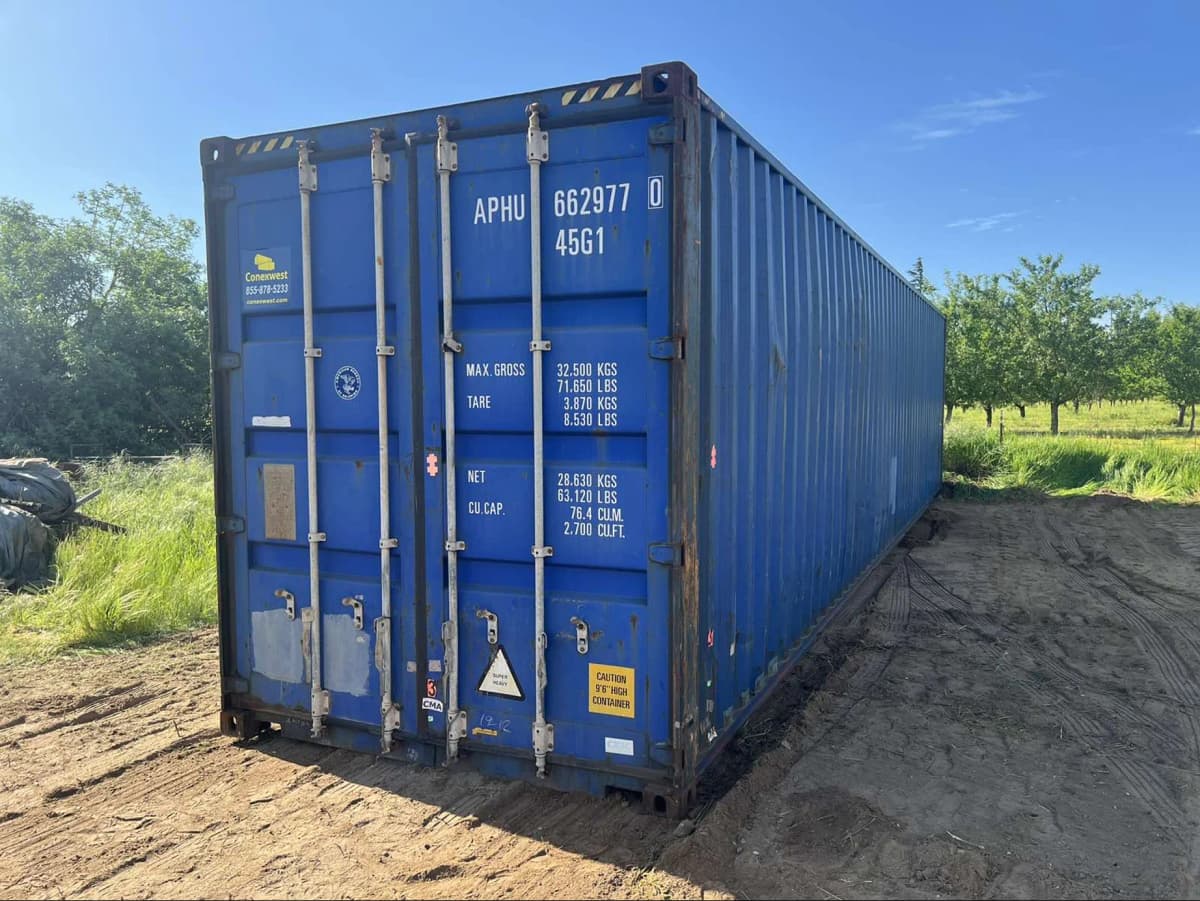
Visit the office of your local authority to understand shipping container guidelines.
- Check Size and Height Restrictions: Confirm the maximum allowable dimensions for shipping containers in your area, as these can vary by municipality.
- Place Container Properly: Position containers on a solid, paved surface, and avoid placing them on public rights-of-way or sidewalks.
- Maintain Distance from Property Lines: Adhere to setback requirements, usually maintaining a distance of at least 20 feet from property lines and 50 feet from residential structures.
- Follow Aesthetic Guidelines: Paint containers in earth tones or colors that complement surrounding structures, and remove any signage to comply with visual regulations.
- Implement Screening Measures: Use landscaping or fencing to obscure containers from view.
- Store Permitted Materials Only: Limit contents of the container to personal household items or commercial inventory. Avoid hazardous materials unless permitted.
- Plan for Emergency Access: Make sure that the placement of containers does not obstruct access for emergency vehicles or impede utility services.
Choose Conexwest For Your Shipping Container Needs
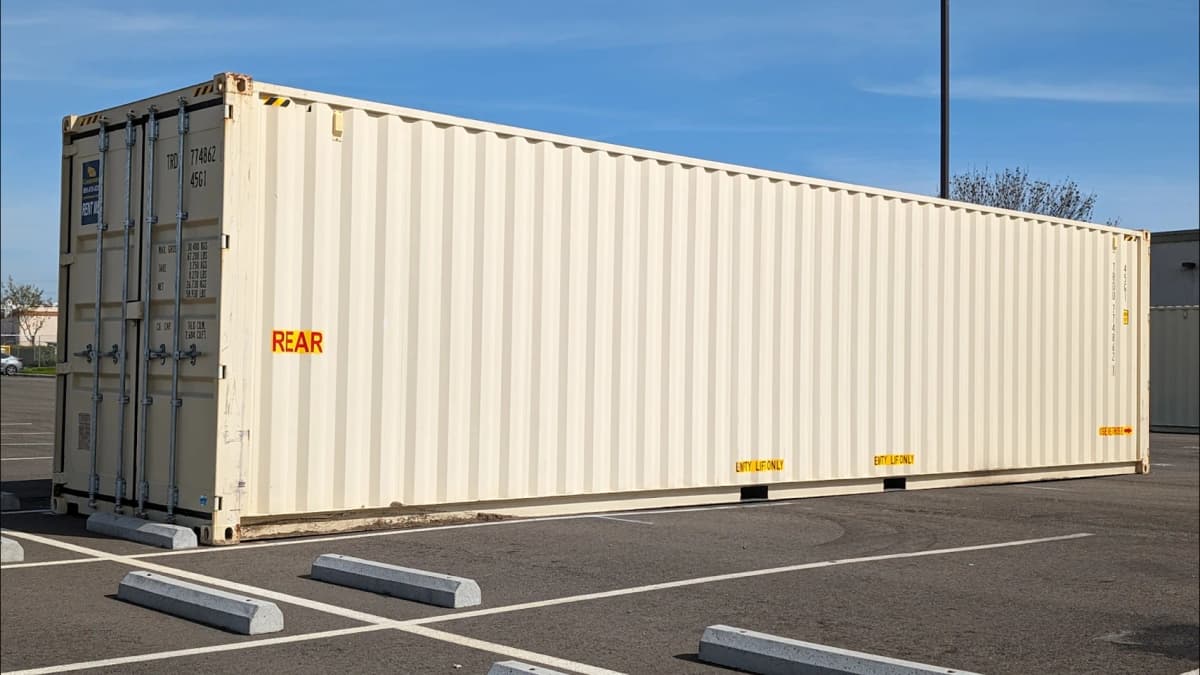
Conexwest has a vast inventory of new, used, and refurbished containers.
Under the motto #WeBuildItBetter, at Conexwest, we can fabricate containers to fit any need - from freezers to home offices. Here’s why you should choose us:
- Extensive Product Range: We have a diverse selection of shipping containers, including standard, insulated, and refrigerated in sizes ranging from 10 to 45 feet. Our containers can withstand harsh conditions and are designed for various uses, such as construction sites, commercial storage, and even residential applications.
- Quality Assurance: Each of our containers is thoroughly inspected to check if it meets our high standards.
- Customization Options: With us, you can modify your container with features like windows, HVAC systems, electrical wiring, specialized doors, and much more. We can also handle complex modifications such as converting a standard container into a residential unit or office.
- Expertise in Compliance: We are here to guide you through the process of meeting local zoning laws and building codes.
- Strong Warranty Coverage: Our new containers come with a 10-year warranty, while used cargo-worthy containers have a 5-year warranty, including the fabrication done on them.
Was this helpful?
Frequently Asked Questions
On average, it can take anywhere from a few weeks to several months.
Temporary use of shipping containers is often limited to 30 or 60 days, with possible extensions depending on local regulations.
Yes, all shipping containers must be structurally sound and safe. They should not block access to public rights-of-way or utility easements, and adequate fire and emergency access must be maintained.
With us, you can choose from short-term or long-term rental options. Just select the size and type of container you need, reach out to us for an instant quote, and we’ll handle the delivery and setup.