
Reefer containers can maintain temperatures from -25°C to +25°C, depending on the model and circumstances. Sophisticated models can achieve even lower temperatures of up to -35°C or -70°C for ultra-sensitive payloads.
What Is Inside A Reefer Container | Components Explored
Inside a Reefer Container: Key Components
Key Takeaways
- Reefer containers are insulated to maintain internal temperatures, regardless of external conditions.
- A refrigeration unit is necessary to cool or heat the container as necessary.
- Air circulation is significant for obtaining isothermal conditions inside the container.
- Power sources (e.g., diesel generators or electrical connections) power the refrigeration system.
- At Conxwest, we provide you with a complete cold storage solution including delivery and customization.
Components Of A Reefer Container
1. Refrigeration Unit
The refrigeration unit is the heart component that ensures constant temperature inside the container. It consists of several critical parts:
- Compressor: This part is used to compress the refrigerant and circulate it throughout the system.
- Condenser: Using heat or water, the condenser dissipates the amount of heat absorbed from the interior air to the outside environment.
- Evaporator: Inside the container, the evaporator takes off heat from the cargo, cooling the interior volume. It works in conjunction with the compressor and condenser to maintain stable temperatures.
2. Control System
Modern reefer containers are equipped with sophisticated control systems that allow you to monitor and regulate various environmental factors, including:
- Temperature Control: Temperature parameters can be specified and continuously tracked and regulated by the system.
- Humidity Control: Some systems also manage humidity levels, which is important for some types of cargo like chemicals.
- Microprocessors: These devices log information related to supply air temperature, return air temperature, and defrost cycles so it is possible to tightly control the temperatures inside the crate.
3. Airflow System
The airflow system is fundamental to transporting cold air uniformly over the container. It comprises of:
- Interior Fans: These fans draw cold air inside the container to avoid hot spots and ensure uniform temperature distribution.
- Air Ducts: The ducts on the wall or ceiling lead cold air to different parts of the container. They maintain a continuous flow of air and clear up the surplus heat of the cargo bay.
4. Thermal Insulation
High thermal insulation is very important for decoupling the internal temperature from the environment. Its key features include:
- Insulation Material: High-density polyurethane foam is a widely used thermal barrier that reduces the amount of heat exchange.
- Inner Linings: Its internal surfaces are typically finished with stainless steel or aluminum to be easily cleaned and prevent corrosion.
5. Ventilation System
The ventilation system controls air exchange between the inside and outside of the container. This includes:
- Fresh Air Vents: Such systems allow ambient air to flow in from the exterior while letting out the gases generated by cargo, like the ethylene evolved during the ripening of fruits.
- Exhaust Vents: These assist in the evaporation of surplus humidity and gases to ensure good operating conditions for delicate cargo.
Read More: 20ft Reefer Container Dimensions & Specifications
6. Cargo Probes
Cargo probes are sensors incorporated inside the cargo space that measure temperature and humidity levels at multiple points. This real-time data is used to maintain all parts of cargo within predefined conditions.
7. Power Source
Reefer containers need an external power supply, such as:
- Plugging into External Power: Commonly done at ports or warehouses.
- Generator Sets (Gensets): Mobile power units that can be used during transit when external power is unavailable.
8. Safety Features
Safety mechanisms in reefer containers include:
- Temperature Alarms: Alert you if temperatures deviate from set parameters.
- Pressure Relief Valves: Prevent overpressure situations within refrigeration systems.
Conexwest, a leader in shipping and storage solutions based in Northern California, offers new, used, and refurbished containers from 10ft to 45ft, with fast delivery within 3–7 days and container fabrication options like adding shelves and locks. We serve over 10,000 customers nationwide, including prestigious clients like the U.S. Navy and Google. As an ISO 9001 and AWS-certified company, we ensure top quality and competitive pricing. |
7 Tips To Maintain A Reefer Container
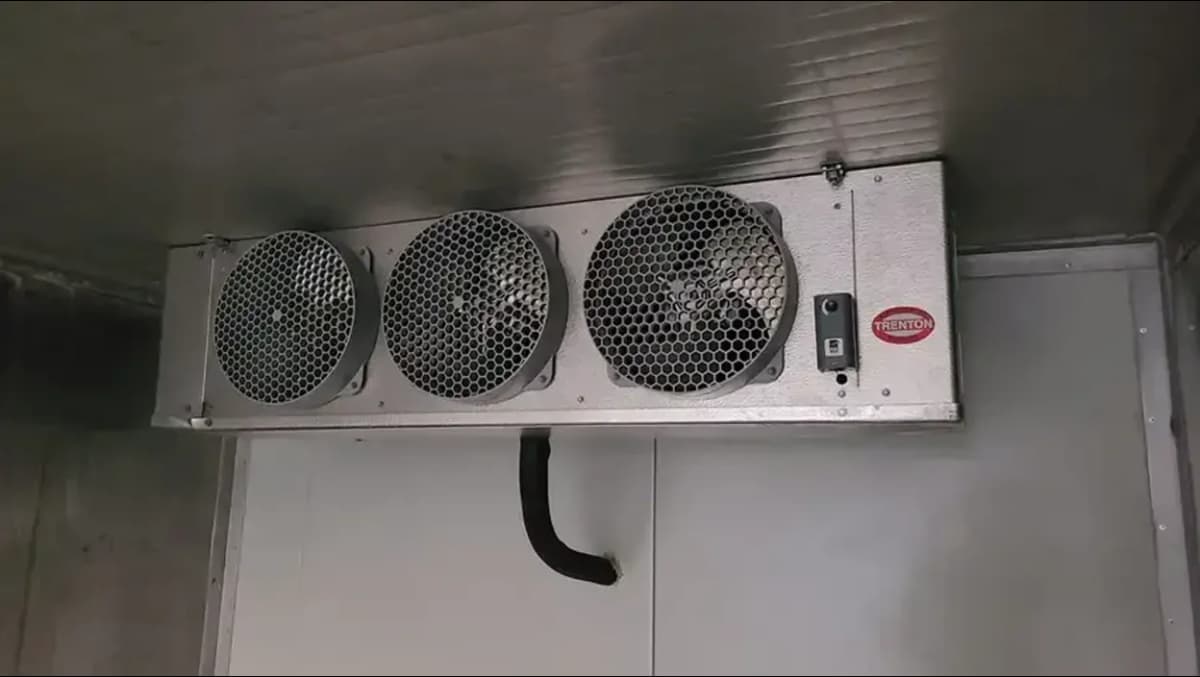
Regularly clean your reefer and its components to extend their lifespan.
- Regular Inspections: Conduct thorough inspections before and after each trip to identify any issues like refrigerant leaks or panel damage.
- Clean and Disinfect: Clean the interior and exterior of the reefer container at regular intervals to avoid contamination and rusting.
- Defrost Periodically: Implement defrost cycles to melt ice on evaporator coils and improve cooling efficiency.
- Maintain Door Seals: Check and replace aged door seals to ensure airtightness inside the container.
- Wash Coils and Fans: Clean the refrigerant coils and circulating fans every month to maintain adequate airflow and cooling.
- Load at Correct Temperatures: Make sure that all cargo is reloaded at the appropriate temperature to maintain product quality during transit.
- Protect Against Corrosion: Apply protective coatings to the container's surface to protect against rust due to exposure to extreme environmental conditions.
Read More: 40ft Reefer Container Dimensions & Specifications
Why Choose Conexwest For Reefers
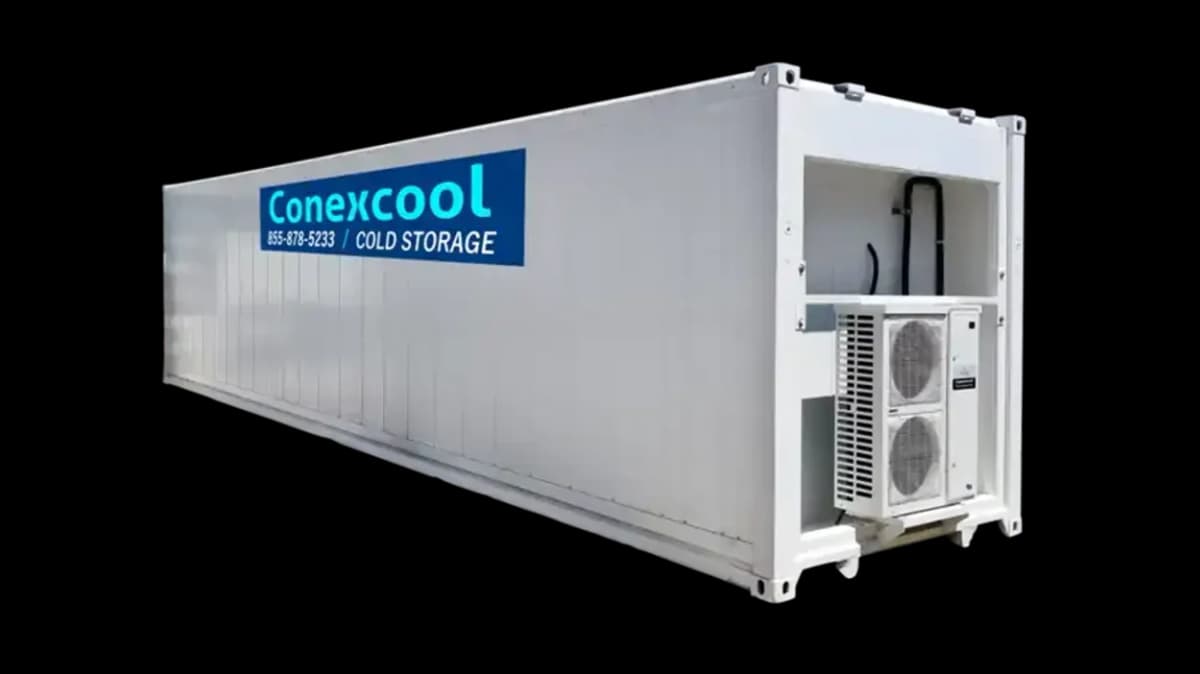
At Conexwest, we have a container for everyone - whether it’s a reefer or a mobile office.
We are a leading provider of refrigerated shipping containers that keep your perishable goods safe during transport. With a commitment to quality, customization, and customer support, we aim to give you the utmost value for your money. Here’s why we stand out:
- Quality You Can Trust: We provide quality containers that undergo meticulous inspections to meet our stringent standards.
- Budget-Friendly Solutions: Quality doesn’t have to come at a high price. Our competitive pricing gives the best value without straining your budget.
- Expert Support: Our experienced team is here to provide guidance and support every step of the way to help you make informed decisions.
- Nationwide Reach: Wherever you are in the US, we can swiftly deliver cold storage containers to your doorstep, often within just 3-7 days.
- Proven Experience: With extensive experience serving various industries - from pharmaceuticals to food distribution - our track record speaks volumes about our ability to meet demanding needs.
Was this helpful?
Frequently Asked Questions
The refrigeration unit in a reefer container works on a system of circulating refrigerant in contact with a compressor, a condenser, and an evaporator. This dissipates thermal energy from inside the box and preserves the set temperature.
Cargo must be pre-cooled, placed onto pallets for air circulation, and not packed so that airflow could be obstructed. Space between items should be filled with dunnage material to properly stabilize the load during movement.
Reefer containers can be used to transport a wide range of perishable goods, including fruits, vegetables, meat, seafood, dairy products, pharmaceuticals, and chemicals that require temperature control during shipping.
Yes. At Conexwest, we provide flexible rentals for our refrigerated containers in sizes of 20 and 40 feet.