
Yes. Shipping containers can be customized with windows, doors, insulation, vents, HVAC, electrical systems, shelving, partitions, flooring, paint, and other features depending on the intended use.
How Much Does It Cost To Turn A Shipping Container Into A Room?
Cost to Convert a Shipping Container Into a Room
Turning a shipping container into a room can be a practical way to create extra space for an office, studio, guest room, workshop, storage area, or business use. The total cost depends on the container size, condition, delivery distance, site preparation, insulation, electrical work, doors, windows, HVAC, interior finishes, and whether plumbing is included.
A simple conversion can cost far less than a fully finished, code-compliant living space. For a 20ft container, many basic room conversions may fall somewhere around $12,000 to $35,000 depending on project scope. More complex builds with bathrooms, kitchens, high-end finishes, structural changes, or local permit requirements can cost more.
This guide breaks down the major cost categories so you can plan a realistic budget before converting a shipping container into a usable room.
Key Takeaways
- The container itself is only one part of the total conversion cost.
- A 20ft container room conversion may cost around $12,000 to $35,000 depending on finish level, utilities, delivery, and site conditions.
- Simple storage, office, or workshop conversions are usually less expensive than rooms intended for full residential use.
- Livable rooms may require permits, foundations, insulation, ventilation, electrical work, plumbing, and local building-code review.
- Conexwest provides shipping container fabrication services for doors, windows, insulation, electrical, HVAC, shelving, partitions, and custom modifications.
Costs Involved in Turning a Shipping Container Into a Room
1. Purchasing a Container
The first cost is the container itself. Pricing depends on size, condition, location, availability, and whether the container is new, used, cargo-worthy, refurbished, standard height, or high cube.
A 20ft container is commonly used for small room conversions, offices, studios, and workshops. A 40ft container gives more space but usually increases delivery, site preparation, foundation, insulation, and finishing costs.
Explore available shipping containers for sale to compare sizes and conditions.
2. Delivery and Placement
Delivery costs depend on distance, container size, truck access, site conditions, and whether special equipment is required. A simple delivery to a clear, level site usually costs less than a tight urban delivery, steep driveway, soft ground placement, or crane-assisted placement.
Before delivery, confirm truck access, overhead clearance, ground conditions, container orientation, and where the doors should face. For more details, review Conexwest’s shipping container delivery information.
3. Site Preparation and Foundation
A container room needs a stable, level base. For simple non-residential uses, a gravel pad, concrete blocks, piers, or a compacted base may be enough. For livable rooms, offices, or long-term installations, local rules may require a more formal foundation.
Foundation needs depend on soil, drainage, climate, intended use, and whether the container will connect to utilities. A proper base helps reduce moisture issues, door misalignment, settling, and long-term movement.
Read More: Best Base Materials for Shipping Containers
4. Insulation
Insulation is one of the most important parts of converting a container into a comfortable room. Steel transfers heat and cold quickly, so an uninsulated container can become too hot, too cold, or prone to condensation.
Common insulation options include spray foam, rigid foam board, mineral wool, and hybrid systems. Conexwest offers spray foam insulation as a container modification option.
The right insulation depends on your climate, budget, wall assembly, and whether the room will be used occasionally or daily.
Read More: Best Insulation Options for Shipping Containers
5. Interior Finishes
Interior finishes turn the container from a steel shell into a usable room. Typical finish costs may include framing, wall panels, drywall, ceiling materials, flooring, trim, paint, lighting, outlets, and built-in storage.
- Walls and ceilings: Drywall, plywood, FRP panels, metal panels, or other wall systems can be used depending on the purpose of the room.
- Flooring: Vinyl plank, rubber flooring, epoxy coating, tile, plywood, and laminate are common options.
- Finish level: A basic office or workshop will cost less than a residential-style guest room with premium flooring, cabinets, lighting, and built-ins.
6. Electrical Work
Electrical work can include outlets, lighting, switches, panels, wiring, exterior connections, dedicated circuits, and power for HVAC or appliances. The cost depends on how the container will be used and how far it sits from the main power source.
Electrical work should be planned and installed according to applicable local codes and handled by qualified professionals where required.
7. Plumbing
Plumbing is optional for many container rooms, but it can add significant cost if you include a bathroom, sink, kitchenette, laundry area, water heater, sewer connection, septic connection, or water supply lines.
A dry office, studio, or workshop is usually much less expensive than a container room with a bathroom or kitchenette.
8. Doors and Windows
Doors and windows make the container more usable, but they also require cutting into the steel structure. Large openings may need reinforcement, especially for residential or long-term use.
Conexwest offers man doors and window modifications for shipping containers.
9. Painting and Rust Protection
Exterior paint and rust protection help extend the life of the container and improve the finished appearance. Costs depend on surface preparation, paint quality, climate, corrosion exposure, and whether the container needs repairs before painting.
For coastal, wet, or high-humidity areas, coating and maintenance planning are especially important.
10. HVAC and Ventilation
Heating, cooling, and ventilation are important if the container room will be occupied for long periods. Options may include mini-split systems, wall-mounted HVAC units, exhaust fans, vents, and fresh-air solutions.
HVAC needs depend on the container size, insulation, climate, window placement, sun exposure, and how the room will be used.
Shipping Container Room Cost Summary
| Expense | Estimated Cost Range* | Notes |
|---|---|---|
| Container | $1,200 - $5,000+ | Varies by size, condition, location, and availability. |
| Delivery | $300 - $1,500+ | Can increase with distance, crane needs, difficult access, or tight placement. |
| Site preparation / base | $500 - $5,000+ | Depends on gravel, blocks, piers, slab, grading, drainage, and local requirements. |
| Insulation | $1,200 - $4,000+ | Spray foam and higher-performance systems usually cost more. |
| Walls, ceiling, and flooring | $2,000 - $7,000+ | Depends on finish level and room use. |
| Electrical work | $1,600 - $4,000+ | Varies by outlets, lighting, panel needs, and connection distance. |
| Plumbing | $500 - $2,000+ per fixture | Optional. Bathrooms and kitchenettes can raise costs quickly. |
| Doors and windows | $900 - $2,800+ per set | Large openings may require reinforcement. |
| Painting / rust protection | $160 - $1,000+ | Depends on prep work, coating system, and container condition. |
| HVAC / ventilation | $2,500 - $7,000+ | Depends on climate, insulation, container size, and system type. |
| Total | Approx. $12,000 - $35,000+ | Higher-end or code-compliant residential builds may cost more. |
*These figures are general planning estimates only. Actual costs vary by location, container size, condition, delivery, modifications, permit requirements, labor, materials, utilities, and site conditions.
Why Turn a Shipping Container Into a Room Instead of Building From Scratch?
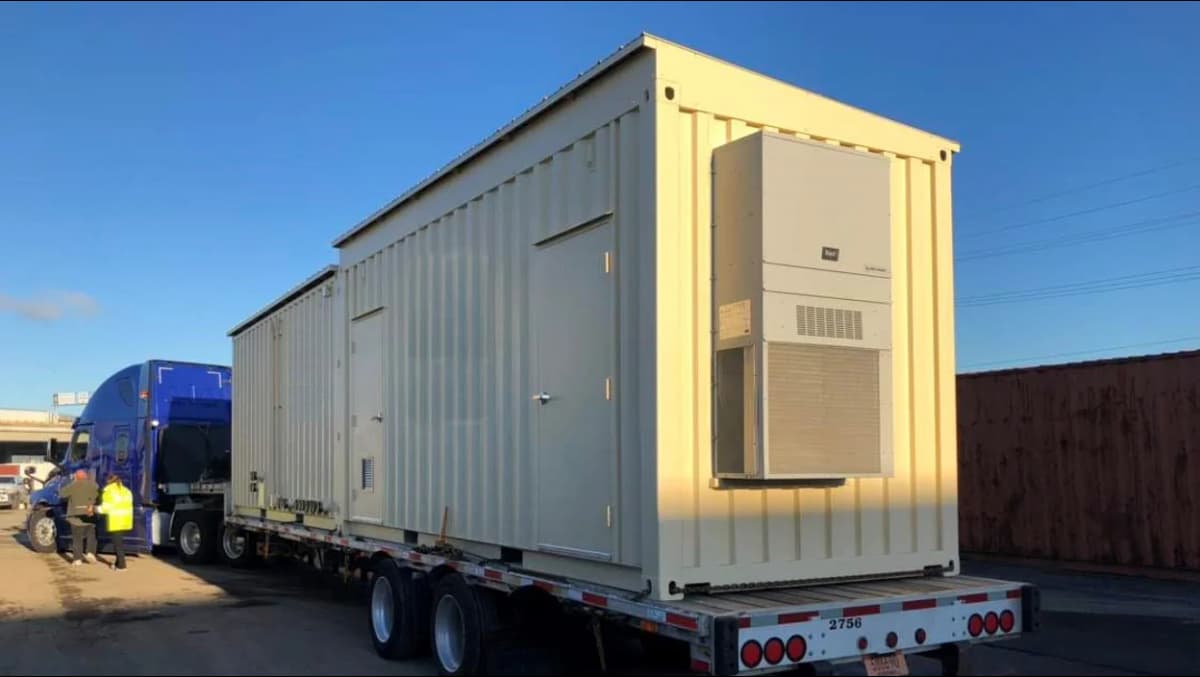
A converted shipping container can create usable space for offices, studios, workshops, storage rooms, guest areas, and business operations.
- Existing steel structure: The container already provides a strong shell, which can reduce some framing needs compared with building entirely from scratch.
- Flexible use: A container room can be designed for offices, workshops, studios, retail, storage, guest space, or jobsite use.
- Durability: Shipping containers are built from steel and designed for demanding transport conditions.
- Potentially faster buildout: A simple conversion can move faster than traditional construction, especially when the design is straightforward and site work is limited.
- Modular design: Containers can be modified as standalone rooms or combined with other containers for larger spaces.
- Relocation potential: A basic container can be moved with the right equipment, but finished rooms with foundations, utilities, decks, plumbing, or permanent connections may be harder and more expensive to relocate.
- Distinctive look: Converted containers offer a modern industrial style that works well for offices, studios, retail spaces, and custom rooms.
Tips to Save Money on a Container Room Conversion
- Choose the right container condition: Used containers can cost less, but inspect for rust, dents, floor condition, odor, and structural damage before purchase.
- Keep the layout simple: Fewer wall openings, fewer utilities, and a single-container design usually cost less than complex multi-container conversions.
- Limit large cutouts: Large windows, doors, and open walls can require steel reinforcement, which adds labor and material cost.
- Work with experienced professionals: Experienced container fabricators can help avoid mistakes that lead to rework, leaks, condensation problems, or code issues.
- Plan utilities early: Decide early whether you need power, HVAC, plumbing, or solar. Conexwest offers solar panel modifications for certain container applications.
- Check local requirements: Permits and inspections may be required depending on use, location, utilities, occupancy, and whether the container room is temporary or permanent.
Why Choose Conexwest for Turning a Shipping Container Into a Room?
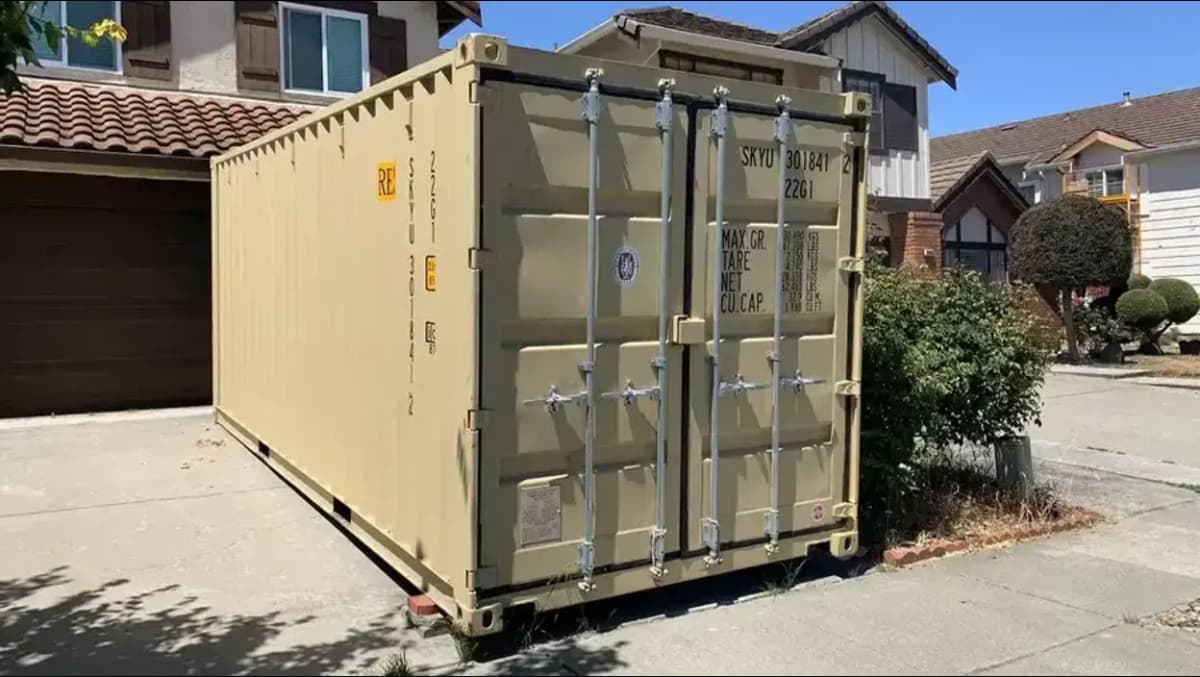
Conexwest can help with container selection, fabrication, modifications, and delivery planning for custom container room projects.
When converting a shipping container into a room, the right partner matters. Conexwest supplies containers in multiple sizes and offers fabrication services that can support offices, studios, workshops, storage rooms, jobsite spaces, and custom projects.
1. Comprehensive Fabrication Services
Conexwest can modify containers with custom fabrication options such as windows, doors, vents, partitions, insulation, electrical, HVAC, shelving, custom paint, and other features.
2. Multiple Container Sizes
Conexwest offers shipping containers in sizes from 10ft to 45ft, giving customers options for compact rooms, office spaces, workshops, storage rooms, and larger modified layouts.
3. Delivery and Placement Support
Conexwest can help coordinate delivery based on container size, site access, delivery route, ground conditions, and placement requirements. Planning delivery early helps avoid delays and extra placement costs.
4. Quality and Project Support
Conexwest inspects containers before delivery and helps customers compare container conditions, sizes, and modification options. For rooms intended for occupancy, customers should also work with licensed contractors, electricians, plumbers, engineers, and local permit offices where required.
We provide a wide variety of shipping containers, including standard containers, high cube containers, refrigerated containers, and mobile office containers.
Was this helpful?
Frequently Asked Questions
Permits may be required depending on your location, use case, utilities, foundation, occupancy, and whether the container is temporary or permanent. Always check with your local building department, zoning office, landlord, or property manager before starting work.
Major cost factors include container size, container condition, delivery, site preparation, foundation, insulation, doors, windows, electrical work, HVAC, plumbing, interior finishes, labor, permits, and design complexity.
Standard 20ft and 40ft containers are common choices because they are widely available. High cube containers provide extra height, which can be useful for rooms with insulation, ceilings, lighting, and HVAC. Smaller 10ft containers may work for compact offices, storage rooms, or kiosks.
A basic container can be moved with the right equipment, but a finished container room may be harder to relocate if it has a foundation, utility connections, plumbing, decks, cladding, or permanent site improvements.
Conexwest offers new, used, and refurbished containers in multiple sizes, including 10ft, 20ft, 40ft, and 45ft options. Available container types may include standard storage containers, high cube containers, refrigerated containers, insulated containers, mobile office containers, and custom modified containers.