
Building a container home in Los Angeles requires the same permits as conventional construction. There is no separate "container permit." Projects are reviewed under standard building codes.
How to Get Permits for Shipping Container Homes in Los Angeles
Los Angeles has some of the highest property values in the country. With median home prices exceeding $900,000, many Angelenos are looking for alternatives and shipping container homes continue to gain attention.
But there is one question that stops most projects before they start: Can you actually build a shipping container home in Los Angeles?
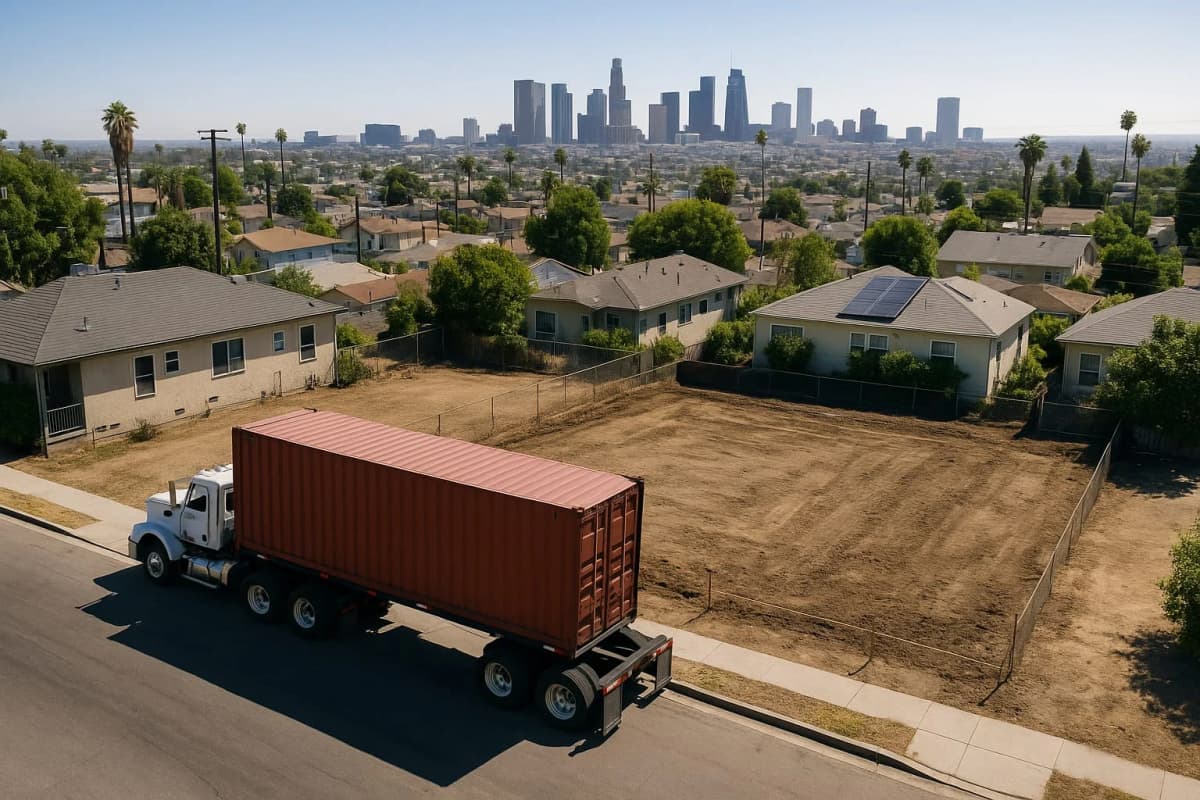
The short answer is yes. The state recognizes containers as a valid building material under Title 24 of the California Building Code, provided they meet ISO 1496-1 standards and have no prior hazardous use. Los Angeles has a defined permit pathway for container-based construction, and the city also allows multi-level container designs with proper seismic reinforcement, something not all California cities permit. For comparison, San Diego restricts container homes to single-story structures.
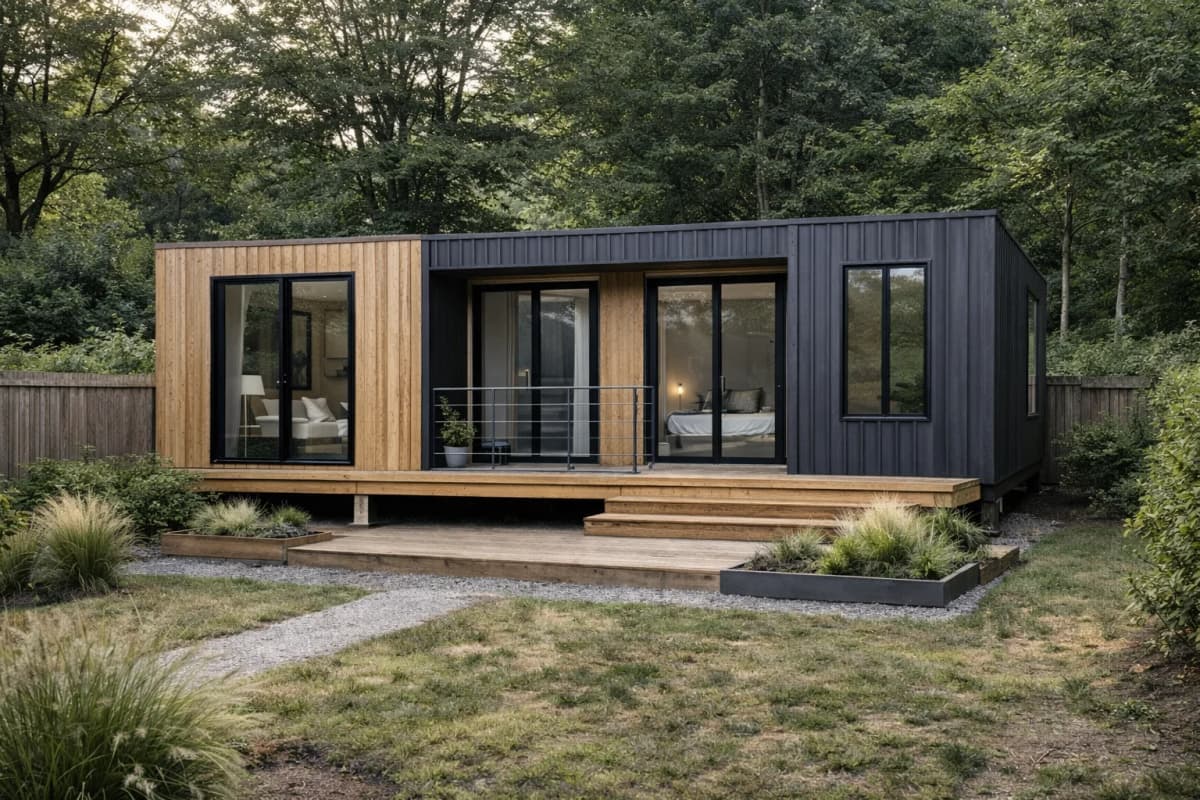
Container homes in LA are typically classified as primary residences, Accessory Dwelling Units (ADUs), or accessory structures (studios, offices, workshops). The classification determines zoning rules, setbacks, and permit requirements. ADUs have become one of the most practical applications for faster approvals, lower cost ($50,000–$150,000 typical range), no additional parking required near transit, and LADBS offers a Standard Plan Program that can reduce approval time.
What Permits Do You Need?
Building a container home in Los Angeles requires the same permits as conventional construction. There is no separate "container permit." Projects are reviewed under standard building codes.
Zoning Clearance
Start by confirming your lot is zoned for your intended use through the ZIMAS portal (Zoning Information and Map Access System). Key factors include permitted use, setbacks, lot coverage limits, height restrictions (typically two stories), and parking requirements.
Building Permit
This is the primary permit, issued by the Los Angeles Department of Building and Safety (LADBS). You will need:
- Engineered construction plans (stamped by a licensed architect or structural engineer)
- Foundation design for seismic conditions
- Structural calculations (load, seismic, wind)
- Title 24 energy compliance documentation
- HVAC, electrical, and plumbing plans
- CALGreen compliance documentation
Trade Permits
Separate permits are required for electrical, plumbing, mechanical (HVAC), and grading if applicable.
Additional Reviews
Depending on the site: environmental review, historic preservation review, hillside development review, or fire department clearance (especially in Very High Fire Hazard Severity Zones).
The Permit Process: Step by Step
Step 1: Research Your Property
Use ZIMAS to review your zoning designation, specific plan areas, overlay zones, and fire hazard status. This step determines feasibility before you invest in design.
Step 2: Pre-Application Meeting
Meet with LADBS or City Planning. Bring a basic site plan and project outline. Ask specifically about container construction—some plan check reviewers are less familiar with it, and getting clarity early can prevent costly delays and revision cycles later.
Step 3: Hire a Licensed Engineer or Architect
California requires stamped plans from a licensed professional. They will perform seismic calculations, design the foundation, reinforce structural openings, and ensure Title 24 compliance. Estimated cost: $2,000–$5,000 depending on complexity.
Step 4: Prepare and Submit Plans
Submit your full plan set to LADBS. Include all structural, mechanical, electrical, and plumbing drawings. The city reviews compliance with the California Building Code (CBC), California Residential Code (CRC), Title 24 Energy Code, CALGreen standards, and local zoning ordinances. Make sure your container supplier can provide ISO certification and documentation confirming no prior hazardous use—LADBS may request this during review.
Step 5: Plan Check Review
Typical timelines range from 4 to 8 weeks, though container projects may take longer if unfamiliar to reviewers. Corrections may be required—each revision adds time.
Step 6: Permit Issuance and Fees
Once approved, you pay permit fees and receive your building permit. Trade permits run $300–$500 each. Typical total permit costs: $3,000–$8,000 for a single-container ADU, higher for multi-container homes depending on scope.
Step 7: Construction and Inspections
Construction must follow approved plans exactly—any deviations require a revised plan check. LADBS inspections occur at key stages: foundation, structural/framing, rough electrical and plumbing, insulation and energy compliance, and final inspection. Each inspection must pass before moving to the next phase. After passing final inspection, you receive a Certificate of Occupancy, which means your container home is officially approved for habitation.
Code Requirements to Know
Seismic Design
Los Angeles falls within high seismic zones, and this is where container projects get the most scrutiny. Your engineer will design foundation connections, reinforcement around door and window openings (which weaken the container's structural integrity), bracing for stacked containers, and site-specific anchoring. If you're planning a two-story build, expect more detailed structural calculations.
Energy Efficiency (Title 24)
Steel containers have virtually no insulation on their own, so meeting California's energy code requires significant upgrades. Common approaches include closed-cell spray foam or rigid panel insulation, compliant windows rated for U-factor and SHGC, properly sized HVAC systems, and airtight construction to prevent thermal bridging through the steel walls.
Fire Safety
Requirements include smoke and carbon monoxide detectors, fire-rated interior finishes, egress windows in bedrooms, emergency exits, and fire-resistant exterior materials in high-risk zones. Properties in Very High Fire Hazard Severity Zones face additional requirements—check your zone status on ZIMAS before designing.
CALGreen Compliance
All new construction in California must meet CALGreen standards, including water-efficient fixtures, construction waste diversion plans, and low-VOC materials for interior finishes.
Common Permit Pitfalls
- Skipping zoning verification before investing in design
- Using undocumented containers or containers with prior hazardous cargo history
- Starting construction without permits (LADBS can issue stop-work orders and fines)
- Underestimating timelines—expect 6 to 12 months from initial research to Certificate of Occupancy
- Ignoring neighborhood design requirements—most residential zones require exterior finishes such as stucco or cladding
How Much Does It Cost to Build a Container Home in LA?
| Item | Estimated Range |
| Shipping container(s) | $3,000–$8,000 per unit |
| Engineering and design | $5,000–$15,000 |
| Permits and fees | $3,000–$8,000 |
| Foundation | $5,000–$15,000 |
| Construction and finishes | $50,000–$150,000+ |
| Single-container ADU total | $70,000–$150,000 |
| Multi-container home total | $150,000–$350,000+ |
Costs vary based on finishes, site conditions, and design complexity. Compared to traditional construction in Los Angeles often exceeding $400 per square foot, container homes typically come in at $150 to $350 per square foot, offering a meaningful cost advantage especially for ADU projects where the streamlined approval process saves additional time and money.
Bottom Line
Building a shipping container home in Los Angeles is entirely feasible. The city permits it, the regulatory framework exists, and demand for alternative housing continues to grow.
The process requires proper planning, engineering, and patience but with the right approach, container construction fits within the existing permitting system just like any conventional build.
Start with zoning on ZIMAS. Engage LADBS early. Work with a qualified engineer who understands seismic requirements. And source your containers from a reputable supplier who can provide proper documentation—including ISO certification and proof of no prior hazardous cargo.
Your future home may already be sitting in a shipping yard.
Ready to start your container home project? Conexwest has new and used shipping containers in stock with nationwide delivery. Browse containers at conexwest.com → https://www.conexwest.com/shipping-containers-sale/20ft-shipping-container
Was this helpful?
Frequently Asked Questions
Use ZIMAS to review your zoning designation, specific plan areas, overlay zones, and fire hazard status. This step determines feasibility before you invest in design.
Los Angeles falls within high seismic zones, and this is where container projects get the most scrutiny. Your engineer will design foundation connections, reinforcement around door and window openings (which weaken the container's structural integrity), bracing for stacked containers, and site-specific anchoring. If you're planning a two-story build, expect more detailed structural calculations.
Costs vary based on finishes, site conditions, and design complexity. Compared to traditional construction in Los Angeles often exceeding $400 per square foot, container homes typically come in at $150 to $350 per square foot, offering a meaningful cost advantage especially for ADU projects where the streamlined approval process saves additional time and money.
Costs vary based on finishes, site conditions, and design complexity. Compared to traditional construction in Los Angeles often exceeding $400 per square foot, container homes typically come in at $150 to $350 per square foot, offering a meaningful cost advantage especially for ADU projects where the streamlined approval process saves additional time and money.
Building a shipping container home in Los Angeles is entirely feasible. The city permits it, the regulatory framework exists, and demand for alternative housing continues to grow.