
How Does a Refrigerated Shipping Container Work?
How Does a Refrigerated Shipping Container Work?
The Technology Behind Temperature-Controlled Shipping
When Mark Davidson needed to transport 15,000 pounds of specialty chocolates from his factory in Arizona to retailers across the Southwest during the height of summer, he faced a seemingly impossible challenge. Outside temperatures exceeded 110°F, and his products would melt at anything above 75°F. His solution came in the form of a 40-foot refrigerated container that maintained a precise 65°F throughout the journey, delivering his chocolates in perfect condition despite the scorching desert heat.
Refrigerated shipping containers (often called "reefers" in the industry) represent one of the most significant innovations in modern logistics. These specialized units make it possible to transport temperature-sensitive goods across continents and oceans while maintaining precise environmental conditions.
"The ability to maintain consistent temperatures while transporting perishable goods has revolutionized global trade. Without refrigerated containers, the fresh food market as we know it simply wouldn't exist." — International Cold Chain Logistics Association
The Core Components of Refrigerated Containers
Understanding how a refrigerated container works begins with recognizing its key components, which work together in a sophisticated system that controls temperature with remarkable precision.
The Cooling System: The Heart of Refrigeration
At the core of every refrigerated container is its cooling system. The compressor serves as the central force, pressurizing the refrigerant and initiating the cooling cycle. This works in concert with the condenser, which transforms the refrigerant from gas to liquid form, and the evaporator, which allows the refrigerant to absorb heat from inside the container. The expansion valve plays a crucial role by controlling the flow of refrigerant through the system, while the refrigerant itself (commonly R-134a or other environmentally friendly alternatives) is the substance that circulates through the system.
Unlike regular air conditioning, a refrigerated container works by removing heat rather than simply adding cold air. The refrigerant circulates through the system, changing states from liquid to gas and back, carrying heat away from the interior in a continuous process.
__0.webp&w=1200&q=75)
Temperature Control Systems: The Brain of the Operation
Modern refrigerated containers feature sophisticated control systems that act as the brain of the operation. These systems monitor internal temperature through multiple sensors strategically placed throughout the container. Based on this data, they can adjust cooling output automatically to maintain set points with remarkable precision. Throughout transit, these systems continuously record temperature data, creating a verifiable record of conditions. If fluctuations occur outside acceptable parameters, the system will alert operators immediately. As a safeguard against failure, many systems include redundant components that can take over in case the primary system malfunctions.
This level of precision means that sensitive cargo like pharmaceuticals can be maintained within a temperature range as tight as ±0.5°F throughout a journey lasting weeks.
Insulation Technologies: The Shield Against Heat
The effectiveness of a refrigerated container depends heavily on its insulation, which forms a critical barrier against external temperatures. Polyurethane foam insulation, typically 60-100mm thick, lines the walls, floor, and ceiling, creating a comprehensive thermal barrier. Special seals around doors prevent warm air infiltration, while interior surfaces utilize materials specifically designed to resist condensation buildup. The specialized flooring includes channels for air circulation beneath cargo, ensuring cold air can reach all parts of the load.
The quality of this insulation directly impacts energy consumption—better insulated units require less power to maintain temperatures, making them more economical to operate over long distances.
Power Supply Options: Keeping Things Running
One of the most critical aspects of how refrigerated containers work is their power supply system. These containers must maintain cooling regardless of their location, which requires adaptable power solutions. While in transit on ships, they connect to the vessel's electrical system. On trucks, they draw power from the vehicle's power system or a dedicated generator. When stationed at terminals, they plug into land-based power sources (commonly called "shore power"). For maximum flexibility, some units include generator sets ("gen-sets") for independent power when external sources aren't available.
The ability to switch between power sources without interrupting cooling is essential for maintaining cargo integrity throughout complex supply chains.
How the Cooling Cycle Functions
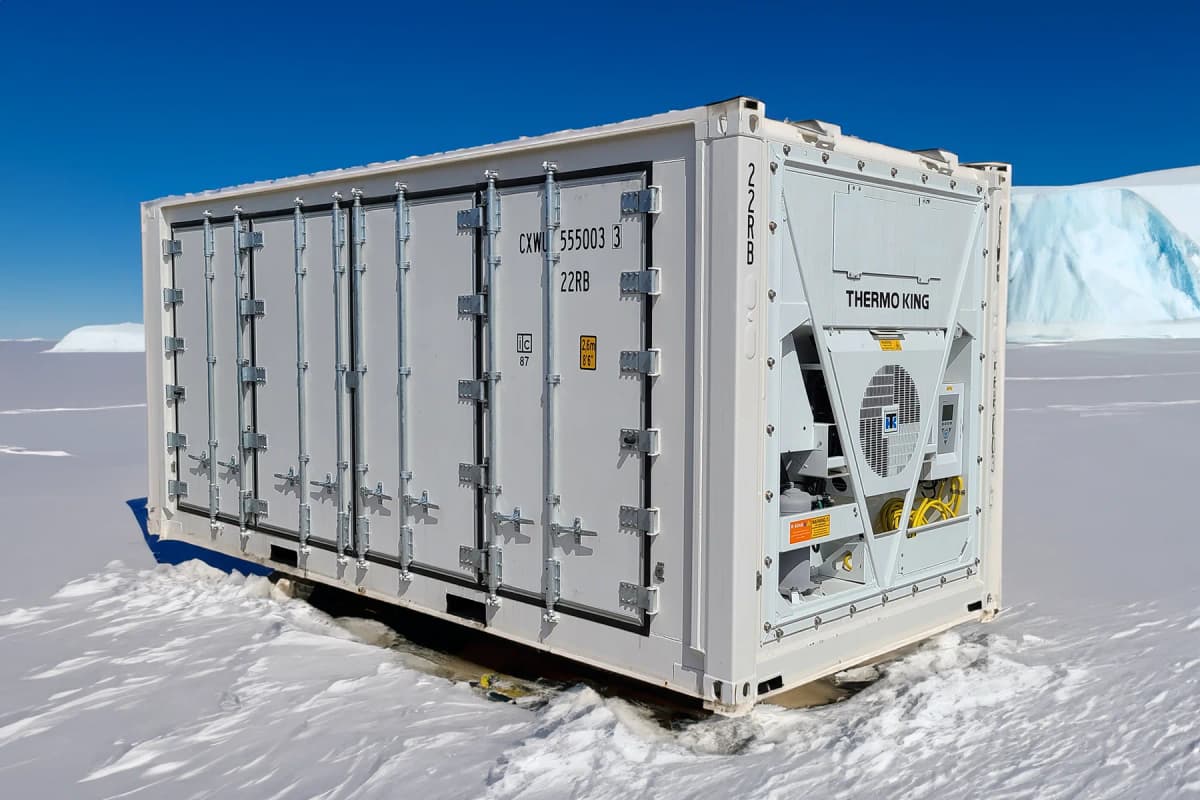
The refrigeration process in these containers follows four basic stages that work in a continuous cycle:
- Compression: The compressor pressurizes the refrigerant gas, raising its temperature
- Condensation: The hot, pressurized gas releases heat as it passes through the condenser, turning into a liquid
- Expansion: The liquid refrigerant passes through an expansion valve, which reduces pressure and temperature
- Evaporation: The cold refrigerant absorbs heat from inside the container as it evaporates back into a gas
This continuous cycle maintains the interior temperature at precise levels, with variations of less than 0.5°F in advanced systems. Each component must function perfectly for the system to operate efficiently—a failure in any part can compromise the entire cooling process.
Types of Refrigerated Containers and Their Applications
Different goods require different temperature ranges, which is why refrigerated containers work across various specifications. The temperature requirements depend entirely on the cargo being transported.
| Container Type | Temperature Range | Common Applications |
|---|---|---|
| Standard Refrigerated | 2°C to 8°C (36°F to 46°F) | Fresh produce, dairy products, cut flowers, certain pharmaceuticals |
| Deep Freeze | -18°C to -25°C (0°F to -13°F) | Frozen meat and seafood, ice cream, frozen prepared meals, certain medical supplies |
| Controlled Atmosphere | Varies by cargo | Fresh fruits that require gas level control (oxygen, carbon dioxide, ethylene) |
| Multi-Temperature | Multiple zones at different settings | Mixed cargo requiring different temperature conditions |
Beyond just temperature, controlled atmosphere containers regulate oxygen levels, carbon dioxide concentration, humidity, and ethylene levels for fresh produce. This sophisticated environmental control can extend the shelf life of fruits and vegetables by weeks. Multi-temperature units feature divided compartments with separate temperature zones, allowing transport of different product types in a single container, each with independent monitoring systems.
Five Key Maintenance Practices for Optimal Refrigerated Container Performance
Maintaining refrigerated containers properly is essential for reliable operation. These five key maintenance practices help ensure optimal performance throughout the container's service life:
1. Regular Refrigerant System Inspections
The refrigerant system requires consistent attention to prevent failures. Monthly checks of refrigerant levels help catch potential leaks early, while regular inspections of refrigerant lines can identify weak points before they fail. Quarterly cleaning of condenser coils ensures efficient heat transfer, and bi-annual testing of pressure relief valves maintains safety compliance. These routine checks, while simple, are the frontline defense against system failures.
2. Temperature Monitoring System Verification
Temperature monitoring is only as reliable as its most recent calibration. Sensors should be calibrated every six months to ensure accuracy, while alarm systems require monthly testing to verify proper function. Before each shipment, the data logging functionality should be verified, and multiple sensor readings should be compared to identify any discrepancies that might indicate a failing sensor. This comprehensive approach to monitoring system maintenance provides confidence in temperature data integrity.
A single undetected monitoring failure can result in an entire shipment being rejected upon arrival if temperature compliance cannot be verified. Proper verification procedures prevent this costly outcome.
3. Door Seal Maintenance
Door seals represent a critical vulnerability in the insulation system. Before each loading, gaskets and seals should be thoroughly inspected for any signs of wear or damage. Door tracks need regular cleaning to prevent debris accumulation that could compromise seal integrity. Moving parts benefit from quarterly application of food-grade lubricant to ensure smooth operation. When damage is detected, the best practice is immediate replacement rather than attempted repairs, as compromised seals can lead to significant temperature fluctuations.
4. Drainage System Care
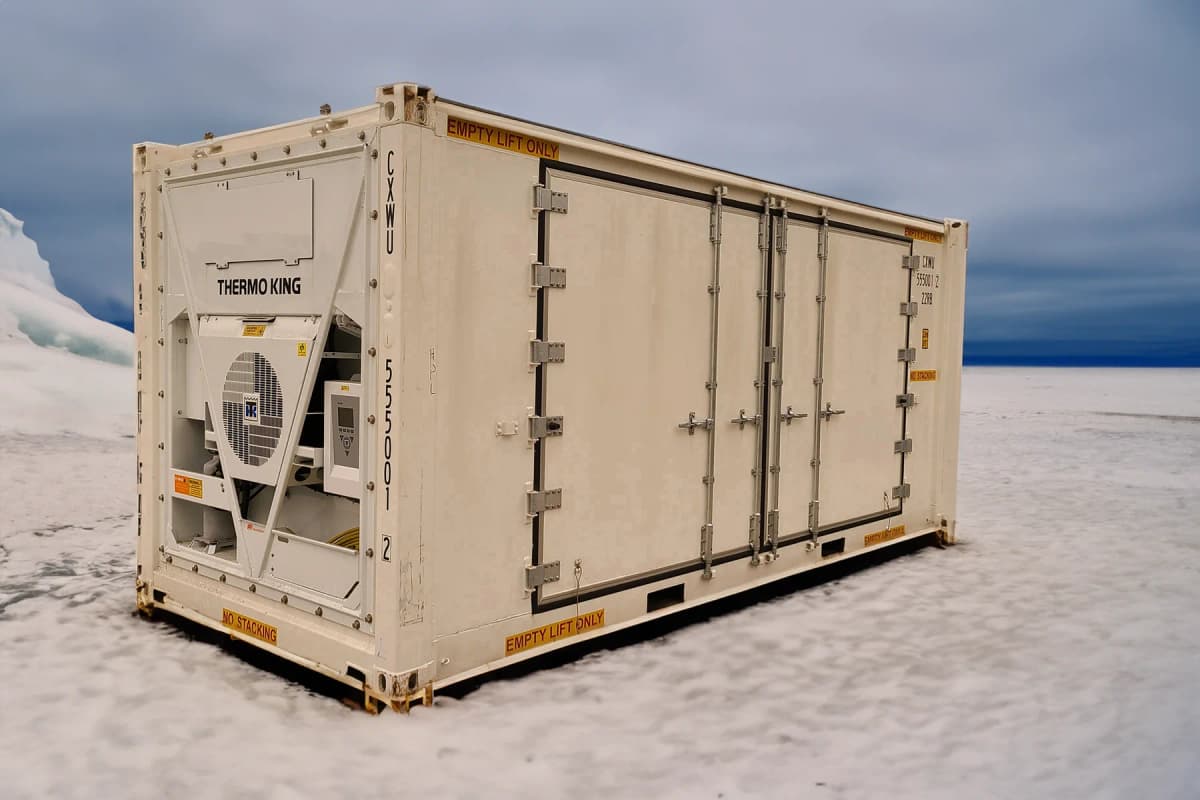
Proper drainage prevents water accumulation that can damage cargo and components. Condensate drains should be cleared monthly to prevent blockages, while drain heaters in freezer units require regular verification to prevent ice formation. Quarterly flushing of drain lines with approved sanitizer prevents bacterial growth, and routine inspections of the drain pan condition help identify corrosion or damage before leaks develop. A properly functioning drainage system is essential for maintaining container integrity and preventing water damage to cargo.
5. Pre-Trip Preparation Protocol
Thorough preparation before each journey ensures reliable operation throughout transit. Pre-cooling the container for 12 hours before loading brings the interior to the target temperature, reducing stress on the system when cargo is loaded. Verification of proper operation across the full temperature range confirms the system can handle any conditions it might encounter. Testing operation on backup power systems ensures continuity if primary power fails, and documenting all test results provides necessary compliance evidence for sensitive cargo.
Advanced Features in Modern Refrigerated Containers
Today's refrigerated containers incorporate technology that goes far beyond basic cooling. These advanced features enhance control, efficiency, and reliability in ways that were impossible just a decade ago.
Remote monitoring capabilities have transformed how these containers are managed. GPS location tracking provides real-time position data, while temperature monitoring accessible via smartphone apps keeps managers informed of conditions regardless of their location. Automated alert systems immediately notify stakeholders of any temperature deviations, allowing rapid response to potential problems. Fuel and power supply monitoring helps prevent unexpected shutdowns, and predictive maintenance notifications identify potential issues before they cause failures.
Energy efficiency has become a major focus in newer designs. Variable speed compressors adjust to cooling demand instead of cycling on and off, significantly reducing power consumption. LED lighting further reduces heat load and power usage, while advanced insulation materials minimize heat transfer with thinner profiles than older materials. Smart defrost cycles operate only when necessary rather than on fixed schedules, and some cutting-edge units even incorporate solar panels to supplement power, particularly valuable for units sitting in terminals for extended periods.
Smart loading technologies ensure cargo maintains consistent temperatures throughout. Sophisticated air distribution systems direct cold air precisely where it's needed, while load lockdown mechanisms prevent shifting that could block air circulation. Temperature mapping capabilities identify potential hot spots before they develop, humidity control systems protect sensitive cargo from moisture damage, and air exchange systems for fresh produce remove ethylene gas that could accelerate ripening.
Cost Considerations for Refrigerated Container Operations
Understanding how refrigerated containers work also means recognizing their operational costs, which differ significantly from standard shipping containers.
The initial investment is substantial, with purchase prices typically 3-4 times higher than standard containers of the same size. For those not ready to commit to ownership, lease options range from $150-500 per day depending on size and features. Additional equipment like generators can add 15-20% to base costs, and specialized handling equipment may be required for efficient operations. This higher capital expenditure must be justified by the value of temperature-sensitive cargo.
Operational expenses continue throughout the container's service life. Power consumption ranges from 3-7 kW per hour depending on ambient conditions and set point temperatures. Annual maintenance costs average 8-12% of the purchase price, significantly higher than standard containers. Refrigerant replacement and environmental compliance costs continue to rise as regulations tighten, and insurance premiums tend to be higher due to both cargo value and equipment complexity.
Several cost-saving strategies can help optimize operations. Pre-cooling products before loading reduces the container's workload during the critical initial cooling phase. Proper loading techniques improve air circulation and efficiency, reducing power consumption throughout transit. Regular preventative maintenance, though an expense itself, prevents far costlier emergency repairs. Energy-efficient models command premium prices but offer 25-40% power savings over standard units. Finally, multiple-use interior configurations maximize cargo capacity, improving the economics of each shipment.
Space Utilization Techniques for Maximum Capacity
Proper loading is essential for how refrigerated containers work efficiently. The way cargo is arranged inside the container directly impacts cooling efficiency, capacity utilization, and ultimately, profitability.
Strategic loading patterns make the difference between successful and failed shipments. Cartons should be stacked to create air channels that allow cold air to circulate throughout the load. Products must be kept away from walls to prevent direct contact with heat sources—the exterior walls of the container can transfer heat from outside, even with good insulation. Proper palletizing techniques maximize space while maintaining necessary air gaps. When mixing cargo types, product respiration rates must be considered, as some products release heat or gases that can affect others. Load bars prevent shifting during transit, maintaining those critical air channels throughout the journey.
Specialized equipment enhances loading efficiency in various ways. Air delivery chutes direct cold air to critical areas that might otherwise receive inadequate cooling. Dunnage bags fill void spaces to prevent movement that could block air circulation. Temperature-specific packaging complements the container's cooling system, providing additional insulation around particularly sensitive items. Pallet supports keep products elevated for proper air circulation beneath the load, and insulated bulkheads create effective barriers in multi-temperature loads.
Common Challenges and Troubleshooting
Even with advanced technology, refrigerated containers can encounter issues that require immediate attention. Understanding these common challenges is essential for anyone responsible for temperature-sensitive cargo.
Temperature fluctuations represent the most frequent concern. These can result from door seal leaks that allow warm air infiltration, inadequate pre-cooling that forces the system to work harder than designed, or power interruptions that temporarily halt the cooling system. Solutions include regular seal maintenance as part of a preventative program, extending pre-cooling periods to ensure thorough temperature stabilization, and implementing backup power systems for critical shipments.
System failures, though less common, can have catastrophic consequences. Warning signs include unusual noises that might indicate compressor problems, temperature alarms indicating the system can't maintain set points, or visible frost buildup suggesting refrigerant or air flow issues. Emergency procedures should be established before problems occur, including plans for transferring goods to backup units, deploying portable cooling systems, and expediting repairs through pre-arranged service agreements.
Regulatory compliance adds another layer of complexity. Different countries have varying requirements for temperature-sensitive goods, particularly for food and pharmaceuticals. Documentation must include continuous temperature records that regulatory agencies may request for inspection. Many jurisdictions require periodic equipment certification by authorized inspectors, and refrigerant types must comply with environmental regulations that continue to evolve as older refrigerants are phased out globally.
Regulatory Compliance Essentials
Transporting goods in refrigerated containers involves navigating various regulations that protect public health, ensure product quality, and minimize environmental impact.
The Food Safety Modernization Act (FSMA) has transformed requirements for food transportation in the United States. It mandates continuous temperature monitoring and recording throughout transit, creating an unbroken record of conditions. Prevention-based controls must be implemented throughout transportation, with specific handling protocols documented for different food types. Documentation requirements extend to the entire cold chain, not just the container itself, requiring coordination between all parties involved in the shipment.
Pharmaceutical transportation faces even more stringent standards. Good Distribution Practice (GDP) compliance is mandatory for medical products in most markets, requiring meticulous temperature mapping validation before a container can be approved for pharmaceutical use. Excursion management protocols must define exactly how temperature deviations will be handled and reported, and data integrity requirements ensure that temperature records can't be altered or manipulated.
Environmental regulations continue to evolve as well. The Montreal Protocol has restricted many traditional refrigerants, requiring transitions to more environmentally friendly alternatives. Carbon emission reporting is now mandatory in many jurisdictions, affecting choices in refrigeration technology. Energy efficiency standards increasingly influence equipment selection, and end-of-life disposal requirements ensure that retired containers and their components are handled in environmentally responsible ways.
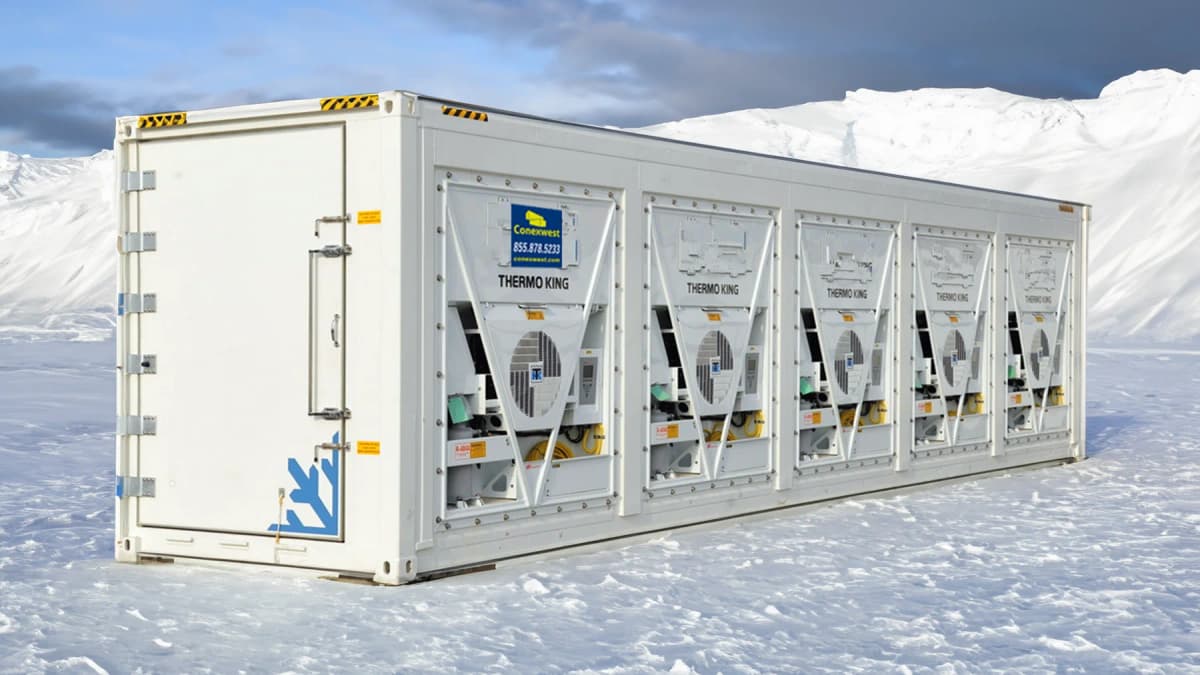
Suppliers like Conexwest offer refrigerated container solutions that help businesses navigate these complex requirements while maintaining product integrity, providing not just the equipment but also the expertise to ensure compliance.
Future Innovations in Refrigerated Container Technology
The technology behind how refrigerated containers work continues to evolve, with several promising innovations on the horizon that will further improve efficiency, reliability, and environmental performance.
Sustainable refrigeration represents the most significant trend. Natural refrigerants are increasingly replacing synthetic options, reducing global warming potential by orders of magnitude. Solar-powered auxiliary systems are becoming more common, particularly for containers that spend extended periods in sunny terminals. Hybrid power solutions that can switch between multiple energy sources optimize efficiency based on availability, and recycled and sustainable insulation materials reduce the environmental footprint of container manufacturing without compromising performance.
Artificial intelligence and predictive systems are revolutionizing container management. Generative AI and Machine learning algorithms analyze historical performance data to deliver optimal temperature management strategies that balance product safety with energy efficiency. Predictive maintenance identifies potential component failures before they occur, dramatically reducing downtime. Route optimization algorithms consider power availability along planned routes to minimize costs, and automated inventory management systems inside containers provide real-time cargo condition monitoring beyond simple temperature.
Integration with blockchain technology is enhancing transparency and security. Immutable temperature records provide irrefutable evidence of compliance throughout transit. Smart contracts can trigger payments automatically based on verified condition maintenance, streamlining transactions. End-to-end traceability for sensitive products builds consumer confidence, particularly for pharmaceuticals and premium food products. Automated compliance documentation reduces administrative burden while improving accuracy, allowing companies to focus on their core operations rather than paperwork.
The Continuing Evolution of Cold Chain Logistics
Understanding how a refrigerated container works reveals the complex engineering and careful planning behind global cold chain logistics. From the basic refrigeration cycle to advanced monitoring systems, these specialized containers make it possible to transport everything from tropical fruits to life-saving vaccines across thousands of miles while maintaining perfect conditions.
For businesses dealing with temperature-sensitive products, investing time in understanding refrigerated container operations can lead to significant improvements in product quality, regulatory compliance, and operational efficiency. With continuing advances in technology and growing demand for temperature-controlled transportation, refrigerated containers will remain a critical link in the global supply chain for decades to come.
Whether you're shipping pharmaceuticals across oceans or fresh produce across state lines, the fundamental principles of how refrigerated containers work remain the same: precise temperature control, reliable power systems, proper insulation, and careful monitoring throughout the journey.