
It's recommended to clean your shipping container at least once every six months.
How To Clean Shipping Containers
Guide to Cleaning Shipping Containers
Key Takeaways
- Regular cleaning of shipping containers maintains their safety.
- Maintaining cleanliness also prolongs the lifespan of the container.
- Avoid common mistakes like using harsh chemicals or neglecting the roof.
- Conexwest provides high-quality and customizable shipping containers in sizes from 10ft to 45 ft.
Tools and Supplies Required for Cleaning
1. Cleaning Tools
- High-Pressure Washer: Ideal for blasting away dirt, grime, and stubborn stains from both the interior and exterior surfaces of the container.
- Industrial Vacuum Cleaner: Useful for removing dust and debris from hard-to-reach areas within the container.
- Brooms and Brushes: A sturdy broom for sweeping debris and a scrub brush for tougher stains are essential.
- Mops and Buckets: Necessary for applying cleaning solutions and rinsing surfaces.
- Squeegees: Effective for removing excess water from flat surfaces and speeding up the drying process.
Cleaning Agents
- Mild Detergent: Suitable for general cleaning to remove dirt without damaging the container's surfaces.
- Disinfectant: Important for sanitizing, especially if the container previously held perishables or chemicals.
- Specialized Degreasers: For tougher stains, particularly those involving oils or chemicals.
Safety Gear
- Gloves: Protect hands from harsh chemicals and contaminants.
- Safety Goggles: Essential when using high-pressure washers to guard against debris.
- Masks: Recommended to avoid inhaling dust or fumes during cleaning processes.
Additional Supplies
- Microfiber Cloths: For wiping down surfaces post-cleaning without leaving lint behind.
- Protective Tarps or Sheets: Useful for covering sensitive equipment inside the container during cleaning.
- Leaf Blowers or Air Compressors: Helpful for clearing out small debris and pests before wet cleaning begins.
Conexwest, a leader in shipping and storage solutions based in Northern California, offers new, used, and refurbished containers from 10ft to 45ft, with fast delivery within 3-7 days and container fabrication options like adding shelves and locks. We serve over 10,000 customers nationwide, including prestigious clients like the U.S. Navy and Google. As an ISO 9001 and AWS-certified company, we ensure top quality and competitive pricing. |
Step-by-Step Cleaning Process
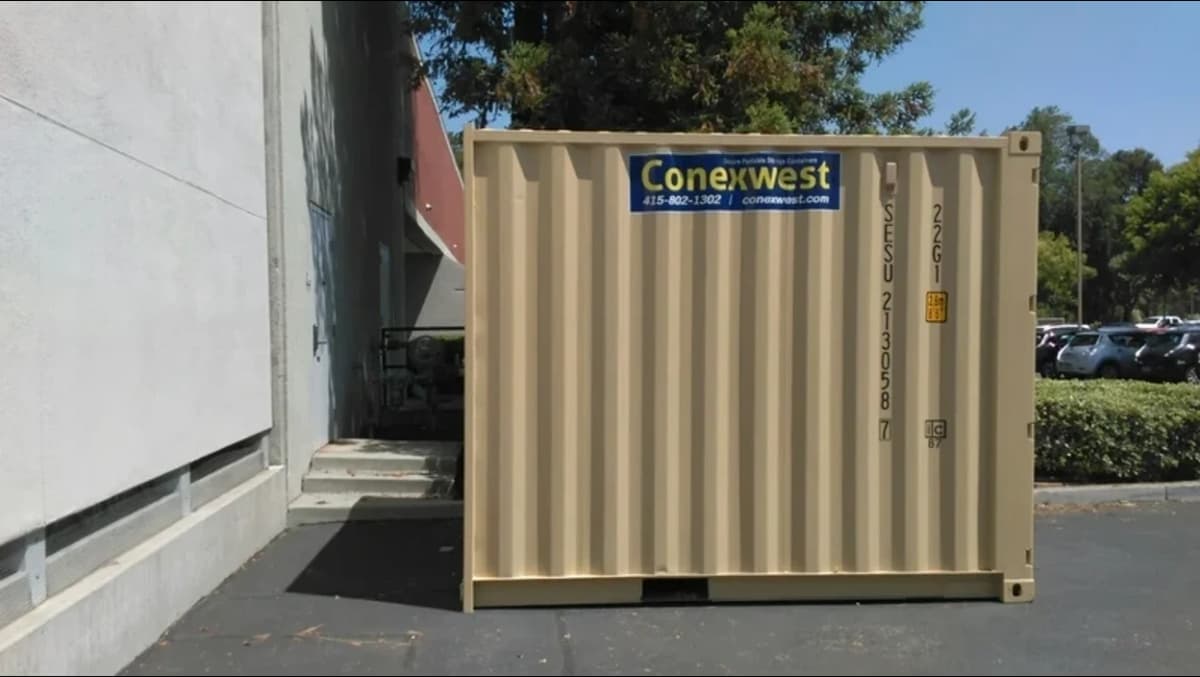
Conexwest sells and rents shipping containers in sizes from 10ft to 45ft.
Step 1: Preparation
- Empty the Container: Remove all items from the container to access every surface that needs cleaning.
- Inspect for Damage: Before cleaning, check for any structural issues such as rust, holes, or dents.
Step 2: Initial Cleaning
- Sweeping: Use a heavy-duty broom to sweep out loose debris and dust.
- Vacuuming: After sweeping, use an industrial vacuum cleaner to remove stubborn dust and particles that may remain on surfaces.
Step 3: Washing
- Mix Cleaning Solution: Prepare a solution using a mild detergent mixed with warm water in a bucket. For tougher stains, consider using a specialized degreaser.
- Scrubbing: Using a scrub brush or a large sponge, scrub every surface inside and outside the container. Pay special attention to corners and crevices where dirt tends to accumulate.
- Pressure Washing: If available, use a high-pressure washer to rinse off all surfaces thoroughly. This method effectively removes stubborn grime and helps detect any hidden damages like cracks or holes.
Step 4: Drying
- Ventilation: Lave the doors open to allow air circulation and let the container dry completely to prevent mold and mildew growth.
- Check for Remaining Moisture: Check that all areas are dry before storing items back inside.
5. Inspection and Maintenance
- Visual Inspection: Once the container is dry, conduct a thorough visual inspection for any signs of rust, dents, or other damages that may need repair. Look for contaminants like insects or plant material that could pose problems later on.
- Rust Removal: If rust is present, use medium-grit sandpaper or a wire brush to scrub away rust spots. After sanding, apply a primer paint to prevent future corrosion.
6. Final Touches
- Disinfecting: If the container was used for perishables or chemicals, apply a disinfectant solution to sanitize surfaces after washing.
- Repainting (if necessary): If the exterior paint is peeling or faded, consider repainting with rust-resistant paint to protect against environmental factors.
7. Regular Maintenance
Establish a regular cleaning schedule (at least twice a year) to keep your shipping container in optimal condition. Regular checks and cleanings will help prevent the buildup of dirt and contaminants over time.
Common Mistakes To Avoid
1. Using Harsh Chemicals Without Caution
While it might be tempting to use strong chemicals for cleaning, many commercial cleaners contain harsh substances that can be harmful to both the environment and your health.
Always opt for eco-friendly cleaning solutions when possible and maintain proper ventilation when using any chemical cleaners.
2. Not Wearing Protective Gear
Not using protective gear such as gloves, masks, and goggles can expose you to dust, mold spores, and harmful chemicals during the cleaning process.
Always prioritize safety and use the necessary protective equipment.
3. Repacking Too Quickly
Once the container is cleaned and dried, rushing to repack it without checking for moisture or contaminants can negate your cleaning efforts.
Check that all items are dry and clean before placing them back into the container.
Choose Conexwest For Your Shipping Container Needs
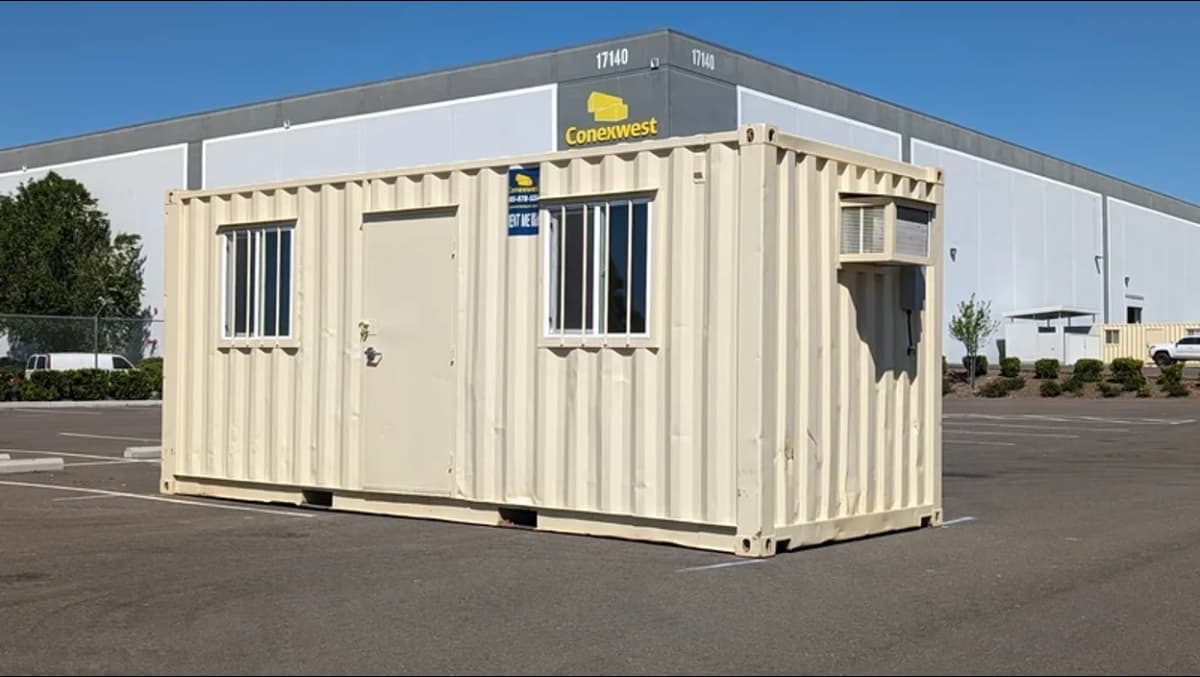
Conexwest offers a wide range of shipping containers for rent and sale.
At Conexwest, we are your one-stop shop for shipping containers - we can even turn them into an office or a pool.
1. Extensive Inventory and Options
We have a vast inventory of new, used, and refurbished containers including general-purpose, high cube, refrigerated, and even mobile office containers. Our selection caters to various needs - from residential storage to industrial applications.
2. Customization and Flexibility
With our ConexBuilder tool, you can virtually modify your container with customizations like doors, windows, shelving, paint, and more. Our team will then work to make it a reality.
3. Commitment to Quality and Customer Satisfaction
We are passionate about delivering high-quality products and exceptional customer service. Each of our containers comes with a warranty of up to 10 years.
Was this helpful?
Frequently Asked Questions
While some household cleaners can be used, make sure to choose mild detergents that won't corrode the metal. Avoid using harsh chemicals that can damage the container's surface. Always test a small area first to check if the cleaner is safe to use.
Use a rust remover or a mixture of vinegar and baking soda. Apply the solution to the rusted area, let it sit for a few minutes, and then scrub with a wire brush or steel wool. Rinse thoroughly and dry the area to prevent new rust from forming.
After cleaning, allow the container to dry completely before storing items inside. Conduct a final inspection to check if all surfaces are clean and dry to prevent any issues related to moisture or contaminants.
Yes, we provide several additional services:
- Structural Engineering Services: For custom modifications or repairs.
- Depot Services: If you need storage solutions before or after transportation.
- Hauling Services: We can move containers safely and efficiently if needed.