
The production capacity of a shipping container brewery can vary depending on factors like the size of the container, the equipment used, and the number of fermentation tanks. However, multiple containers can be used to scale up production.
Guide to Building a Shipping Container Brewery
Building a Shipping Container Brewery
Key Takeaways
- Shipping container breweries have a unique aesthetic that attracts customers.
- They are cost-effective to allow you to save on construction and invest more in brewing equipment.
- Using shipping containers is eco-friendly and promotes sustainability.
- Proper planning and understanding of regulations are essential for success.
- Conexwest is a reliable shipping container provider that also provides extensive customization options.
Why Build a Shipping Container Brewery
- Cost-Effectiveness: Shipping containers are cheaper than traditional construction materials. This affordability allows breweries to allocate resources toward equipment and ingredients rather than extensive building costs.
- Speed of Construction: The conversion of shipping containers into functional brewery spaces can be completed relatively quickly, often within weeks.
- Mobility: Shipping containers can be relocated easily to allow breweries to adapt to market demands or change locations as needed.
- Durability: Designed to withstand harsh maritime conditions, shipping containers are strong and resilient. They can endure extreme weather, which makes them suitable for various environments.
- Eco-Friendly: Using recycled shipping containers promotes sustainability by repurposing materials that would otherwise go to waste. This aligns with growing consumer preferences for environmentally conscious businesses.
- Customizability: Containers can be modified to meet various brewing needs, including the installation of specialized equipment and aesthetic elements that boost the brewery's brand identity.
- Unique Aesthetic: The industrial look of shipping containers creates a distinctive atmosphere that attracts customers and improves brand recognition.
- Reduced Overhead: Operating from a shipping container can lower overhead costs compared to traditional commercial spaces to allow for more competitive pricing and higher profit margins.
Conexwest, a leader in shipping and storage solutions based in Northern California, offers new, used, and refurbished containers from 10ft to 45ft, with fast delivery within 3-7 days and container fabrication options like adding shelves and locks. We serve over 10,000 customers nationwide, including prestigious clients like the U.S. Navy and Google. As an ISO 9001 and AWS-certified company, we ensure top quality and competitive pricing. |
Steps to Building a Shipping Container Brewery
1. Research and Planning
This includes understanding local zoning laws and health regulations and obtaining necessary permits for operating a brewery. Planning also involves deciding on the type of beer to brew, the scale of operations, and the overall design of the brewery. This step sets the foundation for a successful venture and helps avoid legal issues later on.
2. Acquiring Shipping Containers
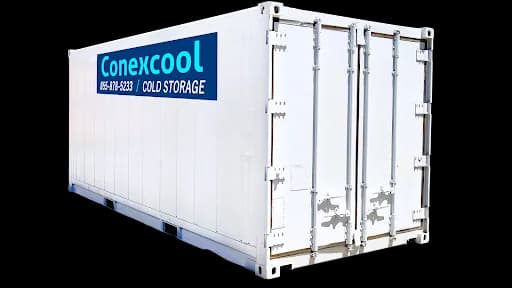
A reefer is needed to maintain the quality of the beer
Depending on the brewery's needs, you can choose from standard containers or refrigerated units (reefers) for better temperature control. It's essential to inspect the containers for structural integrity and check if they are free from rust and other damage. The choice of containers will influence the brewery's layout and functionality.
3. Design and Layout
Designing the interior layout is critical to maximizing the limited space within a shipping container. This includes planning areas for brewing, fermentation, storage, and a taproom if desired.
Consideration should be given to the flow of operations and customer experience so that the layout facilitates efficient brewing while also providing an inviting atmosphere for patrons.
4. Modifications and Insulation
Shipping containers require modifications to accommodate brewing equipment and provide proper insulation. This may involve installing doors, windows, and ventilation systems and adding insulation to maintain temperature control. Proper insulation is vital for brewing quality beer, as temperature fluctuations can affect the fermentation process.
5. Installing Equipment
After modifications, the next step is to install brewing equipment. This includes kettles, fermentation tanks, kegerators, and any other necessary machinery.
Choosing compact and efficient equipment is important for maximizing space and producing the desired volume of beer. Proper plumbing and electrical connections must also be established to support the equipment.
6. Setting Up Utilities
This includes setting up water supply and drainage systems, electricity for brewing equipment, and a reliable HVAC system for temperature regulation. Adequate utility setups are necessary for both brewing operations and maintaining a comfortable environment for customers.
7. Compliance with Regulations
Before opening, it’s essential to check if all local health and safety regulations are met. This includes obtaining licenses for brewing and selling alcohol, maintaining food safety standards, and passing any necessary inspections. Compliance protects your business legally and also allows you to build trust with customers.
8. Marketing and Launch
Finally, once everything is in place, it’s time to launch the brewery. Marketing efforts should highlight the unique aspects of a shipping container brewery, such as its eco-friendliness and innovative design. Engaging with the local community through events and tastings will help you build a loyal customer base.
Common Mistakes to Avoid When Building a Shipping Container Brewery
- Underestimating Space Needs: Misjudging the space required for brewing equipment, storage, and customer areas can lead to a cramped and inefficient layout. Careful planning is necessary to maximize the use of limited space.
- Poor Water Management: Not having a solid plan for water supply and waste disposal can create operational challenges. Having a reliable water source and proper waste management system is vital for brewery functionality.
- Choosing Incompatible Equipment: Selecting brewing equipment that does not fit well within the container or is not suited for the intended production scale can hinder operations.
- Lack of Safety Measures: Failing to implement adequate safety measures, such as fire extinguishers and emergency exits, can pose risks to staff and customers.
- Overlooking Aesthetic Appeal: Neglecting the design and branding aspects of the taproom can diminish customer experience.
How Conexwest Can Help You Build a Shipping Container Brewery
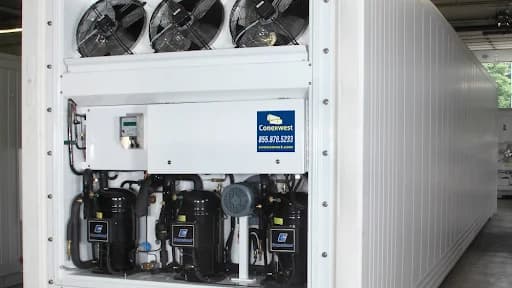
Conexwest’s inventory of shipping containers includes standard reefers as well as blast freezers
Selecting the Right Containers
We have a wide range of containers and can assist you in selecting the most suitable ones for your brewery. We consider your space requirements, production goals, and budget to help you make the best choice. Our containers are inspected for structural integrity and quality.
Customization and Modifications
We have a team of experienced professionals who can handle all aspects of container modifications, such as installing doors, windows, insulation, and ventilation systems.
Ongoing Support
Beyond the initial setup, we stay connected for ongoing support. We provide maintenance services, additional modifications, and any necessary repairs.
If you are ready, click the link below to discuss your requirements and get a free quote.
Was this helpful?
Frequently Asked Questions
Yes, one of the benefits of using shipping containers is the ease of expansion. You can add more containers to increase your brewing capacity or create additional spaces, such as a larger taproom or storage area. We can assist with the logistics and modifications needed for expansion.
Controlling temperature and humidity is essential for brewing high-quality beer. Proper insulation, ventilation systems, and HVAC units are key components in maintaining the right environment. Using refrigerated containers can also help with temperature control, especially in warmer climates.
While shipping containers can be placed in many areas, you may need to obtain permits from local authorities based on zoning regulations and building codes. It's best to check with your city or county government early in the planning process to understand the requirements. Be prepared to provide details on your container modifications and brewery layout when applying for permits.
Our extensive inventory, competitive pricing, quick delivery times, and commitment to customer satisfaction set us apart. We focus on providing high-quality containers and excellent service so your needs are met efficiently.