
Fourth of July: Fireworks, Independence, BBQs… and Shipping Containers?
Fourth of July: Fireworks, Independence, BBQs…
and Shipping Containers?
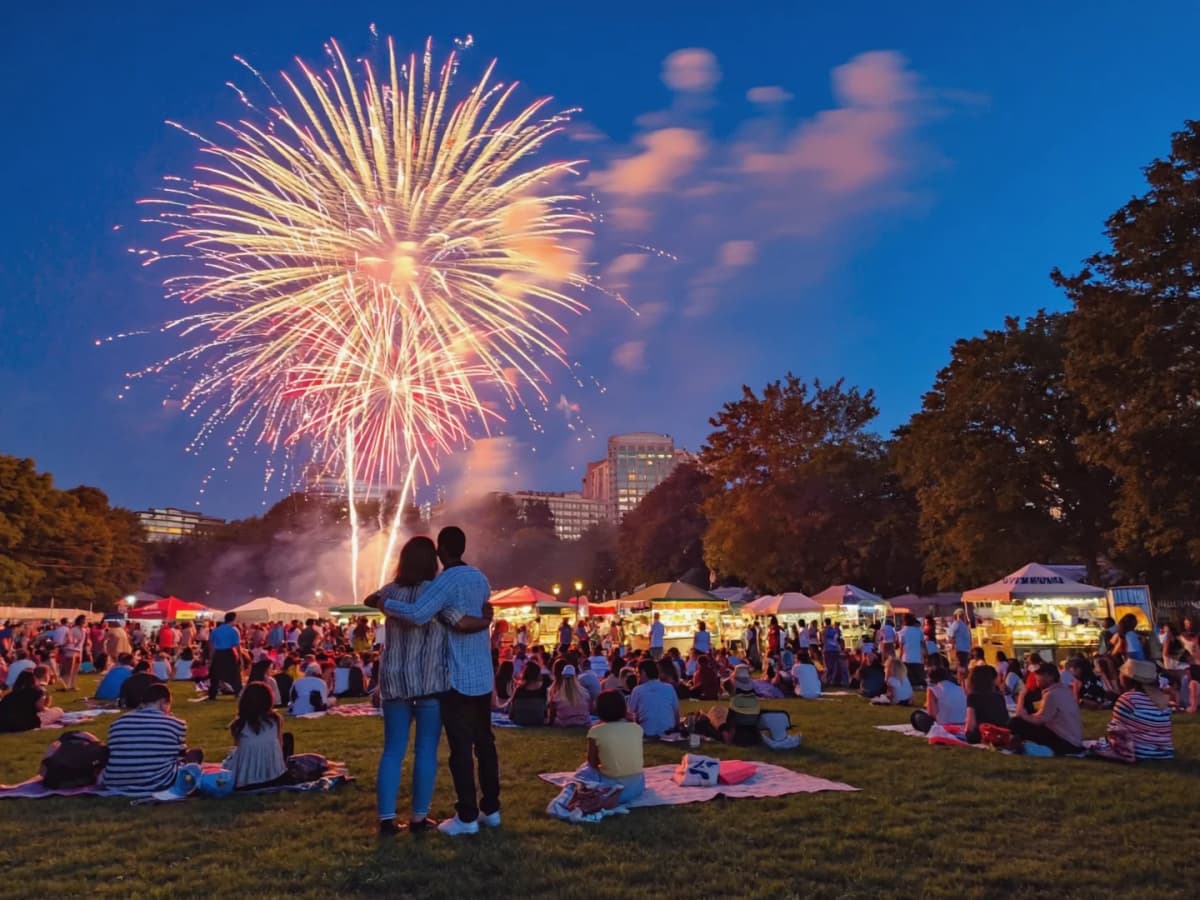 Every summer, millions of Americans look up to the night sky in awe. Not searching for a plane or a shooting star – but something brighter, louder, and more captivating: fireworks.
It’s a tradition that’s uniquely American and nearly as old as the country itself. And it all started with a vision. A day before the Declaration of Independence was even finalized , Founding Father John Adams wrote to his wife, hoping the anniversary would be remembered with “pomp and parade… games, sports, guns, bells, bonfires and illuminations from one end of this continent to the other.”
He was right. Exactly one year later, on July 4, 1777, Philadelphia hosted the nation’s first Independence Day celebration. There were parades, music, a 13-gun salute, and yes — fireworks.
While fireworks are one of the most recognizable symbols of America’s birthday, the history behind the signing of the Declaration of Independence isn’t quite so straightforward.
Before the Fireworks, There Was a Vote: How It All Really Began
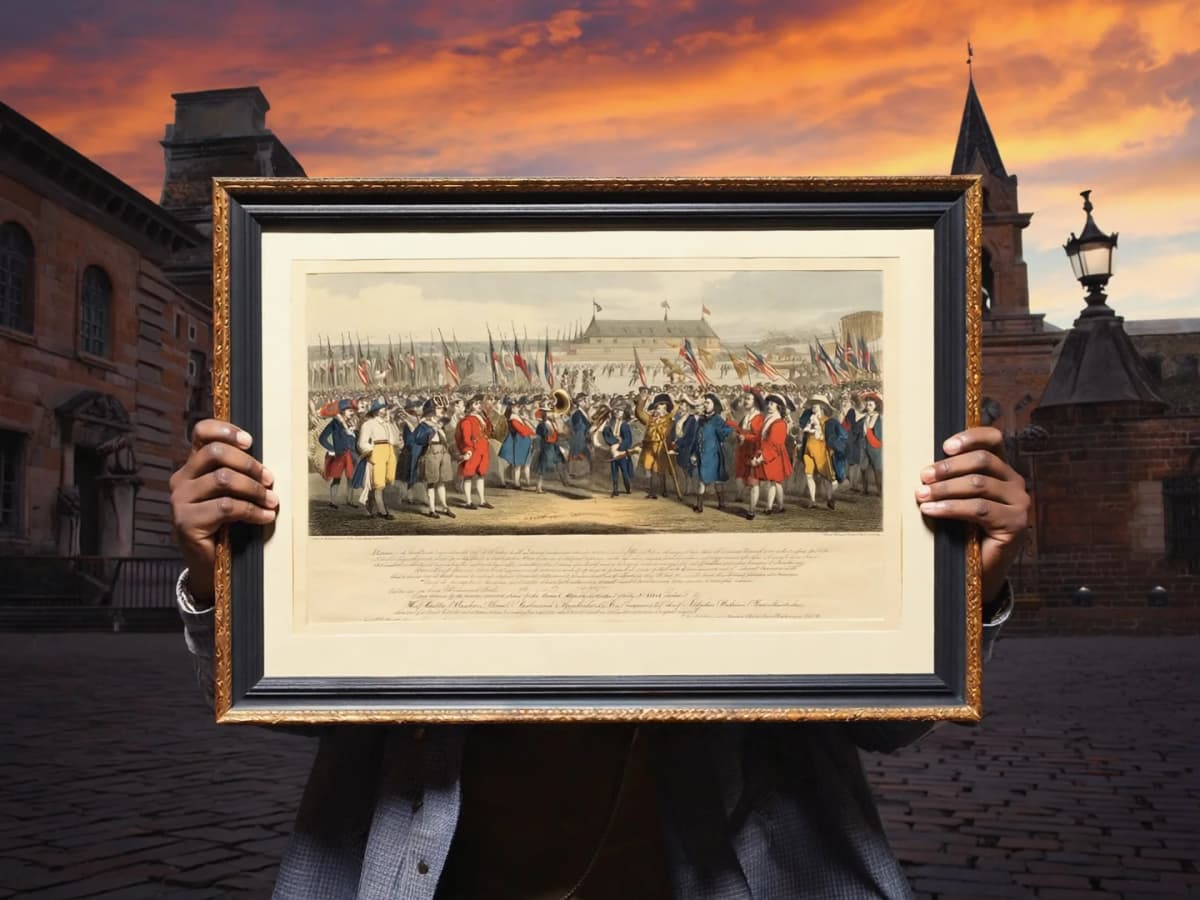
On July 2, 1776, the Continental Congress officially voted in favor of independence from Britain. But it wasn’t until July 4 that they approved the final wording of Thomas Jefferson’s Declaration of Independence and only two men signed it that day: John Hancock and Charles Thomson. The rest would sign over the following weeks, with the final signatures concluding on August 2, 1776.
While July 2 marked the official vote for independence, July 4 was the date printed on the Declaration and widely circulated in newspapers and public readings. It became the version people saw and remembered.
Following Philadelphia’s first observance in 1777, other towns began marking the day with their own rituals: bonfires, bell ringing, cannon blasts, and fireworks, planting the seeds of a shared national tradition.
 After the War of 1812, as the young nation looked to unify its identity, the Fourth of July gained even more significance. The day became not only a commemoration of independence but also a patriotic symbol of American values. Speeches, parades, and fireworks became annual staples.
One of the most remarkable coincidences in American history only deepened the day’s symbolism: both Thomas Jefferson and John Adams died on July 4, 1826 – exactly 50 years after the Declaration was adopted.
Over time, July 4 became firmly rooted in American tradition. In 1870, nearly a century after independence, Congress declared it an official national holiday. But it wasn’t until 1938 that it was recognized as a paid federal holiday, solidifying its place as a day of both, a national party and a moment of reflection.
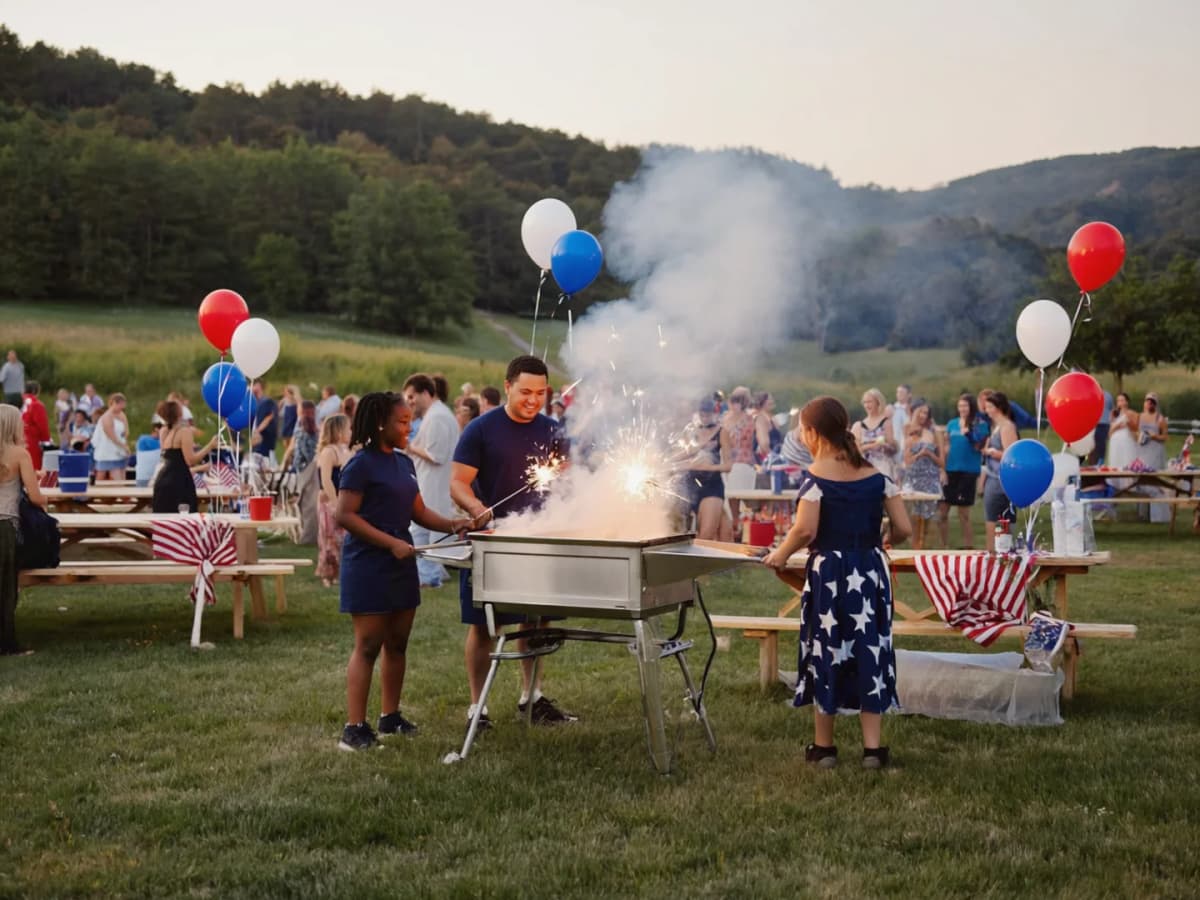
Nearly two and a half centuries later – 249 years to be exact – Independence Day continues to bring Americans together like no other occasion. It marks the peak of summer and brings Americans together over BBQs, music, flag-themed outfits, and red, white, and blue on everything from cupcakes to underwear.
Most celebrations center around beaches, lakes, parks, and of course, fireworks shows. It’s more than just a day off, it's a full-blown cultural event blending tradition, patriotism, and summer fun in a way only America can.
Whereas small-town parades and backyard fireworks are part of the charm, some cities take the festivities to a whole different level, drawing in hundreds of thousands of visitors and lighting up the sky with some of the biggest displays in the country.
Where to Celebrate the Fourth of July 2025: Top Fireworks Shows and Events Across the U.S.
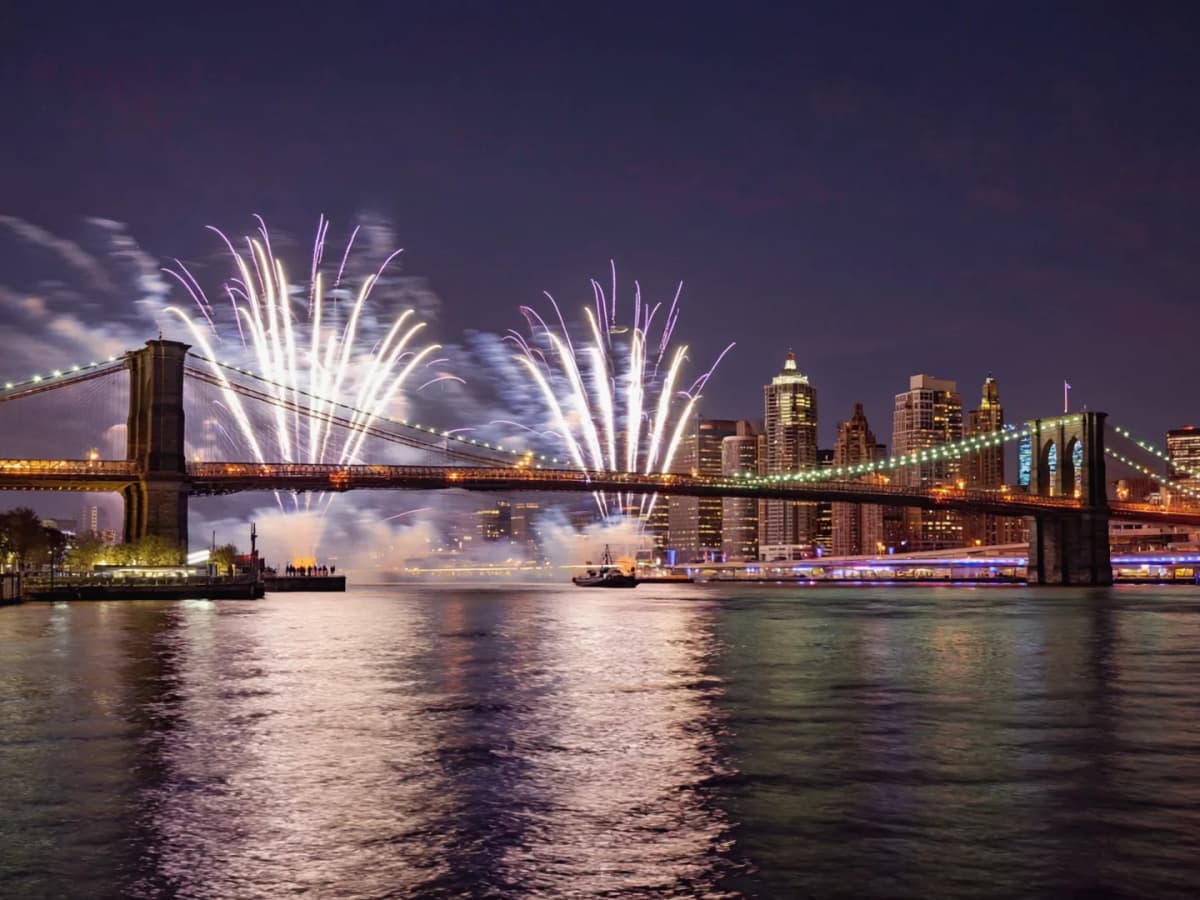 1. New York City – Macy’s 4th of July Fireworks
The largest Independence Day fireworks show in the country. Macy’s hosts a massive East River display with over 75,000 shells launched from barges, choreographed to patriotic music and broadcast nationwide. It’s a true New York spectacle: loud, grand, and unforgettable.
2. Washington, D.C. – National Mall Fireworks
There’s something powerful about watching fireworks above the Lincoln Memorial, Washington Monument, and Capitol dome. In the nation’s capital, history and celebration collide. The city also hosts A Capitol Fourth, a free concert featuring orchestras and national artists.
3. Boston – Boston Pops Fireworks Spectacular
Boston’s tradition brings history full circle. The city that sparked the revolution hosts one of the most refined and powerful parties, with a live performance by the Boston Pops Orchestra, fireworks over the Charles River, and thousands packed along the Esplanade.
4. Nashville – Let Freedom Sing!
Nashville may be known for country music, but on July 4, it's also known for one of the largest fireworks displays in the country. “Let Freedom Sing!” features live music, food trucks, and a pyrotechnic show that’s synchronized with the Nashville Symphony.
5. Philadelphia – Wawa Welcome America Festival
And of course, where it all began. Philly’s weeklong celebration includes free museum days, block parties, concerts, and a massive July 4th concert and fireworks finale near the Philadelphia Museum of Art. It’s patriotic, historic, and full of hometown pride. Although the iconic displays in places like New York and D.C. get national attention, the real magic happens in every corner of the country in ways that reflect local character, geography, and community spirit.
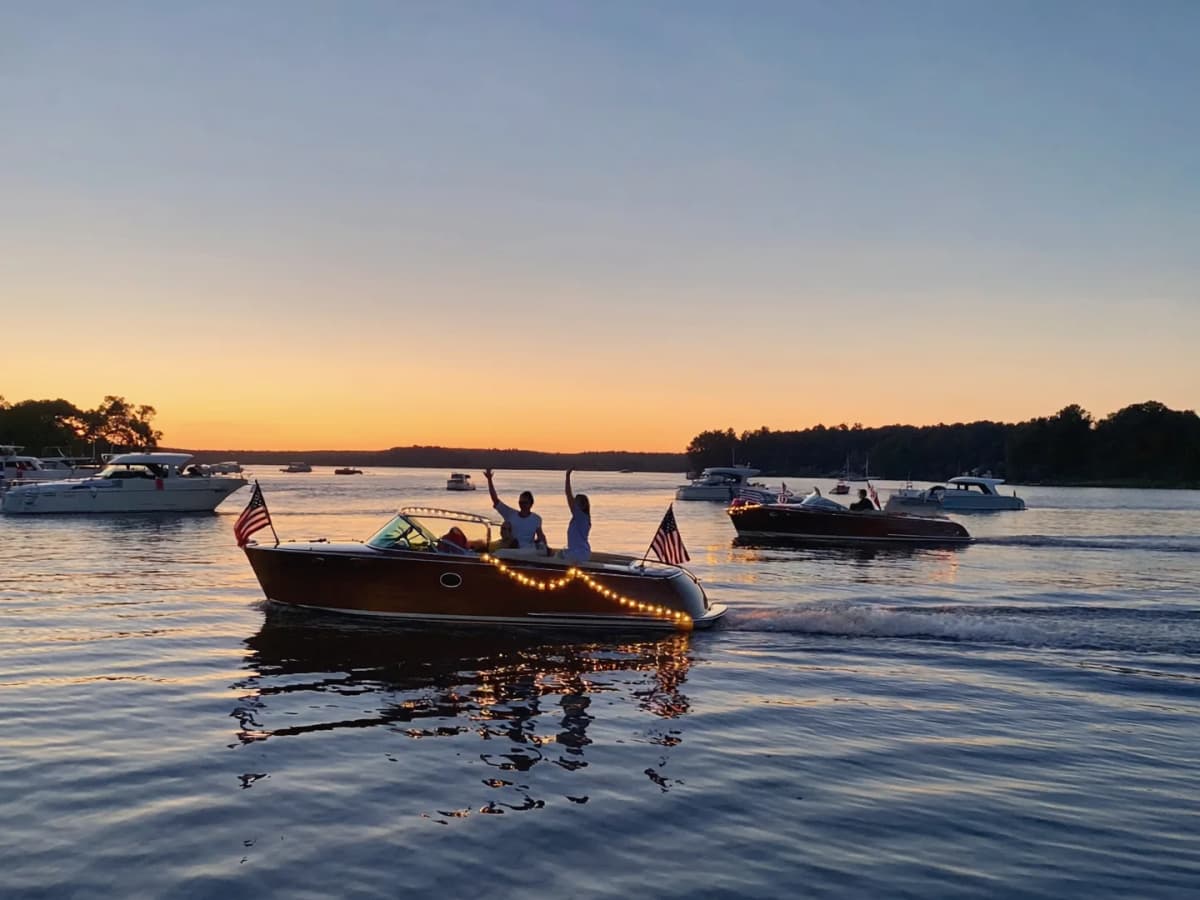 On the coasts, towns host boat parades, where vessels decked out in lights and flags cruise along harbors and shorelines. In places like Florida or Lake Tahoe, it’s not unusual to watch fireworks reflected over water from a paddleboard or pontoon.
In the Midwest and rural South, you’ll find county fairgrounds packed with families, lawn chairs arranged in rows, and firework shows that light up the cornfields. The events often include pie-eating contests, tractor pulls, and parades with high school marching bands and antique fire trucks.
Out West, especially in states like Arizona, Utah, and New Mexico, fireworks are often replaced or supplemented with laser shows and drone light displays, due to high fire risk and drought conditions showing how tradition adapts to landscape and necessity.
In small towns, the gatherings feel personal – same neighbors, same park, same traditions passed down for decades. And in big suburbs, the festivities often include backyard games, neighborhood potlucks, and an unofficial fireworks competition between dads on every block.
Wherever you go, the core remains the same: food, family, music, and that unmistakable crackle in the sky.
So, What Is Left Behind the Scenes of the Fourth of July?
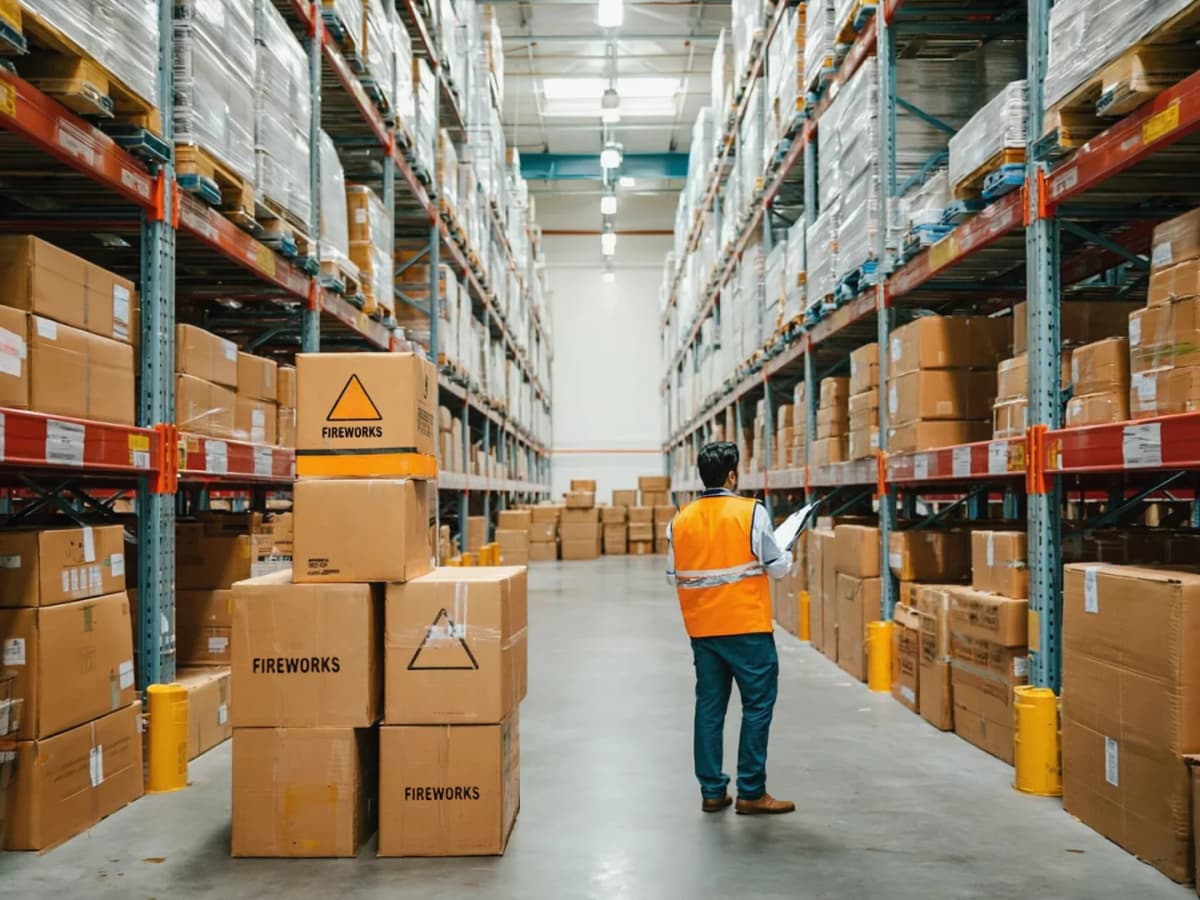 For the average American, it’s just one day of celebration but for those working behind the scenes to make the magic happen, preparations begin months in advance.
By early spring, bulk fireworks orders are placed — most of them from overseas. In fact, the U.S. imports over $300 million worth of fireworks each year, with more than 95% coming from China. Once those shipments land, the focus quickly shifts to storage, transport, fire-code compliance, and display logistics.
More than 16,000 fireworks shows will light up the sky across the U.S. on July 4 alone. From massive stadiums to quiet riverbanks, the scale is staggering. And it’s not just fireworks Americans spend over $2.7 billion each year preparing for the holiday, covering everything from permits and logistics to BBQs, flags, and face paint.
Cities begin coordinating parades, concerts, road closures, and emergency services. Fire departments inspect fireworks staging areas. Vendors apply for temporary sales permits. Meanwhile, planners manage crowd control, sanitation, sound systems, and traffic flow all for one unforgettable night.
On the retail side, pop-up firework stands start appearing in parking lots, open fields, and roadside pullouts – often weeks before the holiday. These aren’t casual setups. They require:
- Fire-code–compliant storage
- Security against theft and vandalism
- Weather protection
- Power access and mobility
- Zoning approval from local authorities
As the scale of the holiday has grown, so has the complexity of making it all come together. In recent years, one unexpected solution has quietly made that job a lot easier.
The Unseen Element Behind Fourth of July Events:
How Shipping Containers Power Independence Day
With so many moving parts behind Fourth of July celebrations from fireworks sales and pop-up stands to large-scale Independence Day events, organizers and vendors need infrastructure that’s safe, mobile, code-compliant, and fast to deploy.
That’s why, in recent years, shipping containers have quietly become one of the most essential tools behind the scenes.
More than just metal boxes, container rentals provide a fire-code–friendly, weather-resistant, and highly secure setup – crucial when working with explosive materials, sensitive inventory, or temporary event operations.
At CONEXWEST, we partner with fireworks vendors, pyrotechnic crews, and event planners across the country, especially during the Fourth of July peak season.
Our modified container units are designed to meet the specific needs of holiday operations, whether for secure storage, functional kiosks, or mobile operations hubs.
We offer solutions tailored for high-traffic events like the Fourth of July:
Fireworks storage that meets or exceeds safety standards
Retail pop-up kiosks, retail storefronts and food stands that can be customized and branded
On-site operations hubs for event staff, security, or equipment
Mobile units that can be transported, placed, and removed quickly
Lockboxes for protection from theft, heat, and summer storms
To meet rising safety standards and growing event demands, many merchants now rely on container rentals as the backbone of their operations. CONEXWEST has become a trusted partner in this space.
Our units are pre-equipped with essential upgrades like secure lockboxes, man doors for easy access, built-in shelving, full electrical setups, and interior lighting. Since many locations are remote or temporary, we also equip containers with Wi-Fi hotspots or Starlink satellite internet to help teams stay connected wherever they are.
But containers aren’t just about safety and storage — they’re incredibly adaptable. Many customers request simple customizations like awnings or window cutouts, turning standard ISO containers into functional, dynamic food stands, kiosks, or mobile storefronts tailored to their setup.
20-foot, 40-foot, and mobile office containers are particularly popular this time of year because they meet most local fire safety codes. And when city-specific regulations call for it, we make the necessary modifications to keep everything compliant and ready to go.
CONEX SIGN
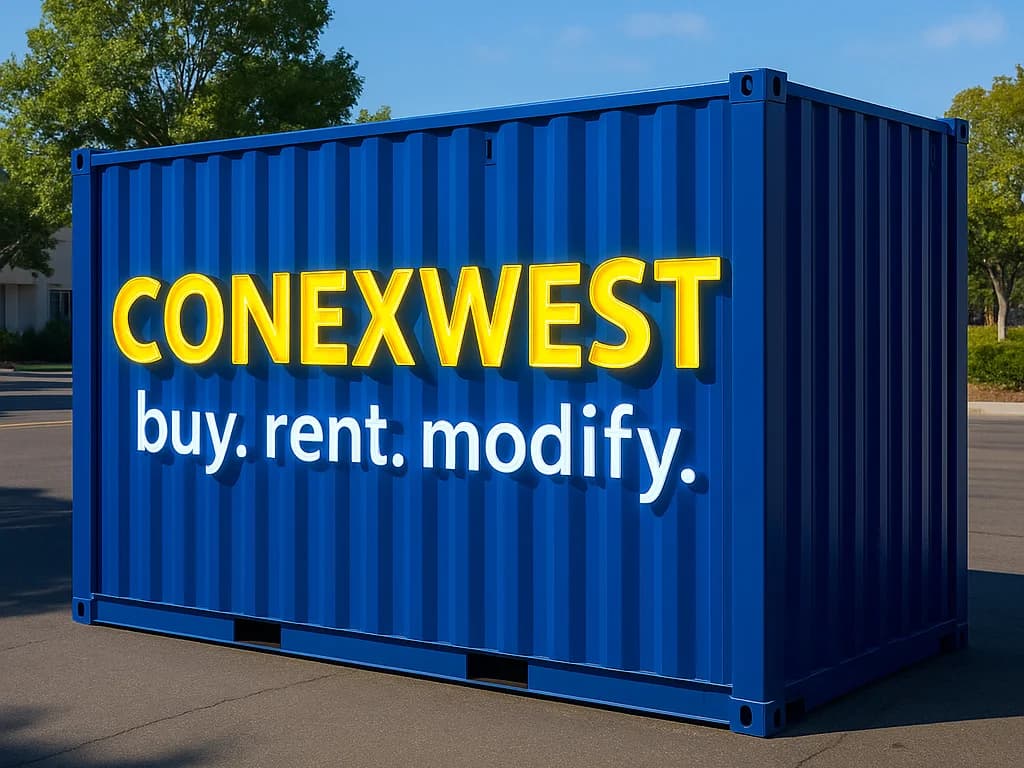 This year, we’re introducing something new: CONEX SIGN, a container mod designed with visibility in mind. It features built-in, backlit signage that displays anything from “FIREWORKS FOR SALE” to a business logo, helping your business stand out in crowded, high-traffic areas — even after dark.
For 2025, CONEX SIGN units are available for both purchase and rental, with a bit more lead time to allow for fabrication. But if you're looking to make a bold impression, it’s one way to do it instantly.
As more cities enforce stricter regulations and as events grow in size and complexity, containers have become not just convenient but essential. Because while the fireworks may last only a few minutes, the planning, safety, and coordination behind them takes weeks and demands solutions that can hold up under pressure.