
The time required to convert a shipping container into a workshop can vary based on the complexity of the modifications. On average, a basic conversion may take 2 to 4 weeks. However, more extensive customizations, such as electrical installations and insulation, might extend the timeline to 6 to 8 weeks.
Does A Shipping Container Make A Good Workshop?
Are Shipping Containers Good for Workshops?
Key Takeaways
- Shipping containers provide a portable and flexible workshop solution as they allow you to relocate your workspace with ease.
- With their strong steel construction, shipping containers provide excellent security and durability for your tools and projects.
- Setting up a shipping container workshop can be more cost-effective than traditional construction.
- Despite their advantages, shipping containers have limitations, such as space constraints and temperature control challenges.
- Conexwest is your one-stop solution for purchasing a container and converting it into a workshop.
Advantages Of Using A Shipping Container As A Workshop
1. Durability and Strength
Built from strong, weather-resistant steel, these containers can withstand harsh conditions during transport across oceans. This means that your workshop can handle everything from heavy rain to extreme temperatures without falling apart. In fact, many shipping containers have a lifespan of over 25 years, making them a long-term investment for your workspace needs.
2. Cost-Effectiveness
The initial purchase price for a used container can range from $1,000 to $6,000, depending on its size and your location. For constructing traditional brick-and-mortar buildings, this cost can go much higher.
3. Flexibility in Design
Want large windows for natural light? Built-in storage solutions? Or even separate work zones within the same container? Its adaptability makes it simple to create a workspace that perfectly suits your projects and workflow.
4. Portability
If you ever need to relocate your workshop, shipping containers have excellent portability. They can be transported with ease, allowing you to set up shop wherever you need without the hassle of traditional construction.
5. Security
Made from high-grade steel and designed to be watertight and windproof, these containers provide a secure environment for your tools and equipment. You can enhance security further with strong locks (such as a keypad entry lock) and protective measures (like using a lockbox) against tampering.
6. Eco-Friendliness
Lastly, repurposing these containers reduces waste and minimizes the need for new materials in construction. Thus, using shipping containers can be an eco-friendly choice.
Conexwest, a leader in shipping and storage solutions based in Northern California, offers new, used, and refurbished containers from 10ft to 45ft, with fast delivery within 3–7 days and container fabrication options like adding shelves and locks. We serve over 10,000 customers nationwide, including prestigious clients like the U.S. Navy and Google. As an ISO 9001 and AWS-certified company, we ensure top quality and competitive pricing. |
Challenges For Using A Shipping Container As A Workshop
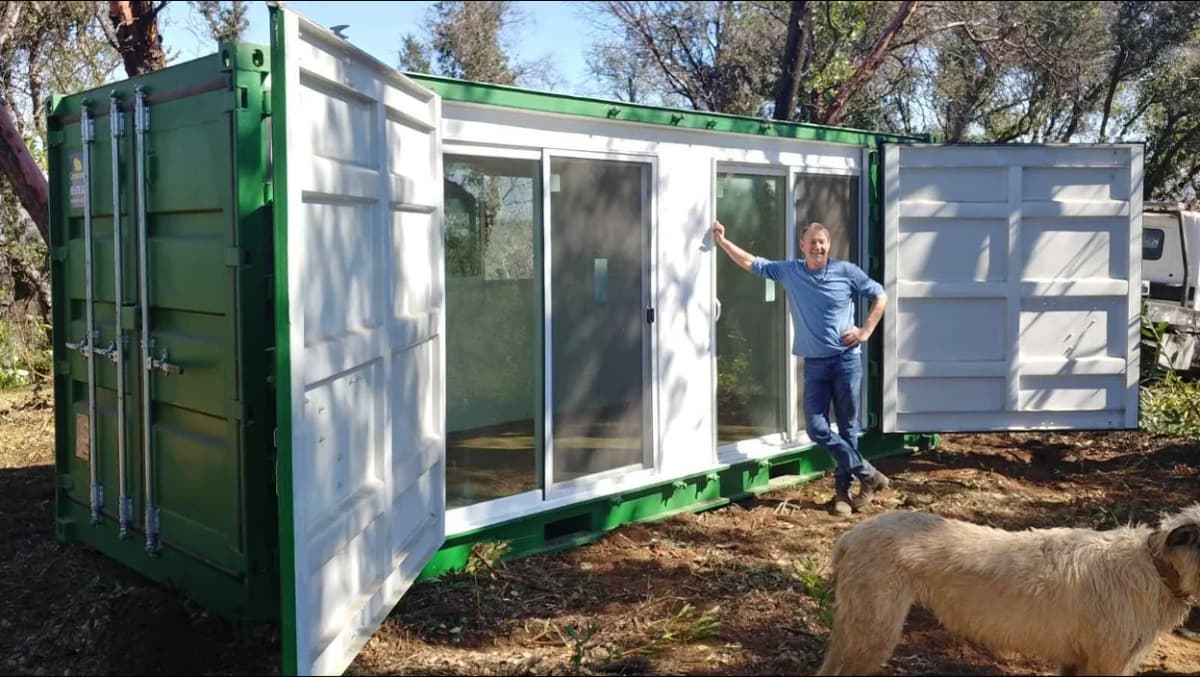
Our experts know how to design your container for the most efficient usage of space.
1. Lack of Insulation
Shipping containers are made of metal, which can lead to extreme temperature fluctuations inside. They tend to become very hot in the summer and cold in the winter. So, proper insulation is necessary, but this can add to the initial costs of the setup.
2. Ventilation Issues
Without adequate ventilation, containers can trap heat and humidity, leading to condensation problems. This necessitates additional investment in ventilation systems to maintain a stable working environment.
3. Fixed Dimensions
Shipping containers come in standard sizes (commonly 20 feet or 40 feet), which can limit design flexibility and space utilization. Additionally, their long and narrow shape may not be ideal for all types of workshops.
4. Regulatory Challenges
Depending on your local regulations, using a shipping container as a workshop may require permits or compliance with zoning laws. This can complicate the setup process and lead to unexpected delays or costs.
Pro Tip: Consult with our experts. They are well aware of shipping container regulations and can help you easily comply with them.
Key Considerations For Setting Up A Shipping Container Workshop
1. Picking the Right Container
- Size: Ask yourself, “What type of work you'll be doing, and how much space you’ll need for tools, equipment, and movement?”
- Condition of the Container: Make sure to inspect the container’s condition if it’s used. Look for rust, dents, or structural damage that could affect its usability as a workshop. A well-maintained container will save you headaches down the line.
2. Planning the Layout
- Functional Design: How do you want to arrange your tools and workstations? Consider what tasks you’ll be performing most often and design the space around those activities. For example, if you're doing woodworking, have enough space for a workbench and safe storage for materials.
- Accessibility: Your layout should allow for easy access to tools and materials. You don’t want to be constantly moving things around just to get to what you need.
3. Electrical and Lighting Needs
- Power Supply: Depending on your projects, you may need electrical outlets for tools and lighting. Plan where you'll need power sources and make sure that your setup complies with local electrical codes.
- Lighting: Adequate lighting is vital for any workshop. Consider both natural light from windows and artificial lighting options to illuminate your workspace effectively.
4. Aesthetic Touches
- Personalize Your Space: Adding personal touches like paint or decorations can make your workshop feel more inviting. Plus, a well-organized space can boost productivity as well.
How Conexwest Can Help You Turn A Shipping Container Into A Workshop
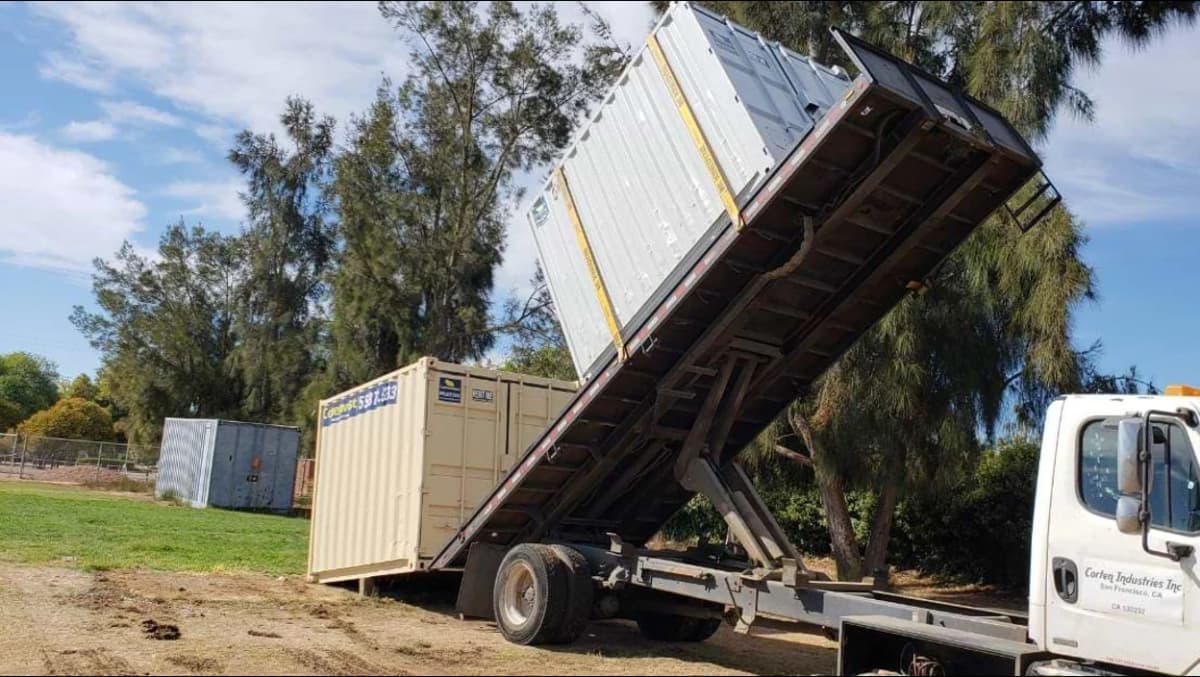
From helping you pick a container to delivering it, Conexwest takes care of everything.
If you’re considering turning a shipping container into a workshop, we at Conexwest are here to help you succeed. Our expertise in container modifications allows us to transform a simple shipping container into a fully functional and customized workspace. Here’s how we can assist you in this exciting project:
1. Selection From a Variety of Containers
We provide container sizes from 10ft to 45ft in length so you can select one that fits your space and workshop requirements perfectly. If you are not sure, our team can guide you through the selection process with your needs and budget at the center.
2. Custom Modifications
We specialize in custom modifications that can turn your container into the ideal workshop. If you need windows for natural light, doors for easy access, or specific shelving and workbench configurations, we can make it happen.
3. Delivery and Installation
Once everything is ready, we’ll handle the delivery of your modified shipping container right to your location. Our experienced team makes sure that everything is set up correctly and securely so that you can start using your new workshop immediately.
4. Ongoing Support
Even after installation, our commitment doesn’t end there. We’re here to provide ongoing support and assistance as needed. If you have questions about maintenance or want to make further modifications down the line, we’re just a call away.
Was this helpful?
Frequently Asked Questions
Typically, a container has a lifespan of 25 years or more, depending on the quality of the modifications and the environmental conditions it is exposed to. Regular maintenance, such as repainting and checking for rust, can extend its life even further.
Costs can vary widely based on the size of the container, the extent of modifications required (like insulation and electrical work), and any additional features you want to include. Generally, shipping container workshops are more affordable than traditional construction options.
You can customize your container with various features such as:
- Windows for natural light
- Insulation for temperature control
- Electrical outlets for tools
- Ventilation systems for air quality
- Shelving and workbenches for organization
Yes. We encourage you to go through our gallery of past projects to get inspiration and see what’s possible with our containers. This can help you visualize how your workshop might look once completed.