
Installation time can vary depending on the complexity of the job, but it generally takes a few hours.
Do Shipping Containers Need Roof Turbine Vent Fabrication?
Roof Turbine Vent Fabrication for Shipping Containers: Is It Needed?
Key Takeaways
- A roof turbine vent helps cycle air and maintain interior freshness in shipping containers.
- It's essential for preventing moisture build-up in warmer climates.
- Roof turbine vents do not require any power source as they use wind energy.
- Conexwest offers new and used shipping containers in different sizes and can modify them according to your preferences.
What is a Roof Turbine Vent?
Roof turbine vents are a type of passive ventilation system installed on the roof to remove hot and stale air from the interior of a container and replace it with cooler, fresh air from the outside.
These vents are cylindrical in shape and consist of a dome-shaped profile with multiple wind vanes or blades wrapped vertically around the dome. The spinning action of the turbine is powered by wind to create a vacuum effect that draws hot air out through the top of the vent.
In addition to removing heat, turbine vents also extract moisture-laden air from bathrooms and kitchens, as well as smoke, chemicals, and pollutants.
Factors Affecting Turbine Vent Effectiveness
The effectiveness of a roof turbine vent depends on several factors:
- Wind Speed: The vents require wind to operate effectively.
- Size of the Vent: Larger vents remove more air.
- Number of Vents: Installing multiple vents improves overall ventilation.
- Proper Installation: Hiring a professional like Conexwest to install vents correctly is important for optimal performance.
Conexwest, a leader in shipping and storage solutions based in Northern California, offers new, used, and refurbished containers from 10ft to 45ft, with fast delivery within 3-7 days and container fabrication options like adding shelves and locks. Conexwest serves over 10,000 national customers, including prestigious clients like the U.S. Navy and Google. As an ISO 9001 and AWS-certified company, we ensure top quality and competitive pricing. |
When You Need a Roof Turbine Vent
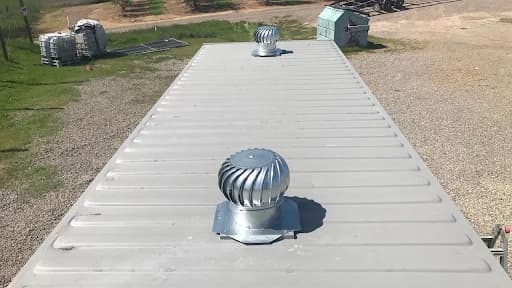
Roof turbine vents provide adequate ventilation for living and storage spaces.
- Storage of Sensitive Items: If the container is used to store items susceptible to moisture damage, such as electronics, furniture, or textiles, a roof turbine vent is essential. It helps to manage humidity levels and prevents mold and mildew growth, which can cause irreversible damage to these items.
- Hot and Humid Environments: In areas with high temperatures and humidity, turbine vents are important for expelling hot air and maintaining a cooler internal environment.
- Long-Term Storage: For containers used for long-term storage, turbine ventilation is necessary to prevent rust and corrosion of the container's metal structure. The continuous airflow helps to mitigate moisture accumulation, which can lead to rusting.
- Chemical Storage: If the container is used to store chemicals or pressurized gases, turbine ventilation is critical to prevent the buildup of harmful fumes and reduce the risk of fire or explosion.
- Living Spaces: If the shipping container is converted into a living space, adequate ventilation is vital for maintaining air quality and comfort. Without it, the interior can become stuffy and unhealthy for occupants.
When You Do Not Need a Roof Turbine Vent
- Short-Term Storage: If the container is used for short-term storage of items that are not sensitive to temperature or humidity, such as durable outdoor equipment, ventilation may not be necessary.
- Stacked Containers: If the containers are stacked, alternative ventilation methods, such as exhaust fans or side louver vents, are more suitable.
- Dry and Cool Climates: In regions with consistently dry and cool climates, the need for ventilation may be reduced.
- Containers with Built-in Ventilation: Some shipping containers come with pre-installed passive vents that provide adequate airflow. If these vents are sufficient for the intended use, additional turbine vents may not be necessary.
Advantages of Using a Roof Turbine Vent Over Other Ventilation Methods
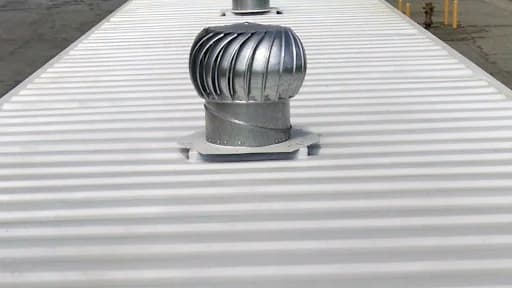
Roof turbine vents work passively using wind energy.
- Effective Air Circulation: Turbine vents use wind energy to create airflow by exhausting hot air from the container's interior and replacing it with cooler air from outside. This continuous circulation helps prevent heat and moisture buildup, which can lead to rust, mold, and mildew.
- Passive Operation: Turbine vents operate passively as they rely solely on wind power without requiring electricity. This makes them cost-effective, as they don't add to your energy bills or require maintenance like electric fans.
- Durability: Roof turbine vents are typically made from durable materials like aluminum so they can withstand harsh weather conditions without sustaining damage.
- Easy Installation: Turbine vents are designed for quick and easy installation directly on the container's roof. They come with features like rubber strips that fit snugly into the roof's corrugations for a secure and watertight fit.
- Versatility: Turbine vents can be used in various container sizes, with recommendations to install one vent for 20ft' containers and two for 40ft containers.
- Improved Air Quality: By promoting fresh air circulation, turbine vents remove stagnant air, odors, and potential pollutants from the container's interior.
How Conexwest Can Help with Shipping Container Fabrication
We provide a comprehensive range of shipping container fabrication services, including roof turbine vent installation.
- Adding Windows and Vents: This improves ventilation and natural light within the container.
- Installing Partitions and Shelving Systems: These features help you organize the interior space for various storage applications.
- Custom Paint Jobs: Containers can be painted to match branding or personal preferences.
We offer a 10-year warranty for new ISO containers and a 5-year warranty for used ones.
If you are ready, don’t hesitate to reach out to us to get a free quote for your project.
Was this helpful?
Frequently Asked Questions
Yes, roof turbine vents are designed to function in various weather conditions. However, their efficiency may be reduced in extremely calm or windless environments. In such cases, additional ventilation methods may be necessary.
- Wind Dependency: Their effectiveness relies on the wind; in calm conditions, they may not ventilate as efficiently.
- Aesthetic Concerns: Some homeowners find turbine vents less visually appealing due to their protruding design.
- Noise: While generally quiet, turbine vents can produce noise as they age or if they become loose.
- Potential for Damage: Being exposed to the elements, turbine vents can be susceptible to rust and damage from severe weather conditions.
Turbine roof vents are designed to prevent rain from entering. They are sealed to keep water out, and leaks typically occur only if the vents are damaged or improperly installed.
Yes, we provide flexible rental options for shipping containers. You can choose from short-term or long-term rental agreements based on your storage needs.