
Food storage shelves help organize and maximize the use of space in a shipping container. They make sure that food items are stored safely, remain accessible, and are protected from contamination. This is important for businesses that store large quantities of food or need to maintain high standards of hygiene.
Do Shipping Containers Need Food Storage Shelves Fabrication?
Food Storage Shelving Fabrication for Shipping Containers: Is It Needed?
Key Takeaways
- Food storage shelves are essential for organizing and maximizing space in shipping containers.
- Different types of food storage shelves are available, including adjustable and ventilated designs.
- Situations that require food storage shelves include large-scale storage needs and improving accessibility.
- Conexwest provides custom fabrication services to modify containers to meet all types of storage requirements.
What Are Food Storage Shelves
Food storage shelves refer to specialized shelving systems designed to optimize the storage and organization of food items within shipping containers. These shelves are relevant in the food and beverage industry, where efficient storage solutions are essential for maintaining inventory and food safety.
Types of Food Storage Shelves
The most common types include:
- Adjustable Shelves: These shelves can be moved up or down to accommodate items of various sizes.
- Ventilated Shelves: Designed with openings to allow air circulation and keep food fresh.
- Heavy-Duty Shelves: Built to hold large quantities of heavy items without bending or breaking.
Conexwest, a leader in shipping and storage solutions based in Northern California, offers new, used, and refurbished containers from 10ft to 45ft, with fast delivery within 3-7 days and container fabrication options like adding shelves and locks. We serve over 10,000 customers nationwide, including prestigious clients like the U.S. Navy and Google. As an ISO 9001 and AWS-certified company, we ensure top quality and competitive pricing. |
When You Need Food Storage Shelves
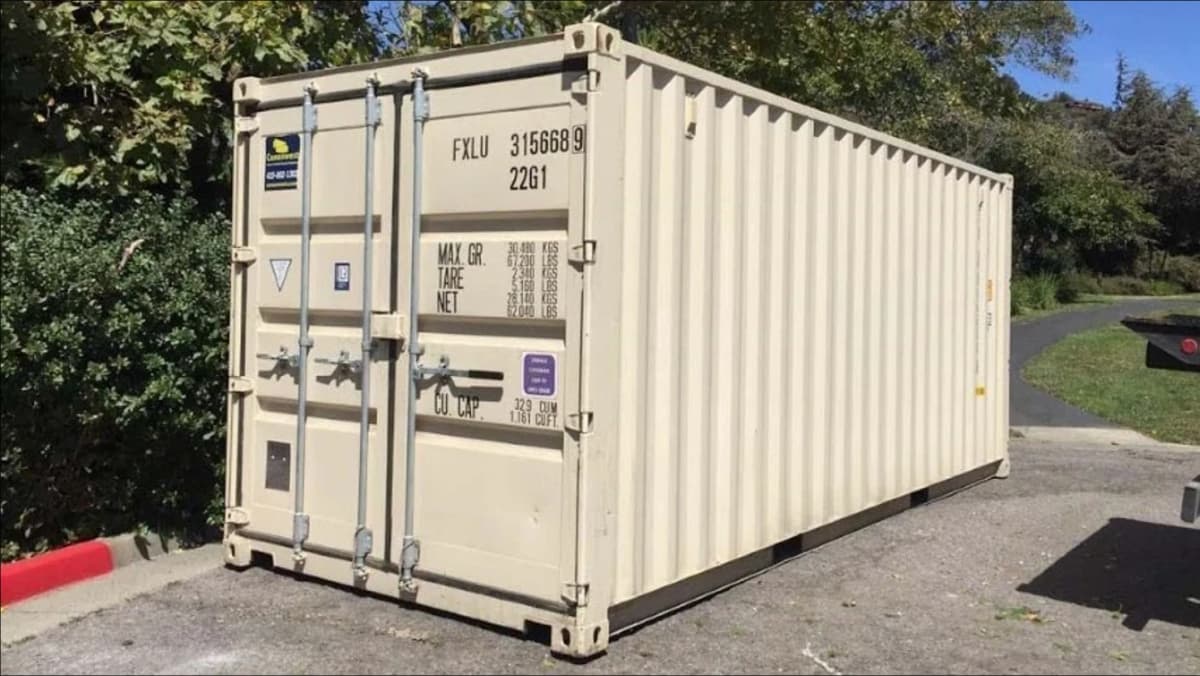
If you are using a standard container for storing food items, installing shelving can be a good idea
- Full-Service Restaurants: In shipping container restaurants, where food is prepared and served on-site, shelving is essential for organizing ingredients, utensils, and equipment.
- Food Distribution Centers: For containers used as distribution points for pre-packaged foods, shelves help keep items organized and accessible. This setup is common in settings like food banks or grocery stores.
- Commissary Kitchens: If a shipping container is used as a commissary kitchen where food is prepared off-site and then brought in for serving, shelving is important for storing warm items and organizing cooking supplies before distribution.
- Dry Storage Needs: Containers used for storing non-perishable items require shelving to maintain organization and cleanliness. Keeping food off the ground prevents contamination and facilitates easier cleaning, which is vital in food safety compliance.
- Climate-Controlled Environments: In cases where temperature control is necessary (e.g., for certain perishable goods), shelves can help with proper air circulation around stored items and maintain food quality.
When You Do Not Need Food Storage Shelves
- Small-Scale Storage: Shelves may not be necessary if the container is used for storing limited quantities of items, such as in residential or community settings.
- Specialized Containers: Certain types of shipping containers, like refrigerated or modified containers designed for food storage requirements, may have built-in storage solutions that negate the need for additional shelving.
- Temporary or Mobile Use: If a shipping container is used for temporary food storage or as part of a mobile food service, such as a food truck, the need for permanent shelving may be reduced.
Advantages Of Using Food Storage Shelves
- Space Optimization: Food storage shelves maximize vertical space within shipping containers and allow for efficient use of limited floor area.
- Improved Organization: Shelving systems facilitate the systematic organization of food items. An organized setup reduces the time spent searching for products and minimizes waste due to expired items.
- Food Safety Compliance: Food storage shelves help maintain food safety by keeping items off the ground, which reduces the risk of contamination and spoilage.
- Durability and Security: Shelves are made from strong materials designed to withstand the rigors of shipping and handling. They provide a secure way to store inventory while protecting it from environmental factors such as moisture and pests.
How Conexwest Can Help With Shipping Container Fabrication
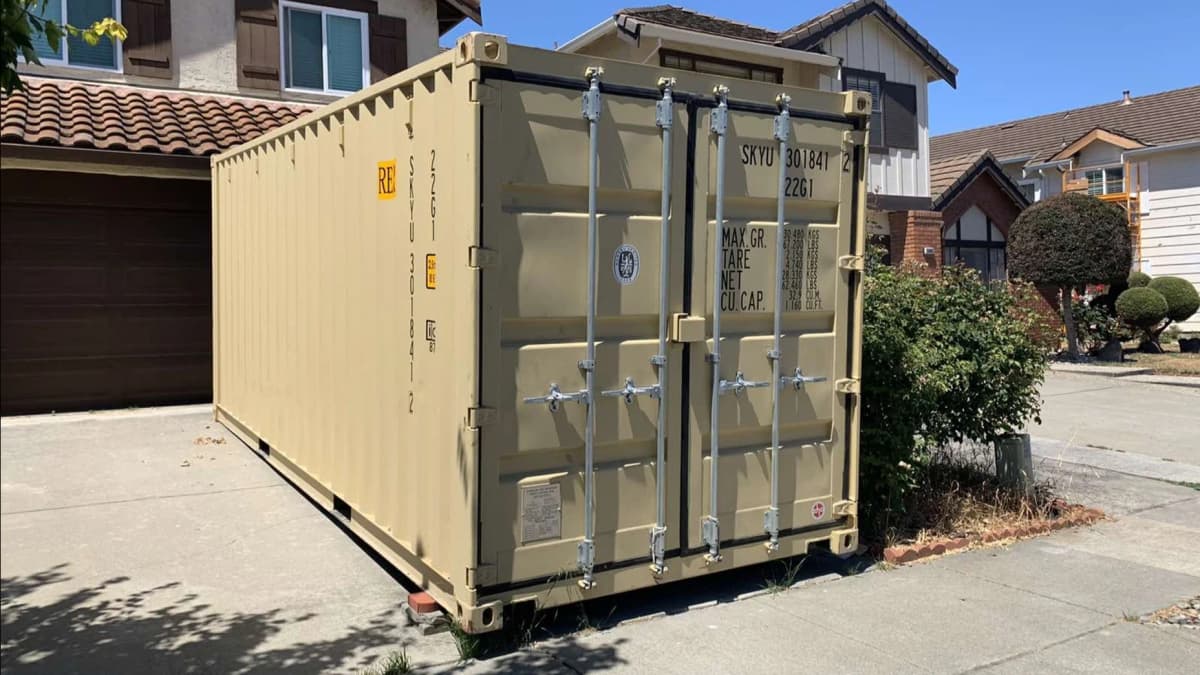
Conexwest delivers containers and provides fabrication services all over the US
Our comprehensive fabrication services include installing high-quality food storage shelves. Here’s why you should choose us over others:
Quality Product
Take an overview of our food storage shelves:
- Ventilated design
- Modern and sleek design with a chrome finish.
- Total capacity of 3200 lbs.
- Fully adjustable shelves
- NSF certified
- Dimensions: 75 in. x 60 in. x 36 in.
- Lightweight
- Food rated
Efficient and Timely Service
When you work with us, you can expect a quick and streamlined fabrication service that doesn’t compromise on quality. Our experienced team will work with you through every step of the process and make it easy for you to get the storage solutions you need.
Transparent Pricing
When you request a quote for our food storage shelf fabrication services, you'll receive clear information without hidden fees. We aim to provide you with the best value for your investment with high-quality products and services.
If you're ready to improve your food storage capabilities with our custom shelving solutions or have any questions about our fabrication services, feel free to reach out by clicking the link below.
Was this helpful?
Frequently Asked Questions
- Store ready-to-eat foods on the top shelf to prevent contamination from raw foods.
- Place raw meats on the bottom shelf to avoid drips onto other foods.
- Use clear containers or labels for easy identification of stored items.
- Follow the FIFO (First In, First Out) method to rotate stock so that older items are used first.
- Clean shelves with appropriate sanitizing to prevent contamination.
- Check for signs of wear or damage, especially in metal shelving that may rust or corrode.
- Check that all items are stored properly to avoid overcrowding, which can lead to instability.
- Selecting materials that are certified for food contact
- Using non-toxic coatings and finishes
- Regularly cleaning and sanitizing the shelves
- Inspecting the shelves for signs of wear or damage
A reputable supplier like us provides shelves designed to meet industry standards.
Our inventory includes general-purpose containers, side-opening containers, high cube containers, open-top containers, flat racks, insulated containers, refrigerated containers, and more.