
When made from high-quality steel, containment tray flooring can withstand heavy loads and harsh conditions for many years.
Do Shipping Containers Need Containment Tray Flooring Fabrication?
Containment Tray Flooring Fabrication for Shipping Containers: Is It Needed?
Key Takeaways
- Containment tray flooring helps prevent hazardous spills from leaking into the environment.
- Steel bar grates are commonly used for containment tray flooring due to their durability and strength.
- Containment tray flooring is essential for storing hazardous materials and complying with environmental protection laws.
- Non-hazardous cargo and short-term storage may not require containment tray flooring.
- Conexwest can fabricate custom containers with containment tray flooring and other modifications.
What Is Containment Tray Flooring
Containment tray flooring is a specialized flooring solution designed for shipping containers used for transporting hazardous materials or liquids. It is engineered to manage spills and leaks effectively for safety and environmental protection.
The most common material used in containment tray flooring is steel. Steel bar grates are known for their durability, strength, and resistance to corrosion - ideal for flooring that needs to withstand heavy loads and harsh conditions.
Other materials such as aluminum and fiberglass can also be used.
Conexwest, a leader in shipping and storage solutions based in Northern California, offers new, used, and refurbished containers from 10ft to 45ft, with fast delivery within 3-7 days and container fabrication options like adding shelves and locks. We serve over 10,000 customers nationwide, including prestigious clients like the U.S. Navy and Google. As an ISO 9001 and AWS-certified company, we ensure top quality and competitive pricing. |
When You Need Containment Tray Flooring
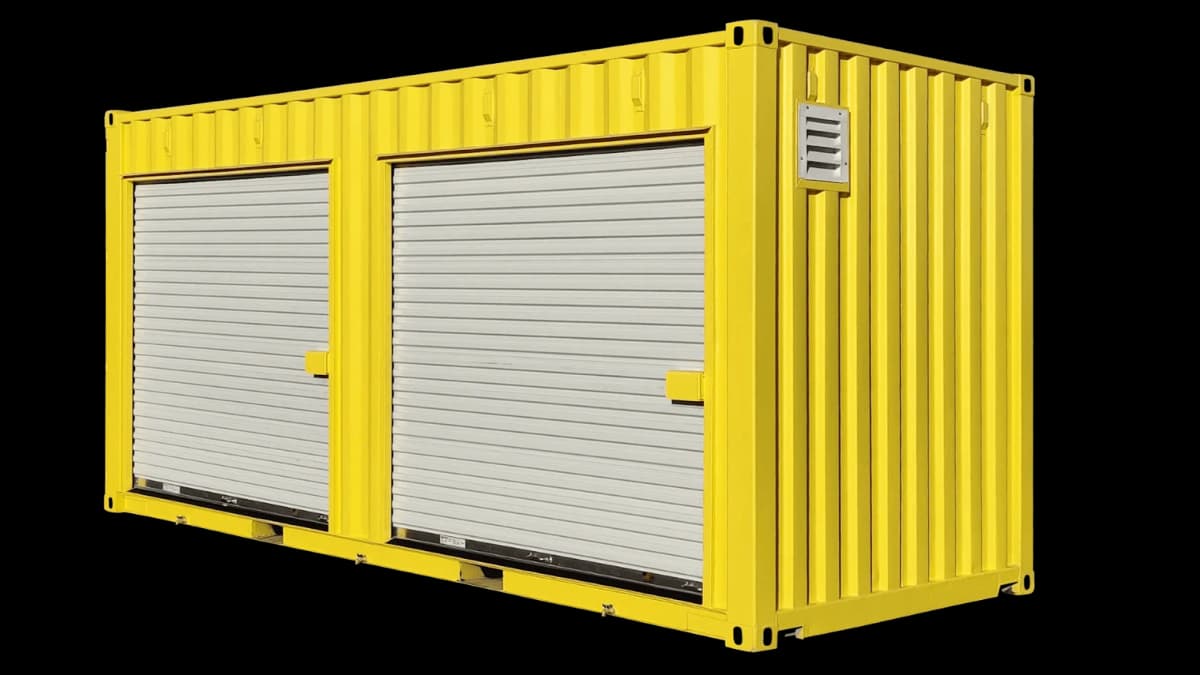
Conexwest’s hazmat containers are designed with containment tray flooring.
- Transporting Hazardous Materials: Substances such as chemicals, oils, or other liquids that could pose environmental risks, so containment tray flooring is a must.
- Long-Term Storage of Liquids: When containers are used for long-term storage of liquids, especially hazardous ones, containment tray flooring provides an added layer of safety.
- High Spill Risk Environments: In settings where there is a high risk of spills due to the nature of operations (e.g., chemical manufacturing plants), using containment tray flooring is recommended.
When You Do Not Need Containment Tray Flooring
- Transporting Solid Materials: If a shipping container is used exclusively for transporting solid goods that do not pose a risk of leaking or spilling (such as dry bulk materials), containment tray flooring may not be necessary. Standard plywood or steel flooring can suffice.
- Short-Term Use: For short-term storage or transport where the risk of spills is minimal (e.g., moving equipment), traditional flooring is enough.
- Non-Hazardous Liquid Storage: If a container is used for non-hazardous liquids, containment tray flooring is not essential, but it can still provide an extra level of safety.
Advantages Of Using Containment Tray Flooring Over Alternatives
- Effective Spill Management: The open-grated design allows any spilled liquid to fall through directly into a storage sump, reducing the risk of environmental contamination.
- Improved Safety: This flooring significantly reduces slip hazards and exposure to hazardous substances for workers.
- Durability and Longevity: Constructed from strong materials such as steel, containment tray flooring is resistant to corrosion and wear.
- Cost-Effective Cleanup: The containment system simplifies cleanup and reduces costs - which means less downtime during operations.
How Conexwest Can Help With Shipping Container Fabrication
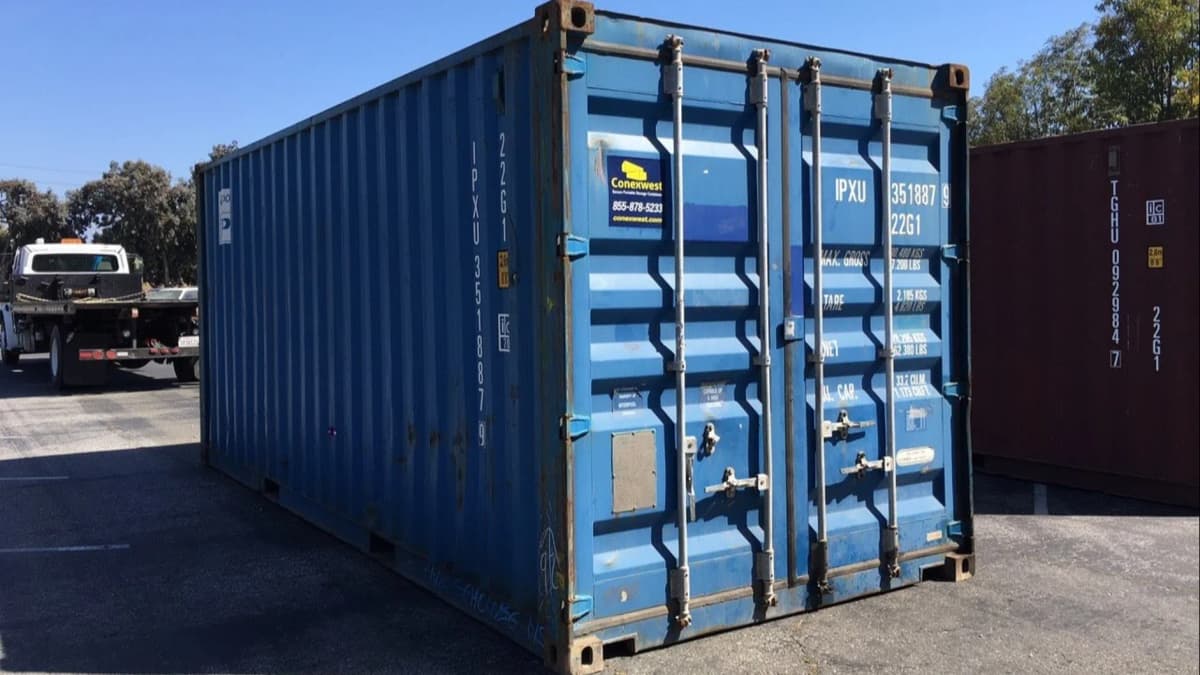
We can fabricate shipping containers to your specifications.
Customization Options
With us, you can modify your storage unit by adding features such as:
- Windows and vents
- Partitions
- Shelving systems
- Custom paint
No matter if you’re looking to customize a container for storage, create a mobile office, or transform it into a retail space, we have the expertise and resources to help you achieve your vision.
Reliable Fabrication Services
With dedicated fabrication shops across the country, we maintain the quality of our services regardless of your location. Our full-time technicians are highly skilled and continually trained on the latest container trends and technology to provide you with the utmost value.
Transparent Pricing and Warranty
We believe in providing upfront and transparent pricing so you know exactly what to expect. All our containers come with warranties - 10 years for new ISO shipping containers and 5 years for used cargo-worthy units.
If you have questions about our shipping container fabrication services or need assistance with your project, don’t hesitate to reach out. You can call us at (855) 878-5233, email us at quote@conexwest.com, or submit details by clicking the link below.
Was this helpful?
Frequently Asked Questions
Regular inspections for cracks and damage are recommended, along with cleaning promptly after any spill to prevent buildup of hazardous materials. Periodic checks of any drainage systems or sumps are also important.
Yes, existing shipping containers can be retrofitted with containment tray flooring.
Containment tray flooring helps with spill prevention by capturing and holding any spills within the tray beneath the walking surface.
Our inventory includes:
- General Purpose Containers: Ideal for standard storage and shipping.
- Refrigerated Containers: Perfect for temperature-sensitive goods.
- Insulated Containers: Designed to maintain specific temperatures.
- Specialty Containers: Custom-built solutions such as mobile offices or workshops.