
7 Practical Containerized Data Center Examples
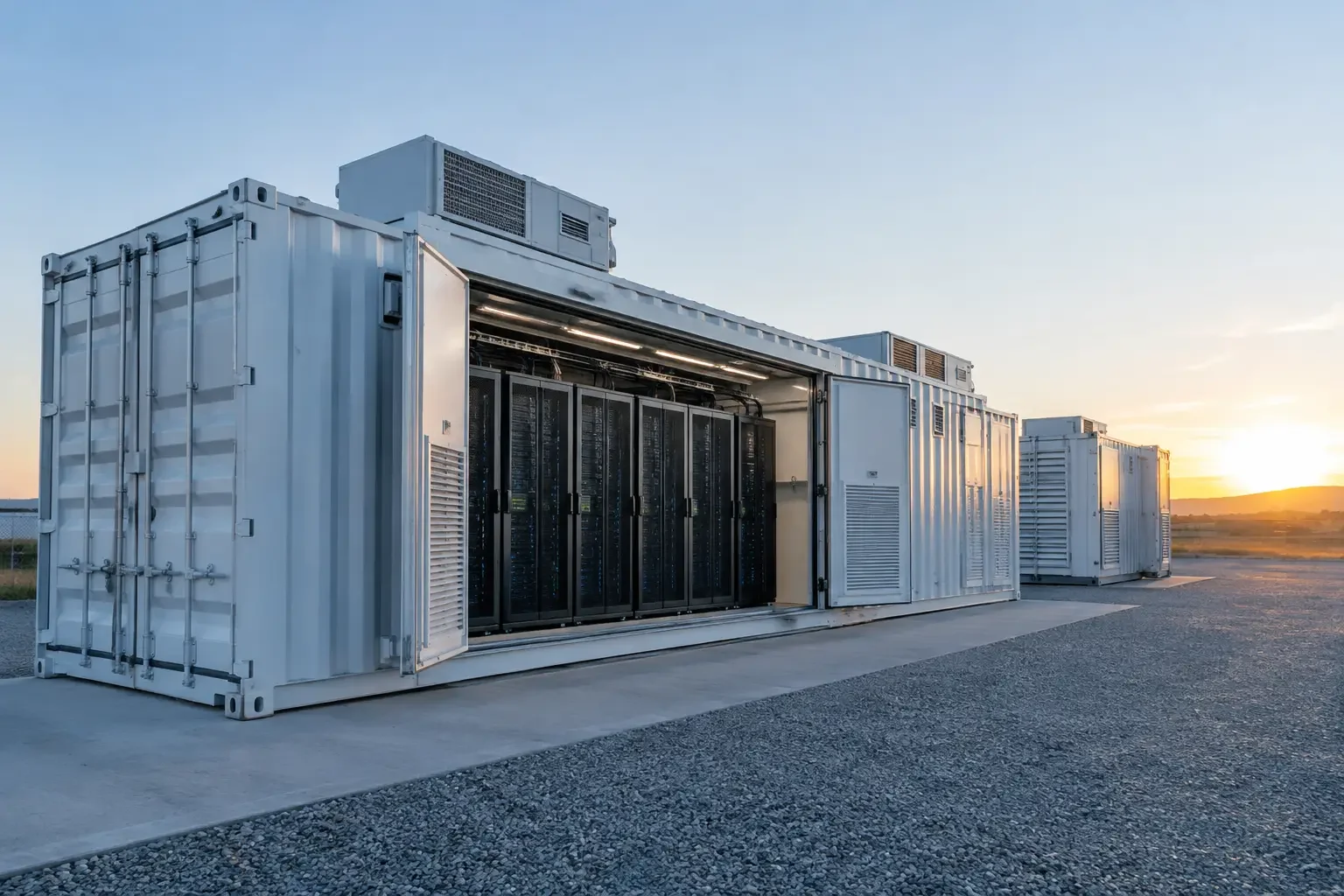
A containerized data center is a transportable module for computing, networking, and the systems that support them.
The shell can sit near the workload. The finished module must hold uptime, allow safe service, and arrive ready for a controlled start-up.
It may hold racks only, or it may also hold switchgear, a UPS, batteries, cooling, cable paths, and remote monitoring.
A 20-foot or 40-foot container is only the transport size. A high-cube container adds interior height for overhead cable and airflow.
A used container can fit a tight budget when the modification will be extensive. A one-trip container is the cleaner start when the exterior, corrosion risk, and a long service life matter.
Seven uses
Edge computing at a plant
A plant may need local computing for machine vision, process controls, quality data, and production analytics.
The module can sit near production and keep heat, noise, and sensitive electronics off the plant floor.
This design usually puts filtered cooling, positive pressure, access control, and vibration control first.
If the plant has dust, washdown, or corrosive air, design the enclosure and the HVAC for those conditions at the start.
The workload can stay local. The module still needs a dependable power path and a network path to the plant and to the corporate systems.
Remote energy and utility sites
A solar farm, a wind site, a substation, or an oil and gas location may need local gear for supervisory control, communications, security, and field analytics.
These sites can see high heat, windblown dust, snow, and long distances from a service provider.
Choose the enclosure for the exposure before you choose the rack count.
Insulation, a weather-resistant personnel door, protected cable entries, mounts for exterior equipment, and a correctly sized HVAC unit all change field performance.
In a severe climate, spare cooling and spare power are usually more useful than the maximum number of racks.
Disaster recovery for a hospital or a public agency
A hospital, an emergency operations center, or a public agency may need extra computing after an outage, a renovation, or a regional emergency.
The module can hold recovery systems, communications gear, and a temporary network while the permanent facility is restored.
Speed matters. It does not replace resilience. The module may need a generator connection, UPS backup, fire detection and suppression, a secure access log, and protected paths for fiber and power.
Healthcare and government teams must confirm compliance, data handling, and physical security before deployment. The container solves the building problem. It does not settle every rule for the data.
A construction-site technology hub
A large job can rely on cameras, drone footage, BIM coordination, a wireless network, access systems, and project data.
A secure module can protect that gear from weather, theft, and the daily disruption of the site.
The project has an end date and may move. Set the unit near the site office, on a suitable foundation or a prepared pad.
Equip it with power distribution, cooling, lights, and secure personnel access.
Technicians need enough interior clearance to work around the racks and the electrical gear without an unsafe aisle.
A warehouse edge node
A distribution center may need local capacity for scanners, sorting equipment, warehouse automation, video, and inventory systems.
If the main IT room is too small or in the wrong place, a module can add capacity without stopping warehouse work.
Design for vehicle traffic and the dock. Place the unit where a forklift, a trailer, or snow removal will not block access or hit a condenser or a cable run.
Check sound, heat rejection, and security lighting when the container sits near an employee entrance or a neighboring property.
Temporary capacity during a renovation
A switchgear replacement, a cooling upgrade, or a server-room change can force a move of critical equipment.
The plan needs a migration sequence, a tested network connection, temporary utilities, and a return-to-service plan.
If the equipment is critical to the business, confirm whether the temporary module needs N+1 cooling, two utility feeds, generator support, or a redundant network path.
The container can shorten the facilities work. It does not remove the cutover plan.
Mobile communications and events
A sports venue, a large event, an emergency team, or a temporary media operation may need secure computing and network capacity for a limited time.
Protect the cable connections and keep them reachable. Restrain the equipment for transport. The exterior may need branding or a lower profile.
A 20-foot unit is easier to place in a tight space. A 40-foot module has more room to separate the IT area from the power area.
Choose from the equipment load, the delivery route, crane or forklift access, and the site footprint.
Decisions that change the deployment
Set these inputs before the electrical and mechanical design:
- The IT load in kilowatts
- The runtime you need during an outage
- The heat load
- Where the network enters
- The redundancy you require
Those inputs set the design more accurately than a rack count.
Cooling is often the main limit. A high-density rack can exceed what comfort cooling can remove, especially in a hot climate.
The project may use direct expansion, in-row cooling, air containment, or another method. Size the equipment for the real heat load and the local outdoor temperature.
Leave room outside the HVAC unit for service and for airflow.
Integrate these items before final assembly:
- Insulation and interior finishes
- A raised floor or cable trays
- A personnel door
- Protected louvers
- Lights
- Equipment mounts
The container can be built with the electrical system and the climate-control provisions. IT, electrical, and mechanical specialists complete the data-center package.
Conexwest can support container selection, fabrication, and delivery in the contiguous United States when the project starts with a modified shipping container.
Before the unit ships, confirm the foundation, the drainage, the utility stub locations, the grounding, the equipment clearance, the delivery access, and the local permit.
A module that is ready in the yard can still wait if the site has no pad, or if a truck, a crane, or a tilt-bed cannot reach it.