
Container Refurbishment Buying Guide for Teams
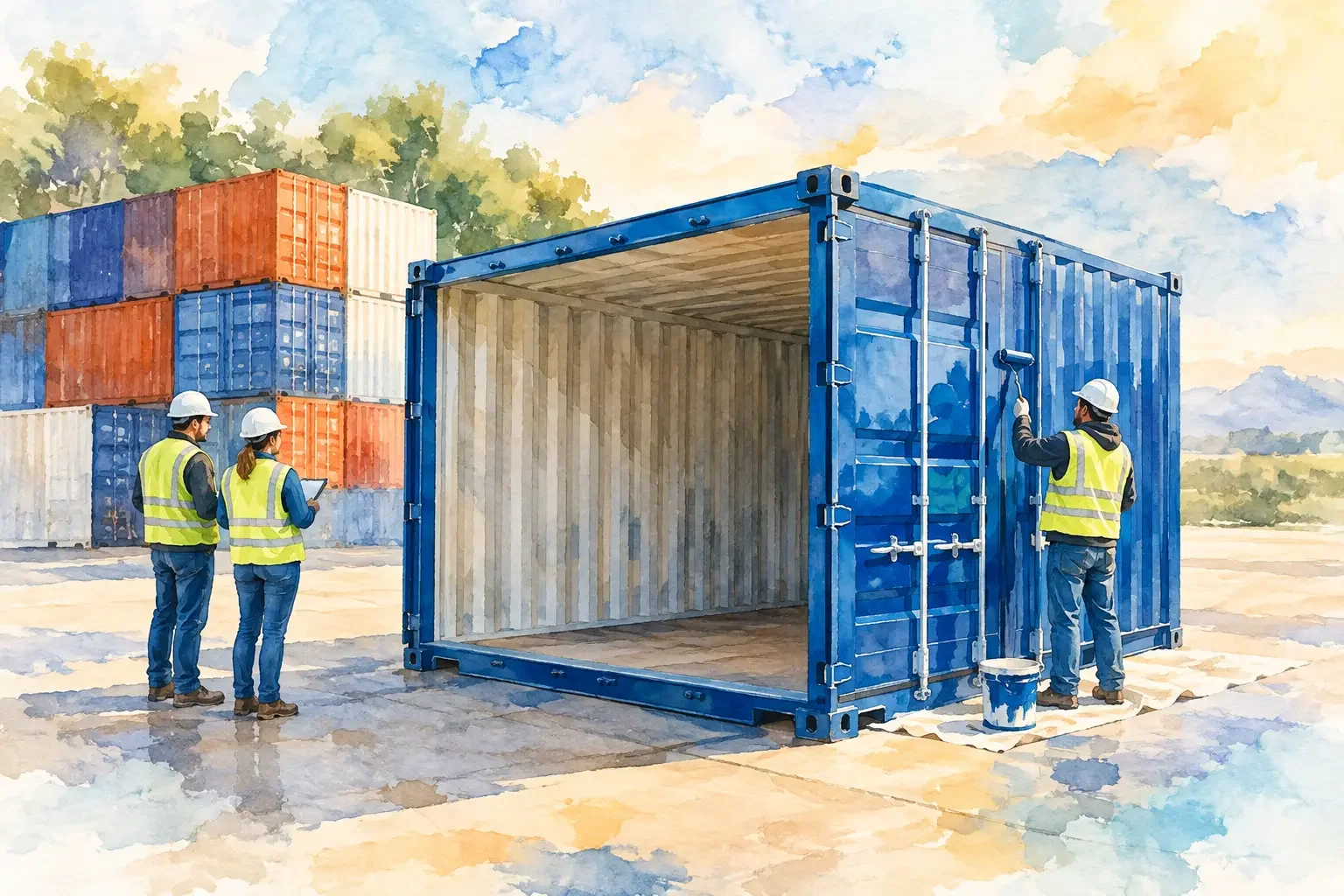
A refurbished container can be the right answer when a job site needs secure storage, a facility needs overflow capacity, or a project requires a clean, presentable base for modification without paying for one-trip equipment. This container refurbishment buying guide focuses on the decisions that affect usable life, operating cost, and delivery success - not just the price shown on a quote.
Refurbishment is not a single, standardized condition. One supplier may mean fresh paint and working doors; another may include floor repairs, corrosion treatment, roof sealing, and replacement hardware. The practical question is not whether a container is called refurbished. It is what work was performed, what condition remains, and whether the finished unit fits the application you have planned.
Start With the Job, Not the Container
The right specification begins with how the container will be used. A construction contractor storing tools and consumables may prioritize secure doors, a sound floor, and ground-level access. A manufacturing site may need several units in a consistent finish, with shelving and electrical service. A retail, hospitality, or public-facing project may need a container that is structurally sound enough to support doors, windows, insulation, and a finished exterior.
Define the load, access requirements, duration of use, and site environment before selecting condition. For example, a 20-foot container is often easier to place on constrained sites and works well for dense storage. A 40-foot unit provides more uninterrupted floor area, but it needs a larger delivery path and more room for the truck to maneuver. High-cube containers add roughly one foot of interior height, which can matter for shelving, tall equipment, insulated interiors, or office build-outs.
Also decide whether the unit will remain a storage asset or become the shell for a larger project. A container that will receive roll-up doors, personnel doors, windows, HVAC, electrical systems, or interior finishes should be evaluated for fabrication suitability early. Retrofitting the wrong unit can create unnecessary repair work and schedule risk.
What Refurbishment Should Address
A well-scoped refurbished container program should address the components that protect contents and keep the unit functional on site. Cosmetic work has value, particularly for customer-facing or institutional locations, but it should not substitute for structural and weatherproofing work.
Frame, roof, and side panels
Inspect the corner posts, top and bottom rails, cross members, roof, and corrugated side panels. Surface rust is common on used steel containers and is not automatically a problem. The concern is corrosion that has weakened steel, perforations that allow water intrusion, or damage that affects the container's ability to sit level and accept modifications.
Roof condition deserves particular attention. Small dents may be acceptable, but pooled water can expose weak areas and lead to leaks over time. Ask whether roof repairs include welded patches, sealant work, corrosion treatment, or coating. For storage applications, a dry interior matters more than a showroom-perfect exterior.
Doors, seals, and locking gear
Cargo doors should open, close, and lock without excessive force. Check the locking bars, cams, hinges, retainers, and gasket seals. Bent door frames or damaged locking gear can turn a secure storage solution into an ongoing maintenance issue.
If frequent daily access is expected, consider whether cargo doors are enough. A personnel door improves convenience for staff, while a roll-up door supports palletized material, equipment access, and recurring loading activity. These modifications should be installed by a fabricator that reinforces cut openings appropriately rather than simply removing steel panels.
Flooring and interior condition
Traditional container floors are typically wood-based and designed for freight service. They should be dry, solid, and free of soft areas, major delamination, or contamination that conflicts with the intended use. A storage container for general tools has different requirements than a unit intended for food-related operations, healthcare support, or finished workspace.
Ask whether damaged floorboards were replaced and whether the floor was cleaned, sealed, or coated. For heavy point loads, concentrated equipment, or rolling carts, confirm that the floor and underlying cross members can support the planned use. Containers are durable structures, but they are not interchangeable with a purpose-built warehouse slab.
Container Refurbishment Buying Guide: Questions to Ask
The best way to compare quotes is to request scope, not labels. A supplier should be able to explain what is included in the refurbishment and what condition standard the unit meets when it leaves the yard.
Ask whether the container is guaranteed wind and watertight, what repairs were completed, and whether any known patches or floor repairs remain. Request current photos of the actual unit when possible, especially for a project that requires multiple matching containers or a customer-facing finish. Stock images are useful for reference but do not document the equipment assigned to your order.
Clarify the distinction between a storage-ready container and a cargo-worthy container. Wind and watertight equipment is generally appropriate for stationary storage when the primary goal is keeping contents dry and secure. If the unit will be loaded for international transport, it may need a valid CSC plate and acceptance by the relevant carrier or shipping line. A refurbished appearance alone does not establish export eligibility.
For modified projects, ask who owns the engineering and fabrication scope. Openings for doors and windows, rooftop equipment, stacked configurations, and structural connections can require reinforcement and project-specific review. This is particularly relevant for offices, concessions, equipment enclosures, and modular structures where safety, code requirements, and finish quality all affect the final result.
Balance Upfront Cost Against Remaining Service Life
A used container with targeted refurbishment can provide strong value when the application is stationary and functional. It may have visible dents, repairs, or evidence of prior freight use, but still offer years of dependable storage. A one-trip container generally has a cleaner appearance and less wear, making it a better fit when aesthetics, consistent dimensions, or extensive customization are priorities.
The lower initial price is not always the lower project cost. A container that needs repeated leak repairs, difficult door adjustments, or floor remediation can consume time after delivery. Likewise, paying for a near-new exterior may not be necessary for a secured industrial yard where function matters more than appearance.
Compare total installed cost: container price, refurbishment scope, modifications, delivery, offloading, site preparation, and any future relocation. If the container will be rented or moved between jobs, a simpler configuration may be more economical. If it will become a long-term site asset, investments such as a personnel door, lockbox, shelving, lighting, insulation, or paint can improve daily use and reduce replacement pressure.
Plan Delivery Before You Place the Order
Delivery constraints can determine the right container length and configuration. A 40-foot container needs more turning room than a 20-foot unit, while a tilt-bed delivery requires clear space for the container to slide off the truck. Obstacles such as low branches, overhead utilities, soft ground, narrow gates, and steep grades should be identified before dispatch.
Prepare a level, firm foundation that supports the corner castings and allows drainage away from the unit. Railroad ties, concrete pads, compacted gravel, or engineered foundations may all be appropriate depending on the site and intended use. Keeping the container level improves door operation and helps prevent water from collecting on the roof.
Confirm whether the delivery includes placement only or whether offloading equipment is required. A crane, forklift, or side-loader may be necessary when the container must be set behind a building, over a fence line, or into a location with limited truck access. Delivery planning is part of the purchase decision, not an item to solve after the container arrives.
Specify the Finish Around the Work Ahead
Refurbishment is most effective when it supports a defined operational outcome. A contractor may need a dry, lockable tool container with a lockbox and shelving. A school district may need a clean exterior, personnel access, lighting, and climate control. A food and beverage operation may need a reefer unit rather than a dry container, because insulation and refrigeration performance cannot be added casually to a standard steel box.
For projects with multiple modifications, working with one provider for equipment selection, fabrication, and delivery reduces handoffs between the container yard, modification shop, and freight provider. Conexwest can support that path from base container selection through configured fabrication and nationwide delivery planning.
Before approving the order, make sure the written scope identifies condition, repair work, dimensions, door configuration, paint or coating requirements, modifications, delivery method, and site responsibilities. A refurbished container is a practical asset when its condition is matched to its workload - and when the details are settled before it reaches the gate.