
Container Leasing for Flexible Jobsite Space
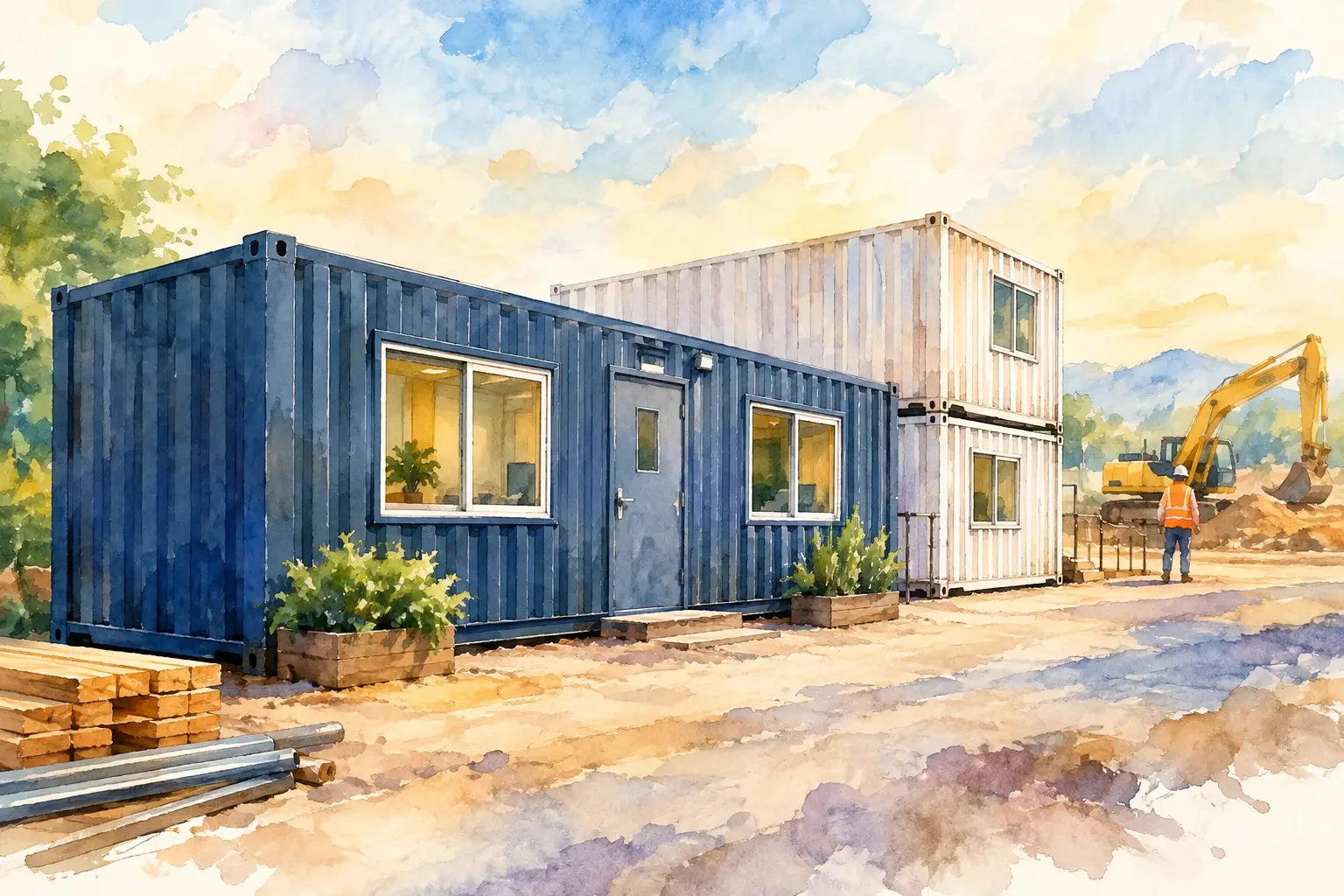
Lease when the need is temporary, uncertain, or tied to a project timeline.
A construction firm may need storage for a six-month build. A retailer may need space for a season. A plant may need overflow during a reconfiguration. A lease avoids capital in a unit that sits idle after that need ends.
When the lease ends, the provider picks the container up. You do not have to resell it, move it, or store a surplus unit. That matters when you run several sites or the yard is full.
Buy when the storage is long-term, you deploy the same unit again and again, or the customization is permanent. If the container stays at one facility for years, ownership gives more control of later changes, branding, and the next use.
Judge the choice by the time in service, not only by the monthly rate.
Match the size and the condition
A 20-foot container fits a smaller jobsite, tool storage, maintenance supplies, and controlled inventory.
A 40-foot container holds more bulky material, palletized goods, or larger equipment.
A high-cube container adds 1 foot of interior height. That clearance helps tall shelves and oversized parts. On a tight site, the footprint and the delivery path can limit you more than the interior volume.
A used cargo-worthy container can fit dry, secure storage.
A refurbished unit can fit when the look, the door operation, or the weather protection needs more work.
A new or one-trip container is the usual choice for a customer-facing site, high-value inventory, or a job that needs a cleaner shell and a more consistent condition.
The interior layout changes the day. Shelves, cargo racks, a lockbox, and marked zones turn an open box into a supply room.
Plan security before the container arrives. Cargo doors are durable. In a high-theft area, a lockbox shields the padlock from cutting tools.
Face the doors so staff can enter without blocking traffic. Keep the unit visible from the site office or from existing cameras when you can.
Lease an office or a reefer when the use needs it
A ground-level office can hold project managers, dispatch, security, and temporary admin staff. It needs less site preparation than a conventional office trailer.
The configuration can include a personnel door, windows, insulation, HVAC, lights, outlets, and a finished interior.
A superintendent can work next to the build. A yard can put dispatch next to the loading. A remote plant can add an admin room without a permanent building.
A reefer can hold temporary cold storage for food and beverage, agriculture, healthcare supplies, event catering, and grocery overflow.
Plan the electrical capacity, the operating temperature, the loading pattern, and the service access. The reefer needs power and a plan to hold the required temperature range.
Read the lease and the site together
Confirm the minimum term, the billing, the pickup, and who is responsible for damage beyond normal wear.
If the schedule can slip, ask how an extension works and whether the container can move to another site during the rental.
The truck needs access, turning room, and overhead clearance. Low branches, power lines, soft ground, a tight gate, and an uneven slope can block the set.
The surface must be reasonably level and stable enough for the container and the load.
A 40-foot container needs truck length and room to position the unit. The method may be a tilt-bed, a roll-off, or a crane. It depends on the site, the size, and how tight the spot is.
Mark the door direction before delivery. Doors that face a fence, a roadway, or a loading conflict are a placement error.
Add modifications only when they change the work
For basic equipment storage, a standard container and a lockbox can be enough.
These changes affect safety and daily work:
- A personnel door, so staff do not open the cargo doors
- A roll-up door for material that moves often
- Windows and HVAC for an office in a hard climate
- Electrical service for lights, chargers, and equipment
- Insulation for an occupied space or for goods that need temperature control
A special modification can change availability, lead time, and the lease cost. If you will repeat the same configuration, a longer rental or a purchase can fit better.
Write the operating need first. Do not add a feature that does not change the result.
Write a short brief before you order
Write:
- What the container must hold or support
- How long the need lasts
- Where the unit sits
- Who needs access
- Whether it needs power or interior work
That brief is the basis for the size, the condition, and the configuration.
It also stops a lease that cannot take a pallet, the crew's path, the electrical load, or the delivery route.
Conexwest can supply a storage container, a ground-level office, a reefer, or a configured unit, and deliver it to the site.