
Buying Container Chassis for Sale With Confidence
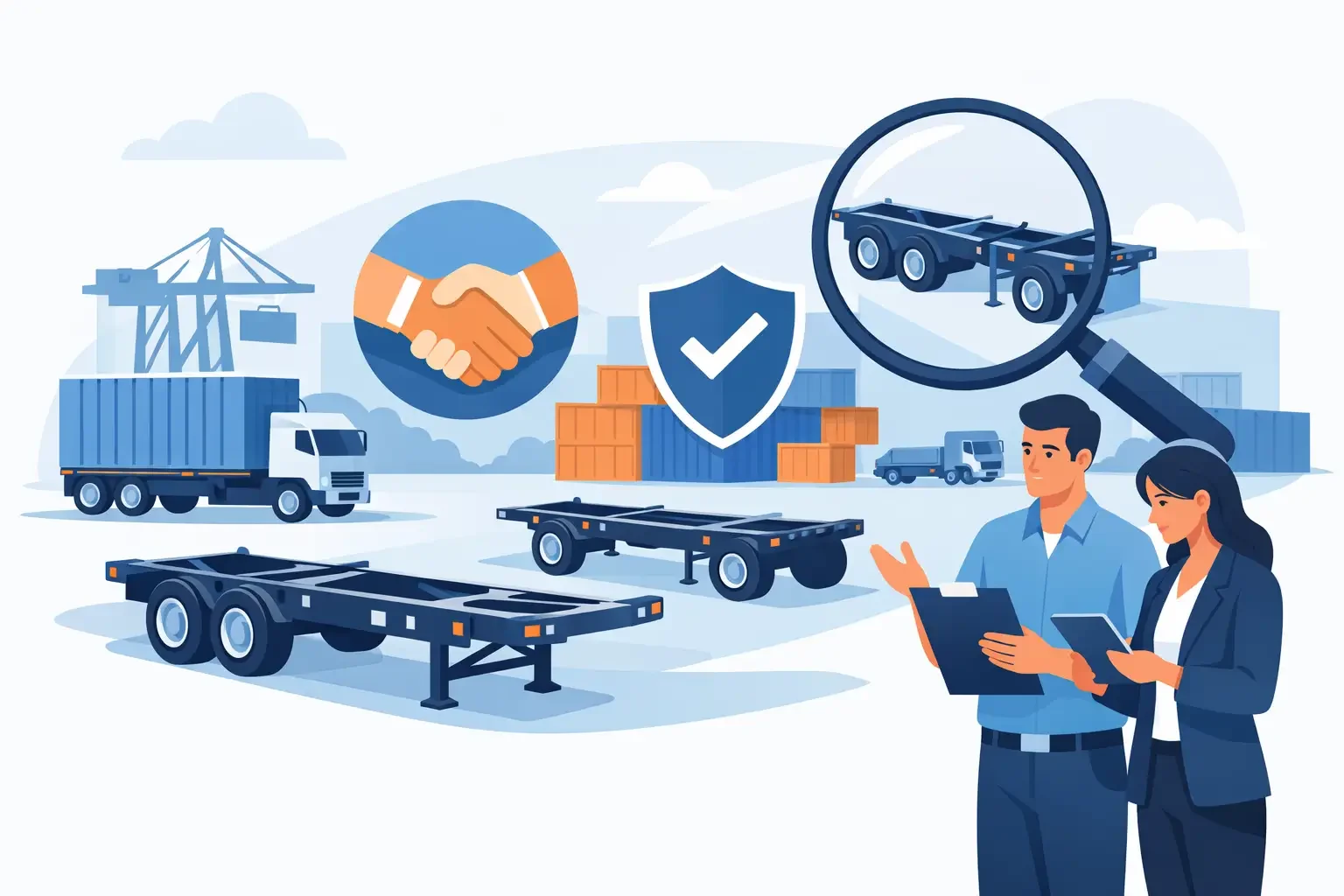
A container can be ready to move, loaded, and scheduled for delivery, yet still become the weak point in an operation if the transport equipment is wrong. When evaluating a container chassis for sale, buyers need more than a price and a basic length. The right chassis must match the container size, cargo weight, route, loading process, and maintenance capacity behind it.
For fleets, contractors, ports, manufacturers, and regional logistics operators, a chassis is working infrastructure. It determines whether containers can move safely between yards, job sites, warehouses, rail ramps, and customer locations. A well-matched unit supports predictable turns and fewer avoidable service interruptions. A poorly matched unit can create delays, tire and brake expenses, compliance problems, and damage to equipment.
Start With the Container and the Route
Container chassis are designed to carry ISO shipping containers through twist-lock connections at the corner castings. That sounds straightforward, but compatibility should be confirmed before a purchase order is issued. A 20-foot container, a standard 40-foot container, a 40-foot high-cube container, and a 45-foot container do not always use the same chassis configuration.
A fixed 20-foot chassis may be the practical choice for operations moving only 20-foot containers. A 40-foot chassis is common for standard dry containers, while combination or extendable chassis can provide flexibility for fleets that handle multiple container lengths. That flexibility comes with trade-offs. Extendable equipment can help reduce the number of chassis types in a fleet, but it introduces moving components that require inspection and maintenance.
Route conditions matter as much as container dimensions. A chassis used for short, controlled moves inside a yard has different demands than one traveling daily over public highways. Consider turning radius, bridge clearances, road surfaces, expected mileage, and whether drivers will routinely enter crowded construction sites or narrow industrial facilities. A chassis that works efficiently at a rail terminal may not be the best fit for uneven ground at a remote project site.
Container Chassis for Sale: Specs That Drive Performance
The specification sheet should be treated as an operating plan, not a formality. Start with the chassis gross vehicle weight rating, axle ratings, and the expected weight of your heaviest loaded container. The container's tare weight is only the beginning. Add cargo, securing equipment, and any operational variables that affect the actual load placed on the chassis.
Axle configuration is a major decision. Tandem-axle chassis are widely used for standard container transportation and can serve many regional applications. Tri-axle configurations may be needed when payload requirements, local regulations, or route-specific weight distribution call for additional capacity. More axles can support heavier work, but they also affect tire cost, maintenance planning, maneuverability, and operating economics.
Suspension, brakes, lighting, tires, and landing gear deserve the same attention as the frame. A chassis may look structurally sound from a distance while carrying worn tires, inconsistent lighting, brake issues, or landing gear that slows every pickup and drop. These details directly affect driver safety and turnaround time.
Also verify the twist-lock arrangement. The chassis must securely accommodate the container lengths you plan to move, and locks should engage cleanly without excessive wear or damage. If your operation includes high-cube containers, confirm that the total loaded height works for the routes, facilities, and clearance restrictions involved.
Before buying, review these four operating questions:
- What container sizes and loaded weights will the chassis carry most often?
- Will it operate primarily on highways, in a port or rail yard, or on job sites with variable ground conditions?
- Does the axle configuration support the payload and weight-distribution requirements of the intended routes?
- Can your maintenance team inspect and service the brakes, tires, lights, locks, and moving components on schedule?
New, Used, or Refurbished Equipment?
Condition should reflect the role the chassis will play in your operation. New container chassis are often the right choice for businesses building fleet capacity, standardizing equipment, or supporting high-utilization routes. New units offer a known starting point for maintenance and can be specified around the work they are expected to perform.
Used chassis can be a practical capital decision when the equipment will see moderate use, serve as surge capacity, or operate in a controlled local environment. The value depends on inspection quality, not paint color. Buyers should look closely at frame corrosion, cross members, weld areas, kingpin condition, suspension components, brake wear, tire age, wheel condition, electrical connections, and twist-lock operation.
Refurbished equipment can occupy a useful middle ground. When refurbishment addresses structural condition and critical running gear, it may offer dependable service at a lower initial cost than new equipment. Ask what work was completed, what components were replaced, and whether the unit has been inspected for the service you intend to put it into. A cosmetic refresh alone is not the same as an operational refurbishment.
Plan for Compliance and Daily Readiness
A chassis is only productive when it is road-ready. For public-road use, buyers should confirm that the equipment can meet applicable DOT, state, and local requirements for its intended operation. That includes functional brakes, tires, lighting, reflectors, mud flaps where required, and properly maintained safety equipment.
Documentation also matters. Confirm title, registration requirements, vehicle identification information, and any records needed for your fleet management process. If the chassis is entering an existing fleet, align its inspection intervals and service procedures with the systems your team already uses.
Daily pre-trip and post-trip inspections are not just compliance tasks. They catch the issues that turn a simple container move into a missed appointment: a damaged air line, a light failure, a low tire, a lock that will not engage, or landing gear that will not hold position. For high-turn operations, standardizing inspection habits across drivers and yard personnel protects both the equipment and the container cargo.
Delivery, Site Access, and Put-Into-Service Planning
Purchasing the chassis is only one part of the project. Delivery should be planned around where the unit will be received, inspected, stored, and placed into service. Ensure the receiving site has sufficient access for transport equipment, space for unloading, and firm ground for staging.
If you are buying a chassis alongside shipping containers, coordinate the equipment plan early. You may need containers delivered to a site for storage, positioned for loading, or moved repeatedly between locations. Matching the chassis to those movements from the start avoids later workarounds that add labor and delay.
Conexwest helps buyers approach this as an equipment-and-logistics decision, with container, trailer, chassis, customization, and delivery requirements considered together. That approach is particularly useful when a project involves more than standard container transport, such as modified units, job-site storage, refrigerated equipment, or a phased rollout across multiple locations.
Choose for Utilization, Not Just Purchase Price
The lowest-priced chassis can become the most expensive unit in the yard if it is frequently down for repairs, cannot handle the required container mix, or forces drivers into inefficient workarounds. On the other hand, a highly specialized configuration may not justify its cost for an operation with occasional container moves and predictable loads.
The best purchase is the chassis that fits the work you will actually perform over the next several years. Define the container types, weights, routes, utilization level, maintenance plan, and delivery constraints first. Then choose equipment that gives your operation a dependable path from loaded container to completed move.