
Conex News - Weekly Update: September 8, 2025 - September 14, 2025 in Global Container Industry
Nearly 70 Cargo Containers Spill at Port of Long Beach, Prompting Major Recovery Effort
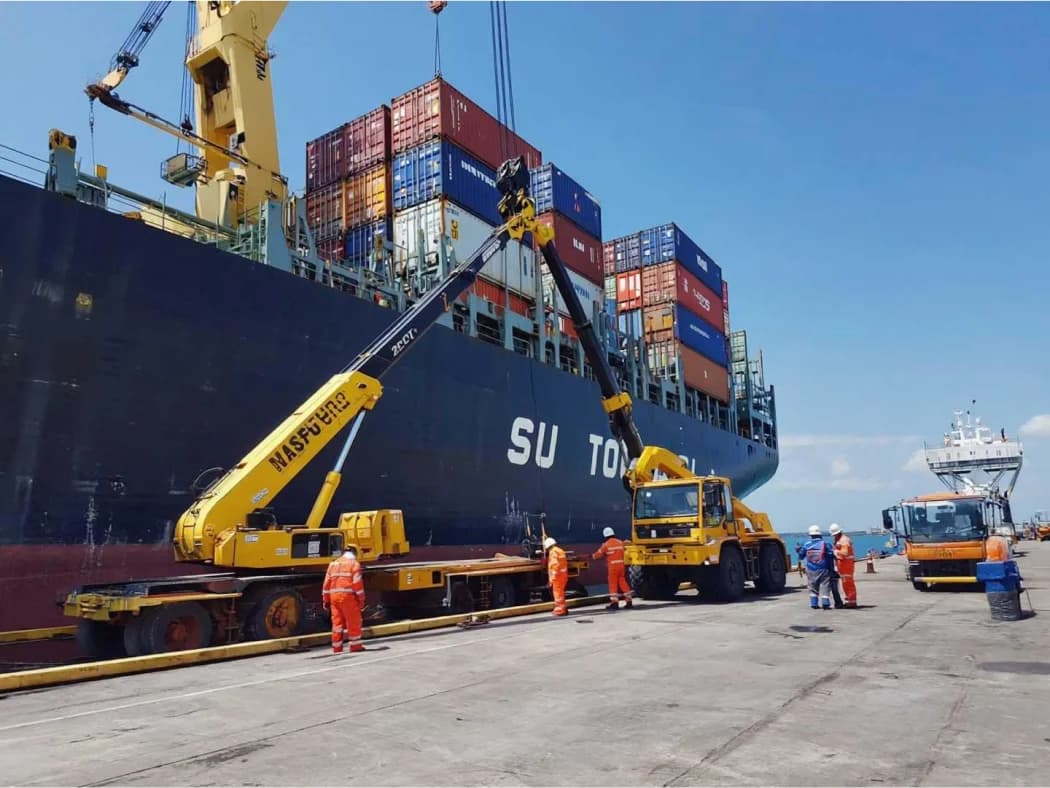
The Port of Long Beach faced a dramatic disruption this week after 67 shipping containers toppled from the Portuguese-flagged vessel Mississippi at Pier G. The containers—loaded with clothing, furniture, shoes, and electronics—spilled onto the dock and into the harbor early Tuesday morning. Investigators believe the accident began when securing straps were released, setting off a domino effect across stacked containers.
While no fatalities occurred, the incident still caused injuries and damage. A dockworker sprained an ankle while fleeing the collapse, and the falling containers struck the clean-air barge STAX 2, creating a light oil sheen on the water. More than two dozen containers remain submerged, and the port has deployed sonar equipment to locate and recover them safely.
A Unified Command—including the U.S. Coast Guard, Long Beach Fire and Police Departments, California’s Office of Spill Prevention and Response, and port officials—quickly established a 500-yard safety zone. Cleanup teams are working to contain environmental risks, manage damaged cargo, and resume safe operations. Pier G remains temporarily closed, though the rest of the port is operating normally.
The Port of Long Beach, together with neighboring Los Angeles, handles nearly 40% of U.S. containerized imports, making any disruption here a national concern. While the cause of the mishap is still under investigation, officials stress the importance of container safety and structural checks in preventing future accidents.
Port of Portland Secures New Operator to Keep Oregon’s Global Trade Flowing

Oregon’s only international shipping container gateway has a new lease on life. The Port of Portland announced that Harbor Industrial Services, a California-based crane and equipment firm, will take over operations at Terminal 6 under a long-term lease. The move comes after years of financial losses and uncertainty that had threatened to cut Oregon off from direct access to global shipping routes.
The agreement begins with a seven-year lease and offers multiple extension options, giving Harbor time to invest in infrastructure and build cargo traffic. As part of the deal, the company will purchase the terminal’s seven ship-to-shore cranes and related equipment for just $150,000, transferring maintenance and operational responsibilities away from the public port authority. This structure is designed to protect the Port of Portland from further financial losses while ensuring stability for shippers.
Terminal 6 is more than just a dock—it’s a lifeline for Oregon’s exporters. From agricultural producers to small manufacturers, about 1,500 jobs depend directly on its operations, and thousands more benefit indirectly from the trade it supports. Without a functioning container terminal, exporters would face costly diversions to ports in Seattle, Tacoma, or even California, cutting into the competitiveness of Oregon’s economy.
Port officials and state leaders have hailed the deal as a win-win: securing local jobs, preserving export channels for Oregon’s farmers, and reestablishing the port as a player in international trade. For Harbor Industrial Services, the venture represents an opportunity to expand its role in West Coast logistics while positioning Portland as a flexible, niche port for carriers seeking alternatives to congested hubs further south.
Oil Prices Rise on Geopolitical Risks but Bearish U.S. Inventory Data Caps Gains
Oil futures settled more than $1 higher on Wednesday as investors weighed the threat of supply disruptions after Poland shot down Russian drones in its airspace and Washington pushed for new sanctions on buyers of Russian oil. The rally followed an Israeli strike in Qatar that further rattled global energy markets. Brent crude closed up $1.10, or 1.7%, at $67.49 a barrel, while U.S. West Texas Intermediate (WTI) added $1.04, or 1.7%, to $63.67.
Yet optimism quickly met resistance with a bearish weekly report from the U.S. Energy Information Administration (EIA). Crude inventories unexpectedly surged by 3.9 million barrels in the week ending September 5, while analysts had forecast a draw of about 1 million barrels. Gasoline stocks also climbed by 1.5 million barrels (versus expectations for a 200,000-barrel decline), and distillates—used for diesel and heating oil—rose 4.7 million barrels, far above the 35,000-barrel increase anticipated.
Analysts warned that the data points to softening U.S. demand just as the summer driving season winds down. “A very bearish report,” said John Kilduff of Again Capital, noting that both the crude build and gasoline weakness raise concerns about how sharply demand could fall heading into autumn. The combination of geopolitical tension and oversupply underscores the volatility shaping today’s oil markets.
Africa’s Debt and Aid Crisis Threatens Global Stability

Sub-Saharan African economies are facing a convergence of internal and external pressures that threaten to reverse gains made since the end of the COVID-19 pandemic. Externally, rising borrowing costs are squeezing budgets—many governments are spending more on servicing debt than on health or education. Aid flows are shrinking, trade disruptions (including the fallout from U.S. tariffs) are hitting export-dependent economies, and political instability impedes effective governance.
Domestically, weak infrastructure and insufficient employment are deep-rooted challenges: job growth is far below what is needed to keep pace with a growing labor force, especially among youth. Institutional weaknesses and transparency gaps exacerbate vulnerabilities, while social services are underfunded. Citizens face increasing discontent and disillusionment, especially among younger demographics who see few opportunities.
The author makes a case for urgent reforms: governments should invest in infrastructure, improve accountability, and diversify trade. Regional integration, leveraging technology (like mobile finance and remittances), and strengthening domestic markets are cited as paths to resilience. On the international side, institutions like the IMF and World Bank must evolve—for example through more transparent governance, reformed credit-rating practices, and more meaningful debt relief beyond piecemeal measures. Failure to act, the op-ed warns, could trigger ripple effects that reach far beyond Africa’s borders.
Source: ft.com
Wall Street Indexes Set Records as Tesla and Micron Power Market Rally
U.S. stock markets surged to fresh records on Thursday, with the S&P 500, Nasdaq, and Dow Jones Industrial Average all closing at all-time highs. The rally was led by heavyweight tech names: Tesla gained nearly 5% after upbeat analyst coverage boosted investor confidence in its EV strategy, while Micron jumped about 9% on stronger memory-chip demand forecasts tied to AI growth. Together, these moves gave a decisive lift to broader indexes and pushed investor sentiment higher.
Economic data added fuel to the optimism. Reports showed unemployment edging up and inflation staying sticky but easing enough to reinforce expectations that the Federal Reserve could begin cutting interest rates as soon as next week. Markets are betting that a more accommodative Fed will help sustain corporate earnings momentum, especially in tech and consumer-driven sectors.
Nearly every sector posted gains, with materials and consumer discretionary stocks standing out. Healthcare also saw action, as Centene surged 12% after reaffirming its annual profit forecast, underscoring confidence in its cost-management strategy. The breadth of Thursday’s rally suggests investors are balancing near-term caution with longer-term optimism about U.S. growth.
Analysts caution that risks remain—global supply chain strains, geopolitical tensions, and questions about consumer spending could all create volatility. Still, the record-setting session highlights investor appetite for growth stories tied to AI, EVs, and semiconductors, signaling where market momentum is likely to concentrate into year-end.
Source: ft.com
CONEXWEST
We Build It Better
BUY
RENT ONLINE