
Conex News - Weekly Update: October 3, 2025 - October 10, 2025 in Global Container Industry
In today’s Conexnews we are covering development in the AI innovations and updates in the shipping and logistics technologies
AI Helps Logistics Giant Thrive in Downturn
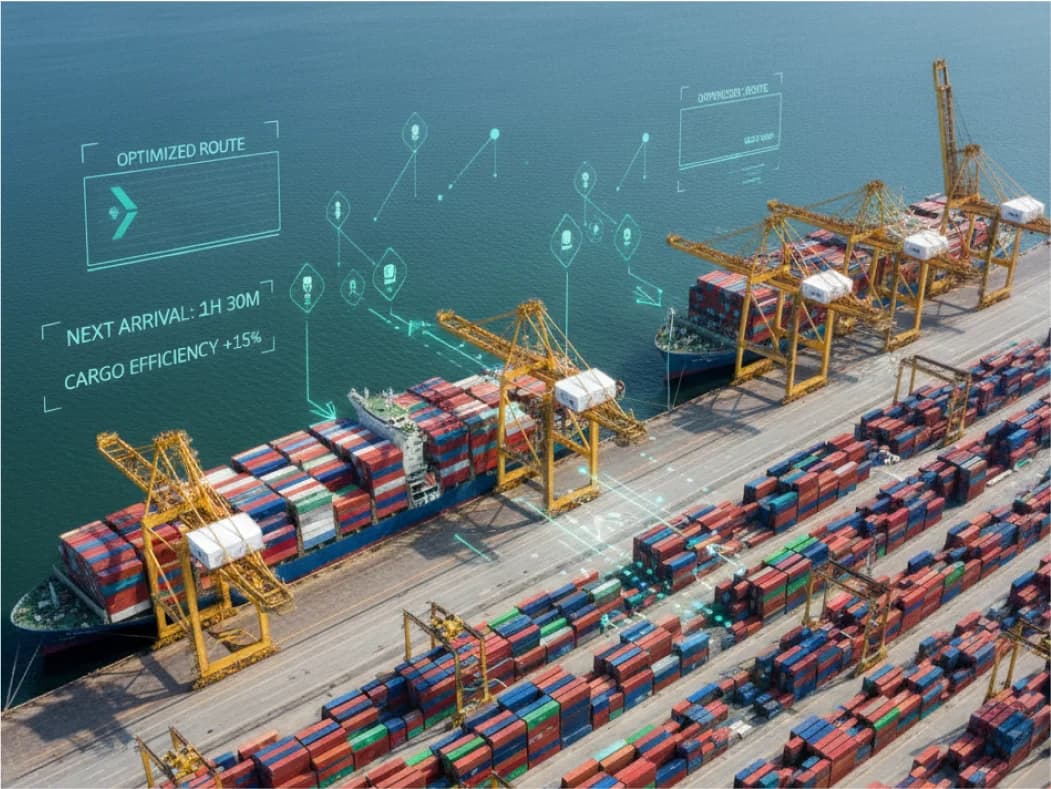
The logistics sector has been hit hard by falling demand and rising costs, but not every company is struggling. One global logistics giant is bucking the trend by deploying artificial intelligence across its operations. While many competitors scale back, this firm is using AI to gain efficiency and sharpen its competitive edge.
AI is being applied to optimize delivery routes, improve demand forecasting, and reduce idle time for fleets. By analyzing massive data sets in real time, the company can adjust quickly to shifting market conditions, ensuring goods move faster and at lower costs. This not only helps the operator weather the current downturn but also positions it for long-term resilience in a volatile industry.
Analysts say this shift underscores a broader truth: digital innovation is no longer optional in logistics. As supply chains grow more complex and margins tighten, companies that embrace AI and automation are more likely to survive and thrive, even when market conditions deteriorate.
Source: The Wall Street Journal
ClassNK Issues Guidelines for Safer, Higher-Capacity Shipping
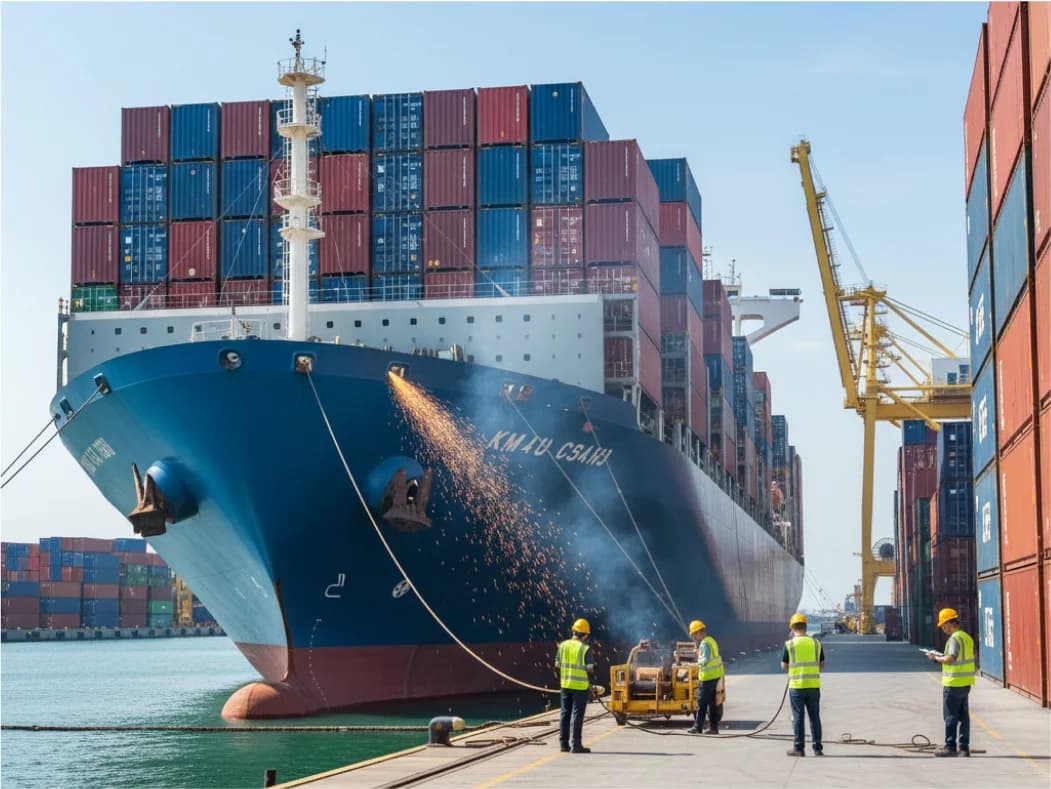
As container ships continue to grow in size and carrying capacity, safety standards are under pressure to keep pace. The Japanese classification society ClassNK has released a new set of guidelines aimed at ensuring the safe operation of megaships, which now transport record-high volumes of cargo across global trade routes.
The guidelines focus on critical areas such as structural integrity, ship stability, and operational safety. Larger vessels pose unique risks — from higher stress loads on hulls and equipment to challenges in maneuverability and emergency response. By setting clear technical standards, ClassNK is helping shipbuilders, operators, and regulators manage these risks while allowing the industry to pursue greater efficiency and economies of scale.
Experts note that these measures are especially important as global shipping companies continue to order ultra-large container vessels (ULCVs) to optimize trade costs. Without robust safety frameworks, the economic gains of scaling up could be undermined by greater risks of accidents, cargo loss, or environmental damage.
By adopting and adhering to ClassNK’s guidelines, carriers can improve both safety and operational resilience, ensuring that bigger ships don’t come at the expense of reliability.
Source: Container News
Logistics Software Startup Alvys Secures $40M Series B
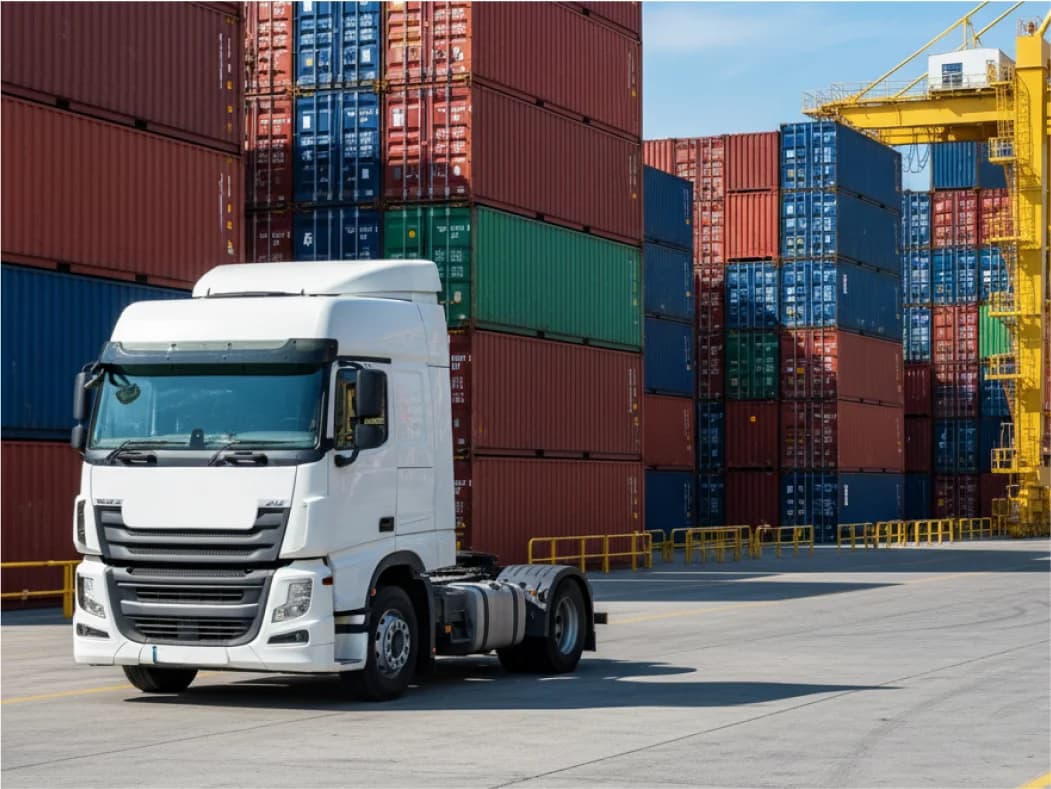
Despite a broader slowdown in logistics startup funding, Alvys, an AI-powered logistics software platform, has raised $40 million in Series B financing, led by RTP Global. The round brings the company’s total funding to $77 million, underscoring investor confidence in AI-driven supply chain solutions even during a challenging market environment.
Alvys was founded by the son of a trucker and focuses on building tools designed specifically for the freight industry. Its platform helps carriers, brokers, and shippers streamline day-to-day operations — from managing shipments and optimizing routes to cutting administrative costs and improving communication across the supply chain. By automating workflows, Alvys aims to reduce inefficiencies that are common in fragmented logistics networks.
The funding round comes at a time when many logistics and transportation startups have faced tighter capital markets. However, analysts suggest that Alvys stands out by solving a critical need: helping small and mid-sized carriers adopt advanced technology to remain competitive. For investors, this represents both a growth opportunity and a hedge against ongoing industry challenges.
With the new capital, Alvys plans to expand its platform capabilities, scale its team, and grow its market share in the U.S. freight sector. The company’s progress highlights how digital transformation, led by AI and automation, continues to reshape the logistics landscape.
Source: Crunchbase News
Why Shipping Container Homes Are the Future of Housing
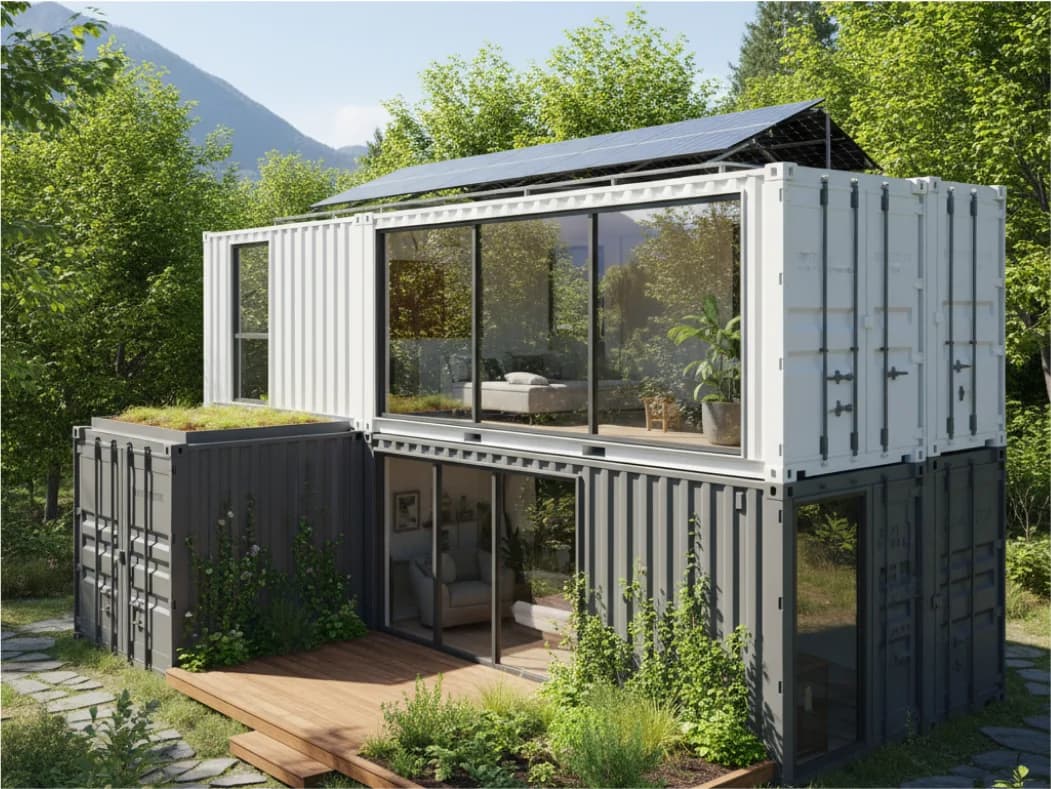
As demand for sustainable living grows, shipping container homes are moving from trend to mainstream. These homes repurpose industrial containers that would otherwise go unused, cutting down on waste while creating strong, durable structures. By recycling steel containers, the construction industry takes a step toward a circular economy that prioritizes reuse and reduces carbon emissions.
Affordability is another key driver. Container homes cost less to build than traditional housing, require fewer labor hours, and can be completed faster. In an era of material shortages and rising costs, their efficiency makes them a practical solution for families and developers alike.
Customization further adds to their appeal. Container homes can be outfitted with solar panels, green roofs, and advanced insulation for energy efficiency, while layouts can range from minimalist studios to multi-unit designs. Many are even mobile, offering flexibility for off-grid living or relocation.
Taken together, these qualities make container homes more than a niche idea — they represent a scalable, eco-conscious housing solution that aligns with modern sustainability goals.
Source: Greener Ideal
$3.5 Billion Saved Through Digital Shift in Global Trade
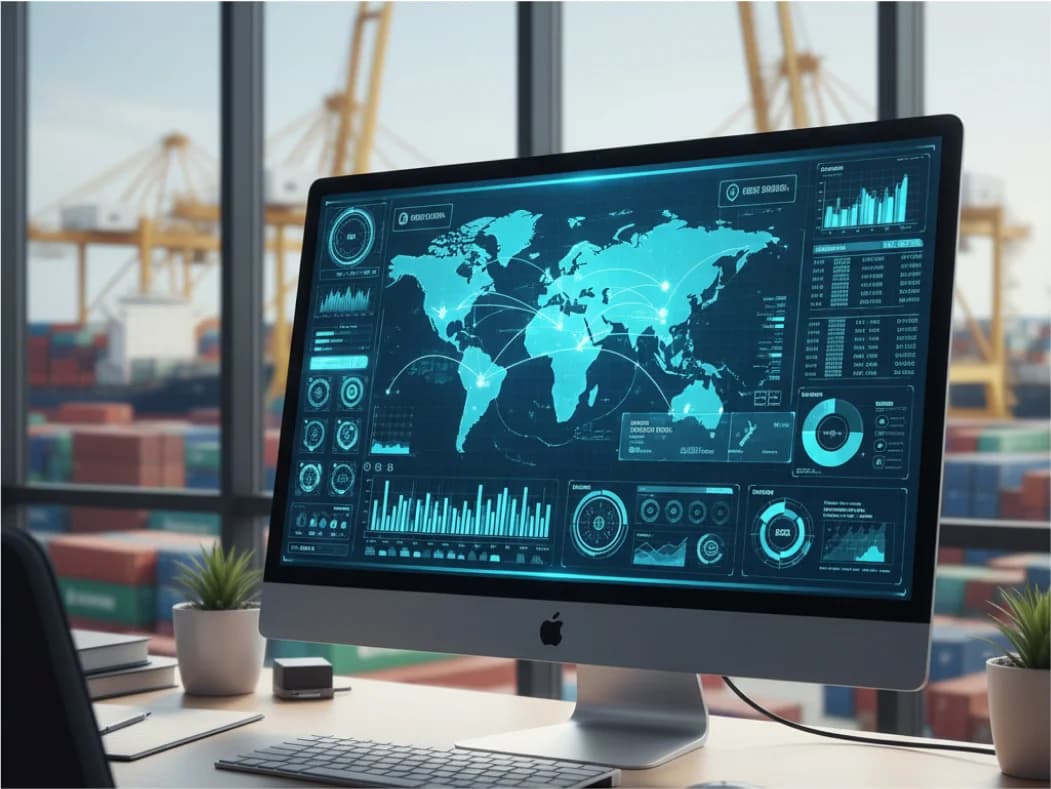
A new industry report highlights how digital transformation is delivering major cost savings across global trade and logistics. The shift to digital documentation, automated workflows, and smarter tracking systems has already saved companies an estimated $3.5 billion, with even greater efficiencies projected as adoption accelerates.
The savings come from reduced paperwork, fewer processing errors, and faster clearance times at ports and borders. Digital platforms also improve supply chain visibility, allowing firms to anticipate disruptions, optimize routing, and manage inventories more effectively. Analysts note that the benefits are particularly pronounced for containerized shipping, where delays and documentation bottlenecks have historically driven up costs.
The findings reinforce a growing consensus: investing in digital tools is no longer optional but essential for competitiveness. As sustainability mandates and geopolitical pressures reshape trade, technology will play a critical role in keeping operations lean, resilient, and profitable.
Source: Yahoo Finance
A Shipping Container Yields a 1968 Pontiac Firebird Time Capsule
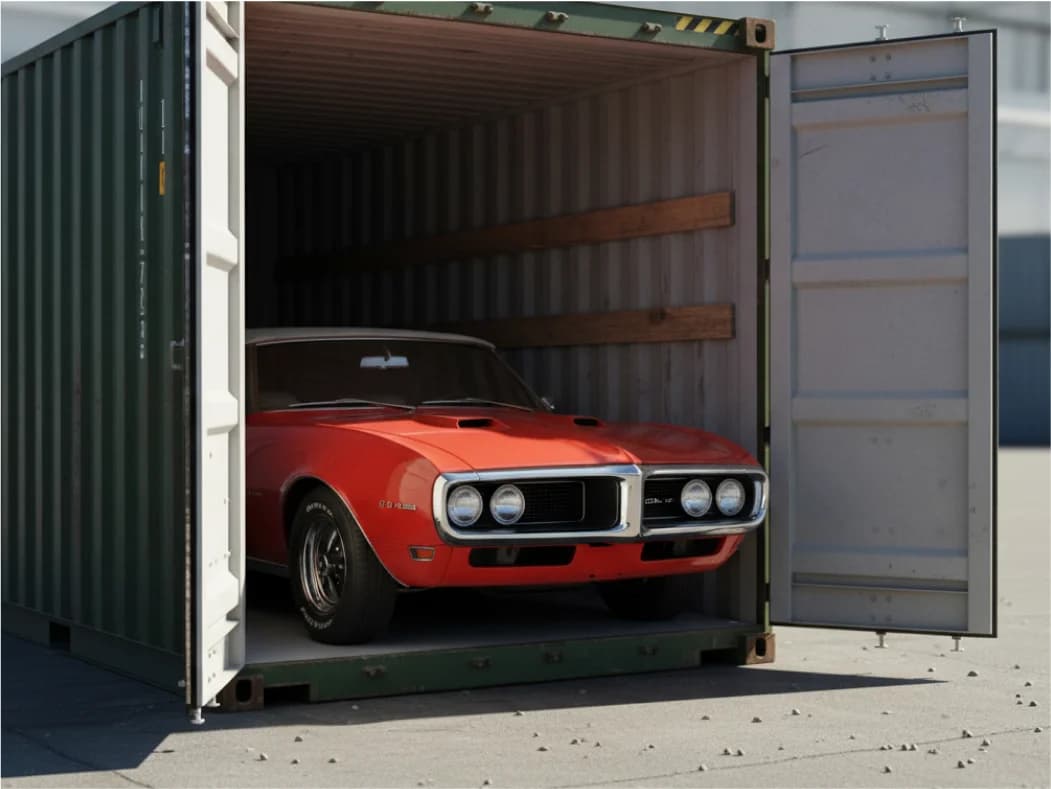
In West Hollywood, a shipping container held more than just steel; it preserved a classic. After nearly a decade in storage, a 1968 Pontiac Firebird convertible was rediscovered, essentially untouched since it was driven inside. The car, freshly repainted and fitted with new hydraulics before being stored, comes with a 350-cubic-inch V8 and just over 84,000 miles on the odometer.
Although unfinished, missing its roof and needing interior work, most of the original parts are intact, with replacements included. Priced at $22,500, the Firebird is being billed as the perfect project car, offering a rare chance to own a first-generation pony car that’s been shielded from the elements inside a container.
Source: Jalopnik
CONEXWEST
We Build It Better
BUY
RENT ONLINE