
Conex News - Weekly Update in Global Container Industry (June 27 - July 4)
Maersk Reopens Imports at Port of Haifa Amid Regional Tensions
.webp&w=1200&q=75)
Maersk has resumed accepting import cargo at Israel’s Port of Haifa as of June 26, 2025, following a brief suspension prompted by regional security concerns. While the company is now processing inbound shipments, export services remain temporarily restricted. Maersk stated that decisions were made based on continuous monitoring of the evolving security landscape and with the safety of operations in mind.
The temporary halt came amid rising tensions and conflict in parts of the Middle East, which disrupted shipping and raised logistical uncertainties for global supply chains. Although the reopening signals cautious optimism, Maersk emphasized that it continues to assess the situation closely and will adjust its operations accordingly to protect cargo and personnel.
Source: Reuters
Newsom Signs Law to Speed Up Housing by Easing Environmental Rules
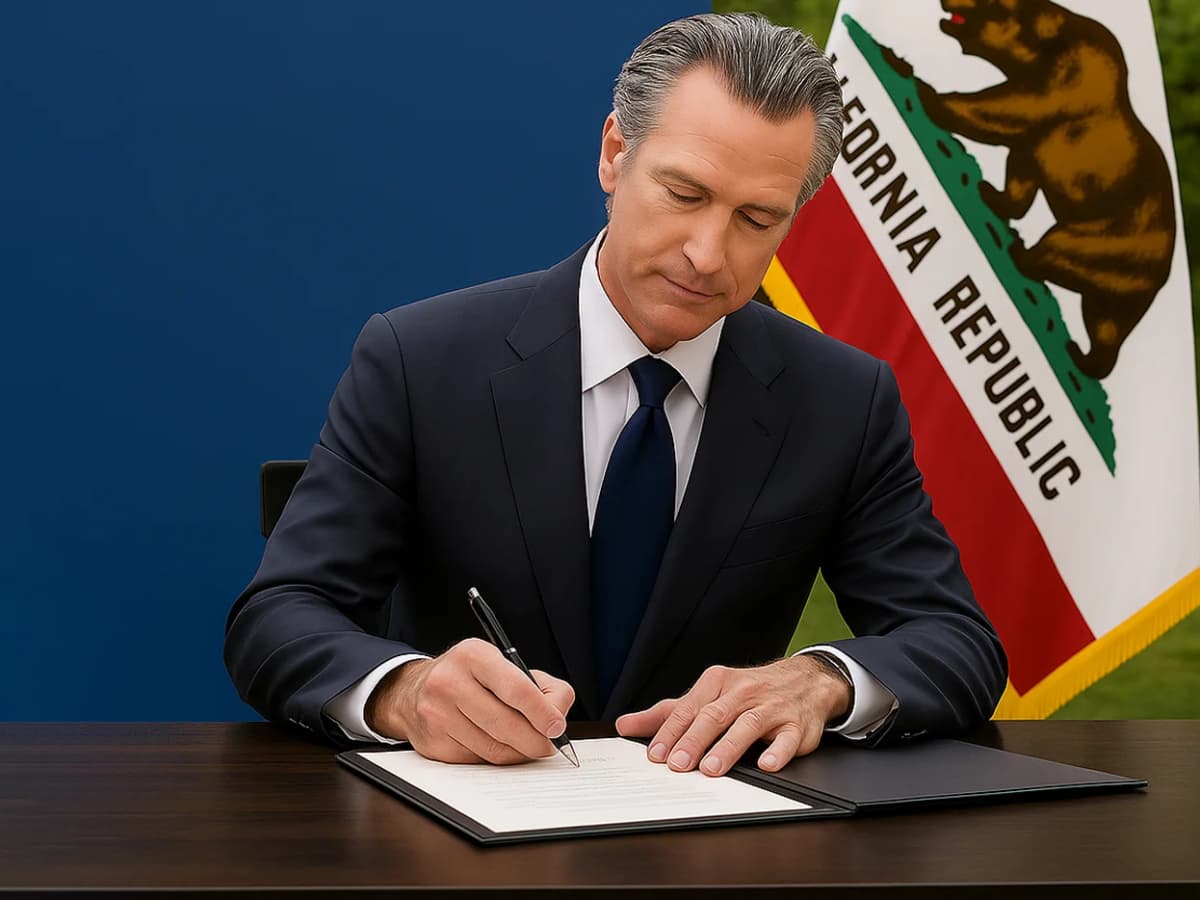
On July 1, 2025, California Governor Gavin Newsom signed a groundbreaking law aimed at streamlining the state’s housing development while loosening some long-standing environmental review processes. The new legislation modifies key portions of the California Environmental Quality Act (CEQA), which developers have long criticized for creating costly delays through excessive litigation. Under the updated law, fast-track review will be granted to qualifying housing projects, especially those tied to affordable housing or built near public transit.
Supporters argue the change is essential to address California’s housing crisis and remove unnecessary red tape, especially for dense urban development. However, environmental advocates have raised concerns that the law weakens environmental protections and could lead to unintended consequences, such as reduced community input or unchecked urban sprawl. Newsom defended the law as a “bold compromise” that balances urgency with oversight, stating that California cannot afford to stall housing development any longer.
Source: USA Today
RoboSys Launches AI-Powered SmartPilot for Autonomous and Commercial Vessels

On July 1, 2025, RoboSys Automation unveiled its latest maritime innovation: Voyager AI SmartPilot, an advanced software-based autopilot system designed for commercial and autonomous vessels. Unlike traditional navigation systems, SmartPilot integrates AI-driven decision-making with real-time situational awareness, enabling more efficient route planning, energy savings, and collision avoidance even in congested or complex waterways.
The system is modular and compatible with a wide range of ship types, offering both autonomous and crew-assisted operating modes. It’s also built to align with IMO MASS (Maritime Autonomous Surface Ships) frameworks, ensuring regulatory compliance as the industry transitions toward smarter, safer, and greener navigation solutions. RoboSys’ latest launch signals a significant leap in the integration of AI within global shipping operations.
Source: Ocean News
USC Unveils Breakthrough Tech That Could Cut Shipping Emissions in Half

Researchers at the University of Southern California (USC) have developed a breakthrough maritime emissions technology that could reduce shipping emissions by up to 50%. The system uses advanced plasma-assisted combustion to enhance fuel efficiency and lower harmful output without requiring a complete overhaul of existing engines. It’s designed as a retrofit solution, making it potentially scalable and cost-effective for the global fleet.
The innovation addresses one of the industry’s most urgent challenges: how to meet IMO decarbonization goals without waiting on future fuels or full engine replacements. Currently in lab testing, the technology has attracted attention from shipbuilders and logistics companies exploring ways to cut carbon emissions while maintaining performance and reliability at sea.
Source: Ocean News
U.S. Demand for Chinese Goods Drops, Sending Freight Rates Tumbling
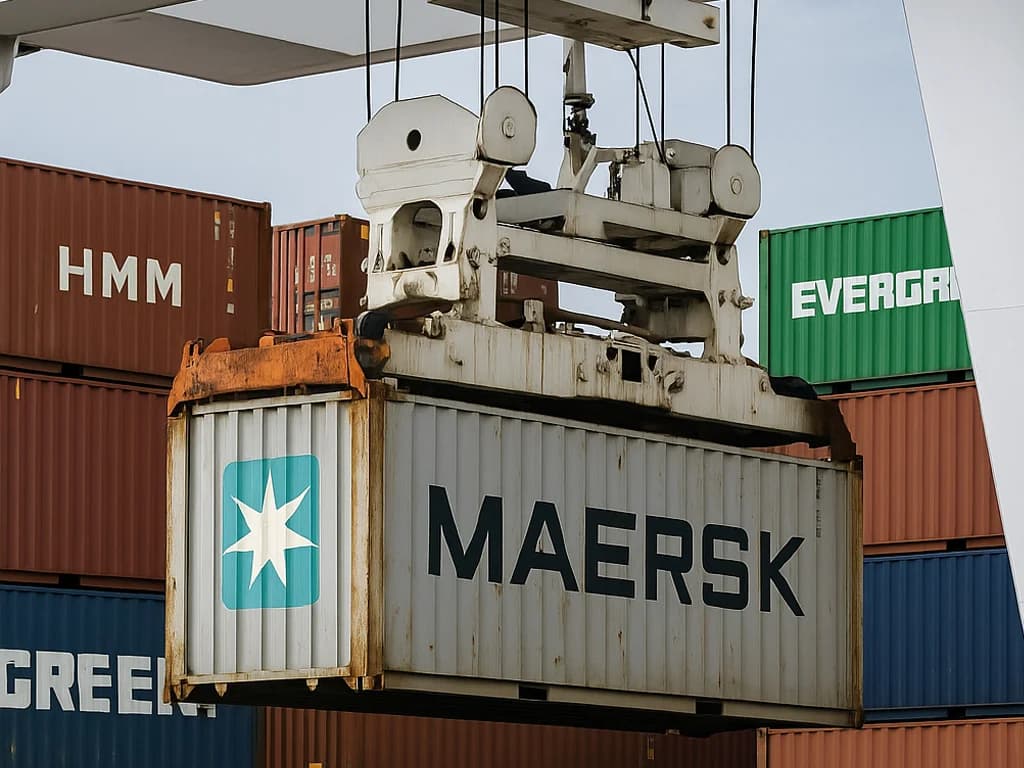
Ocean shipping rates from China to the U.S. have dropped sharply as American demand for Chinese-made goods slows amid ongoing tariff uncertainty. The U.S. recently rolled back some tariffs from 145% to 30% but the changes have not spurred a meaningful recovery in import volumes. Many businesses rushed orders earlier in the year, front-loading inventory ahead of expected policy shifts, leading to reduced shipping activity in late June.
The decline in demand has caused freight rates to plunge over 50% since early June, with some routes now below break-even levels for carriers. Analysts warn that continued trade tensions, coupled with inflationary pressure and overcapacity, could suppress peak-season growth and lead to further volatility in trans-Pacific logistics.
Source: Reuters
Trump Threatens Japan With 35% Tariffs Ahead of July 9 Deadline

Image source: NewsCentral
On July 1, 2025, U.S. President Donald Trump threatened to impose a 30% to 35% tariff on Japanese imports if a trade agreement isn't reached before the current negotiation deadline of July 9. This would be a steep increase from the current 10% levy and would exceed the original 24% tariff imposed on Japan as part of Trump’s “Liberation Day” trade crackdown in April. The White House has signaled that the pause on elevated tariffs granted for 90 days to incentivize deals will not be extended.
Tensions remain high, especially after Trump criticized Japan’s refusal to accept U.S. rice exports while allegedly experiencing a rice shortage. Japanese officials, including Chief Cabinet Secretary Yoshimasa Hayashi, have indicated that they will not compromise domestic agriculture to secure a deal. As most Japanese vehicles and steel already face 25–50% tariffs, failure to reach a deal could escalate an already fragile trade relationship. So far, the U.K. remains the only country to finalize an agreement during the negotiation window.
Source: BBC
$10B U.S.–Mexico Trade Corridor Proposed to Boost Cross-Border Commerce
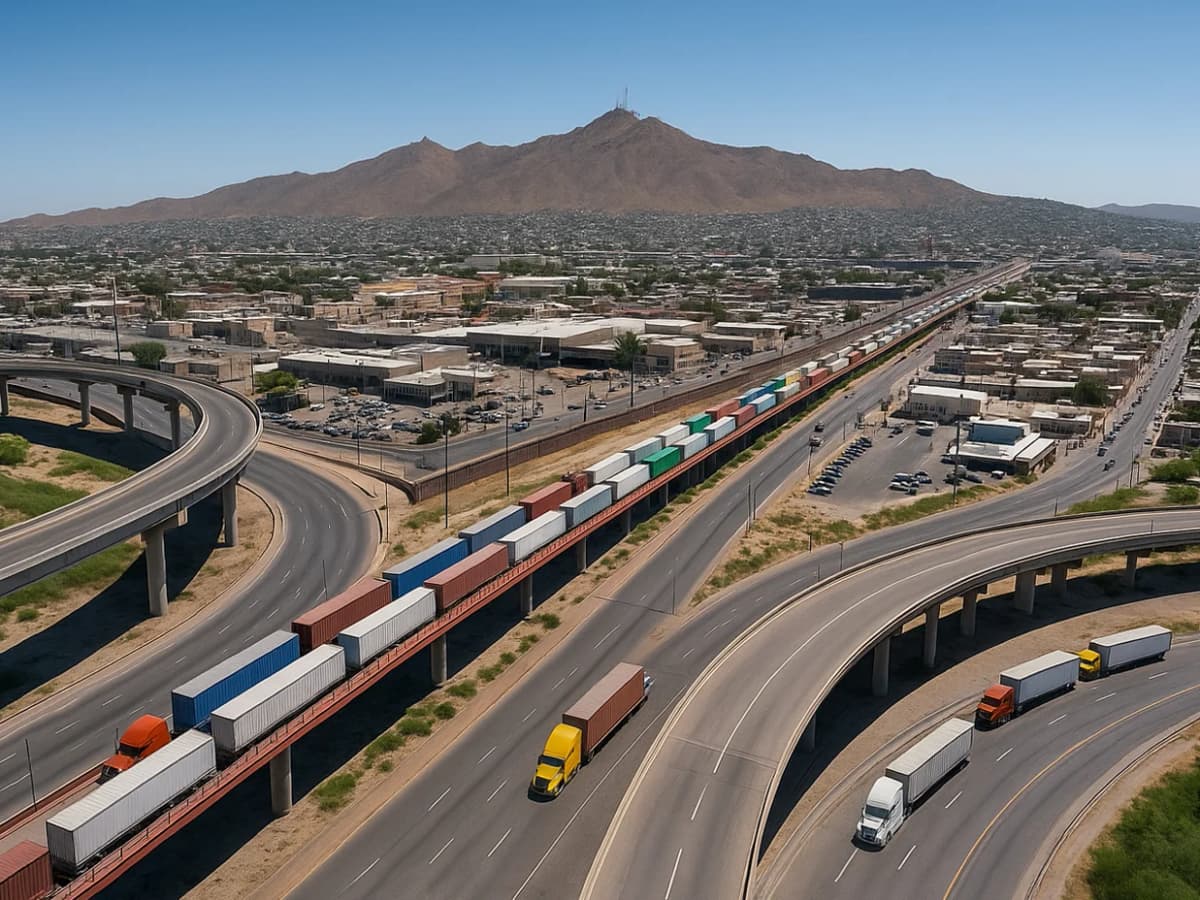
A new $10 billion proposal aims to transform trade between the U.S. and Mexico by creating a dedicated trade corridor stretching from the Pacific port of Mazatlán through Sinaloa and Chihuahua, and connecting directly to El Paso, Texas. Dubbed the T-MEC Corridor, the initiative seeks to modernize transportation infrastructure, reduce freight delays, and strengthen North American supply chains—especially as nearshoring accelerates post-pandemic.
The plan involves building out highways, rail lines, and logistics hubs to support faster, more secure cross-border commerce. Advocates say it would relieve pressure on existing trade routes like Laredo, boost binational manufacturing links, and create a more direct route to Pacific shipping lanes. While still in early stages, the corridor has garnered support from private and public sectors on both sides of the border.
Source: ElpaSoinc
CONEXWEST
We Build It Better
BUY
RENT ONLINE