
Conex News - Weekly Update in Global Container Industry (June 13 - June 20)
COSCO and X-Press Feeders Strengthen Ties in Global Shipping Strategy
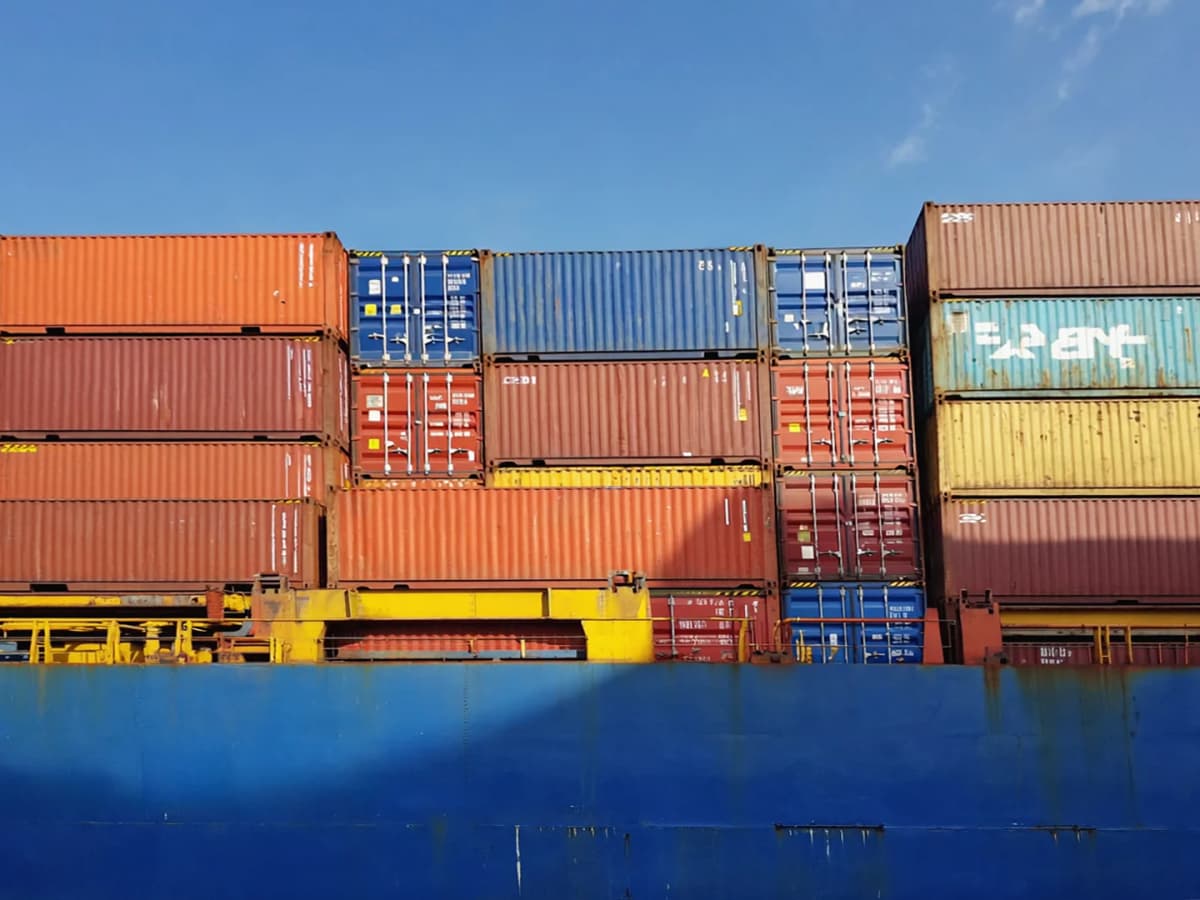
COSCO Shipping Lines and X-Press Feeders have officially launched a global strategic partnership aimed at boosting efficiency across key trade routes. The agreement focuses on better integration between mainline and feeder services, improved transshipment operations, and long-term collaboration on decarbonization and digital logistics.
As part of this growing alliance, COSCO has secured first refusal rights on X-Press Feeders' newbuild vessel charters, a move that underscores how deeply the two companies plan to coordinate in both operations and fleet development.
In parallel, COSCO has also been expanding its regional footprint, recently inaugurating its North China headquarters in Tianjin. While not directly linked to the partnership, this move aligns with COSCO’s broader effort to solidify its position as a global shipping leader through regional infrastructure, strategic alliances, and tech-driven service models.
Together, these developments signal that COSCO isn’t just scaling up, it’s doing so through smart, selective partnerships and regional strength.
Source: Container News & Seatrade Maritime
U.S. Importers Push Back as Shipping Rates Climb Back Toward $10,000
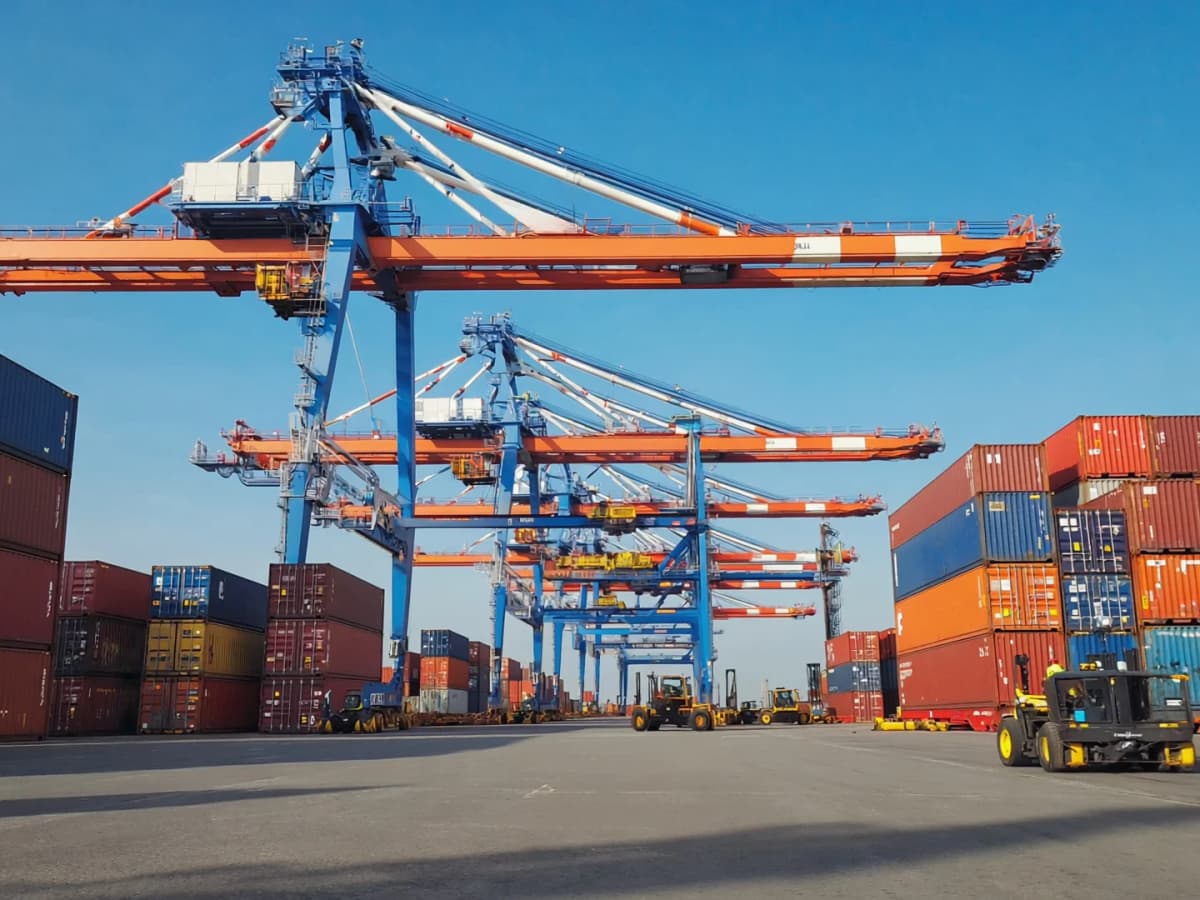
After two years of relatively calm waters, container shipping rates are surging again and fast. Spot prices from Asia to the U.S. West Coast have jumped more than 200% since May, with some carriers quoting nearly $10,000 per container.
Importers are pushing back, frustrated by unexpected costs, tight space, and limited options. Analysts say the spike is fueled by Red Sea disruptions, rerouted vessels, and a rush to move goods before more tariffs or election-related uncertainty hits.
For small and mid-size importers, it’s déjà vu from 2021 with fewer levers to pull this time.
Source: Reuters
Rate Volatility Hits Asia-Europe Trade Routes
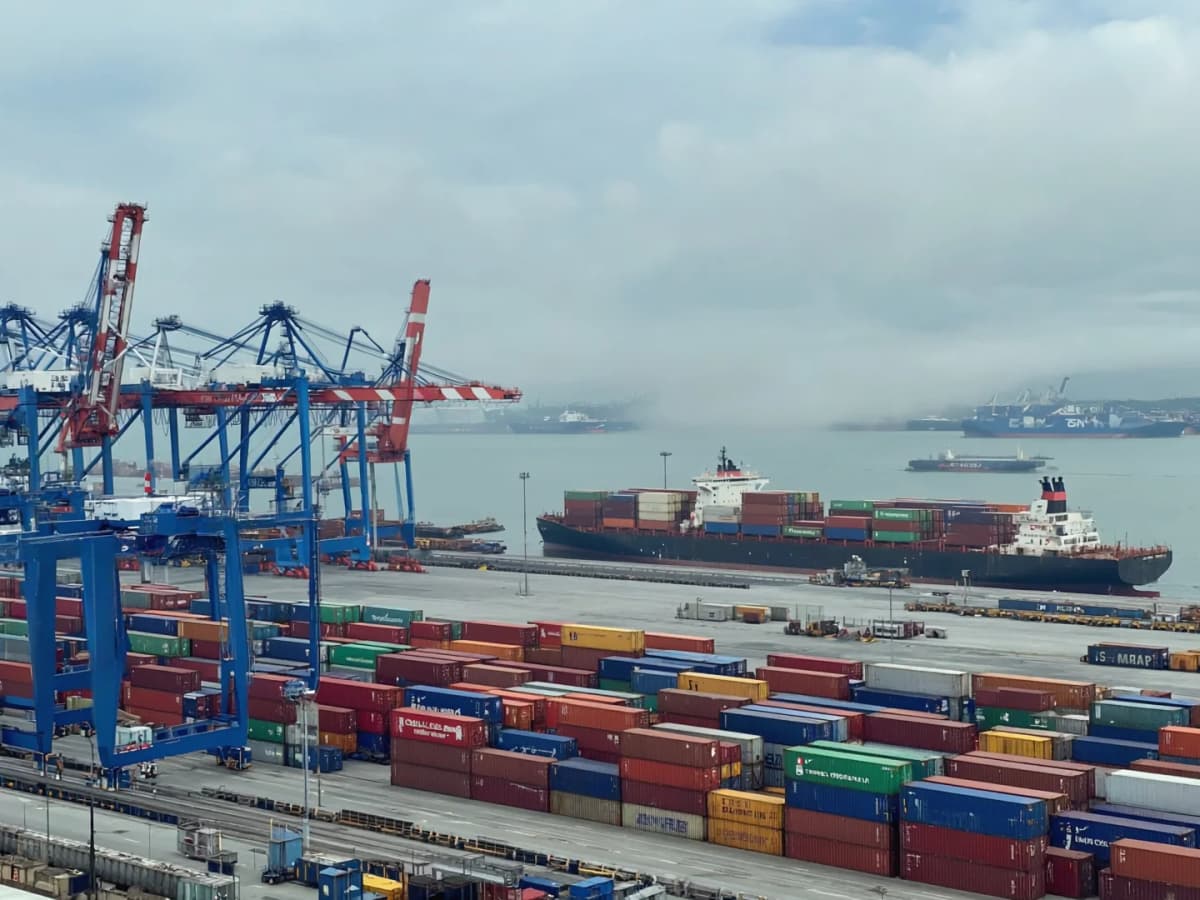
Following the recent spike in U.S. container shipping rates, the Asia–Europe corridor is now showing the same kind of volatility. Spot rates are jumping one week and softening the next, leaving shippers with little pricing stability and even fewer options to secure space reliably.
Carriers are constantly adjusting rates based on equipment shortages, shifting capacity, and ongoing disruptions in the Red Sea. In some cases, they're offering rate discounts to fill space only to raise them again the following week.
What this really signals is a global pattern of unstable pricing, where even large-volume lanes like Asia–Europe are being hit by the same issues: rerouted vessels, port congestion, and unpredictable demand. For importers and exporters on both ends of the supply chain, "wait and see" has become the default strategy but how long can that hold? Volatility is the new normal, and no major lane is immune.
Source: Seatrade Maritime
Canadian AI Innovation Boosts Port Efficiency
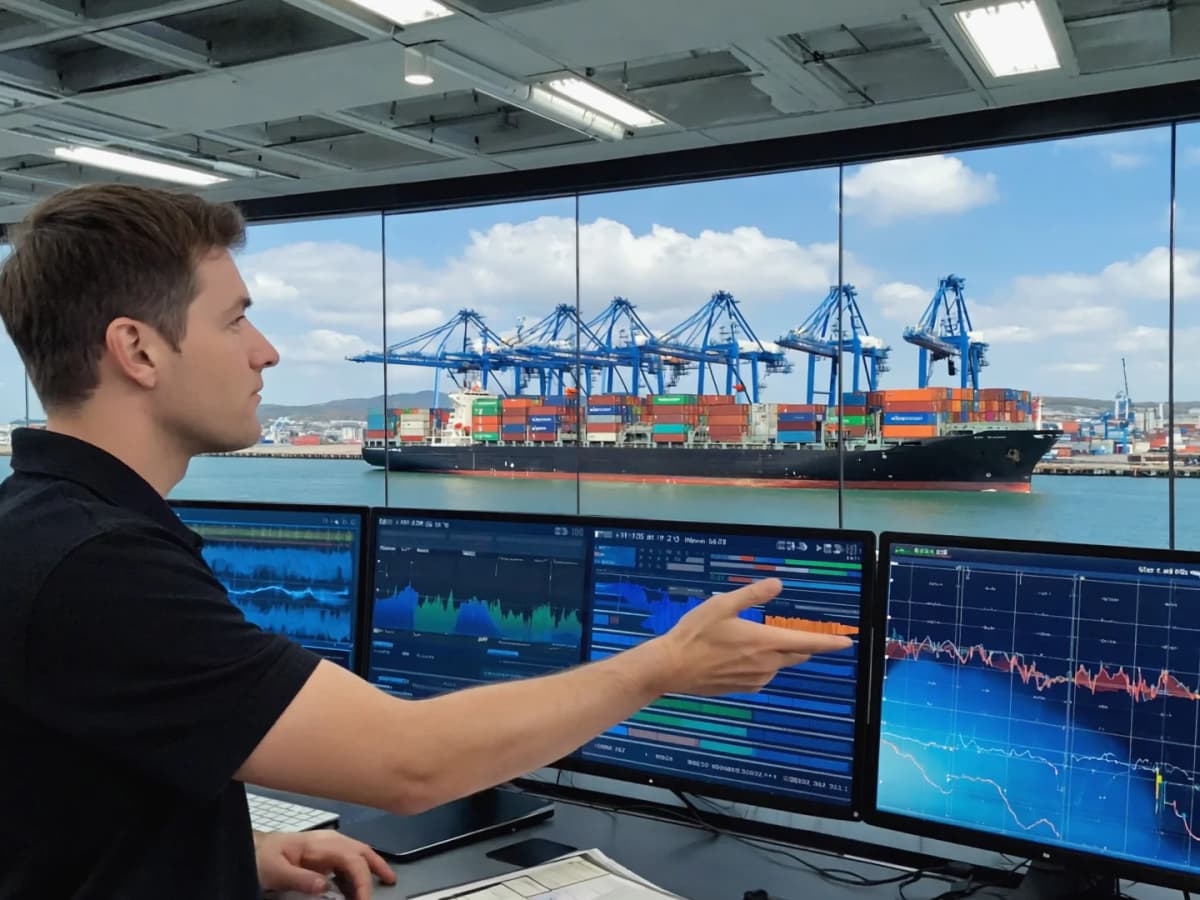
UBC Okanagan researchers have introduced a new AI tool called TrajReducer that helps ports predict ship arrivals with high accuracy. The system analyzes past voyage data to forecast destination and timing, helping ports plan better amid disruptions like Suez delays or Red Sea reroutes.
The tool fills gaps where shipping data is often vague or missing making berth assignments and logistics more efficient in real time. As global trade becomes more volatile, tools like this are becoming essential to future-proof port operations.
With up to 30% of shipping alerts being incomplete or late, this tech fills a crucial gap. It's a small shift that could mean big savings and faster, smoother operations. Ports like Vancouver and Halifax are now using the tool to optimize operations from staffing to truck coordination. It’s a small tech shift with a major impact on efficiency and cost savings.
Source: UBC Okanagan News
UK Startup Turns Shipping Containers into Onboard CO₂ Filters
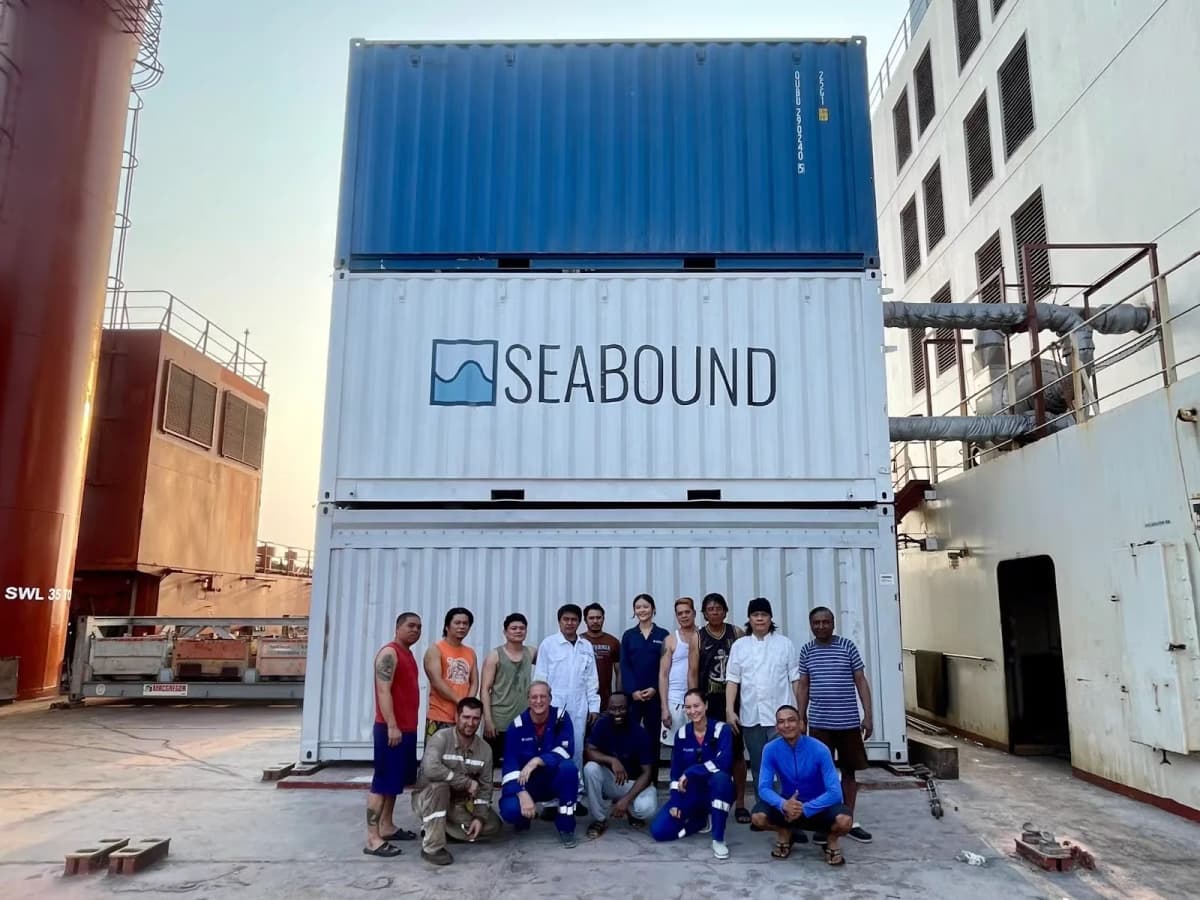
Image source: SEABOUND
A UK-based startup, Seabound, is gaining international attention for its innovative carbon capture system designed specifically for the maritime industry. What makes their solution stand out is its portability, it fits inside a standard shipping container and can be installed directly onto existing cargo ships, offering a plug-and-play approach to onboard emissions control.
Co-founded by Alisha Fredriksson and Roujia Wen, Seabound’s tech uses lime-based pebbles to capture carbon dioxide from ship exhaust, converting it into solid limestone that can be offloaded and sold or reused. Unlike other decarbonization approaches, this method doesn’t rely on alternative fuels or major port infrastructure upgrades, making it an attractive interim solution for global shipping fleets still dependent on fossil fuels.
Sea trials have already shown promising results, with the system capturing up to 78% of CO₂ emissions and removing 90% of sulfur oxides, two major contributors to shipping’s environmental impact. The captured limestone is safe and manageable as regular cargo, removing the need for complex onboard storage or disposal systems.
Seabound has been named one of the top 10 innovators in the 2025 Young Inventors Prize by the European Patent Office, signaling growing interest in practical, scalable solutions for maritime climate action. As the industry faces mounting pressure to reduce emissions, Seabound's technology may offer a much-needed bridge between today’s fleets and tomorrow’s green ships.
Source: Euronews
Shipping Containers Are Now Revolutionizing Construction Industry

Shipping containers are reshaping the construction industry, offering a fast, affordable, and eco-friendly building method. According to Yonkers Times, architects and builders are embracing modular container architecture to create homes, offices, retail spaces, and community hubs, all while reducing waste, cost, and construction time.
These steel boxes are already being repurposed into shipping container homes, student housing, pop-up shops, and even offices thanks to their standardized, stackable design. Builders report dramatic reductions in project timelines (sometimes by 50%), plus lower material and labor costs.
Sustainability is another major driver: using recycled containers cuts down on new resource use and diverts durable steel units from landfills. With built-in structural strength, they require minimal engineering reinforcement making them perfect for rapid-deployment housing, disaster relief structures, or urban infill projects.
The trend is only gaining momentum: developers are now incorporating containers into permanent, code-compliant builds, equipped with insulation, HVAC, plumbing, and electrical systems. This evolution proves that container-based construction is moving from quirky novelty into mainstream, high-quality real estate.
Source: Yonkers Times
Telematics Tech Powers Growth in Reefer Container Market
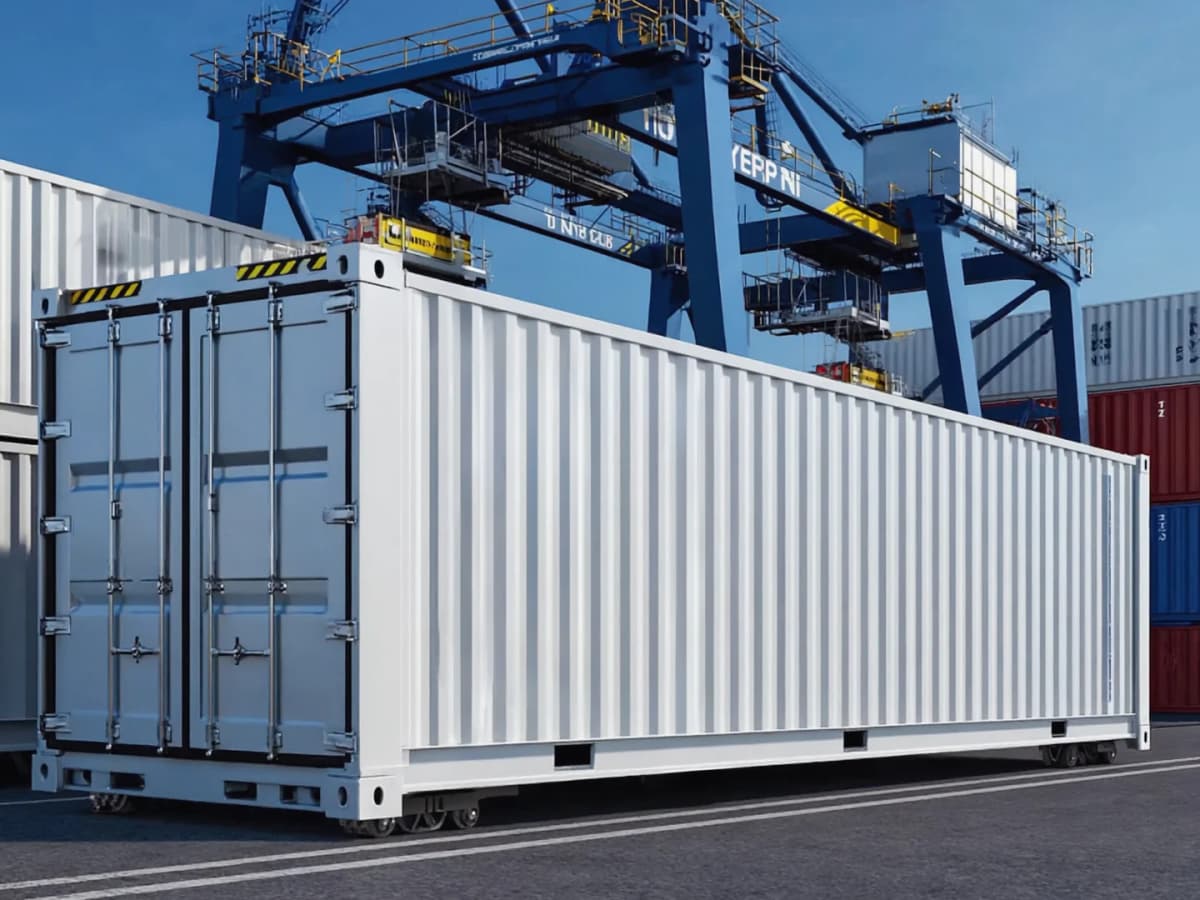
Reefer containers, used to transport temperature-sensitive goods, are getting smarter thanks to new telematics technology. Real-time tracking of temperature, humidity, and location is now possible, giving operators more control and transparency than ever before.
Companies like Dole Fresh Fruit are already investing in next-gen solutions like the Star Cool 1.1 units, which are equipped with the Sekstant Global Guidance system. These high-tech containers not only help reduce spoilage and energy use, but they also support multi-refrigerant options to meet new environmental regulations.
With demand for cold chain logistics rising worldwide, this tech upgrade could shape the future of the reefer market offering smarter, greener, and more efficient shipping solutions.
Source: Riviera
Shipping Holds Steady Amid Israel-Iran Tensions
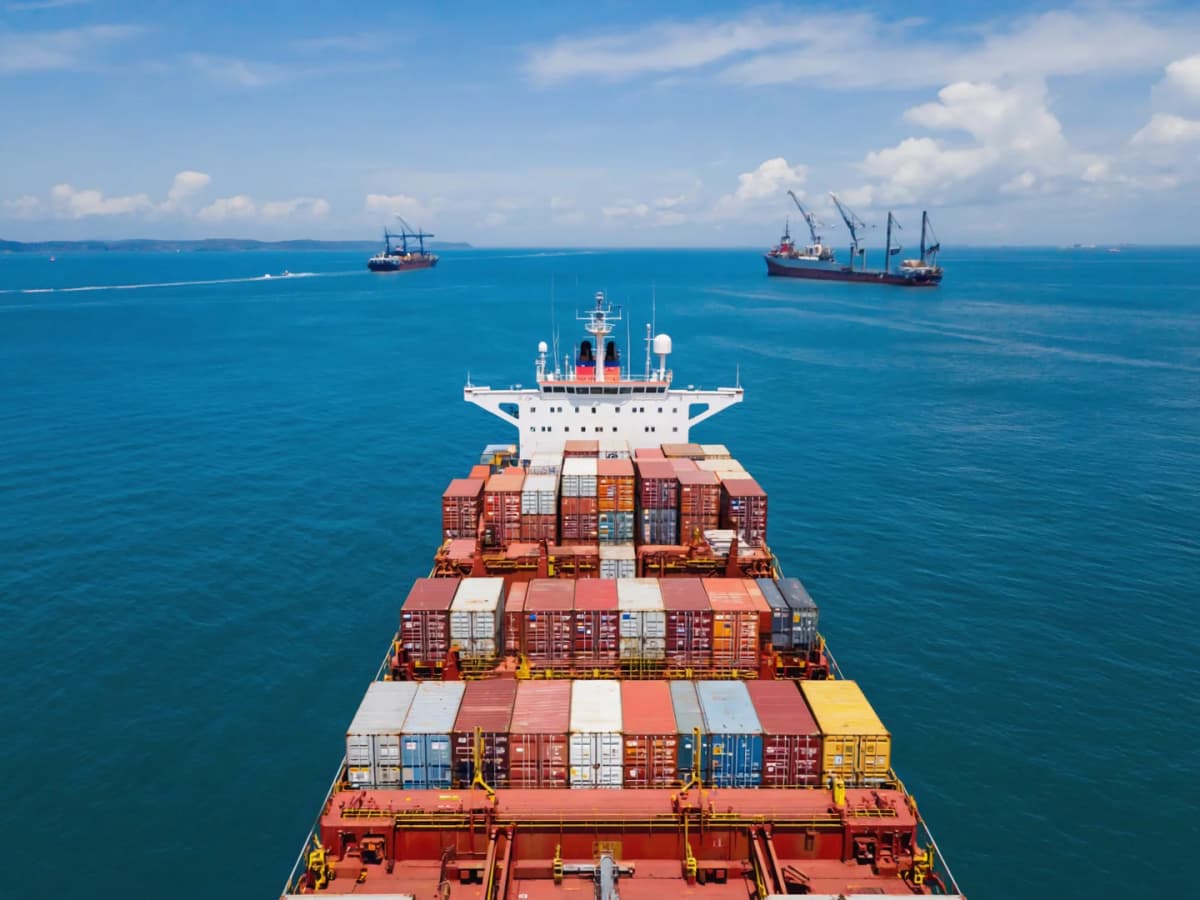
Despite growing tensions between Israel and Iran, the global freight market has yet to reflect any major disruptions. According to the latest Freightos Index, container and tanker rates have remained stable, particularly on the Asia-U.S. routes. This stability is partially due to strong vessel positioning ahead of the tariff surge and balanced capacity management across key trade lanes.
However, industry analysts warn that the situation could shift quickly if conflict begins to impact chokepoints like the Strait of Hormuz. While only 2-3% of global container volumes pass through that corridor, its strategic importance in oil and fuel shipping makes it a potential pressure point. A disruption there could force cargo rerouting through alternate hubs like Jebel Ali, leading to congestion and increased shipping costs across South and Southeast Asia.
For now, volatility remains low, with no significant spikes in fuel surcharges or emergency fees. But the shipping industry is watching closely and this moment of calm may not last long.
Source: Freightwaves
CONEXWEST
We Build It Better
BUY
RENT ONLINE