
Conex News - Weekly Update in Global Container Industry (July 11 - July 18)
Honda Launches Fastport Cargo e-Bike to Target Last-Mile Delivery

Honda is rolling into the last-mile delivery space with its newly launched Fastport cargo e-bike, designed specifically for small-package delivery across dense urban landscapes. As part of Honda’s broader strategy to diversify beyond cars and motorcycles, the Fastport enters a rapidly expanding market where sustainability, efficiency, and compact design are critical.
The three-wheeled electric cargo bike boasts a lightweight frame, narrow wheelbase, and a top speed of 15 mph — making it ideal for navigating narrow city streets and alleys. Honda plans to lease the Fastport to delivery businesses rather than sell it directly to consumers, a model that could appeal to couriers, e-commerce retailers, and grocery delivery startups seeking more flexibility and lower upfront costs.
With its enclosed rear storage unit and weather-resistant build, the Fastport is meant to compete with gas-powered scooters and vans by offering a greener, quieter, and more maneuverable alternative. Honda says it aims to begin pilot deployments in Japan this year, with plans to explore overseas markets if adoption goes well.
The Fastport is Honda’s first official entry into cargo bikes, signaling that major automotive players see the future of logistics moving not just on highways but on bike lanes. As last-mile delivery continues to balloon, innovations like this could reshape how packages travel the final stretch to your doorstep.
Source: Supply Chain Dive
Port of Los Angeles Hits Record Container Volume as Importers Rush to Beat Tariff Deadlines
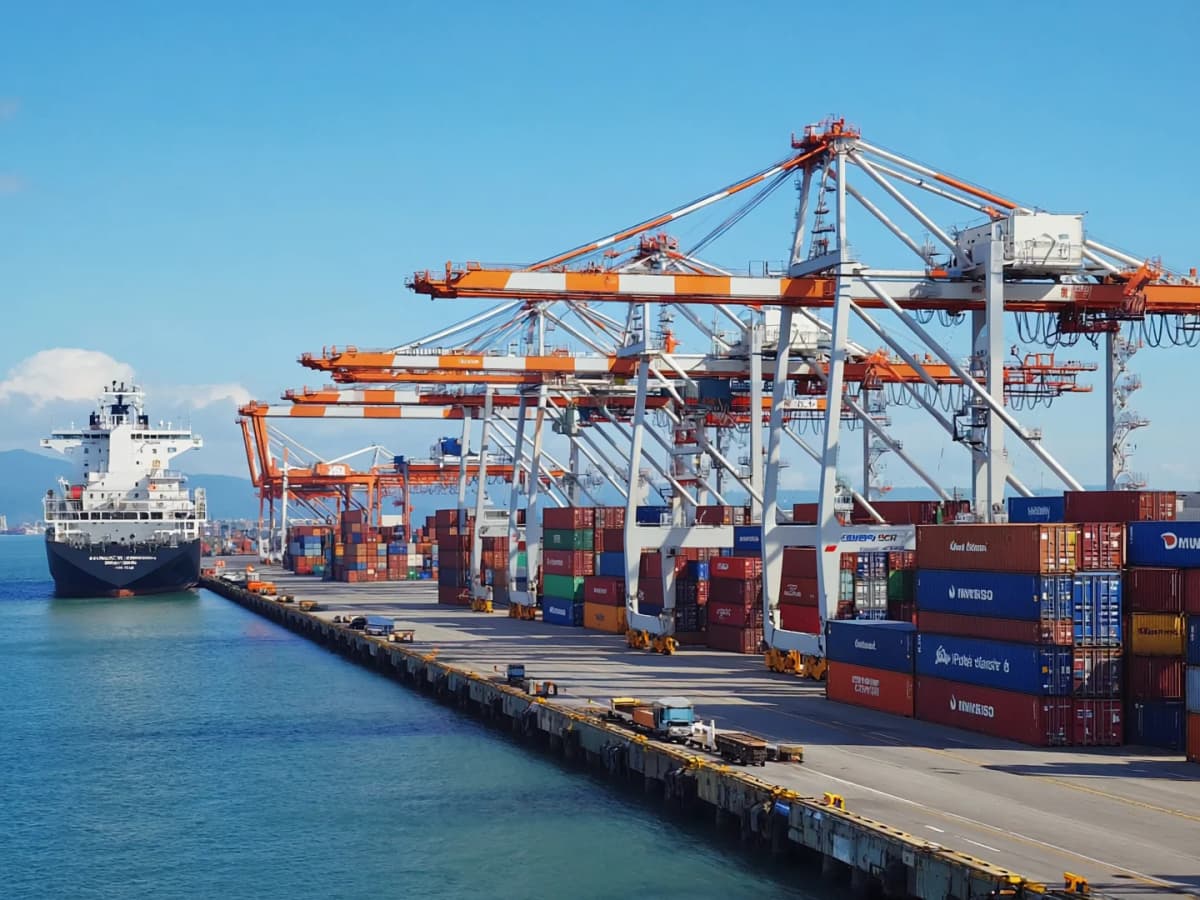
The Port of Los Angeles reported its busiest June in history, processing 892,340 TEUs as shippers rushed to import goods before President Trump’s anticipated tariff hikes took effect. The trade uncertainty, especially surrounding Chinese imports, has led to what port officials are calling a “tariff whipsaw effect.” While Trump temporarily reduced tariffs from 145% to 45%, a looming August 12 deadline has sparked a surge in freight activity.
Executive Director Gene Seroka warned that this spike won’t last long, predicting a significant drop in volume from August to November due to higher costs for American importers. Retailers are now front-loading seasonal inventory, with many only importing essential goods.
Meanwhile, some manufacturers are shifting operations to Southeast Asia, but persistent dependencies on Chinese components and molds continue to complicate the strategy. As sourcing routes shift and logistics get more complex, the industry braces for a slower, costlier second half of the year.
Shifting trade routes and tariff-driven demand surges create new opportunities and risks for container-based storage, logistics, and modular infrastructure near major U.S. ports. As companies race to adapt, container availability, mobility, and flexibility will be key.
Source: NBC Washington
NATO Warns of Rising Maritime Threats Impacting Global Shipping Routes
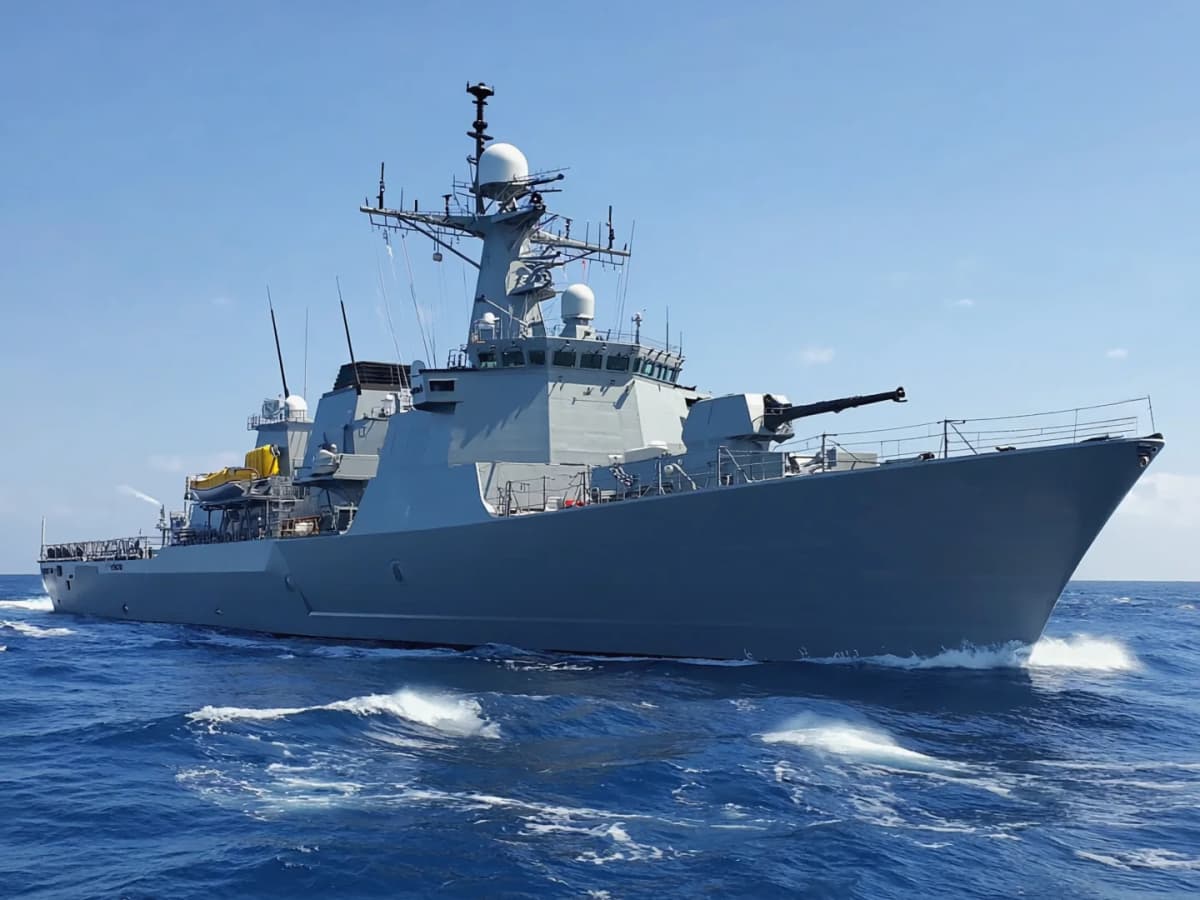
NATO’s latest maritime threat assessment reveals a growing risk to global shipping operations, especially in strategic chokepoints like the Black Sea and the Red Sea. With increased military activity, cyberattacks, and the targeting of civilian cargo ships, NATO highlights that the threat environment for commercial vessels is becoming increasingly complex and volatile.
Key concerns include:
- Russia’s continued aggression and disruption in the Black Sea.
- Ongoing Houthi attacks in the Red Sea region.
- Rising cyber vulnerabilities in maritime logistics networks.
The alliance urges all stakeholders to enhance resilience through better communication systems, port security, and route flexibility. NATO is also calling for closer collaboration between the private sector and military to protect critical shipping lanes.
Heightened global tensions and cyber risks make resilient, mobile container infrastructure more important than ever. Businesses using modular storage, field offices, or off-grid units need to plan around shifting geopolitical and maritime risks to avoid costly disruptions.
Source: Container News
Freight Rates for Russian Oil Drop — But New Sanctions Could Shake Things Up
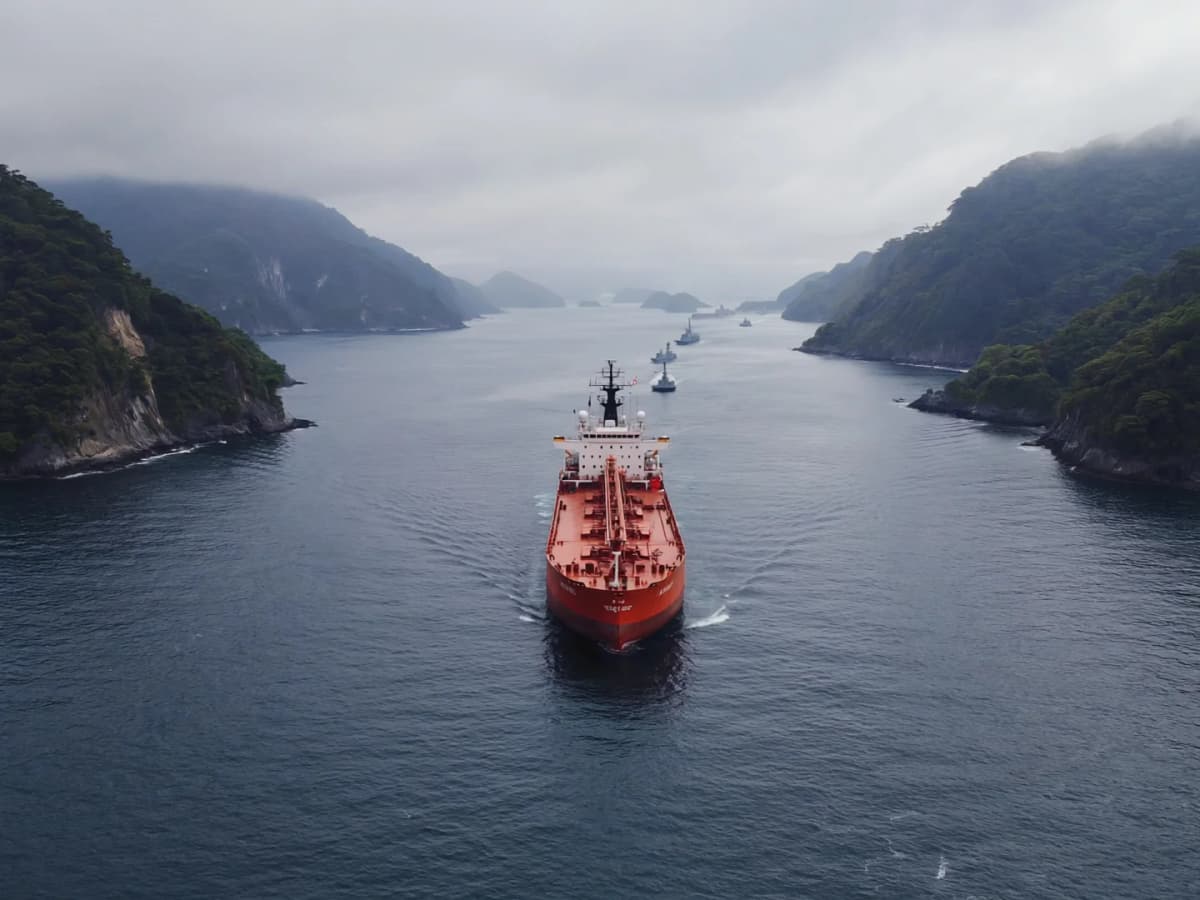
Freight rates for Russian Urals oil have fallen recently as demand stabilized and shipping capacity became more available. But traders warn this dip may be short-lived. New EU and U.S. sanctions targeting ships violating the $60-per-barrel price cap could quickly reverse the trend.
So far, rates from Russian ports to India have declined by 10–15%, as more shipowners quietly re-entered the trade after prices surged earlier this year. But the market remains fragile and sensitive to political moves. With a new round of enforcement crackdowns and secondary sanctions looming, freight costs may spike again, especially if insurers and shipping firms begin pulling back.
Container logistics and global energy transport are tightly connected. Changes in oil freight patterns affect fuel prices, available shipping capacity, and insurance rates all of which can impact timelines and margins across the entire supply chain.
Source: Reuters
USTR Launches Investigation into Brazil Under Section 301
.webp&w=1200&q=75)
The United States Trade Representative (USTR) has initiated a Section 301 investigation into Brazil following complaints from U.S. stakeholders about digital services taxes and import barriers. This move mirrors previous actions taken against countries like China and France, signaling a return to aggressive trade posturing reminiscent of the Trump-era policies. If the investigation finds Brazil's practices unfair, it could result in punitive tariffs—escalating tensions between the two nations.
The probe comes amid broader concerns about Brazil’s treatment of foreign digital firms, its industrial policies, and possible retaliation from the U.S. Trade Representative’s office. Businesses involved in cross-border trade and digital commerce are advised to closely monitor the developments, as outcomes could impact sourcing strategies, pricing structures, and regulatory exposure.
Source: Supply Chain Dive
CONEXWEST
We Build It Better
BUY
RENT ONLINE