
Conex News - Weekly Update: August 8, 2025 - August 15, 2025 in Global Container Industry
In today’s update, we’re covering developments in education and sustainability, modular housing projects, and local governance impacting container use.
Oxbow High’s Hydroponic Farm: Growing Education Inside a Container
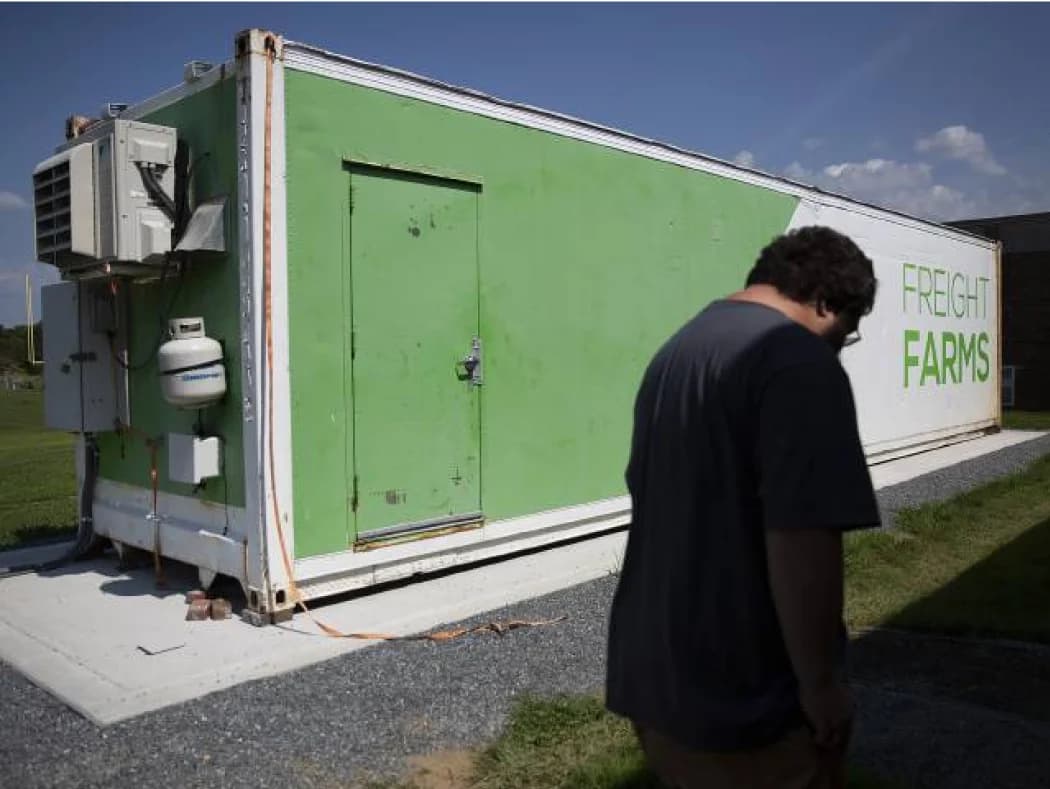
In Vermont, Oxbow High School is turning a donated shipping container into a state-of-the-art hydroponic farm. Built by Freight Farms, the container will produce the equivalent yield of 2.5 acres of traditional farmland, all within a climate-controlled environment. Students will manage the farm year-round, integrating it into STEM and Pathways programs.
The produce will supply the school cafeteria and be donated to the local community, turning the project into both an educational tool and a food security resource. It’s a living example of how shipping containers can serve as compact, efficient platforms for agriculture in cold climates or urban settings.
Source: Valley News
Oakland’s 80-Container Condo Proposal at 6200 Shattuck Avenue
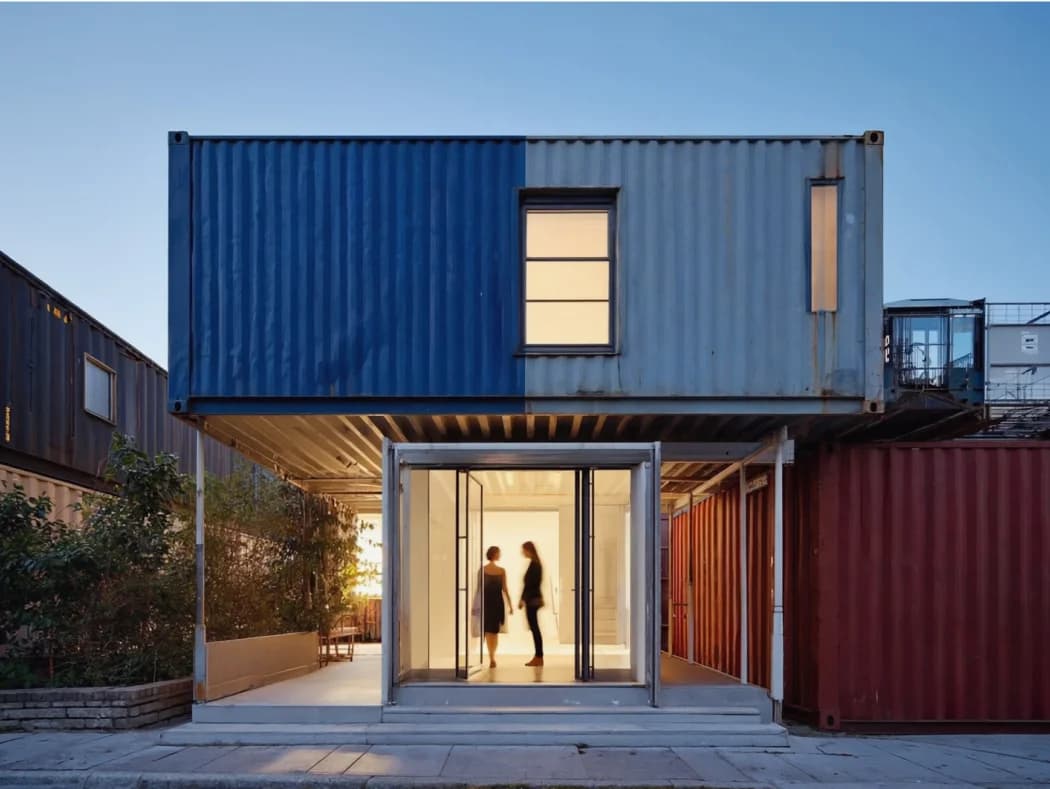
On the West Coast, Oakland’s Bushrod neighborhood may soon see a new kind of housing. Preliminary plans propose converting an old auto repair lot into a three-phase, four-story condominium complex made from 80 shipping containers. The development would deliver 30 housing units, with each phase covering approximately 20,000 square feet.
If approved, the project would join a growing list of modular housing solutions using shipping containers to reduce build time, control costs, and repurpose industrial materials for urban living. While cost and construction timelines are still pending, the proposal underscores the expanding role of cargotecture in addressing housing shortages.
Source: Ship Technology
Nashville Town Council Votes Against Containers as Accessory Structures
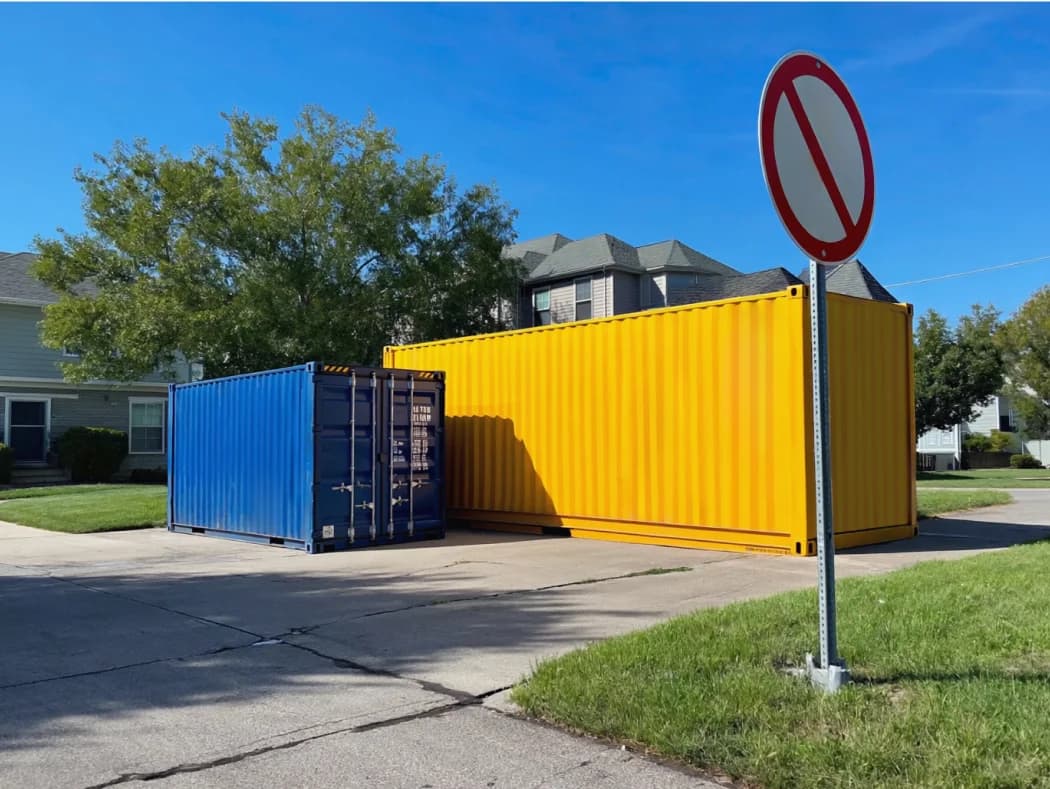
Not every container story ends in greenlighting a new build. In Nashville, the Town Council voted to maintain a zoning restriction that prohibits shipping containers from being used as permanent accessory buildings.
Supporters of the ban cited concerns over neighborhood aesthetics, property values, and compatibility with existing land uses. Opponents argued that containers could offer affordable, functional options for workshops, storage, or even small guest units if properly maintained and designed.
This decision highlights a nationwide tension: while some municipalities are embracing container-based architecture for its cost-effectiveness and adaptability, others remain cautious about its visual and cultural impact. For now, Nashville residents looking to use containers on their property will need to seek alternative zoning solutions or stick to temporary uses.
Source: Reflector
Bookings for China-to-US Shipping Containers Plunge
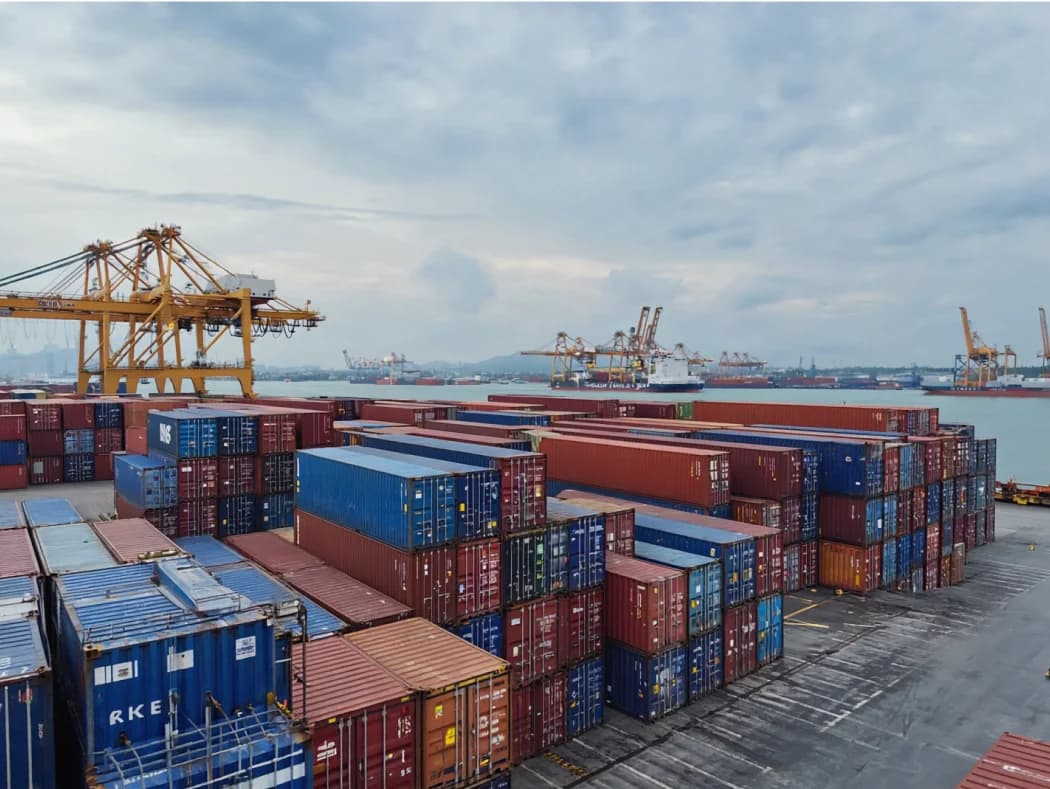
Bookings for shipping containers from China to the United States have fallen sharply, dropping nearly 40% in recent weeks. The decline follows a surge earlier in the year as companies rushed to move goods ahead of increased U.S. tariffs.
According to industry data, bookings fell from over 134,000 twenty-foot equivalent units (TEUs) in late March to just over 81,000 by mid-April. The slowdown suggests that the earlier shipping boom has left a gap in demand, as importers pause to reassess their supply chain needs under the new trade conditions.
This steep drop in bookings is the latest sign of how tariff policy can quickly reshape trade flows, creating short-term spikes followed by sharp slowdowns in container traffic between the two countries.
Source: Sherwood
Taylor’d Systems Launches Series 40+ Firefighter Training Structure
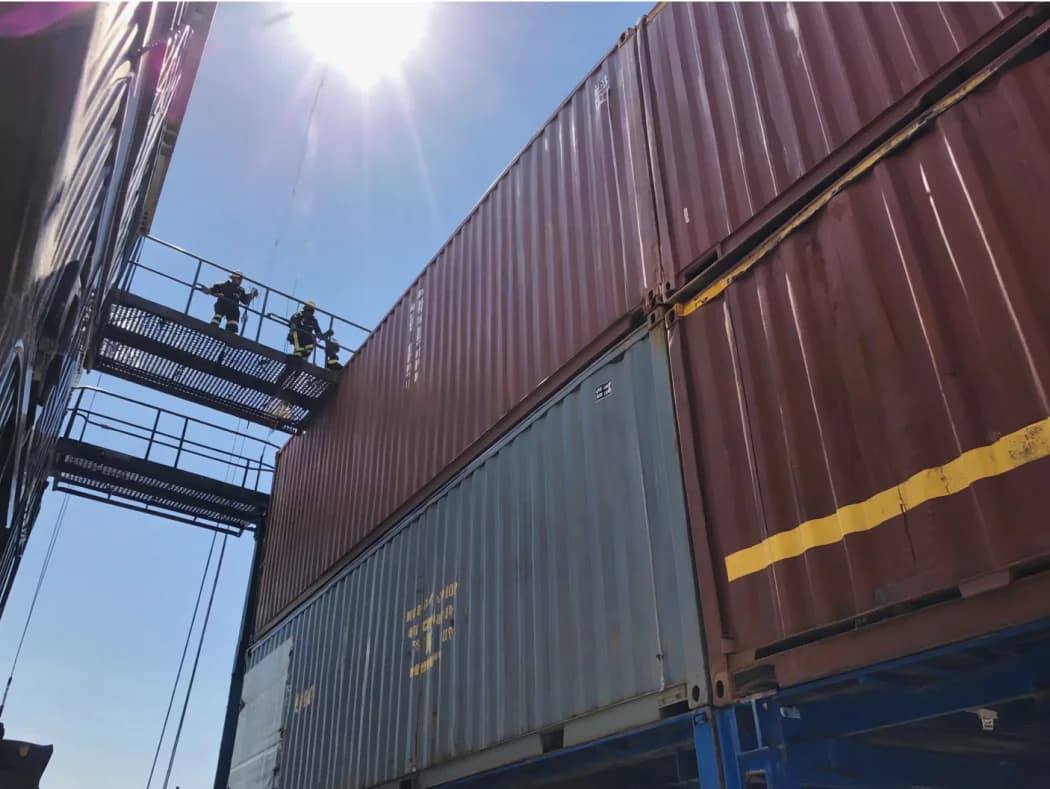
Taylor’d Systems LLC has introduced the Series 40+, a new container-based training prop designed for firefighter education. Built from recycled shipping containers, the structure offers a larger and more versatile platform than the company’s earlier Series 12 model, while remaining a cost-effective alternative to traditional brick-and-mortar training facilities.
The Series 40+ features a durable upper deck with bar grate flooring, an integrated rappelling anchor, and multiple entry points to simulate real-world emergency conditions. Inside, it includes a spacious SCBA maze, movable walls for reconfigurable training scenarios, and floor hatches that enable two-story rescue drills.
Additional elements such as a third-story bailout platform, ventilation props, forcible entry doors and windows, traction-coated floors, and roof hatches give instructors the ability to run a wide range of exercises. The modular design also allows for future expansion, letting departments add more units or integrate new components as training needs evolve.
Source: Fire And Safety Journal Americas
Bailey Builds Gets Happy Ending After State Fair Container Mix-Up
.webp&w=1200&q=75)
A Minnesota couple nearly missed out on showcasing their work at the state fair after their custom-built container was mistakenly sold. Anna and Jared Bailey, owners of Bailey Builds in Duluth, had stored their modified shipping container used as their Minnesota State Fair booth—at a local facility. The container housed all of their display materials, including walls and signage.
Days before the fair, they discovered the container had been sold in error. The Baileys feared they would be left without a booth for one of their biggest events of the year. After urgent calls and coordination, the storage company tracked the container to its buyer in Iowa.
The buyer agreed to return the container, allowing Bailey Builds to retrieve it just in time for the fair. What began as a stressful setback ended in relief, with the couple able to bring their familiar booth back for another year at the Minnesota State Fair.
Source: Kare 11
CONEXWEST
We Build It Better
BUY
RENT ONLINE