
Conex News - Weekly Update: August 15, 2025 - August 22, 2025 in Global Container Industry
Shipping Containers Become Student Housing at Roanoke College
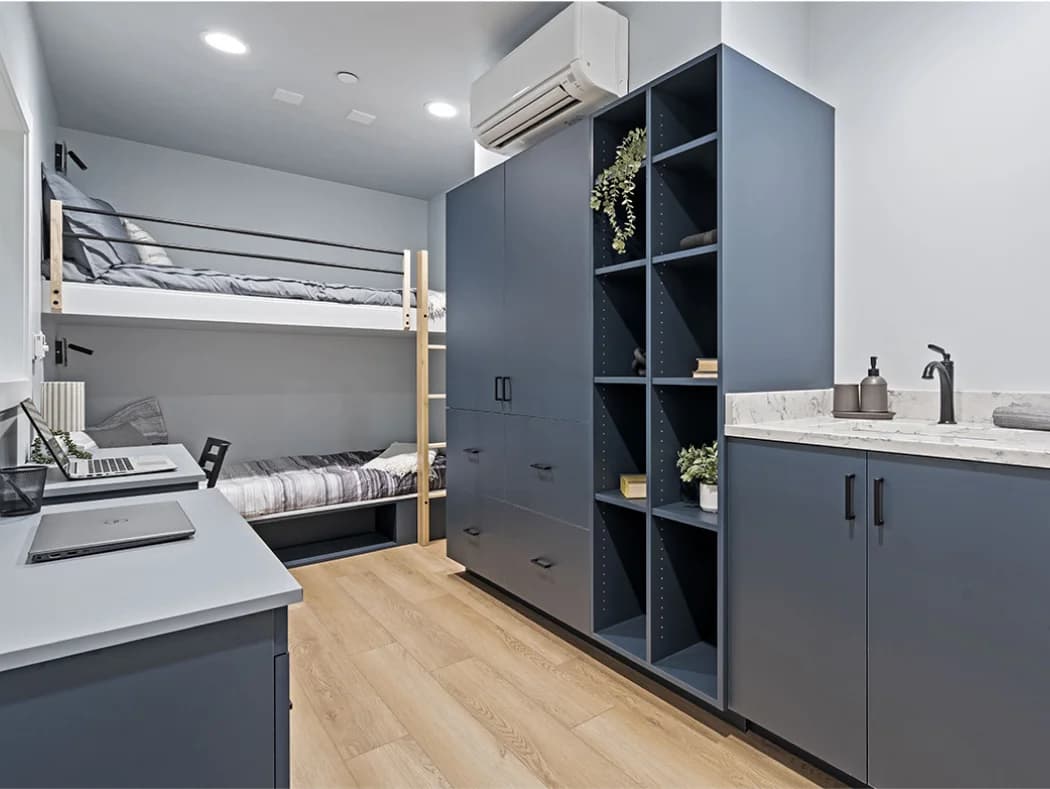
Roanoke College in Virginia is exploring a new approach to student housing with modified shipping containers. The pilot project introduces container-based dorms designed to be both sustainable and cost-effective, addressing rising housing demands while reducing environmental impact.
Each unit is built with comfort in mind, featuring modern interiors, efficient layouts, and durable materials. By using shipping containers, the college can expand housing capacity quickly and flexibly without the cost and time of traditional construction.
This project highlights the growing role of modular design in education, where schools and universities are turning to container housing as a practical solution for evolving student needs.
Source: WSLS 10 News
Phoenix Startup Turns Shipping Containers into Homeless Shelters
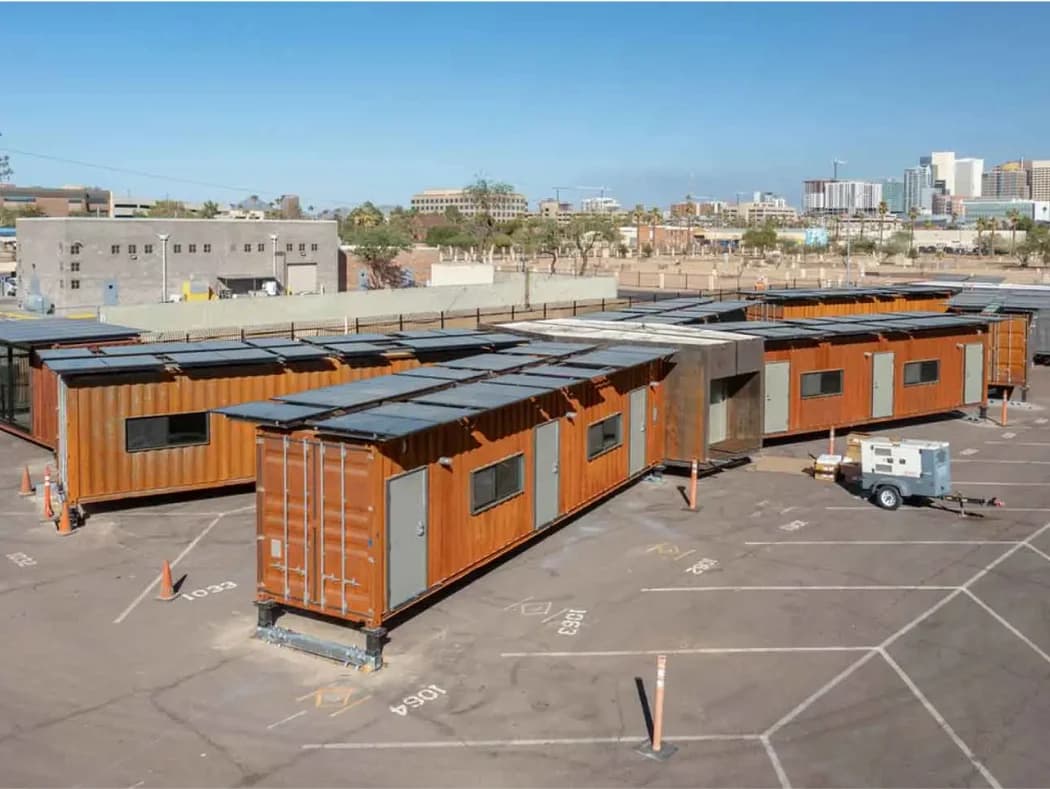
In Phoenix, a local startup is reimagining how cities can respond to the housing crisis by turning shipping containers into affordable shelters. Known as “X-Wing” homes, these modified units are designed to provide immediate relief for people experiencing homelessness. Built for durability and mobility, each container is engineered with insulation, electrical systems, and climate control to withstand Arizona’s extreme weather conditions.
The initiative is part of the city’s broader effort to expand shelter capacity quickly. Unlike traditional construction, container housing can be deployed in weeks instead of months, creating a scalable and cost-effective solution for urban areas struggling with rising homelessness. Officials say the flexibility of modular design makes it easier to adapt shelters to available land, move them when needed, and maintain lower long-term costs.
Beyond logistics, the project demonstrates how repurposed steel can serve a greater social purpose. By transforming unused containers into livable spaces, Phoenix is showing how modular construction can address urgent housing needs while also promoting sustainability. As interest in container-based housing grows nationwide, this project stands out as a model for how cities can combine speed, efficiency, and compassion.
Source: CBS News & WBLS & Good, Good, Good
Port of New Orleans Sees 2% Container Growth in 2025
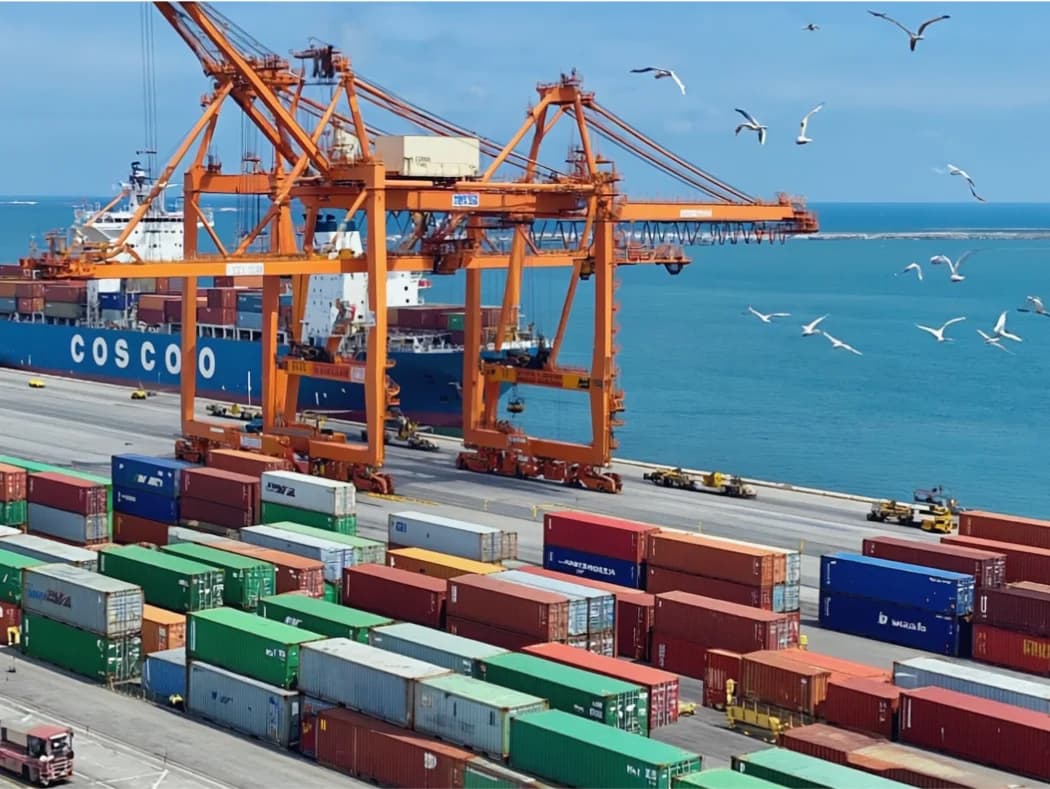
The Port of New Orleans saw container volumes rise by 2% in the first half of 2025, signaling steady growth in the Gulf Coast’s shipping sector. Strong import demand, coupled with consistent export flows, helped the port expand its role as a key logistics hub in the region.
Officials note that the growth reflects both global trade resilience and New Orleans’ strategic investments in infrastructure. Recent improvements to terminal capacity, rail connectivity, and intermodal facilities have positioned the port to handle higher volumes more efficiently, while keeping pace with international demand.
As supply chain pressures continue to shift, the port’s growth underscores the importance of Gulf Coast gateways in balancing U.S. trade flows. For shippers, steady container traffic means greater reliability and access to global markets: a promising sign for businesses that rely on efficient import and export routes.
Source: Freighwaves
From Texas to Wisconsin: Shipping Containers Reimagined as Homes
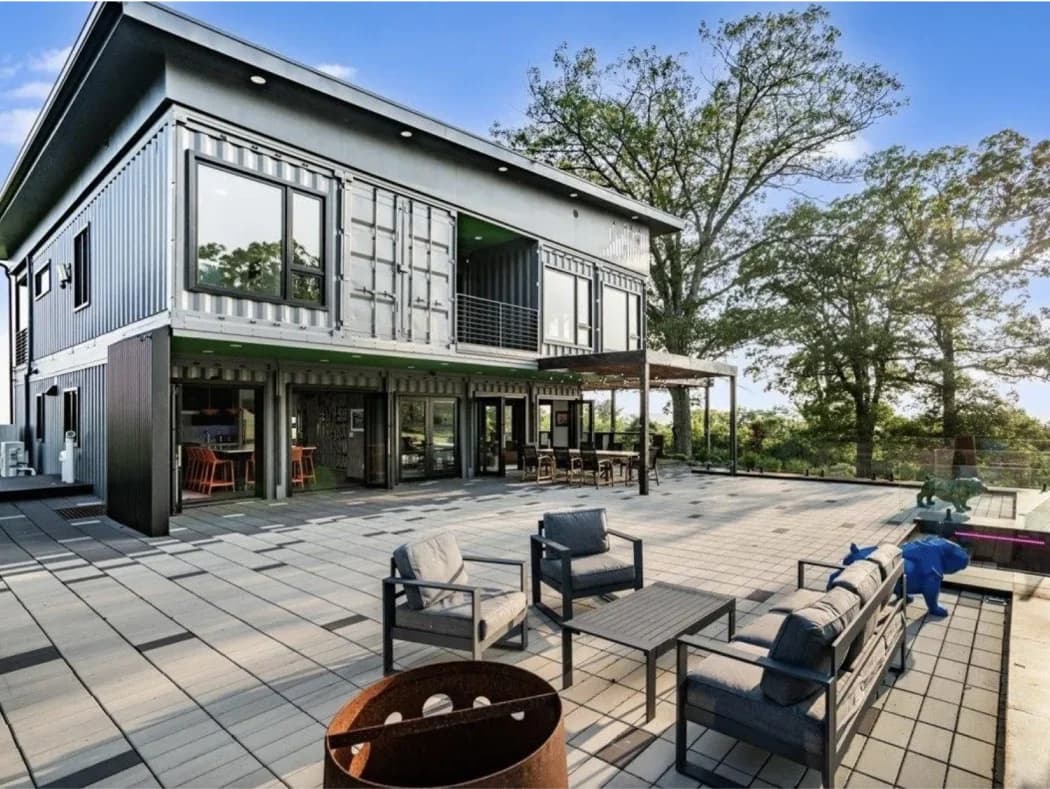
In Texas, a one-of-a-kind house built entirely from shipping containers has hit the market, showcasing how modular design is moving from concept to reality. The property, highlighted by The Beaumont Enterprise, demonstrates the potential of containers to be transformed into stylish, livable spaces. With smart layout choices and modern finishes, the home stands as proof that container construction can meet both practical and aesthetic demands.
Meanwhile in Wisconsin, container homes are being explored as a solution to the state’s housing needs. The Wisconsin State Journal reports that developers are eyeing shipping containers for their affordability, speed of assembly, and sustainability benefits. With housing shortages across the country, modular container homes offer communities an opportunity to add units quickly while keeping costs manageable.
Together, these stories reflect a growing trend: shipping containers are no longer just for transport. They’re being reimagined as modern housing adaptable, eco-conscious, and cost-effective. From single-family homes to larger developments, containers continue to push the boundaries of what’s possible in residential design.
Sources: The Beaumont Enterprise, Wisconsin State Journal
EU Moves to Safeguard Black Sea Shipping with New Security Hub

The European Union has proposed the creation of a Black Sea Maritime Security Hub to bolster surveillance and ensure safety across this strategically vital trade region. Introduced in May 2025, the initiative aims to gather real-time data from satellite and seabed sensors to monitor traffic, undersea infrastructure, and offshore energy sites in collaboration with Black Sea nations
This security hub, envisioned as both a rapid-response early warning system and peacekeeping support mechanism, is a direct response to ongoing threats in the region including military tensions and Russian aggression as well as growing concerns over damage to critical infrastructure like cables and platforms.
The proposal underscores how increasing geopolitical risks are reshaping maritime priorities. For ports and shipping operators, these developments highlight the urgent need for defensive measures that safeguard navigation, protect assets, and preserve the uninterrupted flow of global trade
Source: Reuters
Global Shipping Container Market Poised for Strong Growth
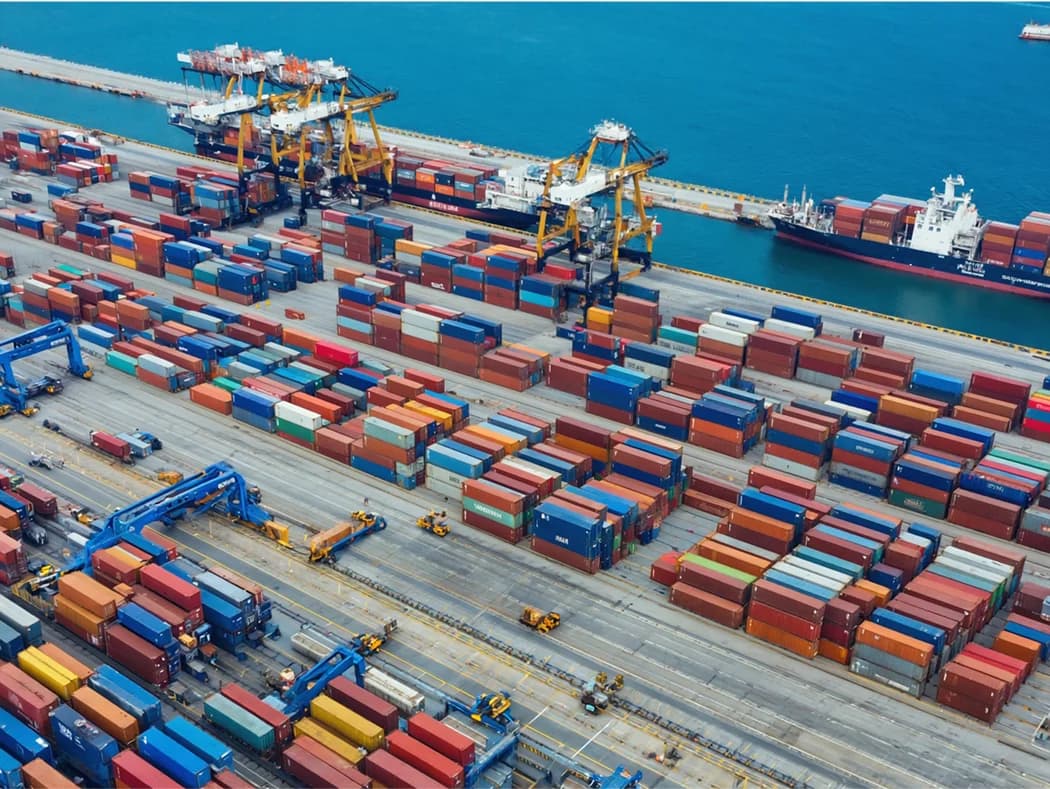
The global shipping container market reached approximately USD 11.9 billion in 2024 and is projected to more than double to USD 21.5 billion by 2033, growing at a 6.7% compound annual rate between 2025 and 2033. Another industry report estimates the market could even reach USD 33.8 billion by 2034, expanding at a sharper CAGR of 12.5%. Growth is being driven by rising global trade, booming e-commerce, and infrastructure investments that are making container transport faster, smarter, and more sustainable.
The Asia-Pacific region continues to lead market share thanks to export-oriented manufacturing and advanced port infrastructure, while 40-foot dry containers remain the most efficient and versatile option for logistics. Meanwhile, the U.S. smart container market is forecast to surge from around USD 1.3 billion in 2024 to nearly USD 7.8 billion by 2034. Globally, smart container solutions are expected to expand from USD 5.2 billion in 2025 to USD 21.5 billion by 2032.
These trends point to a major shift: containers are no longer just steel boxes, but part of a digital transformation in logistics. The integration of smart technologies is delivering full visibility and real-time control across the supply chain. For operators and businesses, investing in modular and intelligent container infrastructure is becoming essential to stay competitive in an evolving global market.
Source: Open PR & Towards Packaging
CONEXWEST
We Build It Better
BUY
RENT ONLINE