
Cold Storage for Businesses: Choosing the Right Setup
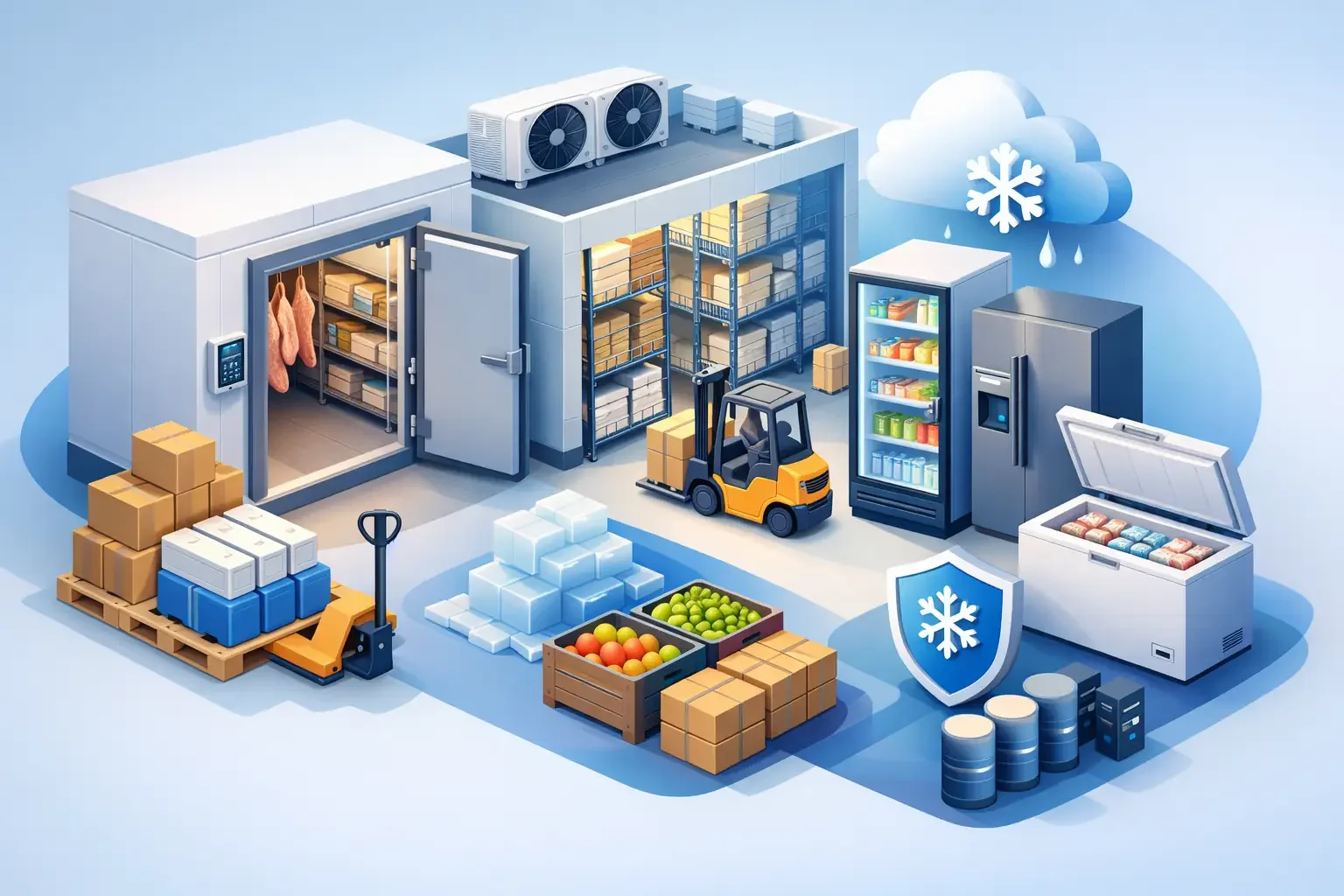
A delayed produce shipment, an overloaded walk-in cooler, or a seasonal spike in frozen inventory can turn into a costly operational problem quickly. Cold storage gives businesses a controlled environment for keeping temperature-sensitive products within their required range, without committing to a permanent building expansion before it is justified.
For many operations, a refrigerated shipping container - often called a reefer container - provides a practical middle ground. It can add temperature-controlled capacity at a distribution yard, job site, farm, commercial kitchen, event venue, or processing facility. The right solution depends on more than cubic footage. Product requirements, power availability, access patterns, site conditions, and delivery constraints all determine whether a unit will perform as intended.
What Cold Storage Must Do for Your Operation
Cold storage is not one temperature setting or one equipment type. Fresh produce, dairy, beverages, floral inventory, pharmaceuticals, prepared foods, and frozen goods all have different handling requirements. Some products need steady refrigeration above freezing. Others need freezer-level temperatures, while certain applications require narrow setpoints, monitoring records, or controlled humidity.
Start with the product, not the container. Identify the target temperature range, acceptable temperature variance, expected inventory volume, packaging type, and maximum dwell time. A reefer container is designed to circulate conditioned air, but it cannot overcome poor loading practices or warm product arriving faster than the unit can pull down the temperature.
This distinction matters: refrigerated containers are generally best at maintaining the temperature of pre-cooled goods. They can reduce temperature over time, but they should not be treated as a substitute for a dedicated blast freezer or rapid-chill system when products enter warm. If your operation needs fast product pull-down, that requirement should be defined early so the equipment plan matches the process.
Why Reefer Containers Fit Temporary and Growing Demand
A refrigerated container creates usable cold capacity where it is needed, rather than where an existing building happens to have space. That mobility is valuable for contractors supporting remote sites, farms managing harvest periods, distributors navigating peak demand, and facilities teams working through renovations or equipment failures.
Standard reefer containers are commonly available in 20-foot and 40-foot lengths. A 20-foot unit can be a sensible choice where site access is tight or inventory needs are limited. A 40-foot unit offers more pallet positions and is often the better value when volume, staging, or product separation is the priority. High-cube configurations provide additional internal height for some applications, though dimensions should always be reviewed alongside door clearance and local delivery conditions.
Compared with permanent cold rooms, container-based cold storage can reduce the time and disruption associated with construction. It can also be rented for a defined period or purchased as an operational asset. Renting often makes sense for harvest season, temporary warehouse overflow, emergency replacement capacity, or short-term projects. Buying may be more economical when cold capacity is a recurring need or when the unit will receive custom modifications for a long-term site.
The trade-off is that a container has fixed exterior dimensions and requires a suitable place to sit. A permanent walk-in can be designed around an existing footprint, while a reefer unit needs clear access for delivery equipment, level support, electrical service, and room for personnel to use the doors safely.
Selecting the Right Cold Storage Temperature Range
The temperature range should be specified before selecting equipment. Refrigerated reefer units commonly support chilled storage for products such as produce, beverages, dairy, and fresh food. Freezer-capable units are used for frozen foods, ice cream, seafood, and other inventory that must remain below freezing.
Do not select a unit based only on its lowest advertised temperature. The useful question is whether it can consistently maintain your required setpoint under expected ambient conditions, loading frequency, and inventory density. A unit operating in summer heat with frequent door openings has a different workload than one used for sealed pallet storage in a shaded yard.
Product segregation is another planning factor. Storing items with incompatible temperature needs in the same container can create quality issues and unnecessary energy use. Odor transfer can also be a concern with food, flowers, chemicals, or strongly scented products. If multiple product categories must be stored, separate units or a documented zoning process may be the more dependable approach.
For regulated products, confirm the temperature documentation and cleaning procedures your operation must maintain. The container provides the controlled space, but responsibility for food safety, product handling, inventory rotation, and compliance remains with the operator.
Power, Site Preparation, and Delivery Requirements
A reefer container needs reliable electrical power to maintain temperature. Before delivery, verify the unit's voltage, phase, amperage, plug configuration, and disconnect requirements against the service available at the site. Many commercial reefer units use three-phase power, so a standard building outlet is typically not enough. When utility power is unavailable, a properly sized generator may support the unit, but fuel planning, runtime, noise, emissions, and backup procedures should be considered.
Site preparation is equally important. The container should be placed on firm, level ground that can support its loaded weight. A compacted gravel pad, concrete surface, or engineered foundation may be appropriate depending on the site and inventory load. Avoid locations where standing water, poor drainage, or uneven settlement could affect door operation, access, or long-term performance.
Delivery planning should cover more than the final footprint. The driver needs a clear route into the property, adequate turning room, overhead clearance, and a safe placement area. Trees, power lines, gates, parked equipment, narrow drives, and soft ground can all change the delivery approach. Confirm whether a tilt-bed truck, crane, or other handling method is needed before scheduling.
A cold storage project is easier to execute when these requirements are handled as a single plan:
- Required temperature range and product type
- Container length, internal capacity, and door access needs
- Electrical service, backup power, and cord routing
- Level site support, drainage, and vehicle access
- Delivery route, placement method, and operating clearances
Loading Practices That Protect Inventory
Even a well-maintained reefer container can struggle if airflow is blocked. Cold air needs a path to circulate around the cargo, so pallets and cartons should not be packed tightly against air outlets or loaded beyond the unit's intended cargo line. Leave practical space for circulation and use pallets or dunnage where needed to keep product off the floor and organized.
Door openings are one of the largest sources of temperature fluctuation. Build receiving and picking processes around short door-open periods, especially during hot weather. Strip curtains, staged loading, and clear inventory locations can reduce exposure. If staff enter the unit regularly, interior lighting and safety considerations become more important than they are for sealed pallet storage.
Monitor temperatures rather than relying solely on the controller display. Independent data logging can provide a record of actual conditions and help identify problems caused by power interruptions, door activity, improper loading, or equipment faults. For high-value inventory, remote alarms and response procedures can be worth the additional investment.
Customizing Cold Storage for the Way You Work
A standard reefer container can be effective for basic cold holding, but operational details often determine the value of a custom configuration. Racking can improve pallet organization and picking access. Shelving supports smaller packaged items. Personnel doors can allow staff access without opening the full cargo doors, although every modification should be evaluated for insulation, sealing, and thermal performance.
Some projects need a container to function as more than cold storage. A food service operator may need a refrigerated prep-support space near an event kitchen. An agricultural operation may need protected loading access and specific shelving. A distribution site may require several units arranged to separate refrigerated, frozen, and staging inventory. In these cases, container selection, fabrication, power planning, and delivery coordination should be addressed together rather than as separate purchases.
Conexwest supports reefer container sourcing, custom container work, and delivery coordination across the contiguous United States, helping project teams move from a capacity requirement to a site-ready solution. For complex applications, the most useful starting point is a clear operating brief: what will be stored, at what temperature, for how long, and under what site conditions.
When a Container Is Not the Best Fit
Containerized cold storage is highly effective, but it is not automatically the right answer. A high-throughput facility with constant forklift traffic, multiple temperature zones, or large daily receiving volumes may need a permanent cold room or warehouse refrigeration system designed around its workflow. Likewise, a site with no practical electrical supply, restricted access, or insufficient placement area may need a different approach.
The best choice is the one that protects product without creating a new bottleneck. Define the temperature requirement, map how inventory moves through the site, and verify power and delivery conditions before selecting the unit. That upfront work turns cold storage from emergency overflow space into dependable operating capacity.