
A container can sometimes be placed directly on firm, level ground for short-term storage. However, direct ground placement may lead to sinking, uneven settling, moisture buildup, rust, pest access, and difficult door operation. For long-term use or poor drainage areas, a proper base is recommended.
Best Materials To Put Under Shipping Containers
Best Base Materials for Shipping Containers
Choosing the right base material for a shipping container helps protect the container, improve drainage, support long-term stability, and make daily access easier. Whether the container is used for storage, equipment, business inventory, jobsite materials, or a modified workspace, the ground beneath it matters.
A shipping container can sit on several types of foundations, including gravel pads, concrete slabs, concrete piers, steel supports, asphalt pads, and temporary wood blocking. The best choice depends on the container size, total weight, soil conditions, drainage, climate, budget, and whether the placement is temporary or long-term.
This guide explains common shipping container base materials, when each option may make sense, and what to consider before delivery. For heavy loads, permanent installations, uneven sites, soft soil, frost-prone areas, or modified containers, always check local codes and consult a qualified contractor, engineer, or building authority before installation.
Key Takeaways
- Gravel pads are one of the most practical base options for many storage containers because they improve drainage and are generally easier to install than concrete.
- Concrete slabs provide a durable, flat surface for long-term or high-traffic container use, but they usually cost more and may require permits or site preparation.
- Concrete piers, blocks, and precast footings can support containers at key structural points when properly sized, leveled, and installed.
- Railroad ties and wood beams may work for temporary setups, but they can rot, compress, shift, or attract pests over time.
- Steel beams and helical piers can provide strong support for special site conditions, but they may require professional design or installation.
- The experts at Conexwest can help you choose the right container, plan delivery, and prepare your site for safe placement.
Types of Foundation Materials for Shipping Containers
- Concrete Slab: A concrete slab creates a flat, durable base that can distribute weight across a larger surface area. It is often used for long-term placements, high-traffic access, modified containers, or containers that need a more permanent foundation.
- Concrete Piers: Concrete piers support the container at specific points, usually near the corners and structural frame. They can be less expensive than a full slab while still providing strong support when properly installed.
- Gravel Bed: A gravel pad is a common and practical base material for many shipping containers. Gravel improves drainage, reduces direct ground contact, and can help prevent standing water beneath the container.
- Railroad Ties or Wooden Beams: Railroad ties or heavy wood beams can be used for temporary foundations or short-term placement. However, wood can rot, compress, shift, or attract pests, so it is usually not the best option for permanent use.
- Steel Beams: Steel beams can create a strong and durable support system, especially where the foundation may need to be adjusted or where the container is part of a larger structural setup. Steel is typically more expensive and should be selected based on load and site requirements.
- Paving Stones: Large paving stones can be used for short-term or light-duty storage applications when the ground is level and firm. They help create a barrier between the container and the ground, but they may not be suitable for heavy or long-term use without proper base preparation.
- Helical Piers: Helical piers are a specialized foundation option installed deep into the ground. They may be used for uneven sites, poor soil conditions, larger loads, or more engineered installations.
- Asphalt Pads: Asphalt can work if the site already has an asphalt surface or if a flat, cost-effective pad is needed. Asphalt is generally not as rigid as concrete, but it can provide a usable surface for some storage applications.
- Stone Pad with Geotextile Fabric: A stone pad with geotextile fabric can provide drainage and stability. The fabric helps separate the stone from the soil below, reducing sinking, rutting, and shifting.
| Conexwest offers new, used, and refurbished shipping containers in multiple sizes, including 10ft, 20ft, 40ft, and 45ft options. We also provide delivery and container modification options for storage, jobsite, commercial, agricultural, government, and business use. |
Factors to Consider When Choosing a Foundation Material
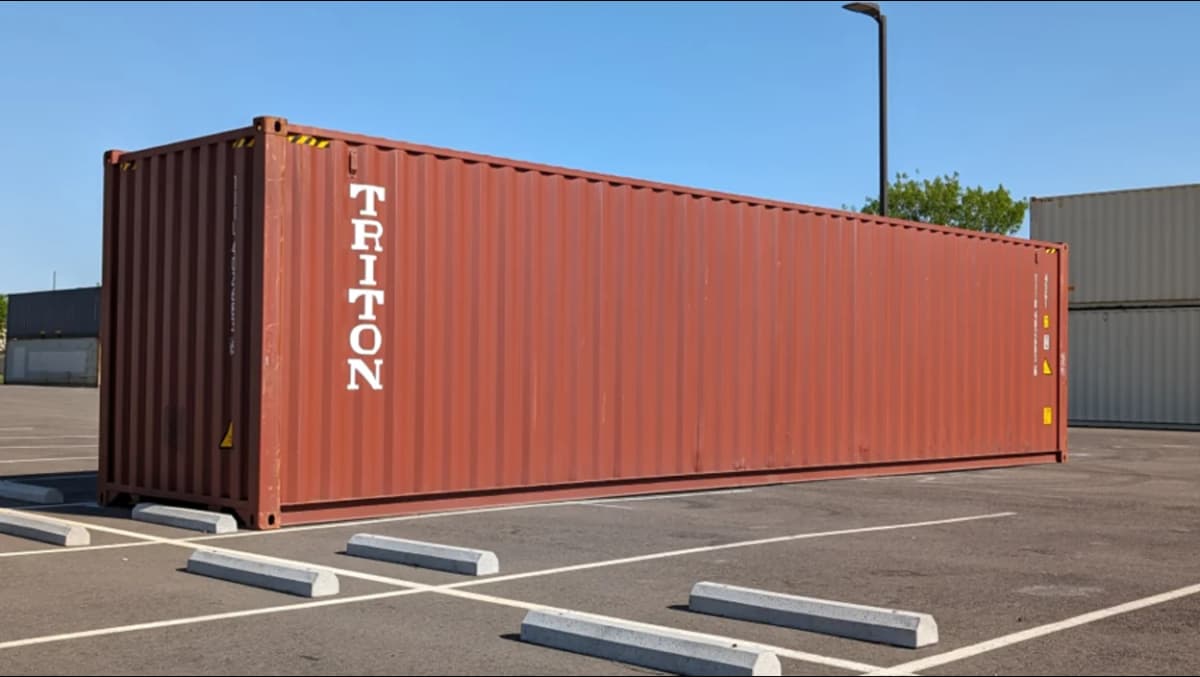
A container foundation should support the container’s weight, help with drainage, keep the unit level, and meet local site requirements.
- Total Weight: The combined weight of the container and its contents affects the foundation choice. A loaded container, modified container, or container used for heavy equipment may require stronger support than an empty storage container.
- Soil Type: Clay, sand, gravel, and soft soil behave differently under weight. Some sites may need compaction, stone, piers, or professional soil review before placement.
- Load-Bearing Capacity: The ground must be able to support the container without excessive settling. Poor soil conditions may require deeper supports, piers, piles, or a reinforced base.
- Drainage: Standing water can contribute to rust, moisture buildup, and site instability. Gravel pads, elevation, and proper grading can help move water away from the container.
- Local Climate: Rain, snow, freeze-thaw cycles, flooding, and temperature changes can affect foundation performance. Frost-prone or wet areas may require stronger or deeper foundation planning.
- Purpose of the Container: A container used for simple storage may not need the same base as a modified office, workshop, retail unit, or container that will see frequent foot traffic and loading.
- Local Building Codes: Local rules may address permits, setbacks, foundations, stormwater, anchoring, fire access, sanitation, or permanent structure requirements. Always confirm local requirements before installation.
- Budget: Gravel and temporary blocking are often more affordable than concrete slabs, steel supports, or engineered piers. However, lower upfront cost may not be the best choice for long-term use.
- Labor and Equipment: Some foundations can be installed with basic site work, while concrete slabs, helical piers, and engineered foundations may require specialized labor and equipment.
- Durability Requirements: Long-term or permanent installations usually benefit from stronger foundation materials, while temporary uses may allow simpler options.
- Maintenance Needs: Wood supports may require more maintenance because of rot, pests, compression, and movement. Concrete, stone, and steel options are typically more durable when properly installed.
Best Base Material by Container Use
| Container Use | Base Material to Consider | Why It Works |
|---|---|---|
| Temporary storage | Gravel pad, paving stones, wood blocking | Lower-cost options for short-term use when the ground is firm and level. |
| Long-term storage | Gravel pad, concrete piers, precast footings | Improves drainage and stability while keeping the container off wet ground. |
| Frequent loading and unloading | Concrete slab, asphalt pad, compacted gravel | Provides a more usable surface for people, forklifts, carts, or equipment access. |
| Modified office or workspace | Concrete slab, concrete piers, engineered foundation | Better for long-term stability, utilities, code review, and frequent use. |
| Uneven or weak soil | Helical piers, engineered piers, reinforced base | May provide deeper support when surface soils are not reliable. |
Gravel Pad vs. Concrete Slab: Which Is Better?
For many standard storage containers, a compacted gravel pad is one of the most practical base options. Gravel helps with drainage, can be installed faster than a slab, and is often more affordable. It is especially useful for storage yards, farms, construction sites, and business properties where the container needs to stay level and dry without a permanent foundation.
A concrete slab may be better when the container will be used long-term, accessed frequently, modified into a workspace, connected to utilities, or placed in a high-traffic area. Concrete creates a flat, durable surface but usually requires more planning, labor, and cost. Depending on the location and intended use, it may also require permits or inspection.
The best choice depends on the site and how the container will be used. If the container is temporary, a gravel pad may be enough. If the container is permanent, modified, or heavily loaded, a concrete slab or engineered foundation may be worth considering.
When to Use Blocks or Piers Under a Shipping Container
Blocks, piers, and footings are often used to raise a container off the ground and support it at key points. This can improve airflow, drainage, and door operation when the supports are level and stable.
Blocking is most useful when the container needs to sit above grade, when the site has moisture concerns, or when the customer wants additional clearance beneath the unit. However, the supports must be properly placed and sized. To learn more, read our guide to setting shipping containers on blocks.
Choose Conexwest for Your Shipping Container Needs
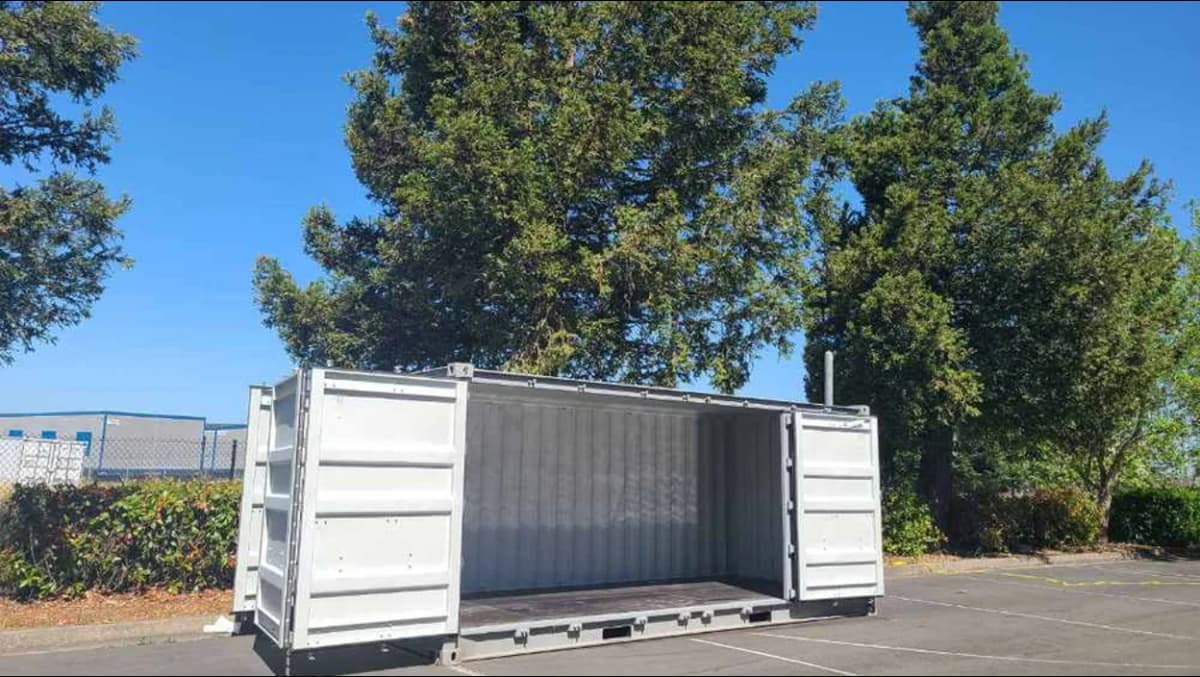
Conexwest provides many types of containers, including standard storage containers, high cube containers, refrigerated containers, insulated containers, side-opening containers, and mobile office containers.
If you’re looking for a one-stop solution for shipping containers, Conexwest can help with container selection, delivery, and modification options.
- Extensive Inventory: Our inventory of shipping containers includes new, used, and refurbished options in multiple sizes. Standard, refrigerated, insulated, high cube, side-opening, and specialty options are available depending on location and inventory.
- Delivery Support: Conexwest can help coordinate shipping container delivery based on container size, site access, ground conditions, and placement requirements.
- Foundation Preparation Guidance: Our team can help customers think through site preparation basics, including level ground, access clearance, container orientation, and practical placement considerations.
- Modification Options: Conexwest provides container fabrication services for customers who need doors, windows, insulation, electrical, shelving, offices, or other custom features.
- Expert Support: From choosing the right container to planning delivery, Conexwest can help make the buying process easier and more practical.
```
Was this helpful?
Frequently Asked Questions
The best base depends on the site and intended use. Gravel pads are practical for many storage containers because they improve drainage and are relatively affordable. Concrete slabs or piers are better for long-term, heavy, modified, or high-traffic container use.
Containers may be secured using twist locks, ground plates, welded plates, anchor systems, or engineered tie-downs depending on the foundation and use. Anchoring requirements may vary by wind zone, local code, foundation type, and whether the container is permanent or temporary.
Moisture can contribute to rust, corrosion, mold, and floor deterioration over time. A proper foundation can raise the container above ground level, improve airflow, and help water drain away from the base.
- Site assessment: Review soil conditions, drainage, access, slope, overhead obstructions, and intended container use.
- Ground leveling: Grade or compact the placement area so the container can sit level.
- Drainage planning: Use gravel, grading, or other drainage methods to keep water from collecting under the container.
- Utility planning: If the container will have electrical, plumbing, HVAC, or refrigeration, plan utility access before placement.
- Permit review: Check local rules if the container will be permanent, modified, occupied, connected to utilities, or used commercially.
Yes. Conexwest provides container fabrication services for shipping containers. Custom options may include doors, windows, insulation, electrical wiring, shelving, offices, HVAC, plumbing, and other modifications depending on the project.