
Shipping Containers for Sale That Fit the Job
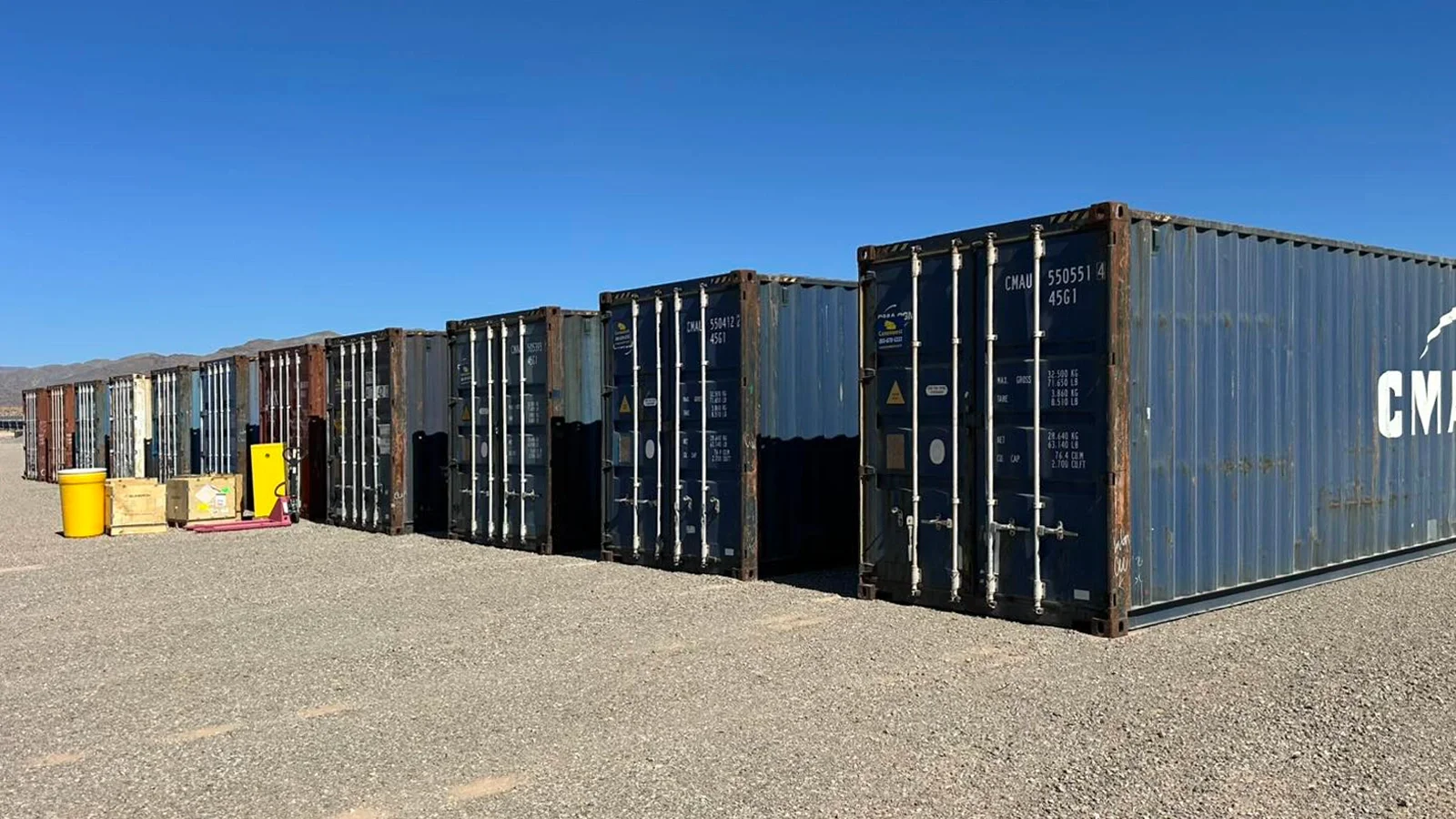
A container that looks like a bargain on paper can become an expensive site problem if it cannot clear the delivery route, fit the equipment you need to store, or support the modifications your operation requires. When evaluating shipping containers for sale, the better question is not simply, “What is the lowest price?” It is, “What container configuration will perform reliably at my site?”
For contractors, facilities teams, procurement managers, and business owners, a container is often working infrastructure. It may secure valuable inventory, create a field office, hold temperature-sensitive product, or become a customer-facing retail space. Choosing the right unit starts with a clear operational requirement, then moves through condition, dimensions, customization, and delivery planning.
Start With the Job the Container Must Do
A standard steel container can solve many space problems, but the right starting point depends on what happens inside it. A jobsite tool container needs security, access, and possibly shelving. A portable office needs personnel doors, windows, insulation, lighting, HVAC, and electrical distribution. A food or agricultural operation may need a refrigerated reefer unit with dependable temperature control.
Define the contents, access pattern, location, and duration of use before selecting a size or condition. Consider whether employees will enter the unit daily, whether forklifts need to load palletized materials, and whether stored items are sensitive to heat, moisture, or theft. These decisions affect the door configuration, floor plan, ventilation, and power requirements.
The intended service life matters as well. A short-term project may justify a functional used container, while a permanent commercial installation often benefits from a newer unit and purpose-built fabrication. Neither choice is universally better. The right choice is the one that supports the use case without paying for specifications the project does not need.
Choose the Right Shipping Container Size
The most common shipping container lengths are 20 feet and 40 feet. A 20-foot container is compact, easier to place on constrained sites, and well suited to tools, parts, equipment, and small office layouts. A 40-foot container provides substantially more storage capacity and can support larger work areas, inventory programs, or multi-zone modifications.
Standard-height containers are typically about 8 feet 6 inches tall externally. High-cube containers add roughly one foot of exterior height, providing more headroom for tall inventory, interior build-outs, racking, or mechanical systems. That added volume can be valuable, but it also changes transportation and placement considerations.
Do not select by exterior length alone. Measure what needs to move through the doors and how it will be organized once inside. A standard cargo-door opening may work for boxed inventory but not for a wide machine, a large pallet jack turning radius, or frequent side access. In those cases, a roll-up door, additional personnel door, or open-side configuration can improve daily productivity.
Site space is equally important. The container footprint is only part of the equation. Delivery equipment needs room to enter, maneuver, and safely set the unit down. A tight urban lot, a sloped rural property, or an active construction site may require a different delivery method than an open industrial yard.
Match Container Condition to Your Budget and Use
Container condition is a practical purchasing decision, not a cosmetic one. New or one-trip containers have made one cargo journey after manufacture. They generally offer a cleaner appearance, fewer dents, and strong suitability for projects where presentation, long service life, or extensive modification is a priority.
Used cargo-worthy containers have typically been in active shipping service and remain structurally sound for transportation and storage. They can show surface rust, repairs, dents, or paint wear, but they are often a cost-effective choice for secure storage where appearance is secondary to function.
Refurbished containers provide a middle path. Depending on the scope of work, refurbishment may include repairs, weatherproofing, fresh paint, flooring attention, upgraded doors, or selected modifications. This approach can make sense when the project needs a more finished asset without the cost of a new unit.
Ask for a clear explanation of the unit condition and the work included in the quoted price. “Wind and watertight” generally means the container is intended to keep out normal weather, while “cargo-worthy” relates to its eligibility for international shipping. Those labels are useful, but they do not replace a specification discussion about your actual application.
Specify Modifications Before Fabrication Begins
Containers are standardized at the start, but their value often comes from making them fit a particular operation. Modifications should follow the workflow, not be treated as add-ons selected after the fact.
For secure storage, common requirements include lockboxes, shelving, forklift ramps, ventilation, and additional access doors. A lockbox protects the padlock from cutting tools and weather, while shelving keeps high-value parts visible and accessible rather than stacked on the floor. Ventilation can reduce condensation and heat buildup, especially where equipment, chemicals, or seasonal inventory are stored.
Office containers require more planning because people occupy the space. Insulation, wall finishes, windows, personnel doors, HVAC, electrical systems, and interior layouts should be designed together. Installing equipment without a coordinated plan can create avoidable conflicts around wiring, clearances, and thermal performance.
Commercial and institutional projects may call for exterior paint, branded finishes, ADA-related considerations, plumbing, partitions, counters, or multiple connected containers. These builds benefit from a fabrication partner that can translate operational needs into a coordinated scope, rather than leaving the buyer to source a container, a fabricator, and delivery separately.
Conexwest supports this process with configurable container options and project guidance, helping buyers move from a base unit to a job-ready asset with fewer handoffs.
Plan Delivery Before You Place the Order
Delivery planning should happen before the purchase is finalized. Confirm the delivery address, site contact, preferred placement location, surface condition, access width, overhead clearance, and available turning area. Trees, utility lines, parked vehicles, gates, soft ground, and sharp grades can all affect whether a truck can safely complete the delivery.
The container should sit on stable, level support points that keep the frame from twisting and allow water to drain away. The exact foundation approach depends on soil, container length, local conditions, occupancy, and whether the unit will be permanent. Gravel pads, concrete piers, blocks, and full slabs are all used in different applications, but the solution should match the load and site requirements.
For a modified office, reefer, or custom commercial unit, coordinate electrical service and any utility connections before arrival. A container can be delivered on schedule and still remain unusable if power, permits, or site preparation lag behind. This is especially relevant for refrigerated containers, where available voltage, phase, and amperage must align with the equipment.
Compare Quotes on Scope, Not Just Container Price
A low unit price does not always represent the lowest project cost. Compare quotes based on the complete scope: container condition, modifications, paint, accessories, delivery, placement assumptions, lead time, and any required drawings or approvals. If one quote includes a basic used container and another includes fabricated access, electrical work, and coordinated delivery, they are not equivalent purchases.
It also helps to separate must-haves from future upgrades. Security, weather protection, and safe access may be essential at delivery. Decorative finishes or interior additions may be phased later if the container design allows for them. That approach protects the operating budget without compromising the core function of the unit.
For larger programs, standardizing a container specification across multiple sites can simplify procurement, reduce design time, and create a more consistent field operation. A repeatable office or storage configuration is easier to deploy than a different custom solution for every location.
Make the Purchase Decision Easier
The best container purchase begins with a site-ready brief: what you need to store or operate, the footprint available, the access required, the desired condition, the modifications needed, and the delivery constraints. With those details established, container selection becomes a controlled project decision instead of a guess based on photos and price alone.
A well-specified container can arrive ready to protect inventory, support crews, or expand capacity where the operation needs it most. Give the selection process the same discipline you would apply to any other piece of working equipment, and the container will earn its place on site for years.