
Timelines vary widely based on design, permits, engineering, site preparation, foundation work, container modifications, utilities, inspections, and contractor availability. Large residential container homes can take several months or longer depending on complexity.
6-Bedroom Shipping Container Home Plans: Price & Ideas
6-Bedroom Shipping Container Home Plans with Design Ideas
A 6-bedroom shipping container home is a large custom project that requires more than stacking containers together. It needs thoughtful floor planning, structural engineering, foundations, insulation, utilities, plumbing, HVAC, permits, and careful coordination between container delivery, fabrication, and site construction.
For large families, multi-generational households, guest retreats, or shared living arrangements, containers can provide a modular starting point for a spacious home. The key is choosing the right container sizes, arranging them efficiently, and working with qualified professionals to make sure the finished structure meets local building requirements.
This guide explains 6-bedroom container home layout ideas, cost factors, structural basics, space planning, customization tips, and how Conexwest can support multi-container projects with container selection, fabrication options, and delivery planning.
Key Takeaways
- A 6-bedroom container home may be cost-effective in some cases, but total savings depend on land, permits, engineering, foundations, labor, utilities, insulation, finishes, and design complexity.
- Large multi-container homes require structural planning when containers are connected, stacked, cut open, or modified.
- Good insulation, smart window placement, ventilation, sound control, and practical layouts help make container homes more comfortable and efficient.
- Residential container homes must meet local zoning, permitting, structural, energy, utility, and inspection requirements.
- At Conexwest, customers can explore multi-container project support, quality containers, delivery planning, and container fabrication options.
How Much Can a 6-Bedroom Container Home Cost?
Container homes are often promoted as cheaper than traditional construction, but the real answer depends on the project. A simple container structure may cost less than a conventional build, while a large custom 6-bedroom home can become expensive once engineering, structural reinforcement, foundations, utilities, insulation, roofing, windows, HVAC, plumbing, finishes, and permits are included.
Large container homes may benefit from scale because multiple containers can be purchased, delivered, and modified as part of one coordinated project. However, they also involve more connections, more structural openings, more bathrooms, more utilities, and more finish work. That means the design needs to be realistic from the start.
For broader cost planning, read Conexwest’s guide comparing shipping container homes vs. traditional homes.
Conexwest offers new, used, and refurbished shipping containers in sizes from 10ft to 45ft, including standard containers, high cube containers, insulated containers, refrigerated containers, mobile office containers, and custom modified containers. Customers can explore container sales, fabrication, delivery, and project support for residential concepts, storage, offices, and custom builds. |
Cost details are general planning considerations only. Actual pricing depends on container condition, location, design, labor, materials, engineering, delivery, local rules, and site conditions.
5 Best 6-Bedroom Container Layout Ideas
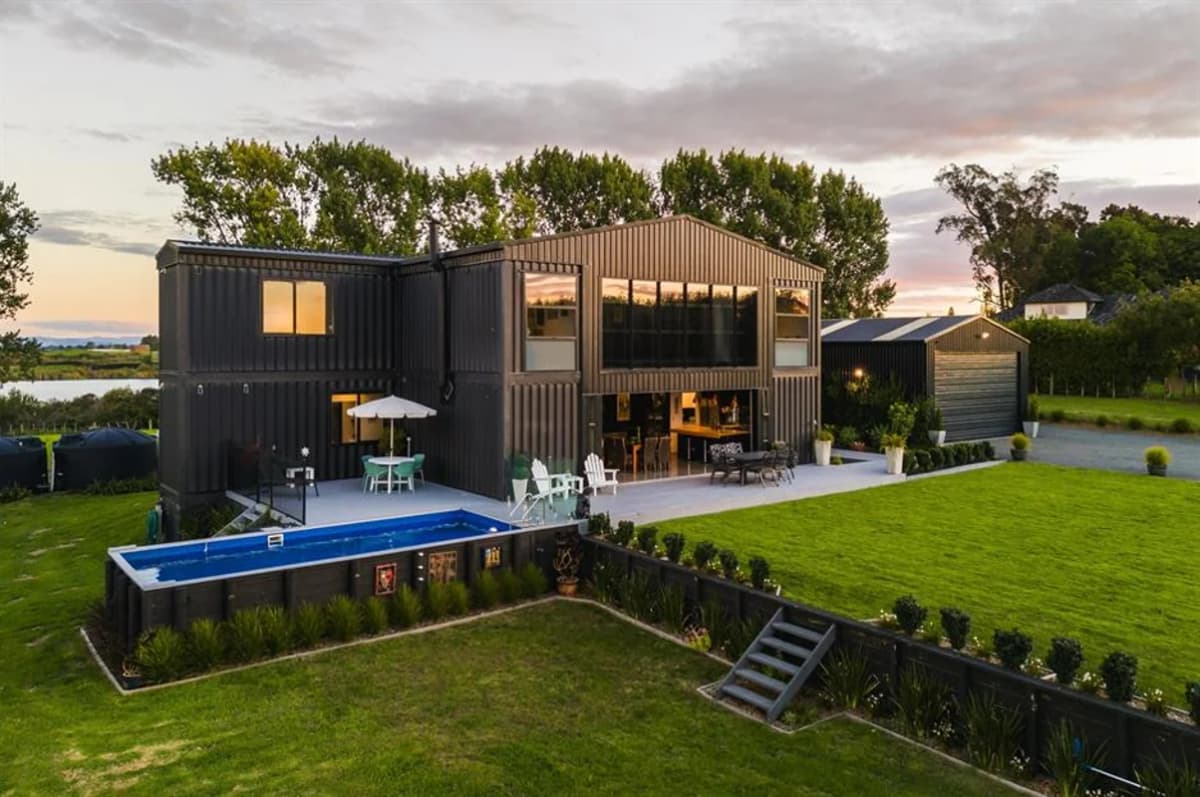
Large container homes work best when the layout separates bedrooms, shared spaces, utilities, and outdoor areas without creating long, wasted corridors.
1. The U-Shaped Family Compound
A U-shaped layout creates a natural courtyard and strong separation between private and shared zones. Bedrooms can be placed along the outer wings while the kitchen, dining, and living areas sit at the base of the U. This gives the family a protected outdoor gathering space in the center.
This layout works well for families who want indoor-outdoor living, visibility across the courtyard, and separate bedroom wings for children, guests, or extended family.
2. Stacked Two-Story Design
A two-story container home can help maximize space on smaller lots. Common areas such as the kitchen, dining room, and living room can be placed on the ground level, while bedrooms and bathrooms are placed upstairs.
Stacked designs can create covered patios, balcony spaces, and more compact site footprints. However, they require detailed engineering, foundation planning, stair design, and structural review. Read more about how high shipping containers can be stacked.
3. The H-Layout with Central Common Space
An H-shaped layout places bedroom wings on opposite sides with a central connector for shared living space. This can work well for multi-generational families, shared homes, or layouts where guest bedrooms need privacy from the main family sleeping areas.
The center section can include the living room, kitchen, dining area, laundry, storage, and mechanical systems. Large windows, glass doors, or clerestory windows can bring more light into the common space.
4. Linear Ranch-Style Setup
A linear ranch-style layout places containers end-to-end or side-by-side across a wide lot. Bedrooms can sit at opposite ends of the home while living areas occupy the center. This approach can reduce vertical construction complexity and keep the home on one level.
This layout can work especially well on rural properties or wider lots where the home can spread out. Each room can have exterior windows, which helps with natural light and cross-ventilation.
5. Courtyard-Centered Design
A courtyard-centered design surrounds an outdoor space with container wings. This can create privacy, improve natural light, and give several bedrooms or common areas direct access to an outdoor room.
The courtyard can become a garden, play area, outdoor dining space, or private family lounge. In warm climates, this design can make the home feel much larger than the interior square footage alone.
Structural Basics for Multi-Container Homes
Building with multiple containers requires careful structural planning. Shipping containers are strong, but their strength is concentrated in the corner posts and frame. When walls are cut open, containers are stacked, or multiple units are connected, the structure needs reinforcement designed by qualified professionals.
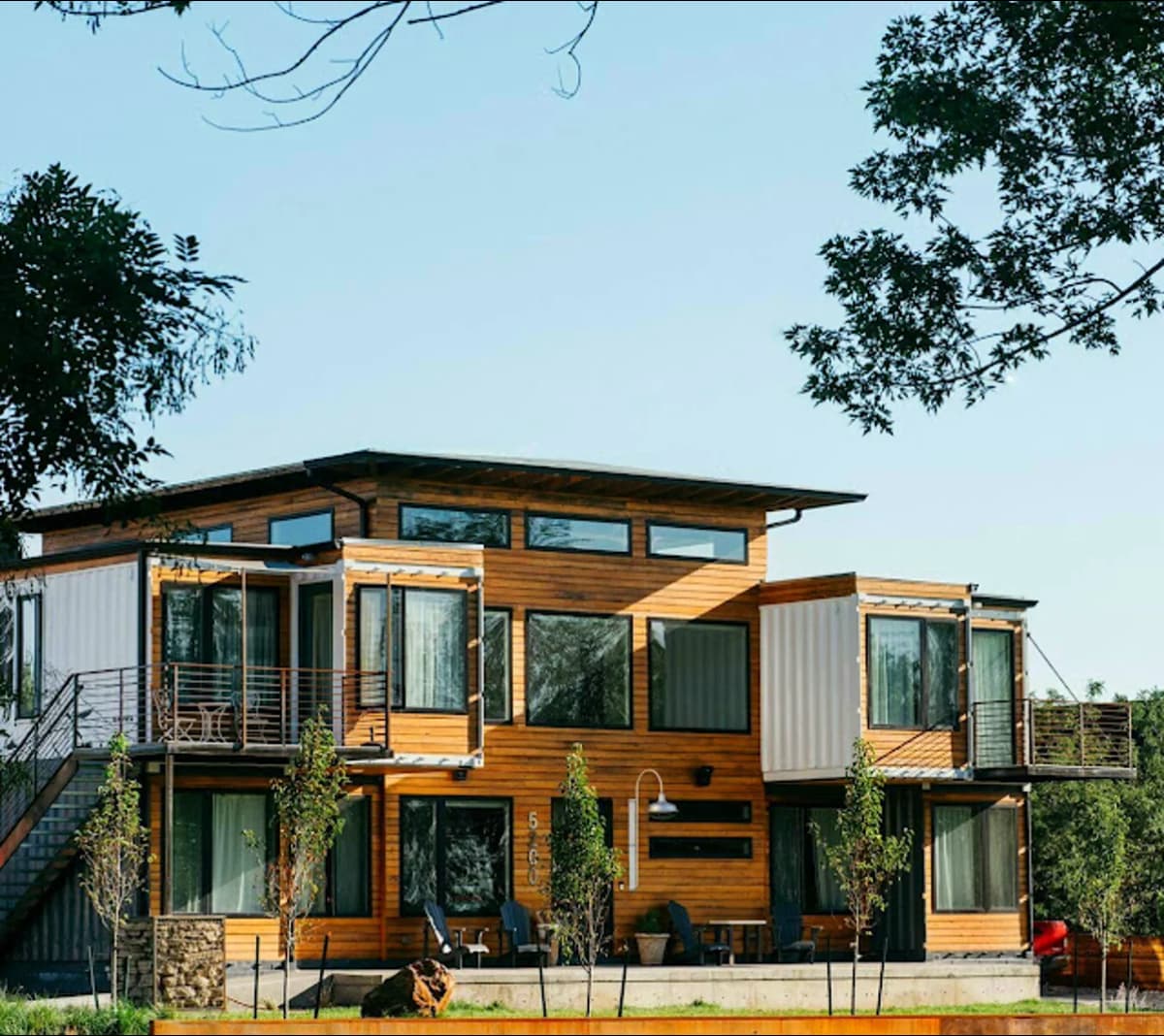
Multi-container builds require structural planning to balance open interiors with safe load paths, reinforcement, and foundation support.
Container Types & Sizes
For 6-bedroom designs, high cube containers are often preferred because they are typically 9 ft 6 in tall. The extra height helps preserve interior headroom after insulation, ceiling finishes, lighting, ductwork, and flooring are installed.
20ft containers can work for bedrooms, bathrooms, utility rooms, offices, or storage. 40ft containers are often more practical for larger bedrooms, living rooms, kitchens, and shared spaces because they provide more uninterrupted floor area.
Container condition also matters. Used containers can be cost-effective, but they should be inspected for rust, dents, floor condition, prior repairs, odors, and structural damage. For residential projects, consistency across multiple containers can make fabrication and alignment easier.
Foundation Requirements
The right foundation depends on soil, drainage, climate, slope, seismic conditions, frost depth, local code, and the container layout. Common options include concrete piers, grade beams, strip footings, and slabs.
Container foundations must support the corner posts and any modified load paths. For large 6-bedroom homes, work with a structural engineer before finalizing the foundation design.
Connecting Containers Safely
How containers connect affects both structure and livability. Side-by-side connections can create wider rooms but may require reinforced wall openings. End-to-end connections preserve more of the container’s original structure but create longer, narrower spaces. Stacked connections rely heavily on proper corner-post alignment, anchoring, and foundation support.
Most large homes use a combination of connection methods. The goal is to create good flow without removing too much structural steel.
Smart Space Planning for 6 Bedrooms
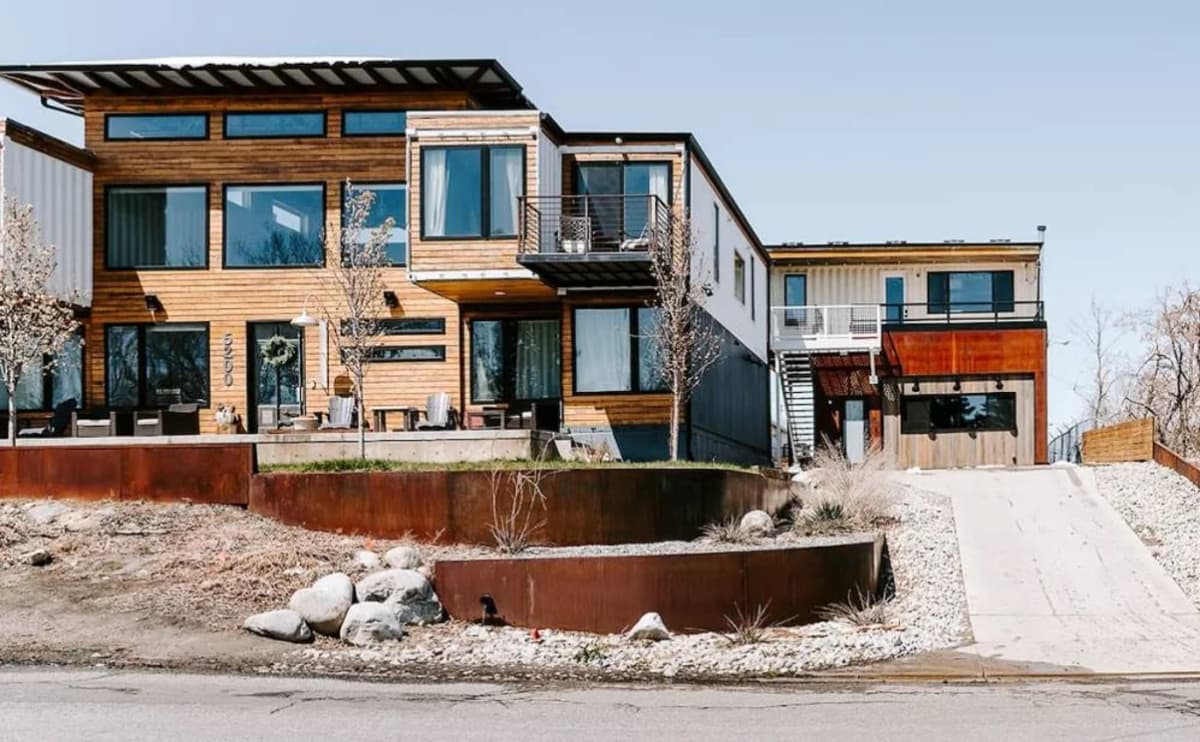
A 6-bedroom home needs clear circulation, good sound separation, enough bathrooms, practical storage, and shared spaces that can handle daily family life.
Master Suite Location & Design
The primary suite is often placed away from children’s rooms, guest rooms, and busy common areas. This improves privacy and reduces noise. Some designs use one full container or part of a second container to create room for a bedroom, bathroom, closet, and private outdoor access.
A flexible primary suite can also be designed to function as a future in-law suite, guest suite, or separate retreat if household needs change.
Creating Bedroom Privacy
Sound control matters in large container homes. Steel can transfer vibration and noise, so interior wall assemblies, insulation, door placement, and room separation should be planned carefully.
Bathrooms, closets, storage walls, and utility rooms can act as buffers between bedrooms. Mineral wool or other acoustic insulation can also help reduce sound transfer. Read more about shipping container insulation options.
Shared Spaces for Large Families
A 6-bedroom home should not rely on one shared room for everything. Many successful plans include a main living room plus a smaller den, reading nook, media area, or children’s play space. This allows different activities to happen at the same time.
The kitchen should be planned for multiple users, with enough counter space, storage, pantry capacity, and circulation. Islands, peninsulas, and built-in seating can make the space more functional without wasting square footage.
Storage Solutions for Limited Space
Storage becomes critical in a 6-bedroom home. Built-in storage along corridors, under stairs, below beds, around windows, and in transition areas can make a large container home work better day to day.
It may also be worth dedicating part of a container to laundry, mechanical equipment, seasonal storage, cleaning supplies, and household management. This keeps daily clutter out of living areas.
Customizing Your Container Home
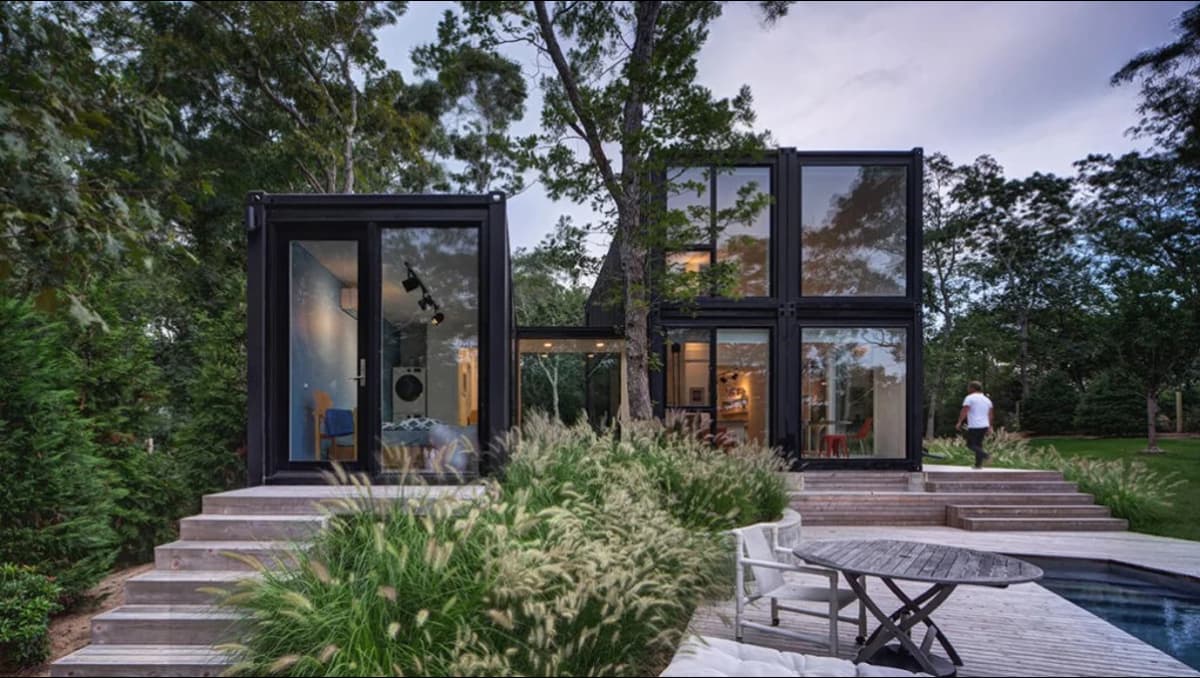
Large container homes are easier to customize when structural changes, windows, utilities, and climate needs are planned before fabrication begins.
Windows & Natural Light
Window placement can dramatically change how a container home feels. Bedrooms benefit from operable windows for daylight and ventilation, while common areas often need larger openings, sliding doors, or window walls to prevent the home from feeling narrow.
Large openings along container walls require structural reinforcement. Clerestory windows, skylights, and carefully placed side windows can bring in light while preserving privacy and strength.
Kitchen & Bathroom Placement
Kitchens, bathrooms, laundry rooms, and mechanical spaces are among the most expensive parts of a container home. Grouping wet areas together can reduce plumbing runs, simplify utility routing, and improve maintenance access.
In two-story designs, aligning bathrooms vertically can simplify plumbing stacks. In single-story layouts, keep utility runs short and accessible wherever possible.
Climate Zone Modifications
Climate should shape the design. Hot climates may need shade structures, reflective coatings, exterior insulation, and fewer west-facing windows. Cold climates may need stronger insulation, airlock entries, and careful moisture control. Rainy regions need durable roofing, drainage, and covered entries.
Flood-prone, wildfire-prone, hurricane-prone, or seismic areas may require additional engineering and local code review before construction.
Building Your 6-Bedroom Container Home with Conexwest
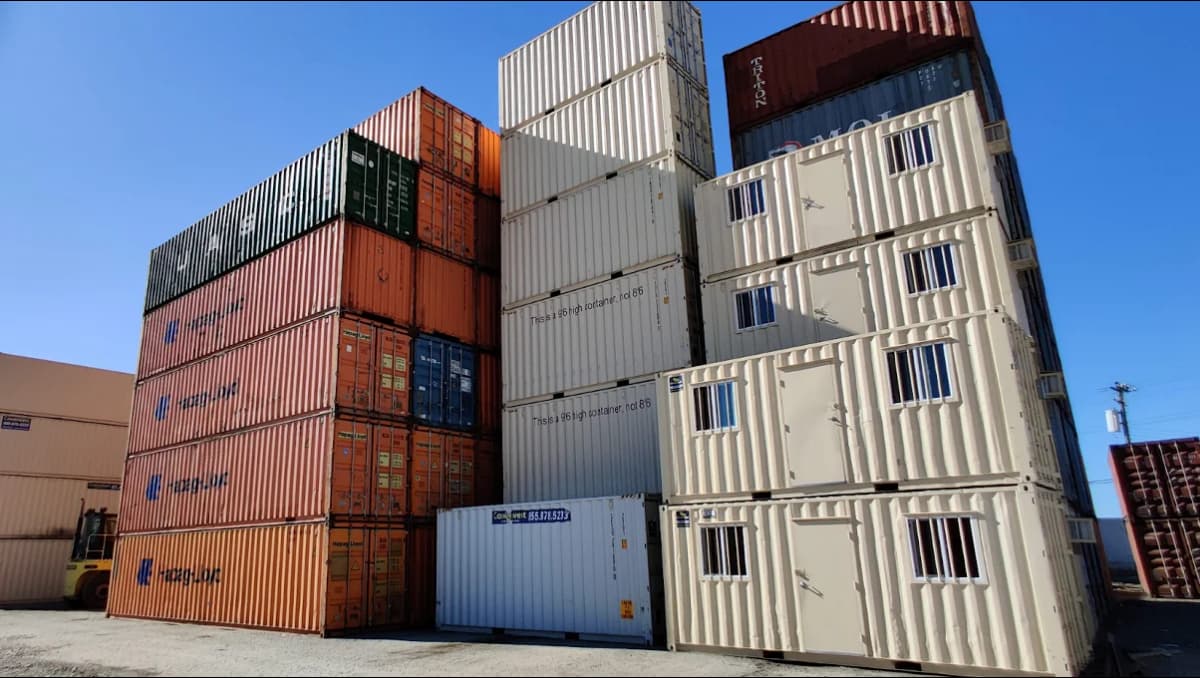
Large container home projects require consistent container selection, coordinated delivery, and thoughtful modification planning. Conexwest can help customers compare container sizes, conditions, and fabrication options for large residential concepts and custom builds.
- Multi-container project planning: Large homes often need multiple containers delivered in stages. Conexwest can help customers think through container selection, delivery sequence, and fabrication needs before construction begins.
- Wide container inventory: Customers can shop 20ft, 40ft, high cube, insulated, refrigerated, office, and specialty containers depending on the project requirements.
- Fabrication options: Conexwest offers container fabrication services such as door and window openings, insulation, electrical, HVAC, vents, shelving, partitions, custom paint, and other modifications.
- Delivery coordination: Conexwest offers shipping container delivery support based on site access, route, container size, placement area, and project timeline.
Explore Conexwest shipping containers for your next residential or custom project.
Was this helpful?
Frequently Asked Questions
A properly engineered container home can be designed for local weather conditions, but performance depends on the final design, foundation, anchoring, structural reinforcement, openings, roofing, insulation, and local code requirements.
Lifespan depends on container condition, coatings, corrosion protection, climate, drainage, maintenance, insulation, ventilation, roofing, and construction quality. Like any home, long-term performance depends on proper design and upkeep.
Resale depends on location, code compliance, design quality, financing availability, appraisal support, buyer demand, and whether the home was built with proper permits and inspections. Well-designed, permitted homes are generally easier to sell than unpermitted or highly experimental builds.