
The number depends on the target square footage, layout, number of bathrooms, open living areas, utility space, and how much conventional construction is used. Large 5-bedroom concepts may use several 40ft high cube containers, but the final count should be determined by an architect, engineer, or qualified designer.
5-Bedroom Shipping Container Home Plans | Cost & Design Ideas
5-Bedroom Shipping Container Home Plans: Cost & Design Ideas
A 5-bedroom shipping container home is a large custom project that requires more than arranging containers on a lot. It involves site planning, engineering, permits, insulation, utilities, structural reinforcement, foundation design, and careful container selection. For large families, multi-generational households, or owners planning a spacious custom build, containers can provide a modular starting point for a unique residential layout.
The right plan depends on your lot size, local building codes, budget, climate, and whether you want a single-story, two-story, courtyard, or wing-style layout. High cube containers are often preferred for residential projects because the extra height helps preserve interior ceiling space after insulation, framing, HVAC, lighting, and finish materials are installed.
Conexwest supplies new, used, and refurbished containers for residential and custom projects, including 40ft high cube containers commonly used in larger builds. Conexwest does not replace the need for licensed architects, engineers, contractors, or local building approvals, but quality containers and reliable delivery are an important starting point for a successful project.
Key Takeaways
- A 5-bedroom container home may require multiple 40ft containers depending on the floor plan, target square footage, structural design, and how much open interior space is created.
- Popular layout ideas include H-shaped, U-shaped, two-story, linear, and cross-style designs for privacy, shared living space, and outdoor access.
- High cube containers are often preferred for residential use because they are typically 9 ft 6 in tall, giving more room for insulation, ceiling finishes, lighting, and mechanical systems.
- Large container homes require professional planning for foundations, structural openings, insulation, ventilation, plumbing, electrical, HVAC, and local code compliance.
- Conexwest supplies containers for residential and custom projects, including 40ft high cube containers, fabrication options, and nationwide delivery.
Large Family Living in Shipping Container Homes
Shipping container homes can be designed for large-family living, but the planning process is closer to a custom home build than a simple DIY project. A 5-bedroom layout needs enough room for bedrooms, bathrooms, kitchen, dining, living space, laundry, storage, mechanical systems, circulation, and outdoor access.
A 40ft container provides about 320 square feet before modifications, but usable finished space changes once walls are opened, reinforcement is added, and interior systems are installed. For a large home, designers often combine several containers and use open-span areas, courtyards, connectors, or conventional framing to create a more comfortable residential layout.
Container homes can be efficient and visually distinctive, but costs vary widely based on location, labor, foundation, utility connections, engineering, finishes, insulation, and permitting. The best approach is to start with a realistic floor plan, then work with qualified professionals to confirm what is feasible for your site.
| Conexwest offers new, used, and refurbished shipping containers in multiple sizes, including 10ft, 20ft, 40ft, and 45ft options. Customers can explore standard storage containers, high cube containers, refrigerated containers, insulated containers, mobile office containers, and custom fabrication options for residential, commercial, agricultural, government, and jobsite projects. |
Container Sizes and Planning for 5-Bedroom Homes
40ft High Cube Containers: Common Building Blocks for Large Layouts
Many large residential container concepts use 40ft high cube containers because they provide more interior height than standard containers. A standard 40ft container is typically 8 ft 6 in tall, while a high cube container is typically 9 ft 6 in tall.
At 40 ft long, 8 ft wide, and 9 ft 6 in tall, each 40ft high cube shipping container provides approximately 320 square feet before modifications. That extra height can be useful in residential projects because insulation, flooring, ceiling finishes, lighting, ductwork, and other systems reduce finished ceiling height.
Large layouts may use high cube containers for bedrooms, kitchen areas, family rooms, storage zones, or flexible living spaces. The final number of containers depends on the design, code requirements, structural openings, and how much space is built using containers versus conventional construction.
Strategic Use of 20ft Containers
While 40ft containers often provide the main structure, 20ft shipping containers can add flexibility for guest bedrooms, offices, utility rooms, storage, walk-in closets, or accessory spaces. A 20ft container provides about 160 square feet before modifications, making it useful for smaller zones where a full 40ft unit is not needed.
Mixing 20ft and 40ft containers can create more interesting layouts, but it also requires careful structural and connection planning. Container placement, rooflines, foundations, moisture control, and wall openings should be reviewed by qualified design and construction professionals.
Pricing, availability, delivery, and container condition can vary by location and inventory. For current options, explore Conexwest containers online or contact the team for project-specific support.
5 Floor Plan Ideas for 5-Bedroom Container Homes
The H-Shape Layout for Family Privacy
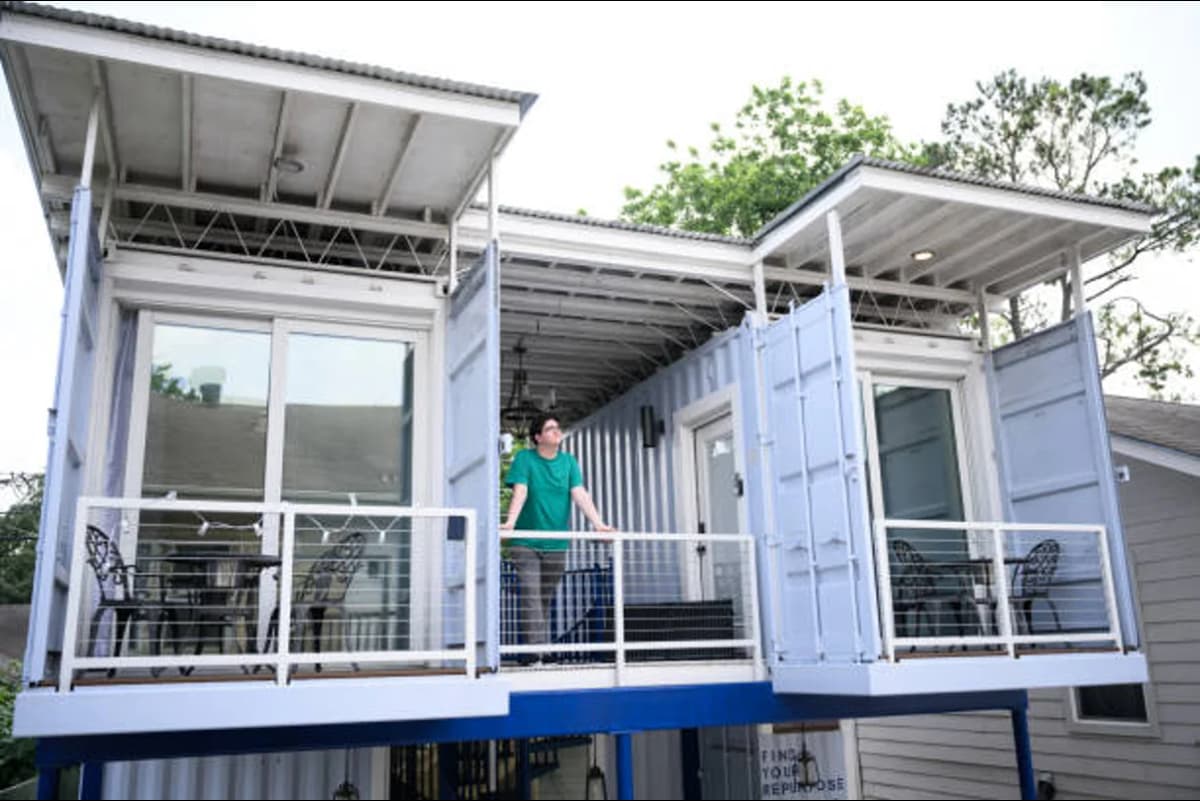
The H-shape layout can work well for multi-generational families or households that want shared living space with more private bedroom zones.
In this concept, two parallel wings are connected by a central living area. Each wing can hold bedrooms, bathrooms, offices, or guest areas, while the center can include the kitchen, dining room, and family room. This can help separate parent suites, children’s rooms, guest rooms, or in-law spaces.
The space between the wings can also become a protected courtyard, patio, or outdoor dining area. For large families, this layout can create a useful balance between privacy and shared gathering space.
Two-Story Design with Central Living
A two-story layout can maximize living space on smaller lots by stacking containers or combining containers with conventional structural elements. In this type of design, common areas may be placed on the ground floor while bedrooms are placed upstairs.
A central stairway can separate active living areas from quieter bedroom zones. Strategic window placement, proper ventilation, insulation, and HVAC planning are especially important in multi-story container homes.
Two-story builds require detailed engineering, structural reinforcement, stair design, fire safety review, foundation planning, and local code approval.
U-Shaped Configuration with Courtyard
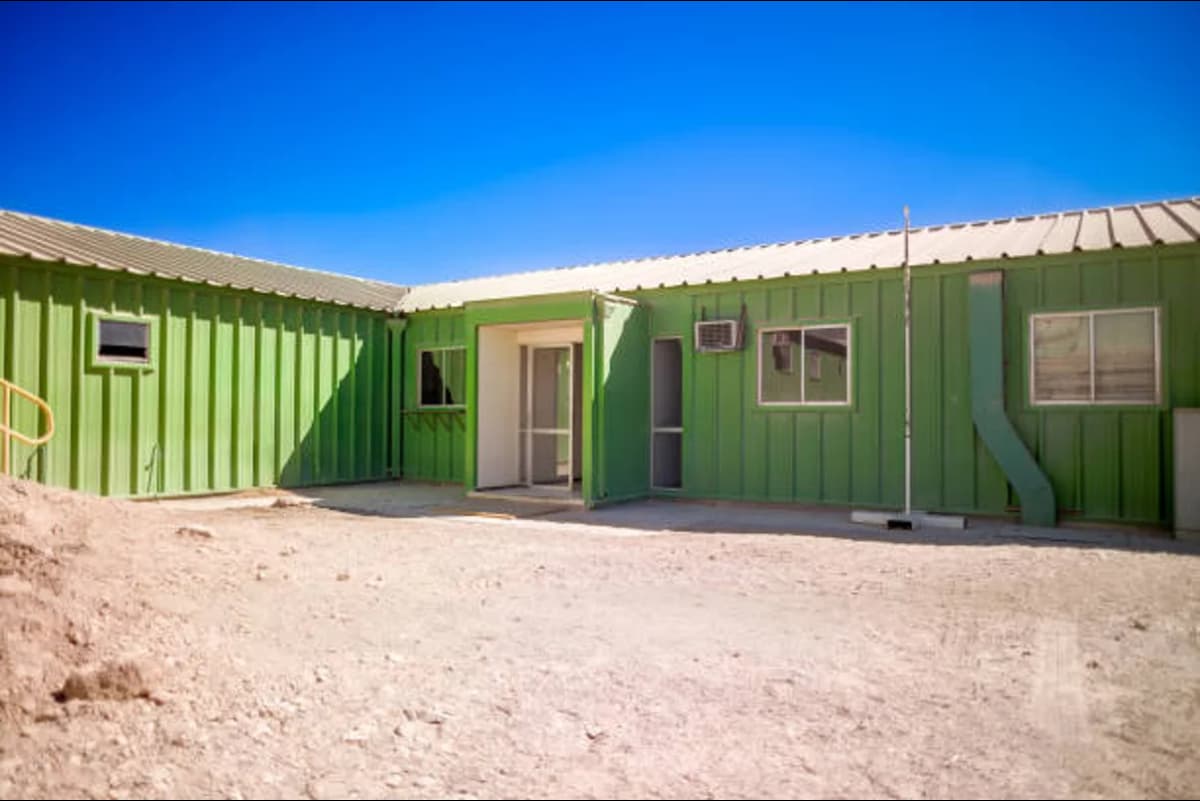
A U-shaped container home can create a central courtyard that brings light, outdoor living, and privacy into the center of the plan.
In this layout, each wing can serve a different function: bedrooms in one wing, living and dining areas in another, and utilities, guest rooms, or offices in the third. The courtyard can be used for outdoor dining, play space, landscaping, or a protected entry area.
In some climates, a U-shape may help shield outdoor areas from wind or create more comfortable exterior zones. However, climate, sun orientation, drainage, roof design, and local site conditions should all be considered during planning.
Linear Arrangement for Simple Construction
A linear container home places containers end-to-end, side-by-side, or in a straightforward row. This can be one of the simpler design approaches because it may reduce complex intersections, rooflines, and unusual connection details.
A linear layout may place the primary suite at one end, children’s bedrooms at the other, and open-plan living, dining, and kitchen space in the center. This arrangement can also make future expansion easier if the lot allows additional containers or conventional additions.
Even simple layouts still require proper shipping container modifications, structural reinforcement, insulation, utilities, and code review.
Cross Design with Four Wings
A cross-style container home uses a central hub with four wings extending in different directions. Each wing can serve a separate purpose, such as a primary suite, children’s bedrooms, guest rooms, and shared living areas.
This type of layout can create strong separation between household zones while keeping the family connected through the central space. The outside corners can become outdoor rooms, patios, gardens, or service areas.
Because this design creates multiple intersections, roof transitions, and structural connection points, it should be reviewed carefully during architectural and engineering planning.
Essential Materials and Container Selection
High Cube vs. Standard Containers
High cube containers are often preferred for residential projects because they provide one extra foot of height compared with standard containers. That extra space can help accommodate insulation, ceiling finishes, recessed lighting, ductwork, ceiling fans, and mechanical systems while preserving a more comfortable interior feel.
Standard containers may still work for storage rooms, utility areas, accessory spaces, or budget-conscious sections of a project, but finished ceiling height should be calculated before purchasing containers.
Insulation for Energy Efficiency
Proper insulation is one of the most important parts of a container home. Steel conducts heat and cold quickly, so insulation, air sealing, vapor control, and ventilation must be planned carefully.
Spray foam, rigid foam board, mineral wool, and hybrid systems may all be used depending on the climate, budget, wall assembly, and code requirements. Closed-cell spray foam is often used because it can help with insulation and moisture control, but the best option depends on the project.
Insulation targets should be based on local energy code, climate zone, wall design, roof assembly, and HVAC strategy. A qualified designer or contractor can help determine the right assembly for your location.
Exterior Finishes
Exterior finishes can change the look and performance of a container home. Some owners preserve the industrial container appearance with protective coatings, while others use cladding such as fiber cement siding, metal panels, wood accents, stucco systems, or rainscreen assemblies.
The exterior finish should protect the steel, manage water, support insulation strategy, and meet local code and design requirements. In wet or coastal climates, corrosion protection, drainage gaps, and maintenance access are especially important.
Planning Costs for a 5-Bedroom Container Home
The cost of a 5-bedroom container home can vary significantly. The containers themselves are only one part of the total budget. A realistic budget should also include design, engineering, permits, land work, foundation, crane or delivery coordination, structural reinforcement, insulation, windows, doors, roofing, utilities, HVAC, plumbing, electrical, interior finishes, exterior cladding, and contractor labor.
Larger container homes are not always cheaper than traditional construction once the full scope is included. Cutting large openings, connecting containers, meeting residential code, managing condensation, and finishing interiors can add meaningful cost. For a more realistic estimate, start with your desired square footage and layout, then work backward through the required containers, structural design, and finish level.
Build Your 5-Bedroom Container Home with Conexwest Containers
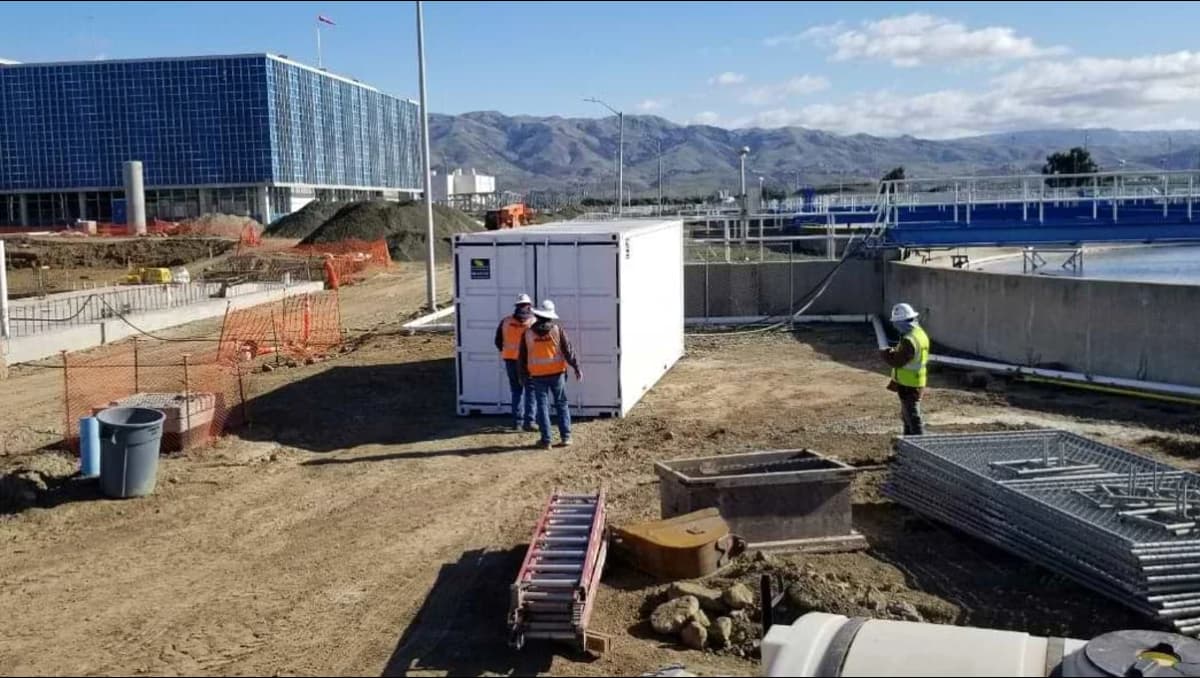
Conexwest supplies containers that can be used as the starting point for residential and custom projects. Large builds often begin with consistent container selection, accurate specifications, dependable delivery, and a clear plan for modification.
Whether your design uses an H-shape for privacy, a two-story layout for a smaller lot, a U-shape with a courtyard, or a simple linear plan, the project starts with choosing the right containers. Conexwest offers shipping containers for sale, including high cube options commonly used in large custom builds.
Quality Container Selection
Large residential projects require containers with the right condition, dimensions, and structural suitability. Conexwest can help customers compare container options and select units that make sense for modification, storage, office, or custom use.
Multi-Container Project Support
A 5-bedroom container home may require several containers delivered in sequence. Conexwest can help coordinate container delivery based on project timing, site access, delivery method, and container availability.
Fabrication and Modification Options
Conexwest provides container fabrication services for customers who need doors, windows, insulation, electrical systems, shelving, offices, HVAC, custom paint, and other modifications. Residential builds may also require additional work from licensed contractors, engineers, and code professionals.
Documentation and Planning Support
Container specifications, dimensions, condition information, and delivery details can support planning conversations with designers, engineers, contractors, and permit offices. Conexwest can provide container information to help customers move from concept to project planning.
Nationwide Delivery Network
Conexwest offers shipping container delivery for customers across the United States. Delivery planning should account for site access, ground conditions, crane or equipment needs, delivery sequence, and placement area.
Explore Conexwest container options for your next residential or custom project.
Was this helpful?
Frequently Asked Questions
High cube containers are often preferred for residential builds because they are typically 9 ft 6 in tall, which provides more room for insulation, ceilings, lighting, and mechanical systems than standard 8 ft 6 in containers.
Not always. Container homes can offer modular advantages, but total cost depends on land, foundation, engineering, structural reinforcement, insulation, utilities, permits, labor, finishes, and local code requirements. Large custom container homes can become comparable to traditional construction depending on design complexity.
A properly designed and maintained container home can last for many years, but lifespan depends on moisture management, corrosion protection, insulation, ventilation, roof design, coatings, climate, and maintenance. Proper construction and ongoing care are essential.
Container homes can reuse existing steel structures and may reduce some material waste, but overall sustainability depends on the full design, insulation, energy use, foundation, finishes, transportation, and construction process.
Conexwest can supply containers, coordinate container delivery, and provide modification options for custom projects. Customers should also work with licensed architects, engineers, contractors, and local permit offices for residential design and construction.