
Construction takes 8–12 weeks once containers arrive and permits are approved. The timeline breaks down to 1–2 weeks for foundation, 1 week for container placement, 3–4 weeks for mechanical systems, and 3–5 weeks for interior finishing. Permits vary wildly—some cities approve in weeks, others take months.
3-Bedroom Shipping Container Home Plans: Ideas & Cost
3-Bedroom Shipping Container Home Plans with Free Design Ideas
Key Takeaways
- Three-bedroom container homes need 3–4 containers and offer 960–1,600 square feet at 50–70% less cost than traditional homes.
- Popular floor plan ideas include H-shape, stacked, U-shape, linear, and offset designs for different family needs.
- Container homes are built in 8–12 weeks versus 6+ months for conventional construction.
- Conexwest supplies new and used containers that are perfect for home conversions with nationwide delivery.
Why 3-Bedroom Container Homes Make Sense for Families
Shipping containers have gone from cargo carriers to smart housing solutions. These steel structures transform into comfortable three-bedroom family homes that cost less, build faster, and last longer than traditional houses.
A typical 3-bedroom container home uses 3–4 shipping containers to create 960–1,600 square feet of living space. The standard container sizes—20ft x 8ft (160 sq ft) or 40ft x 8ft (320 sq ft) work like building blocks.
Since you can arrange the containers in various ways, this flexibility lets families design homes that match their needs and budgets.
Conexwest, a leader in shipping and storage solutions based in Northern California, offers new, used, and refurbished containers from 10ft to 45ft, with fast delivery within 3–7 days and container fabrication options like adding shelves and locks. We serve over 10,000 customers nationwide, including prestigious clients like the U.S. Navy and Google. As an ISO 9001 and AWS-certified company, we ensure top quality and competitive pricing. |
Best Floor Plan Ideas for 3-Bedroom Container Homes
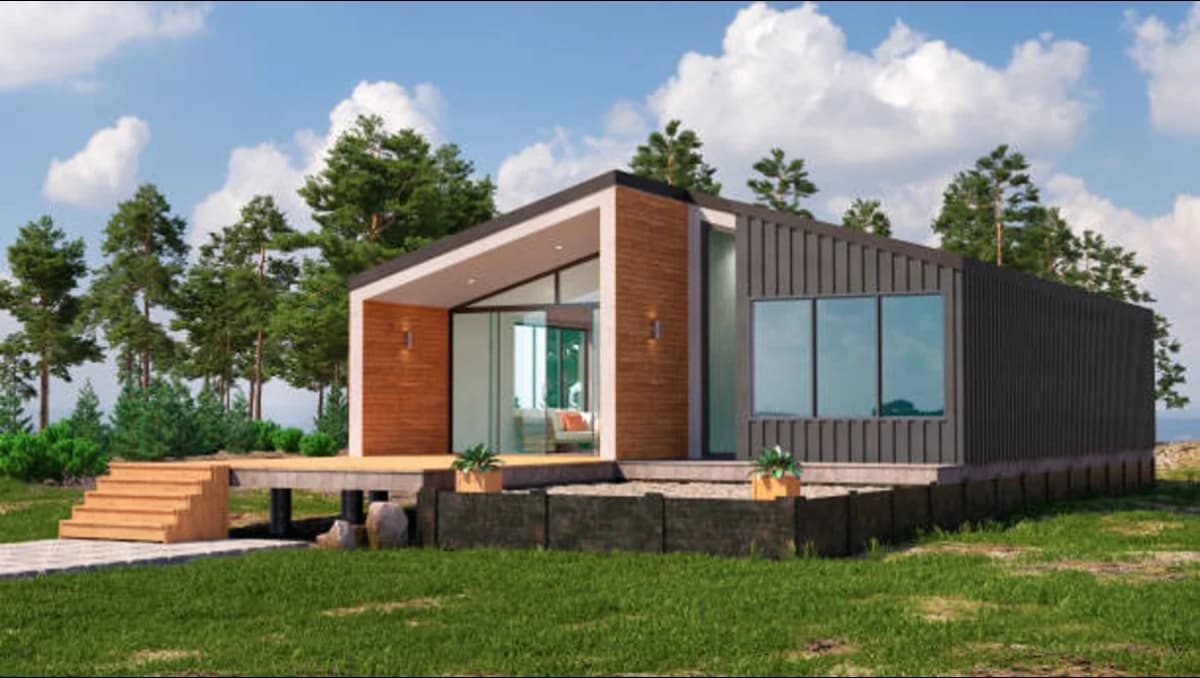
Smart floor plans maximize space while creating comfortable family living areas.
The best container home designs work with the container's natural shape rather than fighting it. These proven floor plans create functional family homes without excessive modifications that drive up costs.
The H-Shape Design (1,280 sq ft)
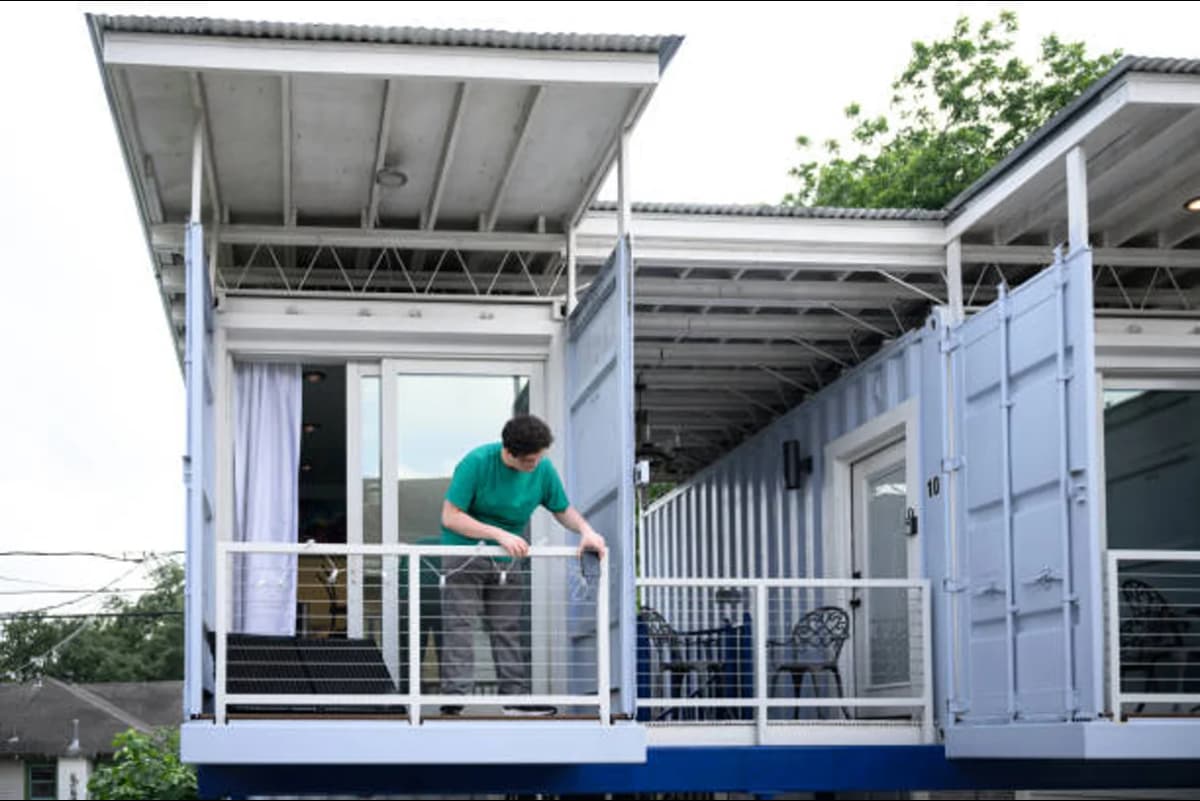
The H-shape design uses four 40-foot containers to create separate living and sleeping wings connected by a central gathering space.
Four 40-foot containers create an H-shape with two parallel wings connected by a central section. Bedrooms cluster in one wing for privacy, while living areas occupy the other. The connecting space becomes your home's heart, making it perfect for family gatherings.
This layout naturally separates quiet and active zones, where parents get peace while kids play. The central connector often features higher ceilings and skylights, making the whole home feel larger.
Stacked Configuration (1,120 sq ft)
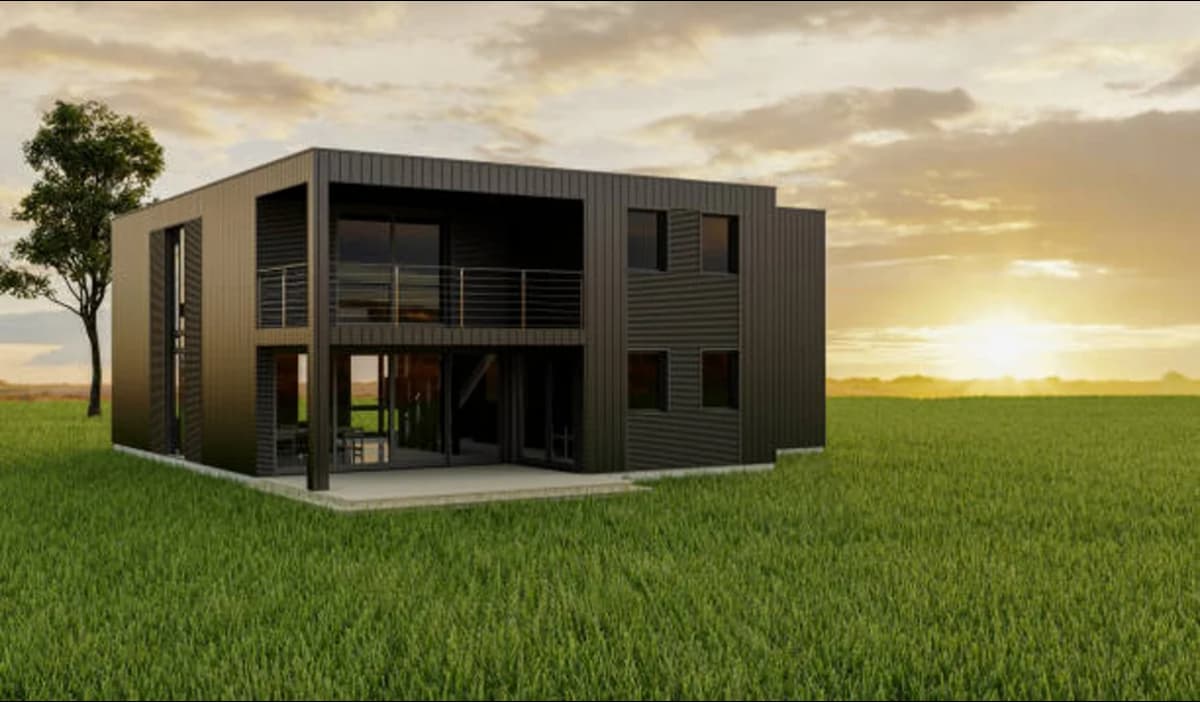
This two-story design stacks containers vertically to maximize living space on smaller lots while creating dramatic ceiling heights.
Two 40-foot containers form the ground floor, with two 20-foot containers stacked above. This creates a partial second story with dramatic ceiling heights in the main living area. The overhang provides covered outdoor space, which is valuable in any climate.
Stacking saves yard space on smaller lots. The vertical design costs slightly more for structural reinforcement but maximizes your property's potential.
U-Shape with Courtyard (1,600 sq ft)
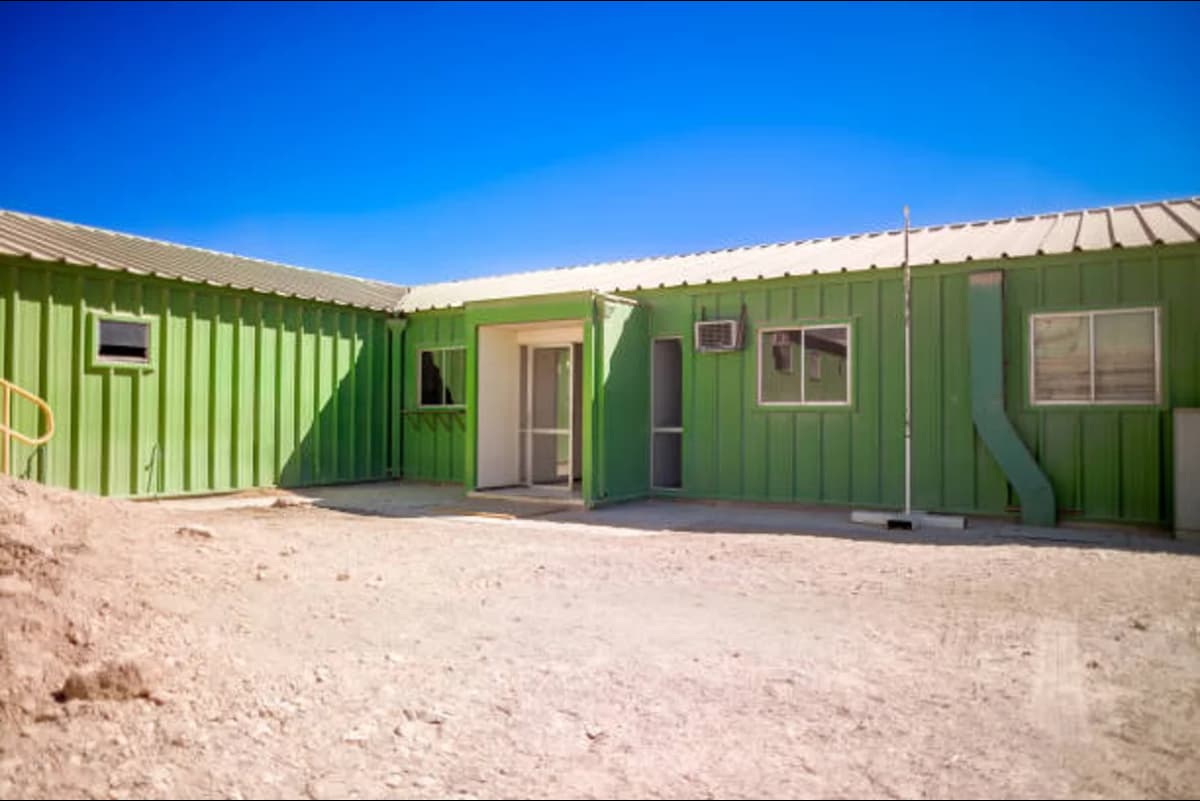
Three 40-foot containers arranged in a U-shape can create a private central courtyard for protected indoor-outdoor living.
Three 40-foot containers form a U that creates a protected courtyard, making this design excel at indoor-outdoor living.Large glass doors connect interior spaces to the courtyard, effectively adding hundreds of square feet of living area.
The courtyard provides privacy from neighbors while creating a microclimate—it stays cool in hot areas and offers shelter in windy regions.
Linear Layout (960 sq ft)
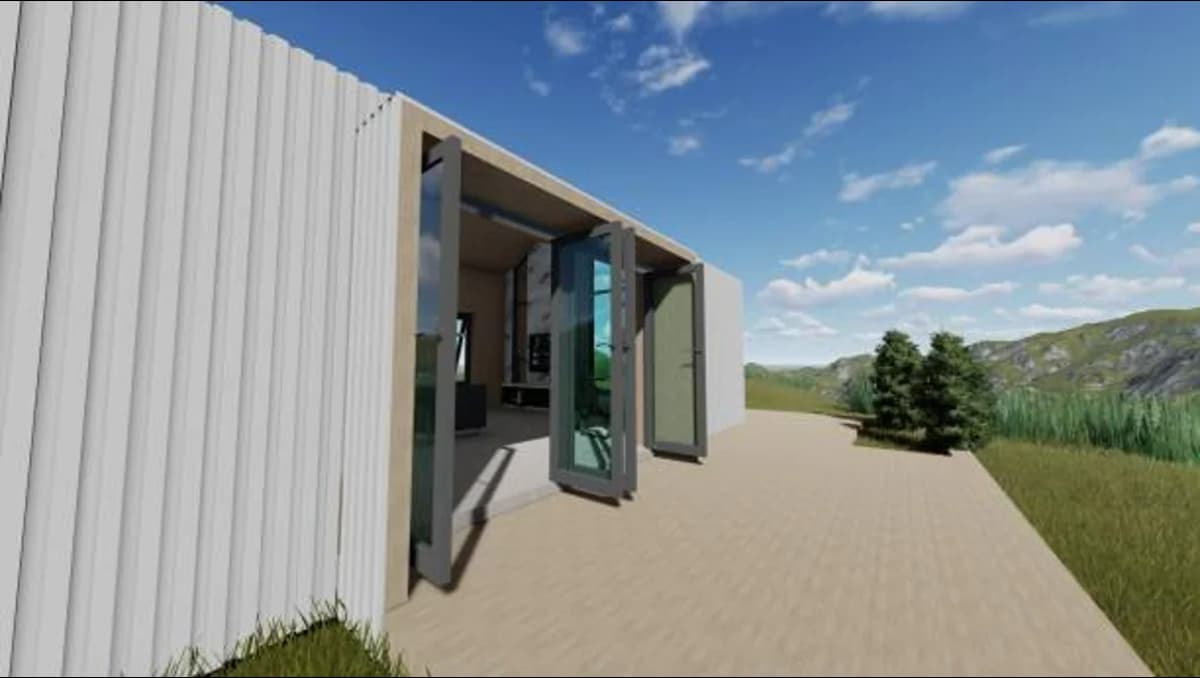
Three containers in a row might sound simple, but this budget-friendly design proves that sometimes the best homes are straight to the point - literally.
Three 40-foot containers placed side-by-side create the simplest, most affordable design. This configuration also needs the fewest structural modifications. Interior walls between containers can be removed selectively to create open living areas.
Linear layouts work great on narrow lots and offer the most budget-friendly option, but don't mistake simple for boring since creative facades and smart window placement can make these homes stunning.
The Offset Design (1,440 sq ft)
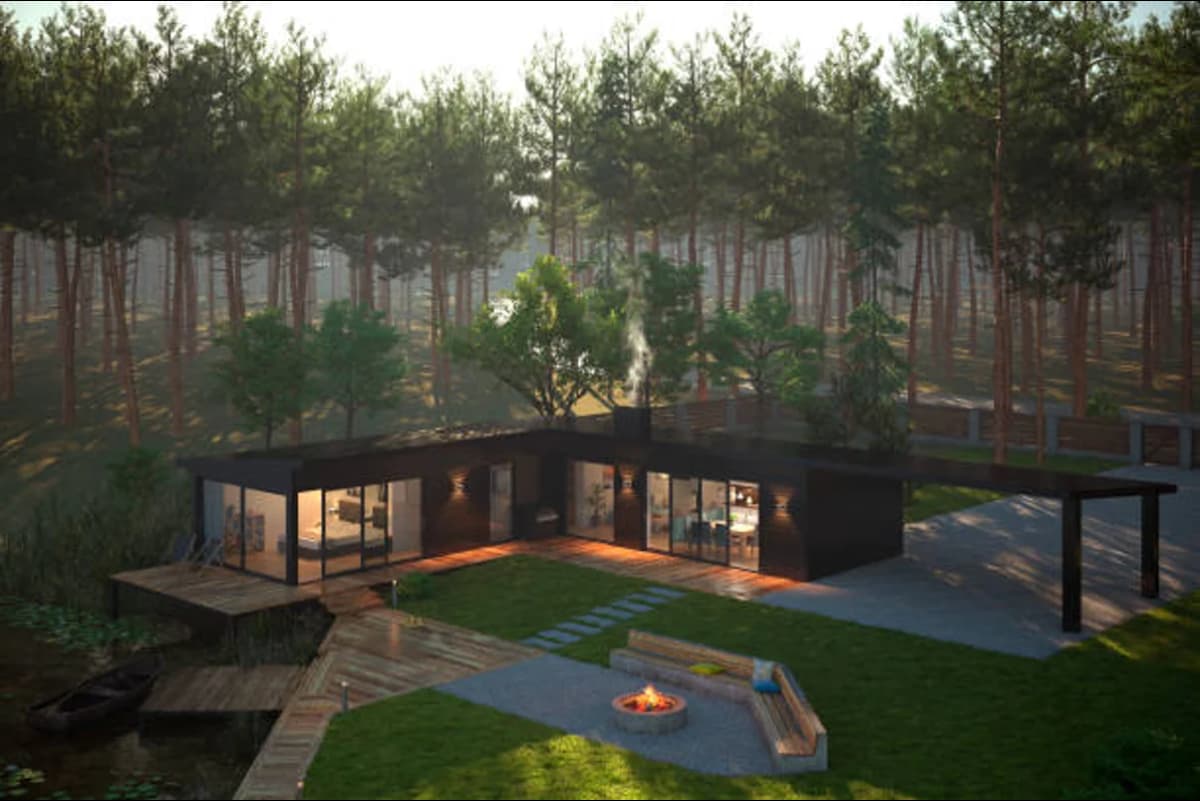
The L-shaped offset design separates the master bedroom from children's rooms for maximum privacy in family living.
Three 40-foot containers plus one 20-foot container create an L-shape with privacy. The master suite sits apart from the kids' bedrooms, allowing parents to get their sanctuary. The layout creates multiple outdoor spaces and interesting architectural angles.
This design delivers superior privacy and functionality for larger families. The offset also allows for better solar orientation and natural ventilation.
Container Sizes & Costs for 3-Bedroom Homes
40-Foot High Cube Containers
High-cube 40-foot containers form the foundation of most 3-bedroom designs, providing 320 square feet each at 40' x 8' x 9'6" tall. New units start at $5,100, while used or refurbished options cost $2,200 or $3,200 respectively. That extra foot of height proves essential since you can maintain comfortable 8-foot ceilings even after adding insulation and flooring.
These larger containers work perfectly for main living areas, master bedrooms, and open-concept spaces. Most 3-bedroom homes use 2–3 of these as their primary structure.
20-Foot Containers for Targeted Spaces
20-foot containers measure 20' x 8' x 8'6" tall, delivering 160 square feet that's ideal for individual bedrooms, home offices, or bathrooms. Their compact size creates interesting layout possibilities that larger containers can't achieve alone.
New 20-foot units start at $3,100, with used or refurbished options at $1,250 or $2,885 respectively.
The most successful 3-bedroom designs strategically mix container sizes, using 40-footers for communal areas and 20-footers for private spaces. This combination maximizes both spaciousness and material efficiency within your budget.
*These numbers are estimates, and the actual price can vary. Thus, it’s best to reach out to us for an accurate quote.
Conexwest Supplies Containers for Your Home Project
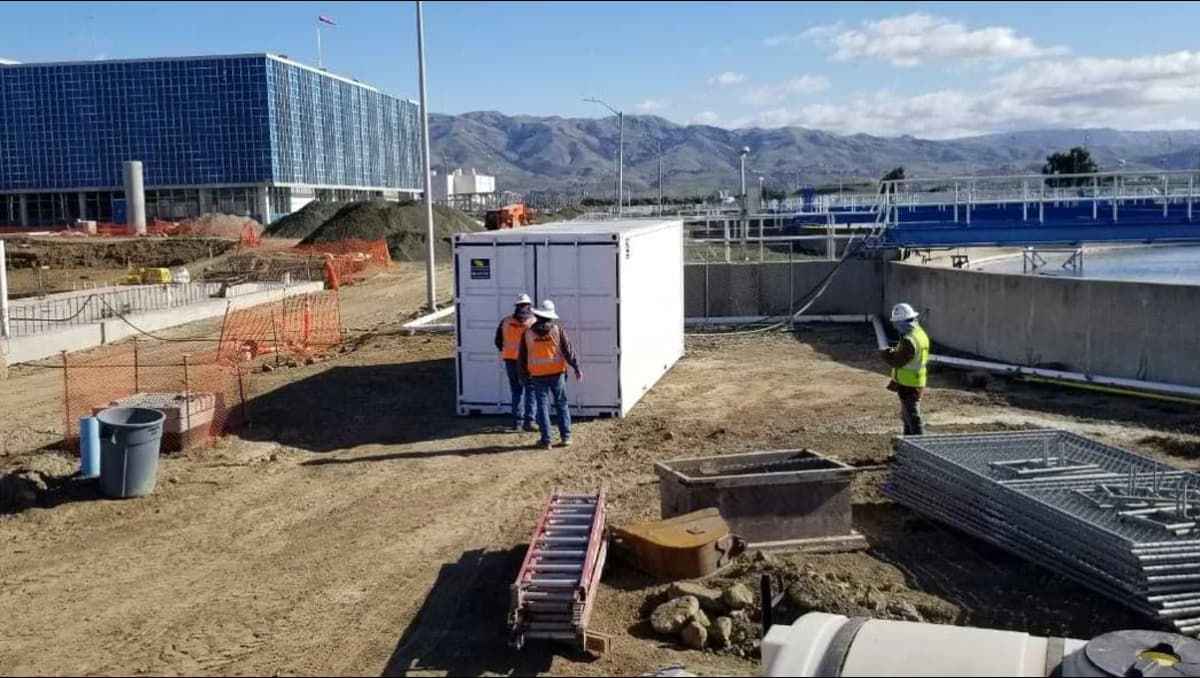
Quality containers and expert guidance turn your home dreams into reality.
Building a container home starts with finding the right containers. Not all containers work for home conversion—you need units that are structurally sound, free from toxic residues, and properly certified. That's where Conexwest comes in.
With thousands of customers served, we understand what makes a container suitable for home conversion. Our experience helps you avoid costly mistakes and get your project started right. Here's how we support container home builders:
Container Selection for Home Projects
We stock both new containers and quality used units, perfect for home conversion. Each container gets inspected for structural integrity. We check for chemical contamination and provide certification for building permits. Our 20ft and 40ft containers give you flexible design options.
Nationwide Delivery Network
We deliver containers anywhere in the continental US. Our drivers have experience placing containers on residential lots. We coordinate delivery timing with your construction schedule. Most deliveries happen within 3–7 business days after ordering.
Modification Services Available
We can pre-cut door and window openings to your specifications. Our team adds ventilation, electrical boxes, and reinforcement as needed. Factory customizations cost less than field cuts and come with proper engineering documentation.
Expert Consultation Support
Our team helps you calculate how many containers you need for your floor plan. We explain high-cube versus standard height options for your design. We provide documentation that helps with permit applications.
Competitive Pricing for Builders
We offer volume discounts for multi-container projects and our transparent pricing includes delivery quotes upfront. We work with both DIY builders and professional contractors.
Was this helpful?
Frequently Asked Questions
Container homes with quality construction appreciate similarly to traditional homes in the same area. The keys are proper permits, quality finishes, and designs that fit the neighborhood. Energy-efficient features and low maintenance costs actually attract premium buyers in many markets.
Properly built container homes last 25+ years minimum, with many expected to exceed 50 years. The containers themselves are designed for 25 years in harsh marine environments. When protected from direct weather and maintained properly, they last much longer.
Yes, most banks now offer standard mortgages for container homes that meet specific criteria. The home needs a permanent foundation, utility connections, and local building permits.
Yes, we specialize in helping customers select the right containers for home conversion. We'll review your floor plans and recommend the best combination of 20ft and 40ft units. We inspect every container for structural soundness and chemical safety. Our team provides documentation for building permits and can arrange pre-modification before delivery.